
Reviewed · TOURS
Barcelona and The Future. Regular Tour
Smart cities are best explained on foot. This walk turns Barcelona’s 22@ district in Poblenou into a real-world classroom, using modern buildings and planning concepts to explain where the city is headed.
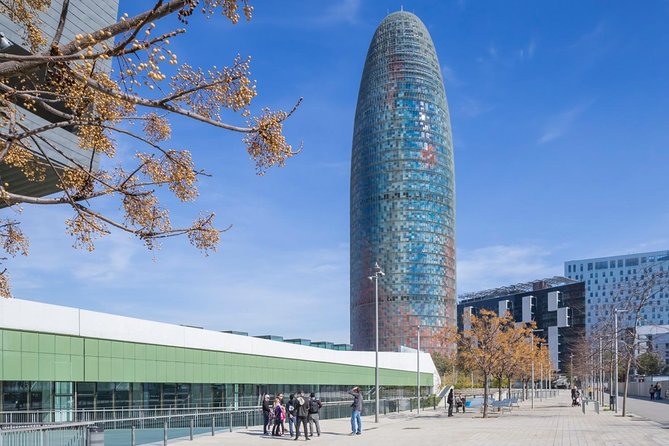
I especially like how the route connects what you see—new icons like Torre Glòries—with the bigger why behind them, from sustainability to city-shaping rules. And I love that guides with strong architecture backgrounds—people like Pia, Jelena, and Carmen—bring the topic down to questions you can actually ask and discuss on the move.
One thing to consider: this isn’t a quick “pretty buildings” stroll. If you’re hoping for mostly sightseeing with minimal planning talk, the urbanism and design jargon may feel like a lot, especially on a 3-hour walk in good weather.
In This Review
- Key things that make this tour worth your time
- Poblenou’s 22@ District: Barcelona thinking ahead
- What the 4:00 pm, ~3-hour format really means
- Torre Glòries: a skyline icon used as an urban lesson
- Museum of Design: turning industrial thinking into city life
- Los Encantes Barcelona: reuse, markets, and the politics of space
- Museu Can Framis: culture inside an urban-planning mindset
- The smart-city ideas you’ll hear (and how to interpret them)
- Media-TIC and star architects: seeing the stardust with context
- How the guides teach you to think like a planner
- Value: is $54.19 worth it?
- Who should book this tour (and who should skip it)
- Should you book Barcelona and The Future?
- FAQ
- What is the price of Barcelona and The Future?
- How long is the tour?
- What language is the tour offered in?
- Where does the tour start?
- Where does the tour end?
- What time does the tour start?
- How many people are in the group?
- Do I get a ticket on my phone?
- Is the tour affected by weather?
- Is free cancellation available?
- Are service animals allowed?
Key things that make this tour worth your time

- 22@ in Poblenou as a living case study, not a textbook story
- Modern architecture stops that explain how design affects daily life
- A guide-led focus on superblocks, carbon footprint, and sustainability ideas
- Clear links between star architects and the city rules that shape them
- A small group size—up to 20 people—so questions don’t get stuck
Poblenou’s 22@ District: Barcelona thinking ahead
Barcelona’s “future” doesn’t show up as one giant monument. It shows up as planning choices—streets, blocks, reuse, regulations, and sustainability goals—layered over time. That’s exactly why this tour feels different from many architecture walks. You’re walking through the 22@ district in Poblenou, an area that used to be packed with small factories and is now being revitalized to reconnect with that industrial spirit, but for modern life.
You’ll hear how urbanism aims to do more than beautify. It tries to balance independence in building and ownership ideas, the role of patents and innovation, and how design can reduce impact—down to concepts like cradle to cradle thinking and the carbon footprint of the built environment. Even if those terms aren’t your usual travel vocabulary, the guide ties them back to something you can spot: how buildings sit, how blocks work, and how people move.
And there’s a deep anchor point: you won’t just talk about today’s shiny projects. You’ll also connect current design talk back to Ildefons Cerdà, the master and founder behind Barcelona’s gridded plan. The point is simple—Barcelona’s future is still shaped by its old logic.
Torn between options? Line this one up against other Barcelona picks.


What the 4:00 pm, ~3-hour format really means
This tour runs for about 3 hours and starts at 4:00 pm. That timing can be a sweet spot: you’re not rushed like a midday hop-on plan, but the late-afternoon light helps you see architecture without the harshest sun.
The format matters because the subject isn’t just buildings. It’s how cities operate. A three-hour window gives the guide room to walk, point, and then connect the dots: why a structure is placed where it is, what it does socially, and how planning ideas translate into the street.
You’ll be in a group of up to 20 people, which is a big deal for a topic like smart-city planning. Smaller groups are easier for questions. If you’ve ever wondered how “future” urban ideas actually survive real-world budgets and politics, this tour’s pacing gives you room to ask.
Also, it’s a weather-dependent experience. If conditions are poor, you may get a different date or a full refund.
Torre Glòries: a skyline icon used as an urban lesson
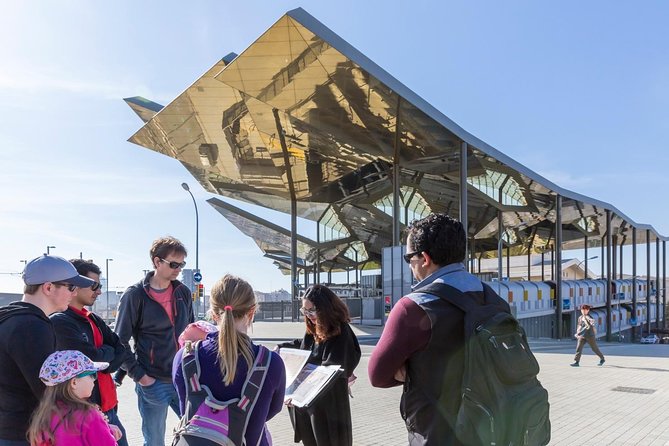
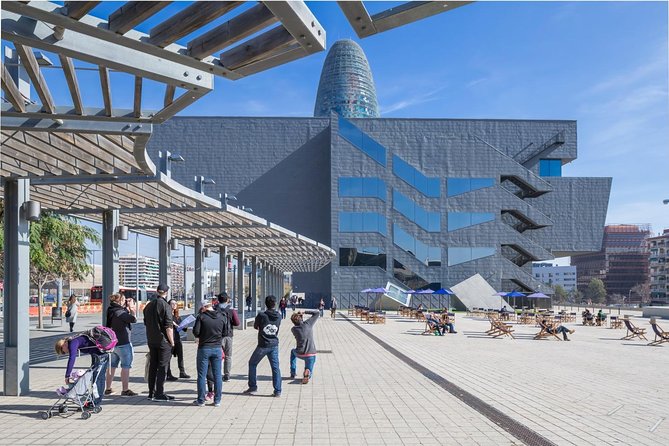
The walk begins at the Design Museum of Barcelona near Plaça de les Glòries Catalanes, and it quickly puts you into the thick of contemporary Barcelona. One of the first major stops is Torre Glòries—a fast way to understand that the city doesn’t treat height and form as purely aesthetic choices.
What I like about using a landmark like this early is the way it sets expectations. You’ll connect the tower to the broader idea of modern regeneration: new construction and new standards aren’t random. They’re tied to how the district wants to function—economically, environmentally, and socially.
A possible drawback: if you’re not in the mood for planning talk right away, Torre Glòries can feel like a “wait, why are we here?” moment. But stick with the guide’s logic. Soon you’ll see how the tower becomes a reference point for everything that comes next—especially the way Barcelona treats the built environment as a tool for governance, not just design.
Museum of Design: turning industrial thinking into city life
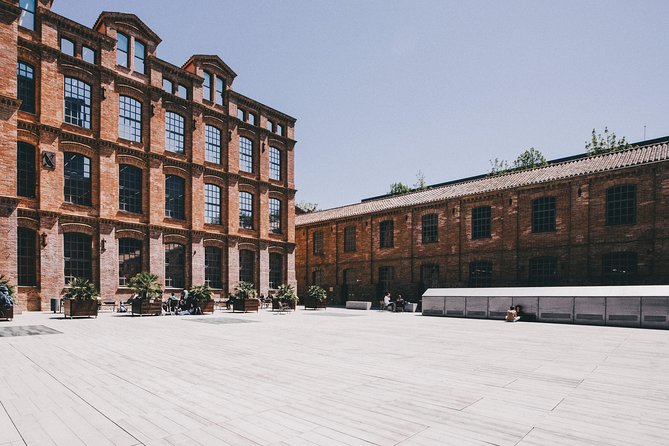
After you’ve gotten your skyline bearings, the tour shifts toward a different kind of architecture education: how design culture connects to how people live and work. The Museum of Design stop fits the tour theme perfectly, because it’s not only about form. It’s about thinking.
From here, the walk makes space for bigger ideas: why some districts succeed at reinvention, how innovation ecosystems grow, and why “future” projects still depend on older patterns of industry and labor. The tour also nudges you to notice how design is part of policy. Not just in speeches—on the street.
This is a stop where the guide’s role really shows. When the leader talks about independence, patents, or innovation systems, you’ll want to listen for what’s practical: who benefits, what gets built, and what gets improved for daily routines. If you pay attention, you’ll start to see the logic behind the 22@ transformation, not just the shiny results.
Los Encantes Barcelona: reuse, markets, and the politics of space
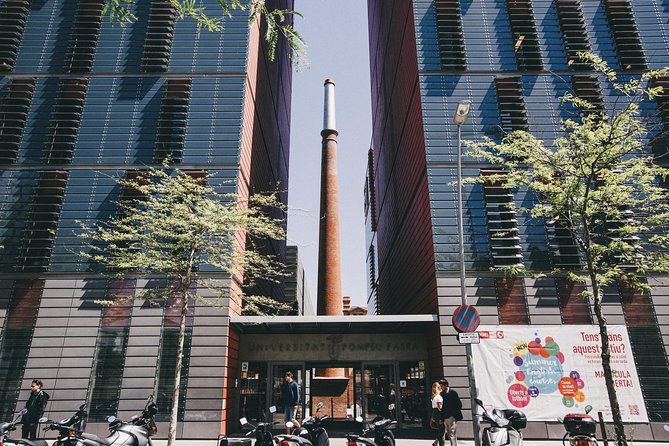
One of the most interesting stops on this route is Los Encantes Barcelona. It’s the kind of place that helps you understand urban planning without turning the walk into a lecture. Markets and reuse bring out the human side of city design—trade, flow, community routines, and the way space gets repurposed.
This stop is a reminder that regeneration isn’t always about erasing the past. Sometimes it’s about reworking it. The tour frames the old industrial neighborhood story in a way that makes sense for visitors who want more than “new good, old bad.” You’ll get insights into how cities try to keep a district’s identity while updating its structure for modern needs.
A tip for this portion: watch for how activity shapes the area. You’re learning to connect design principles to lived reality—where people gather, how movement happens, and how policy decisions show up as real spaces.
- Barcelona: Hola Barcelona Public Transport Travel Card★ 4.5 · 20,985 reviews
- Barcelona: 24 or 48-Hour Hop-On Hop-Off Bus Tour★ 4.4 · 20,872 reviews
- Barcelona: Park Guell Guided Tour with Skip The Line Entry★ 4.7 · 17,563 reviews
Museu Can Framis: culture inside an urban-planning mindset
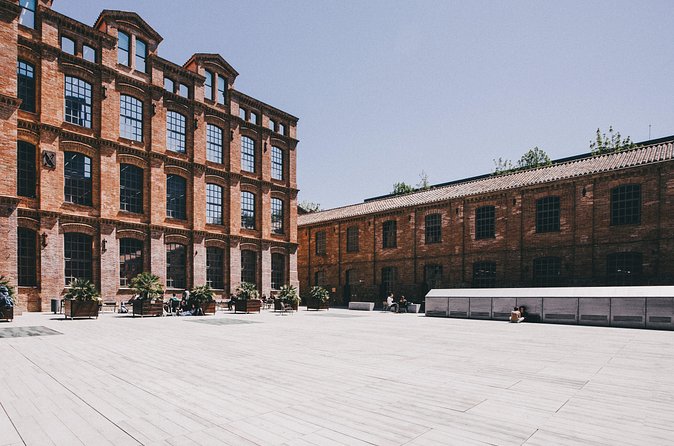
The walk ends with a stop at Museu Can Framis, which gives the tour a more reflective finish. By this point, you’ve already seen contemporary structures and heard the planning framework behind them. So the museum stop works like a synthesis: how cultural institutions can support a district’s identity and help justify regeneration choices.
Even if you only spend a short amount of time at the museum area during the tour, it still helps you understand the broader theme. This isn’t just about building smarter. It’s about using built space to strengthen community, attract talent, and keep a place from feeling temporary.
If you’re the type who likes to see cause-and-effect, this stop is a good one. The guide can connect architecture and urbanism to social outcomes: the district’s evolution, the city’s priorities, and why design choices keep returning to ideas like sustainability and long-term thinking.
The smart-city ideas you’ll hear (and how to interpret them)

This tour is full of specific concepts, but the key is how the guide frames them so they don’t stay trapped as buzzwords. Here are the major themes you’ll hear, translated into what they mean on the ground.
- Superblocks: You’ll learn how Barcelona’s approach tries to rethink traffic and public space by reorganizing city blocks so streets work better for people. Listen for the logic of who gets priority and why it changes daily life.
- Carbon footprint: When the guide mentions it, the useful part is the translation—how materials, construction choices, and building performance link back to broader climate goals.
- Parametric architecture: You’ll hear the idea that modern design tools can influence form and efficiency. Try to connect it to real outcomes: does it make buildings work better, and how does that show in the district?
- Cradle to cradle: This concept points toward rethinking waste and resources. The practical question to carry is: how does the district’s design mindset treat the life cycle of materials?
- Patents and independence: This part can sound abstract until the guide ties it to innovation culture in the district—how new ideas get turned into real products, real construction, and real economic activity.
- Ildefons Cerdà and Barcelona’s grid: This anchors the future talk in older planning logic. It’s the reminder that regeneration still relies on a city’s inherited structure and movement patterns.
The best way to get value here is to listen for comparisons. The tour encourages you to connect Barcelona’s choices to wider European city ideas, not just to admire buildings as objects.
Media-TIC and star architects: seeing the stardust with context
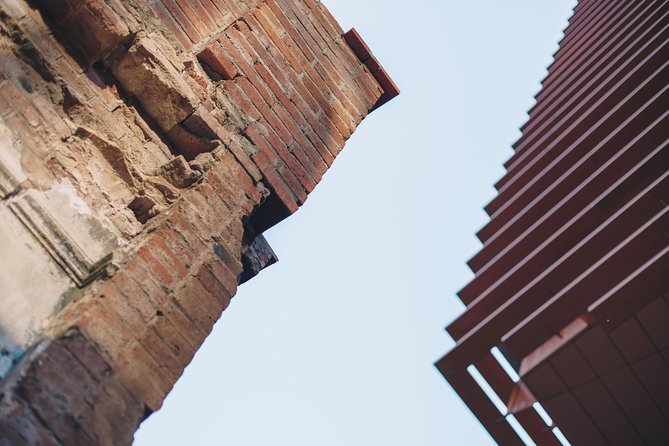
The tour also gives you a chance to talk about star architecture without losing the plot. You’ll hear about high-profile design references, including the Media-TIC building, noted for winning the 2011 WAF World Building of the Year. The guide uses this kind of recognition as a teaching tool: awards can signal ambition, but they don’t explain how the city’s rules, aims, and sustainability targets turn that ambition into usable space.
Expect the guide to connect these star projects to the independence, innovation, and environmental goals you’ve heard throughout the walk. And because the subject is urbanism, you’ll also learn that architecture celebrities aren’t the only actors. City governance, planning frameworks, and the district’s transformation plan all shape what gets built.
This part of the tour tends to be one of the most praised, mainly because the guide’s explanations are structured. You don’t just get facts. You get a way to interpret what you’re seeing.
How the guides teach you to think like a planner
Across the experience, the strongest praise in the feedback centers on the guides’ teaching style. Pia is described as an architect and professor with a deep grasp of urban planning and civil engineering. Jelena and Carmen also receive high marks for explaining how politics, planning, and architecture intersect.
Here’s what that means for you in practice:
- You’ll likely see maps and staging of Barcelona’s build-up over time, which helps you understand why the city looks the way it does.
- You’ll get space to ask questions, which matters a lot for smart-city topics that can get theoretical fast.
- You’ll hear the information framed as comparisons—Barcelona in a wider national and international context—so it doesn’t feel isolated.
If you’re unsure what to ask, bring one question from your own travel interests. For example: how does Barcelona balance traffic, climate goals, and livability? Or what does superblock policy change for the people who live there? A good guide will meet you there.
Value: is $54.19 worth it?
At $54.19 per person for roughly 3 hours, this walk is priced like a specialty tour, not a casual city ramble. So you should ask: what are you buying?
You’re paying for three things that add up fast:
- Architecture-grade explanation of how the 22@ district was transformed from factories to a modern innovation and design ecosystem.
- A chance to see multiple contemporary and cultural stops while connecting them to planning concepts like superblocks, cradle to cradle, and carbon footprint.
- A small group size (max 20) that supports real Q&A, especially important when you’re interested in smart city ideas.
If you love street-level stories that still connect to policy and design choices, the value is strong. If you mainly want iconic sights with minimal explanation, you might feel the cost is more than you need for your style.
A practical strategy: try to schedule this walk earlier or mid-trip. The planning framework the guide shares can change how you interpret other parts of Barcelona afterward.
Who should book this tour (and who should skip it)
I think this tour is a great fit if you:
- enjoy architecture, design, and city planning topics
- want Barcelona’s modern side without staying stuck in tourist-center routines
- like walking tours that teach you how to read the city, not just look at it
You might want to skip or choose a more basic architecture stroll if you:
- only want quick photo stops
- don’t care about planning concepts like superblocks or carbon footprint
- prefer short stops with minimal discussion
Also, because the experience depends on weather, plan for flexibility. If the sky looks questionable, bring a light layer and keep your schedule adaptable.
Should you book Barcelona and The Future?
Book it if you want a walk that makes Barcelona’s future feel concrete. The strongest reason to go is the way the guides connect modern landmarks and cultural stops to the city’s planning logic—especially around the 22@ district in Poblenou. If your ideal travel day includes a bit of debate, questions, and thinking, you’ll probably love this.
Skip it if you’re chasing a laid-back evening stroll with mostly casual commentary. This is urbanism-focused, concept-heavy, and best enjoyed when you’re curious about how cities work.
FAQ
What is the price of Barcelona and The Future?
The tour costs $54.19 per person.
How long is the tour?
It runs for about 3 hours.
What language is the tour offered in?
The tour is offered in English.
Where does the tour start?
It starts at the Design Museum of Barcelona, Plaça de les Glòries Catalanes, 38, c, Sant Martí, 08018 Barcelona.
Where does the tour end?
The tour ends back at the meeting point.
What time does the tour start?
The start time is 4:00 pm.
How many people are in the group?
The tour has a maximum of 20 travelers.
Do I get a ticket on my phone?
Yes. The tour uses a mobile ticket.
Is the tour affected by weather?
Yes. It requires good weather. If it’s canceled due to poor weather, you’ll be offered a different date or a full refund.
Is free cancellation available?
Yes. You can cancel for a full refund up to 24 hours in advance of the experience start time.
Are service animals allowed?
Yes. Service animals are allowed.
More Ways to Tour Barcelona
- Barcelona: Casa Batlló Entry with Self-Audioguide Tour
★ 4.7 · 25,359 reviews - Barcelona: 24 or 48-Hour Hop-On Hop-Off Bus Tour
★ 4.4 · 20,872 reviews - Barcelona: Park Guell Guided Tour with Skip The Line Entry
★ 4.7 · 17,563 reviews - Barcelona: Sagrada Familia Skip-the-Line Entry Ticket & Tour
★ 4.8 · 12,789 reviews - Barcelona: FC Barcelona Museum “Barça Immersive Tour” Ticket
★ 4.4 · 10,944 reviews
More Barcelona Tours on Our Radar
- Barcelona: Sagrada Familia Entry Ticket with Audio Guide
★ 4.6 · 105,312 reviews - Barcelona: Park Güell Admission Ticket
★ 4.4 · 76,534 reviews - Barcelona: Casa Batlló Entry with Self-Audioguide Tour
★ 4.7 · 25,359 reviews - Barcelona: Montjuïc Cable Car Roundtrip Ticket
★ 4.5 · 22,368 reviews - Barcelona: Hola Barcelona Public Transport Travel Card
★ 4.5 · 20,985 reviews
Just Rated Around Barcelona




Tours, compared.
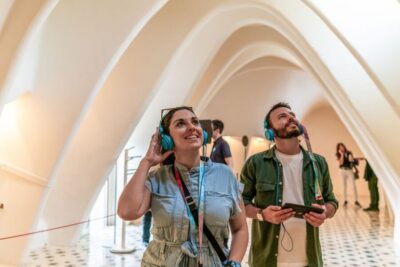 ★ 4.7Casa Batlló Entry with Self-Audioguide TourFrom $3425,359 reviews
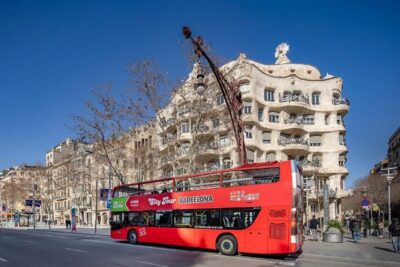 ★ 4.424 or 48-Hour Hop-On Hop-Off Bus TourFrom $3920,872 reviews
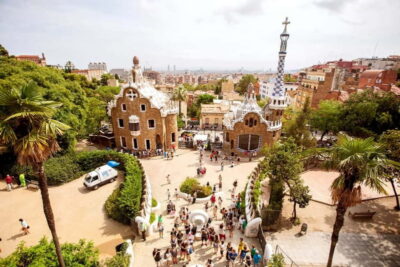 ★ 4.7Park Guell Guided Tour with Skip The Line EntryFrom $3117,563 reviews
 ★ 4.8Sagrada Familia Skip-the-Line Entry Ticket & TourFrom $6712,789 reviews
 ★ 4.4FC Barcelona Museum “Barça Immersive Tour” TicketFrom $3510,944 reviews
 ★ 4.4City Sightseeing Hop-On Hop-Off Bus TourFrom $3910,061 reviews
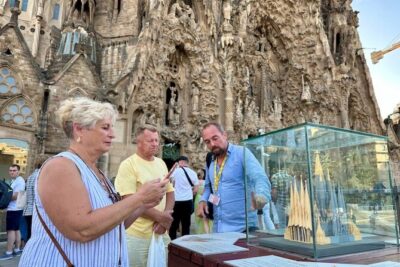 ★ 4.5Fast Track Sagrada Familia Guided TourFrom $668,795 reviews
 ★ 5.0Montserrat Half-Day Tour with Tapas and Gourmet WinesFrom $557,359 reviews