
Reviewed · FOOD & DRINK
Barcelona & Chocolate Amatller History and Culture + Activity and Tasting
Chocolate and storytelling are made for each other in El Born. This short visit at Amatller pairs an audiovisual journey with a practical hands-on workshop, so you’re not just watching chocolate—you’re learning how it’s made and how it tastes.
I especially like the structure: you start with a cinematic look at how Amatller connected chocolate with Barcelona culture, then move into tasting using a kit that trains your senses. You’ll also get an original Barcelonese-style hot chocolate tasting, plus time in the shop to sample more of the brand’s emblematic collections.
One thing to consider: this is a tasting-focused experience, so it’s not a good fit if you have a nut allergy (and it’s not suitable for children under 5).
In This Review
- Key highlights you’ll actually feel
- Why Amatller’s El Born shop feels like a shortcut to the past
- The 40–45 minute plan: film, tasting kit, cocoa workshop, hot chocolate
- Stop 1: Enter the Amatller Chocolate Shop (Plaça de les Olles, 9)
- Stop 2: Guided visit with an audiovisual journey to the Amatller chocolate world
- Stop 3: Five-sense tasting using a personalized kit
- Stop 4: Experimental workshop—elaboration of cocoa with your hands
- Stop 5: Learn how chocolate was consumed in 17th-century Barcelona, then taste it
- Stop 6: Time in the store to keep tasting emblematic collections
- The five-sense tasting kit: what it’s really doing for you
- Hands-on cocoa work: why making beats watching
- The hot chocolate tasting: what makes Barcelonese style feel different
- Store time in El Born: how to turn tasting into smart buying
- Price and value: why $17 can make sense (if you want the experience)
- Who should book (and who should skip it)
- Quick FAQ
- FAQ
- How long is the Chocolate Amatller experience?
- Where do I meet for the tour?
- What’s included in the price?
- Is there a hot chocolate tasting?
- How big are the groups?
- What languages are available?
- Is it wheelchair accessible?
- Are pets allowed?
- Is it safe for people with nut allergies?
- Should you book Chocolate Amatller in El Born?
Key highlights you’ll actually feel
- A short film that takes you to 18th-century Barcelona of Chocolate Amatller
- Five-sense tasting kit so you taste with purpose, not just curiosity
- Make chocolate with your hands, inspired by how Gabriel Amatller worked in the 19th century
- Original Barcelonese hot chocolate tasting in the same session
- Small group limited to 10, which keeps the pace friendly
- Free time in the gourmet shop with tasting of emblematic collections
Why Amatller’s El Born shop feels like a shortcut to the past
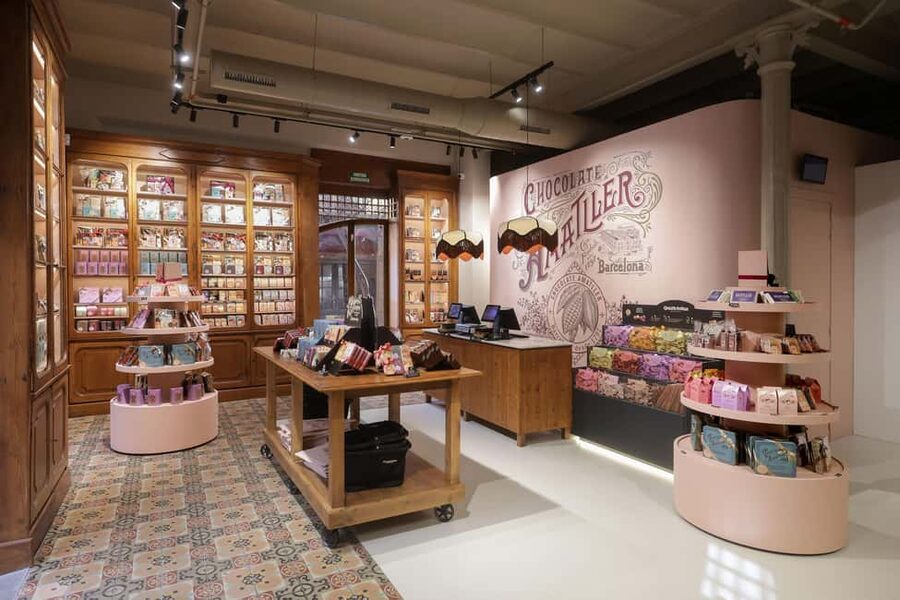
If you like travel that mixes food with context, this is one of the smoother chocolate stops in Barcelona. Amatller is the oldest brand in the city, dating back to 1797, and the experience is built around that idea: chocolate as craft, but also as part of Barcelona’s daily culture.
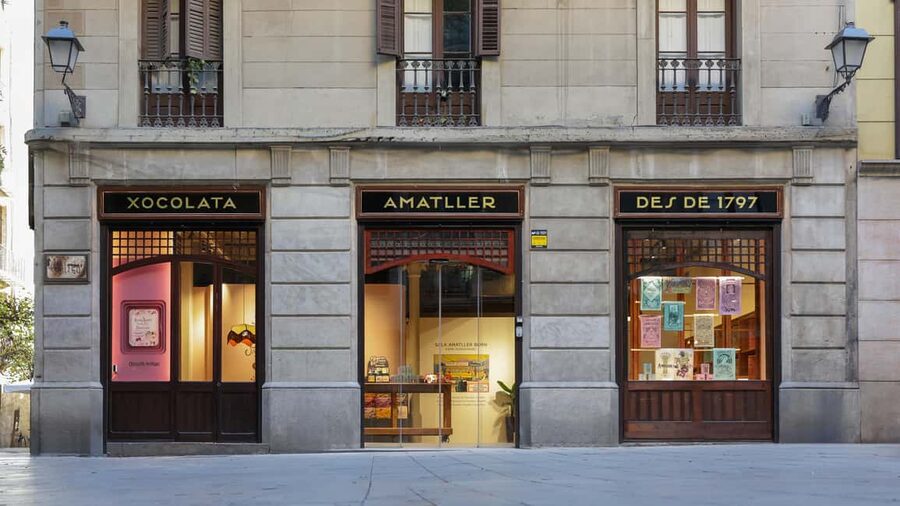
The location is a big part of why this works. The shop sits in El Born, near Plaça de les Olles, right where the brand began. That means the session doesn’t feel like a generic “chocolate show.” It feels anchored in place, with the message that chocolate here has been social, artistic, and learned over generations.
I also like that the visit is compact. At 40–45 minutes, you get meaningful food time without swallowing your whole afternoon. You can still walk out and keep exploring El Born afterward—shops, streets, and the kind of quiet side alleys that make neighborhoods worth revisiting.
More Catalan plates and pours to try


The 40–45 minute plan: film, tasting kit, cocoa workshop, hot chocolate
This experience runs like a tight loop: story first, senses second, hands third. Here’s how the flow usually feels from start to finish.
Stop 1: Enter the Amatller Chocolate Shop (Plaça de les Olles, 9)
You don’t have to hunt around for a separate office or checkpoint. You enter directly into the Amatller Chocolate Shop, and you’re guided from there. It’s also set up for people who want to move efficiently—there’s skip-the-ticket-line style convenience.
Practical tip: plan to arrive a few minutes early so you’re not rushed when you get seated or briefed.
Stop 2: Guided visit with an audiovisual journey to the Amatller chocolate world
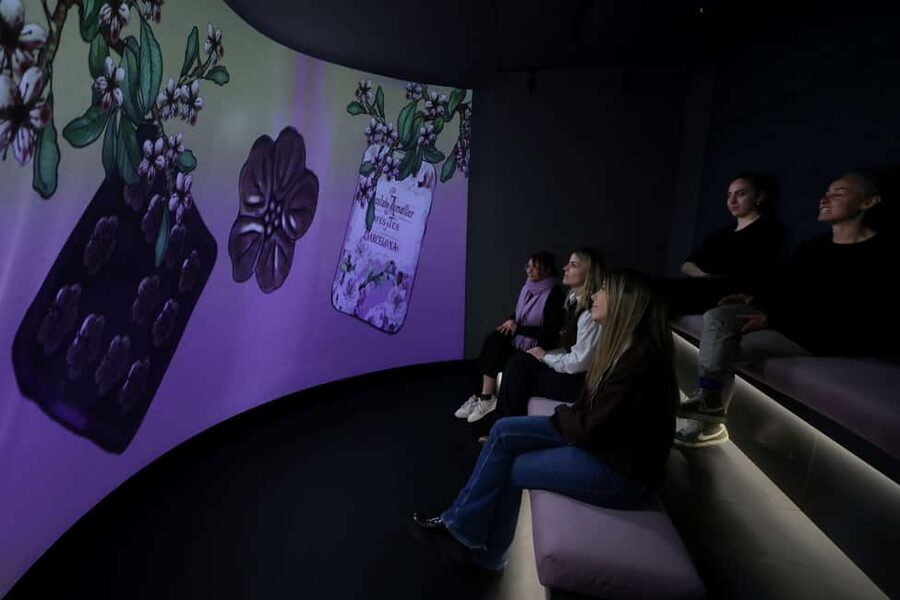
You start with a guided presentation called the Journey to the Barcelona of Amatller Chocolate. It’s audiovisual and takes you back to the 18th century, focusing on where the Amatller story begins and how it connected to Barcelona.
What I like about this opening is that it gives you a framework before you start tasting. You’re not guessing what you’re about to notice in the flavors. You get a mental map for why the brand and its chocolate style matter locally.
Also, the tour runs with a live guide in Spanish, Catalan, or English, depending on your group. Some content appears in the original language too, so don’t worry if you catch a phrase or two you don’t translate perfectly—most of the key points come through.
Stop 3: Five-sense tasting using a personalized kit
Next comes the part that turns chocolate into a lesson you can feel. You’ll taste using a personalized kit designed to help you experience chocolate through all five senses. The focus is on iconic products, including Flors and Hojas Finas.
This matters because it changes how you eat. Instead of only asking, Is it sweet or not?, you train yourself to notice things like:
- aroma before the first bite
- texture as it melts or breaks
- how flavors develop after swallowing
Some guides are especially good at making it relaxed, like a friendly explanation while you taste at your own pace. In past sessions, guides such as Sam, Gina, Georgina, Lluna, and Mar have been mentioned by name for making the experience warm and clear.
More of the old Barcelona to walk
- Barcelona: Tapas Walking Tour with Food, Wine, and History★ 4.8 · 4,261 reviews
- Barcelona Tapas Walking Tour: Food, Wine & History★ 4.5 · 1,928 reviews
- Barcelona: 2.5-Hour Bike or E-Bike Historical Tour★ 4.5 · 1,262 reviews
Stop 4: Experimental workshop—elaboration of cocoa with your hands
After tasting, you get to do something hands-on. The workshop centers on the elaboration of cocoa with your own hands, inspired by how Gabriel Amatller worked in the 19th century in the heart of Barcelona.
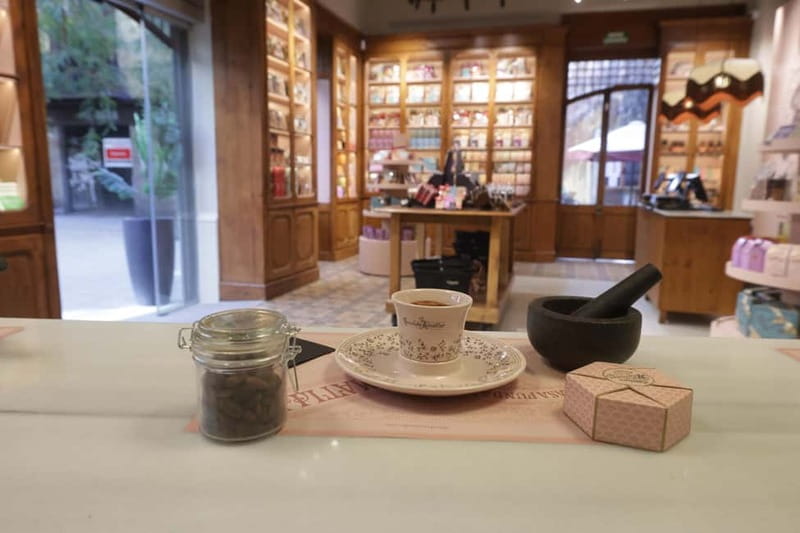
In at least some sessions, you may get to handle cacao ingredients more directly—one described highlight is grinding roasted cacao beans into a paste using a heated stone mortar. Even if your exact steps vary a bit by the session, the goal is consistent: you should leave with a real sense of process, not just product.
This is also where the tour earns its value for me. Tastings can feel passive. A short hands-on element makes it memorable—and it makes you understand why different chocolates taste the way they do.
Stop 5: Learn how chocolate was consumed in 17th-century Barcelona, then taste it
The session continues with a historical angle tied to consumption. You learn how chocolate was drunk and enjoyed in 17th-century Barcelona, and then you taste it using the brand’s original formula.
In other words: you’re not just making modern chocolate trivia. You get the sense of how chocolate functioned as a drink—comforting, social, and rooted in local habit.
In several accounts, people highlight the hot chocolate as especially strong compared with typical tourist versions, and one noted detail is a cinnamon note in the drink. Your takeaway should be the same: this is a classic, made to be drunk, not just a thick dessert.
Stop 6: Time in the store to keep tasting emblematic collections
Finally, you’re given free access to the gourmet store with tasting of the brand’s emblematic collections. This is a smart finish. Once you’ve learned how to taste, you can apply it immediately without being rushed.
It’s also a good chance to buy gifts without scrambling. If you enjoyed a specific type during the tasting kit, the shop is where you can follow your own preferences.
The five-sense tasting kit: what it’s really doing for you
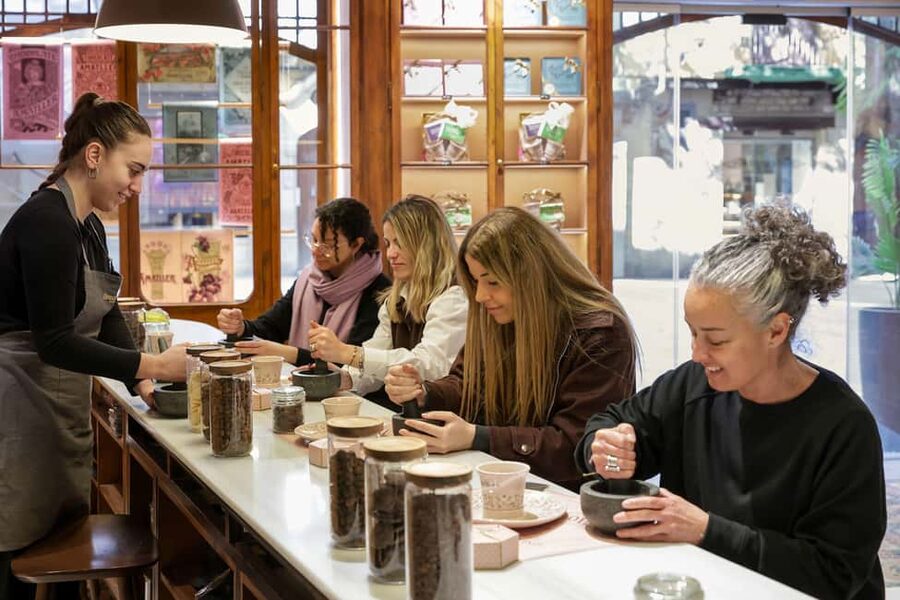
Chocolate tastings are everywhere. This one feels different because it’s designed as a mini training session.
The kit focuses on flavor, aroma, and texture, using the brand’s iconic chocolates like Flors and Hojas Finas. That’s important because it lets you compare while the guide helps you notice details you might otherwise miss.
If you’re the type who says, I like chocolate, but I’m not a chocolate expert, this is still for you. The point isn’t to turn you into a critic. It’s to give you a repeatable way to pay attention.
And because the group is small—limited to 10 participants—you’re less likely to get lost in a crowd. You also get a better chance to ask questions, which is where guides can really make a difference.
Hands-on cocoa work: why making beats watching
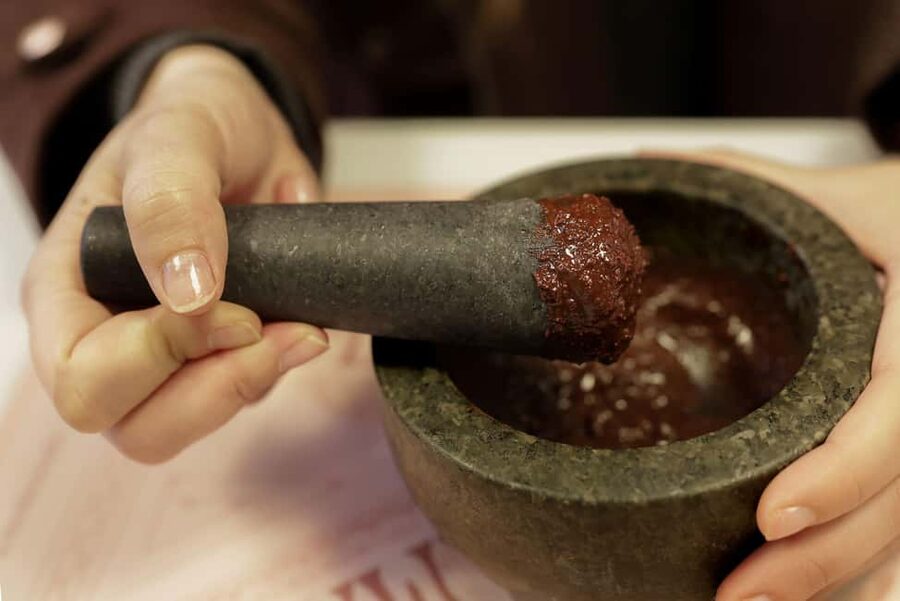
The workshop part is the sweet spot for many people because it shifts the experience from tasting to understanding.
The session is built around the idea of cocoa elaboration with your hands, linked to Amatller’s story back to the 19th century with Gabriel Amatller. That historical framing matters: you’re not just playing with ingredients. You’re practicing the basic mechanics behind real chocolate.
Even if you only handle ingredients for a short time, you’ll likely notice how cocoa behaves—how it changes as it’s processed, and how that connects to taste. It makes the later hot chocolate and store tastings feel more logical. You’ll be able to connect texture and flavor to how the chocolate was treated.
Also, it’s indoor and structured, which is handy if the weather is hot. One common practical compliment is that it’s a break from Barcelona heat, especially in summer.
The hot chocolate tasting: what makes Barcelonese style feel different
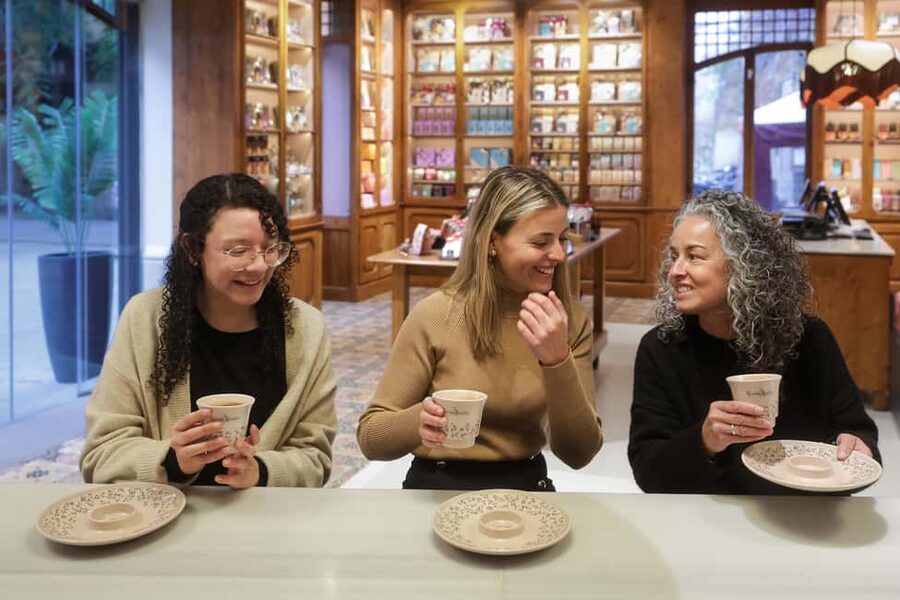
The original Barcelonese-style hot chocolate is included, and it’s not just served as a last-minute add-on. It ties back to the historical consumption lesson about 17th-century Barcelona.
What you should expect is a hot chocolate experience treated as part of local culture—something meant to be enjoyed slowly. If you’ve had the generic “chocolate plus something fried” routine elsewhere, you’ll likely find this more focused and more chocolate-forward.
In some sessions, people mention cinnamon notes in the drink, which gives it a warmer edge. Even without that specific detail, the key is that this tasting is meant to show you how chocolate functioned as a drink in Barcelona—not just as a candy.
Store time in El Born: how to turn tasting into smart buying
The experience ends with time in the shop, and this matters more than it sounds.
A lot of food tours dump you out right after the tasting. Here, the format lets you continue sampling emblematic collections at your own pace. That’s a gift to your future self because you can match what you liked earlier to what’s available to take home.
If you’re shopping for someone who likes darker chocolate, you may find their dark options especially satisfying. Some people describe their dark chocolate as not too sour, and that it became a favorite even for milk-chocolate drinkers.
Practical tip: pace yourself during the tasting. You want to be able to compare items in the shop while your palate is still clear, not after you’ve had too much of one style.
Price and value: why $17 can make sense (if you want the experience)
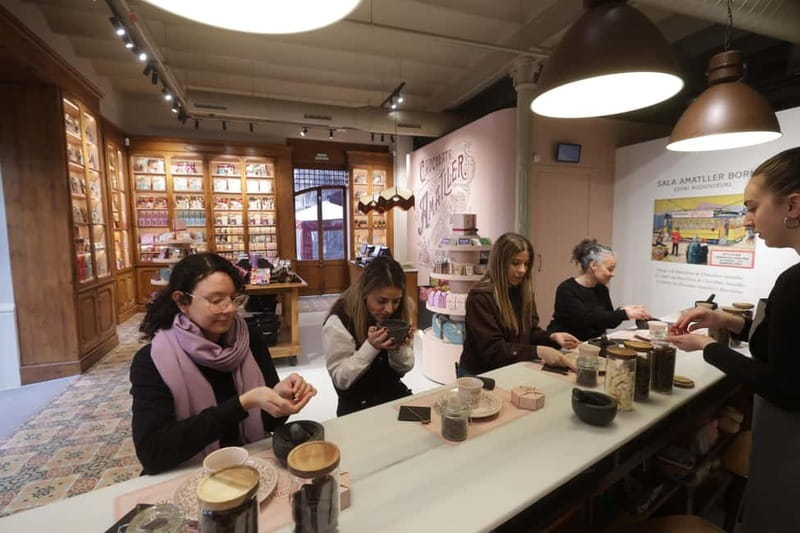
At around $17 per person for a 40–45 minute guided session, this is priced like a straightforward food activity—not a full-day tour. The value comes from combining several things that usually cost extra when done separately:
- an audiovisual guided presentation
- a tasting kit experience
- a hands-on experimental workshop
- an included hot chocolate tasting
- access to a shop tasting finish
If you only wanted one small chocolate taste, you’d find cheaper. But if you want a focused activity that teaches you how to taste, plus gives you product access afterward, the price lands more reasonably.
Also, small group pacing matters. With a maximum of 10, you’re paying partly for attention and flow, not just product.
Who should book (and who should skip it)
This fits best if you want chocolate with context and you enjoy structured tasting.
You’ll likely like it if you:
- want a short indoor activity in El Born
- like hands-on workshops more than passive museum-style tours
- enjoy learning through taste, not just facts
- want something easy to pair with a walk afterward
You should skip or reconsider if:
- you have a nut allergy (it’s stated as not suitable)
- you’re traveling with children under 5
- you have visual impairment (not suitable)
- you have dietary restrictions that conflict with the note that chocolates may contain traces of milk, peanuts, and tree nuts
Also, pets aren’t allowed (assistance dogs are allowed), and there’s no audio recording during the tour.
Quick FAQ
FAQ
How long is the Chocolate Amatller experience?
The guided experience lasts about 40–45 minutes.
Where do I meet for the tour?
Enter directly into the Amatller Chocolate Shop at Plaça de les Olles, 9.
What’s included in the price?
You get the audiovisual presentation, a chocolate tasting kit, an experimental workshop with materials, the original Barcelonese hot chocolate tasting, and free access to the gourmet store with tastings.
Is there a hot chocolate tasting?
Yes. The experience includes a tasting of the original Barcelonese style hot chocolate.
How big are the groups?
It’s a small group limited to 10 participants.
What languages are available?
The live tour guide is available in Spanish, Catalan, and English.
Is it wheelchair accessible?
Yes, it is listed as wheelchair accessible.
Are pets allowed?
Pets are not allowed, but assistance dogs are allowed.
Is it safe for people with nut allergies?
No. It’s not suitable for people with nut allergies, and the chocolates may contain traces of milk, peanuts, and tree nuts.
Should you book Chocolate Amatller in El Born?
If you’re looking for a short, high-return activity in Barcelona—one that mixes story, tasting, and hands-on chocolate making—this is an easy yes. The structure is tight, the group stays small, and the included hot chocolate tasting makes it feel more complete than a simple shop visit.
I’d only hesitate if you’re managing nut allergies or you’re traveling with a young child under 5, since the session is explicitly not suitable for those cases. Otherwise, it’s a practical way to experience Barcelona through one of its most historic chocolate brands, right in the neighborhood where the story started.
The Old Barcelona on Foot
- Barcelona: Tapas Walking Tour with Food, Wine, and History
★ 4.8 · 4,261 reviews - Barcelona Tapas Walking Tour: Food, Wine & History
★ 4.5 · 1,928 reviews - Barcelona: 2.5-Hour Bike or E-Bike Historical Tour
★ 4.5 · 1,262 reviews - Barcelona Erotic Museum – Explore Art, History & Fun
★ 4.4 · 450 reviews - Private Jewish Heritage Journey by Barcelona Dreaming
★ 4.8 · 383 reviews
Plates and Pours Across Barcelona
- Montserrat & Cogwheel Train, Gourmet Wine Tasting & Tapas/Lunch
★ 5.0 · 6,290 reviews - Barcelona: Tablao Flamenco Cordobes with Food/Drink Options
★ 4.6 · 4,368 reviews - Barcelona: Tapas Walking Tour with Food, Wine, and History
★ 4.8 · 4,261 reviews - Barcelona: Food Walking Tour with Tapas and Wine
★ 4.9 · 2,180 reviews - Barcelona Tapas Walking Tour: Food, Wine & History
★ 4.5 · 1,928 reviews
More Barcelona Tours on Our Radar
- Barcelona: Sagrada Familia Entry Ticket with Audio Guide
★ 4.6 · 105,312 reviews - Barcelona: Park Güell Admission Ticket
★ 4.4 · 76,534 reviews - Barcelona: Casa Batlló Entry with Self-Audioguide Tour
★ 4.7 · 25,359 reviews - Barcelona: Montjuïc Cable Car Roundtrip Ticket
★ 4.5 · 22,368 reviews - Barcelona: Hola Barcelona Public Transport Travel Card
★ 4.5 · 20,985 reviews
Just Rated Around Barcelona



Food & Drink, compared.
 ★ 5.0Montserrat & Cogwheel Train, Gourmet Wine Tasting & Tapas/LunchFrom $816,290 reviews
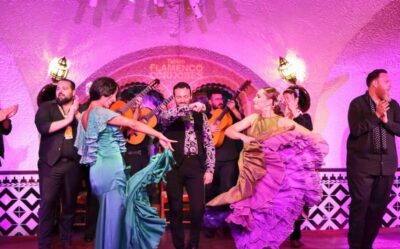 ★ 4.6Tablao Flamenco Cordobes with Food/Drink OptionsFrom $574,368 reviews
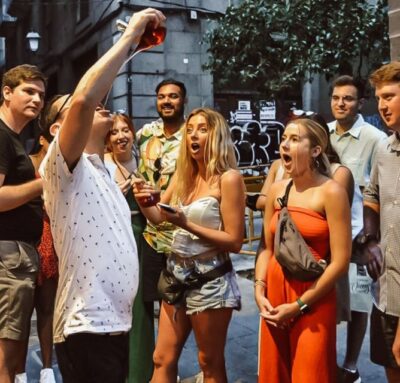 ★ 4.8Tapas Walking Tour with Food, Wine, and HistoryFrom $784,261 reviews
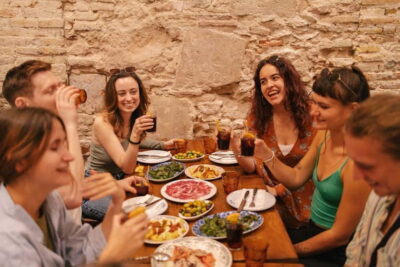 ★ 4.9Food Walking Tour with Tapas and WineFrom $1002,180 reviews
 ★ 4.5Barcelona Tapas Walking Tour: Food, Wine & HistoryFrom $661,928 reviews
 ★ 5.0Barcelona Gothic Quarter Tapas & Taverns Food & Wine TourFrom $1311,470 reviews
 ★ 5.0Barcelona Food Tour: Tapas, Paella, Sangria & 8+ Local TastingsFrom $1171,275 reviews
 ★ 4.5Montserrat: Cog-Wheel, Basilica, Black Madonna & Licor TastingFrom $71886 reviews
Browse the lists this tour appears in