
Reviewed · FOOD & DRINK
Barcelona Gracia Neighborhood Local Food & History Tour
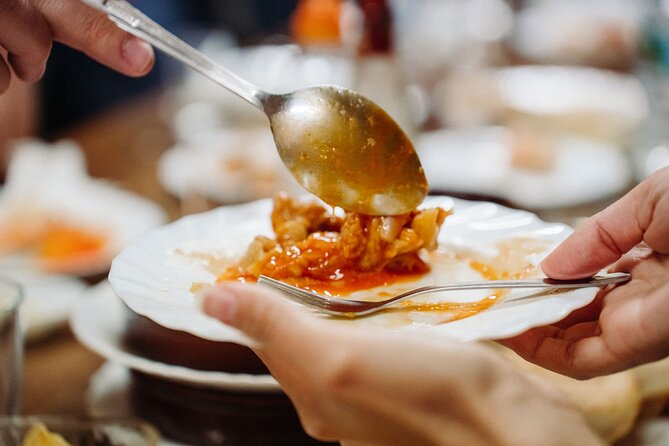
That first bite in Gràcia sets the tone. You get food in real places, plus Gaudí-era stories while you walk.
I love the small group setup and the way you actually sit down in local spots, not a parade of photo stops. I also like that you’re promised 12+ tastings plus four drinks worth of variety, so you leave properly fed.
One thing to think about: most included dishes lean meat-based, so if you’re vegan (or even a picky vegetarian), this may not be your easiest match. You can ask about alternatives, but the tour notes there may not be a replacement food option at every stop.
In This Review
- Key things I’d mark on your map
- Gràcia feels local fast: food, history, and conversation
- Price and value: $103.34 for a lot of eating time
- Route overview: from Casa Vicens to La Pedrera by way of everyday Gràcia
- Casa Vicens and the Gràcia morning: starting with real Gaudí context
- Cal Pep: vermouth, Catalan classics, and a bodega time machine
- Placa de la Virreina and Mustafa’s Syrian pastries: the mix that makes Gràcia interesting
- The dried fruits snack and the modernist market aperitivo
- Bar Roure lunch: typical Catalan tapas with wine or beer choice
- Passing Passeig de Gràcia: modernist architecture without the ticket pressure
- Who this tour is best for (and where it may not fit)
- Should you book this Gràcia Food & History Tour?
- FAQ
- How long is the Barcelona Gràcia Local Food & History Tour?
- What’s included in the tour price?
- How many people are on the tour?
- Are tickets to Casa Vicens or La Pedrera included?
- Is the tour offered in English?
- What dietary options does the tour offer?
- Is hotel pick-up or drop-off included?
- Can I get a full refund if I cancel?
Key things I’d mark on your map
- Small group (max 12) means you can actually talk with the guide and the hosts
- 12+ food tastes plus 3 drinks built into a morning-to-lunch pacing
- Gràcia neighborhood focus keeps you away from the main crowds
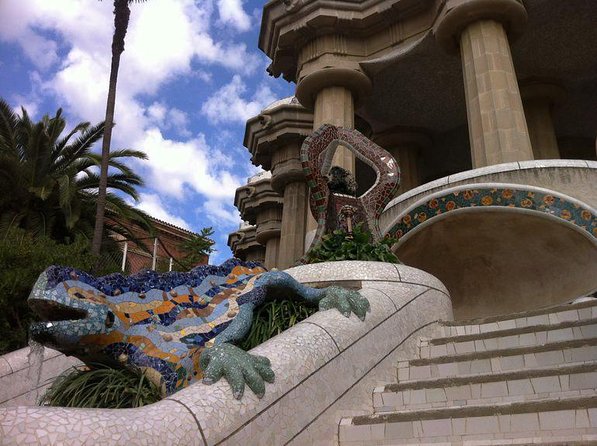
- Stops mix Gaudí exteriors with Catalan food culture, from pastries to vermouth
- You get a real sense of how locals snack and drink in different settings
- Finish near La Pedrera (Casa Milà), so you can tack on sightseeing afterward
Gràcia feels local fast: food, history, and conversation
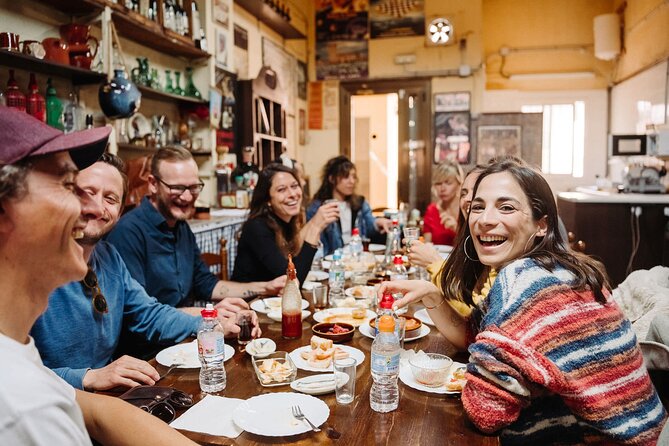
This tour is built for people who want Barcelona with less showroom energy. You start in Gràcia, a neighborhood that still feels like it runs on everyday rituals: pastries in the morning, markets for aperitivos, and small dining rooms where the menu is more custom than script.
What makes it work is the combination of food and walking history. You’re not just eating; you’re learning why these places exist and how the neighborhood identity shows up in what’s served. And because the group stays under 12, the guide can slow down when someone asks a question, instead of rushing everyone through.
In past groups, guides with names like Victoria, Danny, Raquel, Irene, Norah, and Ester have been praised for clear storytelling and for describing food in a way that makes you notice details. That matters. If you’re going to pay for tastings, you want to understand what you’re tasting and how Catalan culture shaped it.
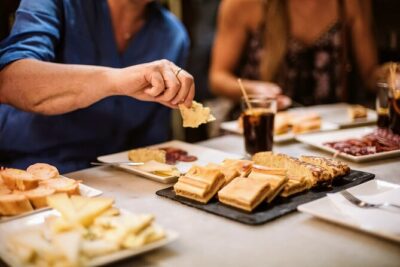
More Catalan plates and pours to try


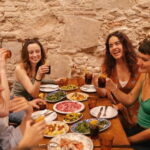
Price and value: $103.34 for a lot of eating time
At $103.34 per person for about 3 hours 30 minutes, the price lands in the “this had better be good” category. The good news is that the structure is designed around feeding you, not sprinkling in tiny bites.
You’re scheduled for 12+ tastings that are enough for breakfast & lunch, plus 3 drinks included. That kind of “you won’t need a second meal” value is the main reason tours like this feel worth it in Barcelona, where a meal can add up fast once you start paying for drinks and seating.
Also, note what’s not in the cost: admission tickets aren’t included for certain Gaudí sights (you admire them rather than go in). That keeps the focus on the food-and-neighborhood part of the day. If you want indoor museum time at places like Casa Vicens or La Pedrera, plan to buy those separately.
Route overview: from Casa Vicens to La Pedrera by way of everyday Gràcia
This is a walking tour, and it ends in a way that’s actually useful. You begin at Farmàcia Les Carolines (Carrer de les Carolines, 26, Gràcia) around 10:00 am, and you finish at La Pedrera – Casa Milà (Pg. de Gràcia, 92, L’Eixample), open in Google Maps in front of Casa Milà.
The route also gives you a Gaudí arc without demanding you commit to ticketed attractions. You’ll start with Casa Vicens (Gaudí’s early work) outside, then keep moving through Gràcia’s streets and squares. Later, you pass by the refined modernist side of Barcelona on Passeig de Gràcia, including the neighborhood’s high-end look.
For most people, the logistics are straightforward: the tour is near public transportation, it runs in English, and it’s considered suitable for most travelers. You should still wear comfy shoes and expect a moderate walking pace for most of the 3.5 hours.
Casa Vicens and the Gràcia morning: starting with real Gaudí context
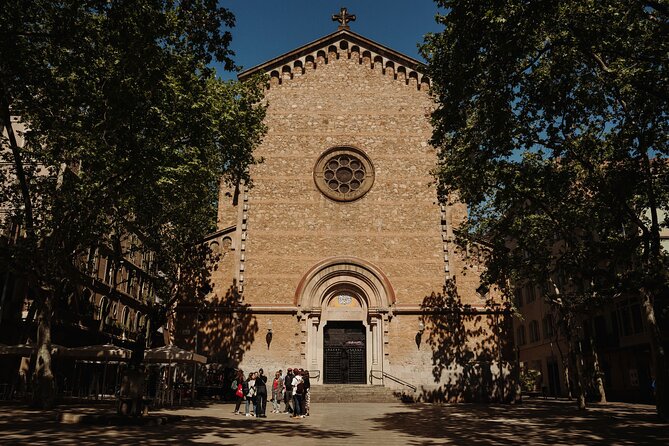
Your first stop is outside Casa Vicens, with the guide pointing out how it connects to Gaudí’s later career. Since admission isn’t included, you’re not paying extra for entry here. Instead, you get a quick, focused introduction that sets the tone: modernist Barcelona didn’t appear overnight, and Gràcia is tied into that story.
Then you shift into the neighborhood’s daily rhythm. You head to a Gràcia pastry shop run by a third-generation family business open since 1916. This is the kind of place where the food isn’t trying to be Instagram-friendly. It tastes like what locals have been buying for years.
If you like tours that help you orient yourself, this first stretch does the job. By the time you reach your first bodega-style stop, you’ve already learned that Gràcia’s identity shows up in architecture and in what people snack on before the day gets busy.
Cal Pep: vermouth, Catalan classics, and a bodega time machine
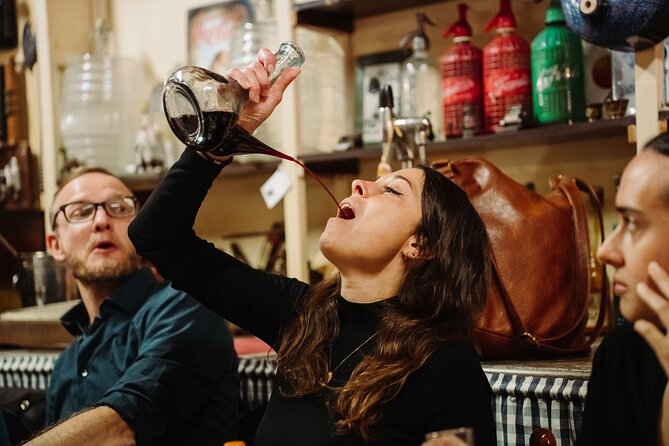
Stop four is Cal Pep, a traditional bodega that’s been a staple since 1939. This part of the tour leans hard into old-Barcelona atmosphere. You step in and you’re meant to feel like you’ve gone backward in time, and then you get to eat and drink like locals do.
The tasting here includes classic Catalan dishes (the description notes breakfast-style dishes) and a glass of vermouth. The guide also explains the unique way of drinking wine in Catalonia, which is exactly the kind of background that turns a drink from just a drink into a cultural clue.
Practical note: bodega stops can be tight and busy, so keep your pace steady. Also, this is one of those moments where you’ll appreciate having already had a pastry. It helps you enjoy the savory flavors rather than rushing to catch up.
Not quite right? Other Barcelona tours we have been out on
- Barcelona Tapas Walking Tour: Food, Wine & History★ 4.5 · 1,928 reviews
- Barcelona Gothic Quarter Tapas & Taverns Food & Wine Tour★ 5.0 · 1,470 reviews
- Barcelona Food Tour: Tapas, Paella, Sangria & 8+ Local Tastings★ 5.0 · 1,275 reviews
Placa de la Virreina and Mustafa’s Syrian pastries: the mix that makes Gràcia interesting
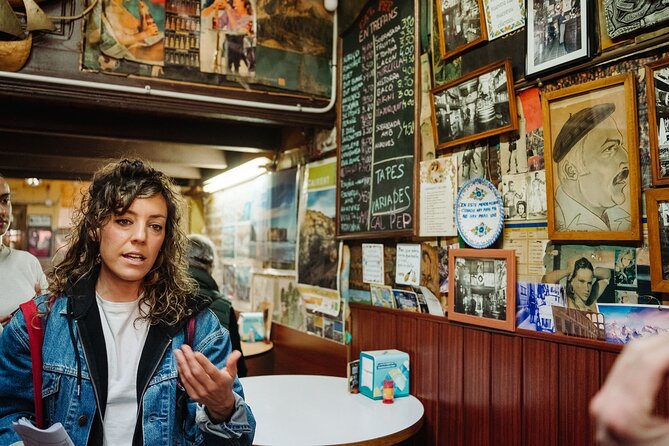
Next you’re at Placa de la Virreina, where you can take in the square and the Sant Joan de Gràcia church, which has ties to Gaudí himself. This is one of the tour’s smarter pacing choices: you get a small visual break, then you move right into a food stop that shows how cultures overlap in Spain.
The bakery stop centers on Mustafa’s Syrian pastry shop. The tour format includes picking up homemade pastries to-go, so you can keep eating as you move. You’ll also get a sweet moment later again, so this isn’t just a one-and-done stop.
Why I like this segment: it gives you more than a menu. The guide connects the desserts to Arab cultural influence in Spain, which helps you understand why certain flavors and textures show up across the region. If you tend to forget that Mediterranean food history is layered, this part makes it stick.
One small caution: because pastries are part of both the mid-tour and end-of-tour sweetness, you’ll want to pace yourself earlier. The tour is designed for plenty of food, but you still don’t want to feel like you’re eating against the clock.
The dried fruits snack and the modernist market aperitivo
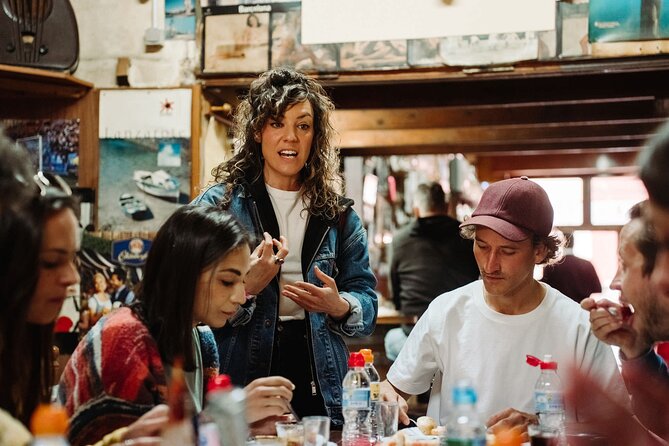
Between bigger meals, you get two “small but meaningful” stops.
First, there’s a quick snack at a 150-year-old dried fruits and nut shop. It’s the kind of pause that resets your hunger without turning into a full detour. These little items matter on a walking tour because they help keep the day comfortable.
Then comes Mercat de la Llibertat, where you’re surrounded by the colors, sounds, and aromas of a working market. This stop focuses on a classic Barcelona ritual: a typical aperitivo with a refreshing glass of cava.
What you learn here is how the same neighborhood can handle both casual market energy and more structured dining. One moment you’re sampling in a stall setting, the next you’re heading toward a place where the meal feels like a proper lunch.
Bar Roure lunch: typical Catalan tapas with wine or beer choice
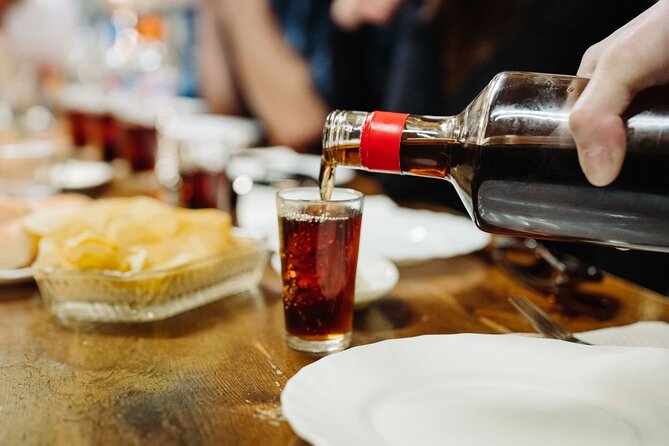
At Bar Roure, the tour shifts into its main meal mode with a homemade lunch. You’ll get a selection of typical Catalan tapas, with your choice of wine or beer included.
This is where the “value” really clicks for most people. You’re not just hopping between snacks; you’re getting a lunch-like set of tastes at a local address, which is harder to replicate on your own without insider knowledge.
If you’re the kind of traveler who likes to know what to order later, this lunch is also a practical training session. You’ll get a sense of what counts as “typical” in Catalan tapas culture, so future meals feel less like guessing.
Passing Passeig de Gràcia: modernist architecture without the ticket pressure
As you head toward the finish line, you pass Hotel Casa Fuster, a refurbished modernist mansion now functioning as a 5-star hotel, on Passeig de Gràcia. This is a short architectural breather—mostly about getting your eyes oriented to the bigger modernist context of Barcelona.
Then you reach the end area near Casa Milà (La Pedrera). The tour includes another quick viewing moment outside, plus a sweet treat again from Mustafa’s Syrian pastry shop. The guide explains the influence of Arab culture on Spanish desserts, tying this whole food story back to something larger than one neighborhood.
Because the tour ends at La Pedrera, you’re in a strong position to decide what to do next. If you planned to visit Casa Milà inside, you can stay near the sights and keep your day efficient.
Who this tour is best for (and where it may not fit)
This experience is a good match if you:
- Want local food culture with an expert guide and small-group pacing
- Like history that’s tied to daily life, not just monuments
- Enjoy walking tours and want a day that includes breakfast-to-lunch scale eating
It may not be the best fit if you:
- Are vegan. The tour notes it’s not recommended for vegans.
- Are vegetarian and need consistent meat-free replacements. The tour says most included dishes are meat-based and that you may not have a replacement option at every stop.
- Have trouble walking at a moderate pace for about 3.5 hours.
On accessibility: the tour provider says they can accommodate guests with mobility impairment or wheelchair users, as long as you contact their Guest Experience team. If that’s your situation, reach out early so they can plan correctly.
Diet note for food sensitivities: the tour indicates options for gluten free (not celiac), and it also mentions possible accommodations for pescatarians and pregnant women. Still, the key idea is that replacements are not guaranteed at every stop.
Should you book this Gràcia Food & History Tour?
If your ideal Barcelona day includes real neighborhood eating plus light Gaudí context, I think this is a strong choice. The big selling point is how much you get for the money: 12+ tastings, 3 drinks, and a lunch-scale meal, all inside a small group where the guide can keep things personal.
I’d book it especially if you want to feel like you understand Gràcia, not just pass through it. The route also finishes near La Pedrera, which helps you keep momentum on your itinerary.
If you’re vegan or you need meat-free options every single time, I’d pause and message the provider before buying. The tour’s own notes suggest that not every stop can swap in a replacement, and that matters on a food-heavy day.
FAQ
How long is the Barcelona Gràcia Local Food & History Tour?
The tour runs for about 3 hours 30 minutes.
What’s included in the tour price?
The tour includes a local English-speaking guide, the walking tour experience, 12+ food tastes, and 3 drinks. Admission tickets for certain sights are not included.
How many people are on the tour?
The group size is capped at 12 people or fewer, which helps keep the experience personal.
Are tickets to Casa Vicens or La Pedrera included?
No. Admission tickets are not included. You’ll admire Casa Vicens and Casa Milà (La Pedrera) from outside as part of the tour.
Is the tour offered in English?
Yes. The tour is conducted in English.
What dietary options does the tour offer?
The tour indicates it can accommodate Vegetarians, Pescatarians, gluten free (not celiac), non-alcoholic options, and pregnant women. But it also warns it may not have replacement food at every stop, and it is not recommended for vegans.
Is hotel pick-up or drop-off included?
No. Hotel pick-up/drop-off is not included.
Can I get a full refund if I cancel?
Yes. There is free cancellation, and you can cancel up to 24 hours in advance for a full refund.
If you want, tell me what you’re eating preferences are (meat/seafood/vegetarian/any allergies) and what time of year you’re going, and I’ll help you decide if this tour fits your style.
Plates and Pours Across Barcelona
- Montserrat & Cogwheel Train, Gourmet Wine Tasting & Tapas/Lunch
★ 5.0 · 6,290 reviews - Barcelona: Tablao Flamenco Cordobes with Food/Drink Options
★ 4.6 · 4,368 reviews - Barcelona: Tapas Walking Tour with Food, Wine, and History
★ 4.8 · 4,261 reviews - Barcelona: Food Walking Tour with Tapas and Wine
★ 4.9 · 2,180 reviews - Barcelona Tapas Walking Tour: Food, Wine & History
★ 4.5 · 1,928 reviews
More Ways to Tour Barcelona
- Barcelona: Casa Batlló Entry with Self-Audioguide Tour
★ 4.7 · 25,359 reviews - Barcelona: 24 or 48-Hour Hop-On Hop-Off Bus Tour
★ 4.4 · 20,872 reviews - Barcelona: Park Guell Guided Tour with Skip The Line Entry
★ 4.7 · 17,563 reviews - Barcelona: Sagrada Familia Skip-the-Line Entry Ticket & Tour
★ 4.8 · 12,789 reviews - Barcelona: FC Barcelona Museum “Barça Immersive Tour” Ticket
★ 4.4 · 10,944 reviews
More Barcelona Tours on Our Radar
- Barcelona: Sagrada Familia Entry Ticket with Audio Guide
★ 4.6 · 105,312 reviews - Barcelona: Park Güell Admission Ticket
★ 4.4 · 76,534 reviews - Barcelona: Casa Batlló Entry with Self-Audioguide Tour
★ 4.7 · 25,359 reviews - Barcelona: Montjuïc Cable Car Roundtrip Ticket
★ 4.5 · 22,368 reviews - Barcelona: Hola Barcelona Public Transport Travel Card
★ 4.5 · 20,985 reviews
Just Rated Around Barcelona




Food & Drink, compared.
 ★ 5.0Montserrat & Cogwheel Train, Gourmet Wine Tasting & Tapas/LunchFrom $816,290 reviews
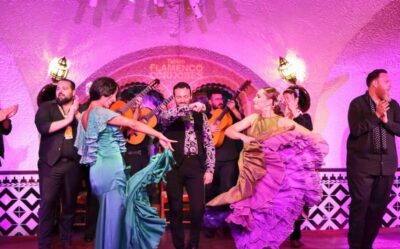 ★ 4.6Tablao Flamenco Cordobes with Food/Drink OptionsFrom $574,368 reviews
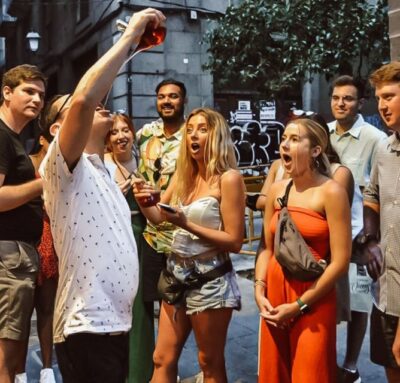 ★ 4.8Tapas Walking Tour with Food, Wine, and HistoryFrom $784,261 reviews
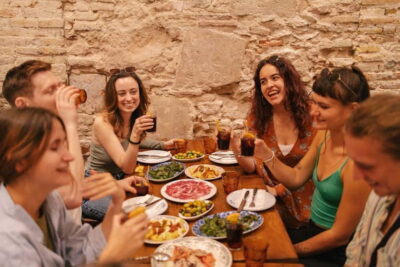 ★ 4.9Food Walking Tour with Tapas and WineFrom $1002,180 reviews
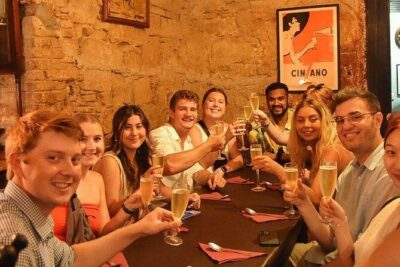 ★ 4.5Barcelona Tapas Walking Tour: Food, Wine & HistoryFrom $661,928 reviews
 ★ 5.0Barcelona Gothic Quarter Tapas & Taverns Food & Wine TourFrom $1311,470 reviews
 ★ 5.0Barcelona Food Tour: Tapas, Paella, Sangria & 8+ Local TastingsFrom $1171,275 reviews
 ★ 4.5Montserrat: Cog-Wheel, Basilica, Black Madonna & Licor TastingFrom $71886 reviews
Browse the lists this tour appears in