

Reviewed · TAPAS TOURS
Barcelona: Hidden Markets, Tapas & Paella Food Tour
Food first, history right behind it. This 3-hour walk turns Barcelona’s eating culture into a simple route through Mercado de Santa Caterina, El Born, and the seaside streets of Barceloneta, with tastings at 7 family-run spots and a finish that feels like a real meal. I love how the tour starts with market classics like olives, cheese, and jamón ibérico, and I love ending on seafood paella paired with local wine. One consideration: this is a walking tour at a moderate pace, and it’s not set up for wheelchairs, strollers, or slower mobility.
Small groups help a lot here. I’ve noticed a pattern in the guides named for this experience, like Alex, Jessica, Hector, Arianna, and Valentina, because they don’t just list food facts. They connect what you’re eating with what you’re seeing in the neighborhoods you walk through, which makes the whole route feel more personal and less like a checklist.
At $105 per person, it’s not a bargain lunch. But you are buying a concentrated Barcelona meal: 7 tasting stops, 12+ samples, 3 local drinks, and a paella sit-down. Come hungry, and you’ll get more value than if you tried to recreate it yourself on short notice.
In This Review
- Key takeaways before you go
- Mercado de Santa Caterina: the market start that sets your taste expectations
- El Born walking history: reading medieval streets with food in mind
- Brunells bakery stop: why the croissant moment matters
- Torrons i dolços La Campana: candy tasting with real Barcelona signals
- Bodega La Peninsular and the bomba: how to order the aperitif
- Can Ramonet paella and seafood: the big finish you actually remember
- Finishing at Mercat de la Barceloneta: where to go next without thinking
- Price and value: what $105 buys you in real Barcelona eating
- Who this tour suits best (and who should skip)
- Practical tips so you enjoy every stop
- Should you book this Barcelona food tour?
- FAQ
- How long is the Barcelona Hidden Markets, Tapas & Paella Food Tour?
- What’s included in the $105 per person price?
- Where do I meet the tour?
- Is the tour mostly walking?
- Can the tour accommodate dietary needs?
- What size is the group?
- Do you try paella on this tour?
Key takeaways before you go
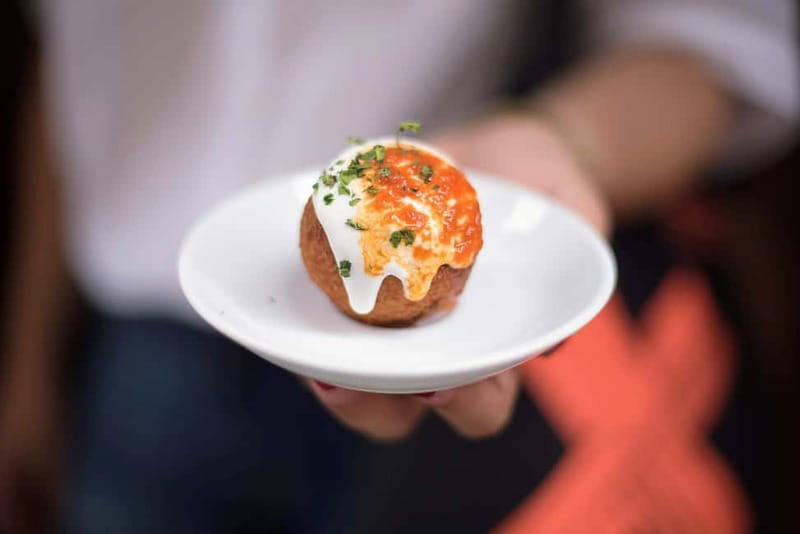
- Santa Caterina Market as the kickoff: family-run stalls and classic tastings that set your taste expectations
- Real neighborhood walking (El Born and Barceloneta): you get stories that make the streets easier to read
- A proper bakery stop: croissants get called out as a must-try
- Aperitif education with vermouth and bomba: you learn what to order, not just what to eat
- Paella at a historic eatery: seafood paella with seasonal ingredients, plus local wine
- Small group size (max 9): better pacing for tastings and questions
Mercado de Santa Caterina: the market start that sets your taste expectations
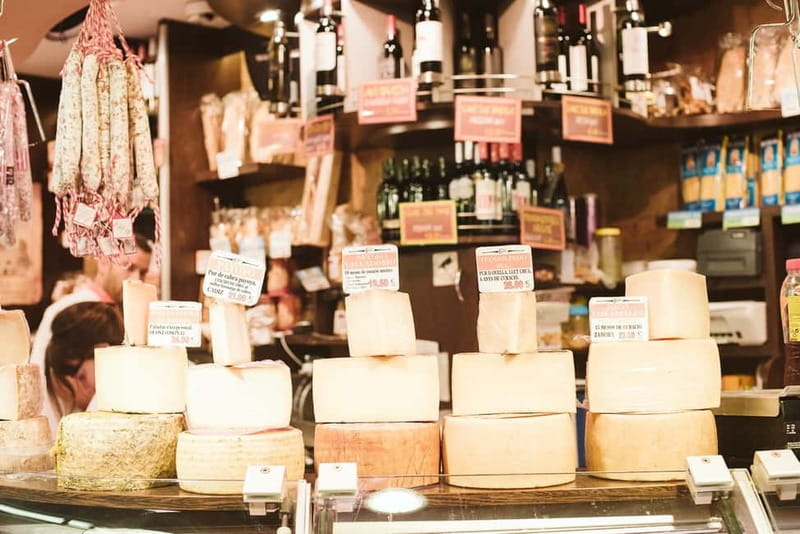
Your tour meets at the main entrance of Mercado de Santa Caterina on Av. de Francesc Cambó. Show up about 15 minutes early and look for your guide holding a red bag or a Devour Tours sign. The location matters because it’s one of Barcelona’s most beloved markets, so you’re not walking into a tourist-only food court. You’re stepping into a place locals treat like a daily habit.
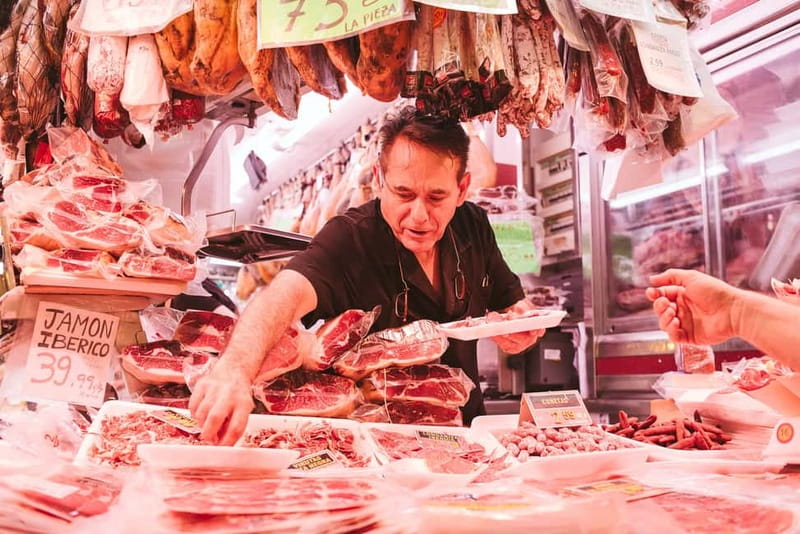
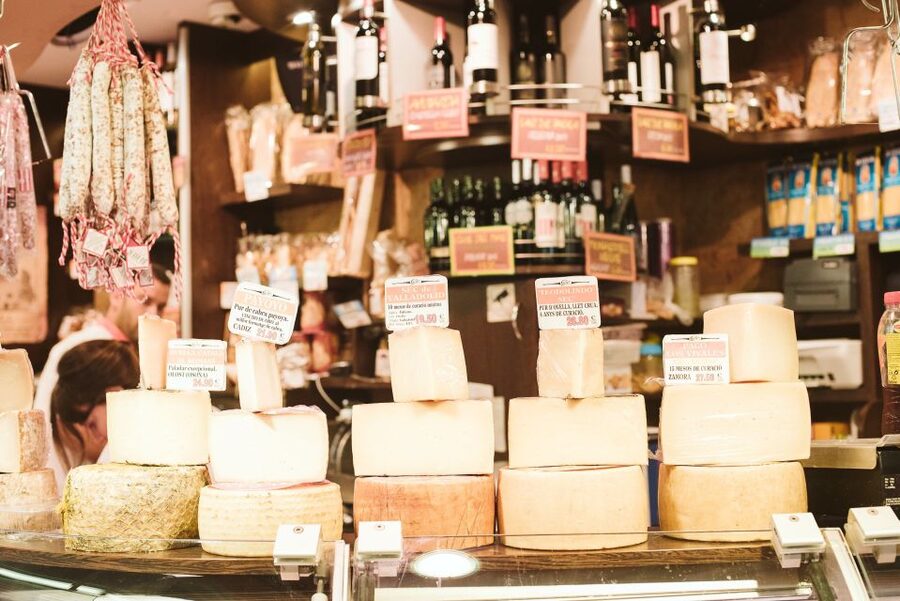
The tasting here is built around quality ingredients you’ll keep seeing across Barcelona cuisine. Expect samples like specialty olives, Spanish cheeses, and cured meats, including jamón ibérico. This is a smart way to start, because it tunes your palate before you move into bakeries, candy shops, and bodega tastings. It also helps you spot what makes Catalan food feel distinct: simple ingredients, handled well, and served with confidence.
Because the group is capped at nine people, you’re not stuck behind a line while everyone else moves on. You can ask why a stall does something a certain way or what to look for when you’re ordering later. And you’ll likely come away with a clearer sense of what to buy if you want to shop on your own after the tour.
One practical note: this is still a walk-and-taste format, not a slow sit-down meal. You’ll want comfortable shoes, and if you’re sensitive to crowds, go into it knowing you’ll be surrounded by busy market energy for parts of the route.
More tapas crawls worth the appetite


El Born walking history: reading medieval streets with food in mind
After the market, the tour shifts from eating to seeing. You walk through El Born, a neighborhood where the “new” (tapas bars and designer storefronts) sits right beside the older bones of the city. Your guide’s job is to help you connect the visible street-level details to the deeper story.
Here’s what I like about this part of the experience: it’s not history for history’s sake. It’s history that explains why certain food traditions make sense in these neighborhoods. When you understand how the area developed and how people gathered, the tastings land better. Even if you only catch pieces of the stories, you’ll start noticing architectural cues, the shape of the streets, and why certain kinds of shops keep surviving.
You’re also moving into a walking rhythm. Expect narrow streets and a moderate pace. Bring water. Take a breather when you need it, especially if you’re doing other things later in the day. It’s only three hours total, but it’s still an active route.
Brunells bakery stop: why the croissant moment matters
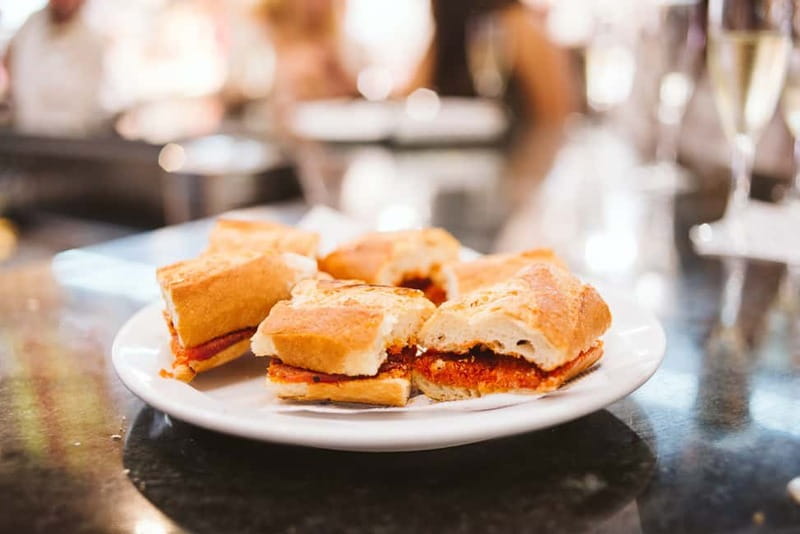
Next up is a classic bakery stop called Brunells. This is the portion of the tour that feels like stepping into old Barcelona through its baked goods. The tour frames it as more than a snack: it’s a portal into how the city’s food habits grew.
Croissants are a clear standout. In the feedback I’ve seen, people consistently call them out as some of the best you’ll find on this side of the Pyrenees. That matters because Barcelona is famous for lots of things, but the quality bakery traditions often take visitors by surprise. If you’ve only had standard croissants abroad, this is a good reset.
You’ll also get to see a specialty shop example that’s described as one of the last in existence, and you’ll try a selection of the bakery’s best-selling product. That mix of what you taste plus what you can learn from the shop itself is valuable. It’s the difference between eating sugar and understanding why locals keep coming back to the same places.
Tip for you: don’t overthink it. Taste it, compare it in your head to what you usually order, and then keep your expectations realistic for the rest of the tour. The bakery stop can be a highlight, but it also sets you up for candy and aperitif tastings where sweetness and saltiness shift.
Torrons i dolços La Campana: candy tasting with real Barcelona signals
After the bakery, you head to Torrons i dolços La Campana, which is exactly what it sounds like: a shop centered on torrons (nougat-style sweets) and other local candy traditions. The tour’s tasting here is short, so you’ll likely try a selection rather than a full platter.
This stop is valuable because it gives you a cultural anchor. In Barcelona, sweets aren’t just dessert. They show up in seasonal traditions and everyday gifting. If you want to bring something home that feels like it belongs in Catalonia rather than generic chocolate, this kind of stop helps you learn what locals treat as normal.
The time at this stop is about 15 minutes, so go with a small, focused approach. Taste what’s offered. Ask what’s most popular. Then move on. If you try to “tour the shop” like you’re shopping for an hour, you’ll probably feel rushed by the tour pace.
Bodega La Peninsular and the bomba: how to order the aperitif
Now the tour shifts to aperitif territory at Bodega La Peninsular. This is where the experience starts teaching you how Barcelona people eat and drink in a very specific rhythm: before dinner, with vermouth and small plates.
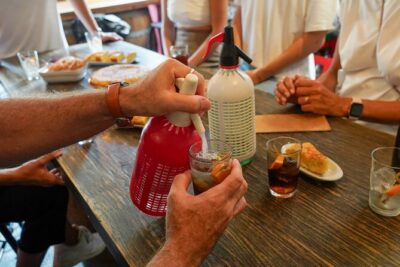
You’ll be served a glass of vermouth, and you’ll taste a tapa called bomba. The tour frames Barceloneta as the birthplace of this tapa, which helps you understand why it shows up here in a way it might not elsewhere.
One practical thing: aperitif stops are quick by nature. They are meant to be social, but the places have their own serving schedules. In the experience I’m summarizing, at least one person found the bomba stop felt rushed, with the restaurant preparing to open to the public. That doesn’t mean the tasting isn’t good, just that you should go in knowing you may not get a slow, leisurely sit with your vermouth. If you want to savor it, take a moment early in the tasting to focus on the flavor first, then listen to the guide’s context.
What you’ll leave with is more than a snack. You’ll learn what an aperitif order looks like in practice, which is useful when you’re back on your own. Instead of guessing between menu pictures, you’ll have a reference point from the tour.
Other kitchens where you'll cook the paella
- Barcelona: Paella Cooking Experience & Boqueria Market Tour★ 4.8 · 3,661 reviews
- Barcelona Paella Cooking Class with Market Visit, Tapas & Sangria★ 5.0 · 2,531 reviews
- Barcelona Food Tour: Tapas, Paella, Sangria & 8+ Local Tastings★ 5.0 · 1,275 reviews
Can Ramonet paella and seafood: the big finish you actually remember
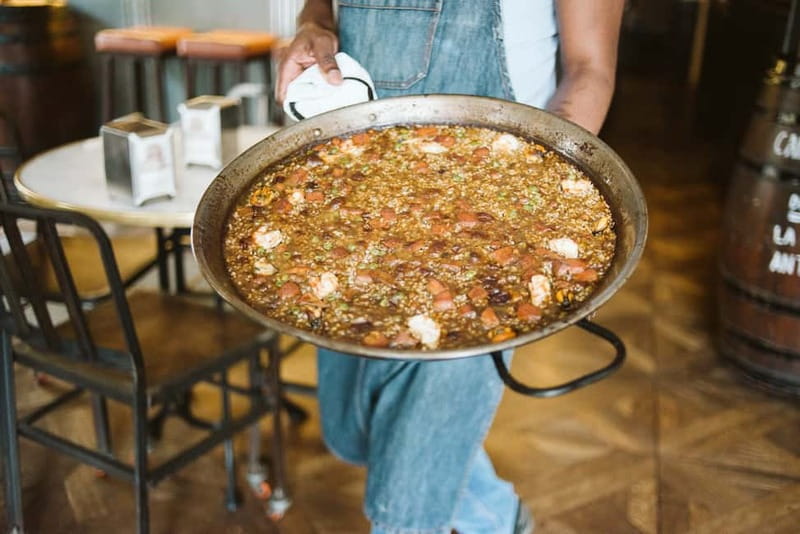
The final food stop is at Restaurante Can Ramonet | Paella y Marisco en la Barceloneta. This is the part most people treat like the grand finale, and for good reason.
First, the setting: the tour describes it as a historic eatery, formerly an 18th-century winery, tucked into the fishermen’s district. Second, it’s a place serving locals since the 1950s, which gives it a steady reputation rather than a short-lived trend.
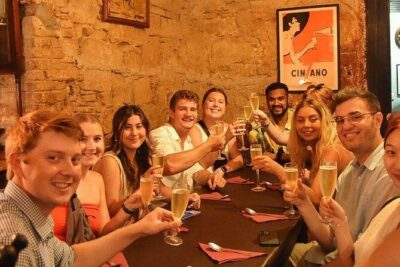
Then comes the meal: seafood paella with seasonal ingredients. You’ll also pair it with a local wine. This is where the earlier tastings pay off. If you’ve tried salty cured meats, cheese, and aperitif bites already, the paella tastes like a full circle: richer, warmer, and more filling.
The time here is about 50 minutes, which is long enough to actually enjoy the meal. You’re not being fed in two bites and shoved out the door, which is a big deal when you’ve been walking for the previous parts of the tour.
If you’re a paella fan, this stop is your “yes, that’s why people come” moment. If you’re not sure about paella, this is still a strong choice because you’ll be eating it with seafood focus and seasonal ingredients, plus local wine pairing.
Finishing at Mercat de la Barceloneta: where to go next without thinking
The tour finishes at Mercat de la Barceloneta. That matters because it puts you back in the seaside food district you’ve just learned about. Instead of ending in a random square far from everything, you end near where your curiosity will naturally go next.
After you finish, you can keep exploring on your own at a comfortable pace. If you’re in the mood for more snacks, look for places that match the kind of ordering rhythm you learned earlier in the tour. If you’re not in a snack mood, just enjoy the area with your new context: you’ll recognize the kind of bodega behavior, the aperitif mindset, and the way seafood culture shapes menus here.
Price and value: what $105 buys you in real Barcelona eating
Let’s talk money, because $105 can feel like a lot until you break it down.
You get:
- 7 tasting stops
- 12+ samples
- 3 different local drinks
- A final seafood paella meal with wine
- A small group of max 9
- An English-speaking guide for the full 3-hour route
That’s not just “samples.” It’s enough food that the tour covers breakfast and lunch. When a food tour includes a market start, multiple tastings, and a paella sit-down, the value usually comes from not having to plan, queue, or piece together a route yourself.
You’re also buying guidance. Barcelona is easy to like and easy to mis-order. The best part of this tour is that you’re not only eating; you’re learning how to navigate the local logic of ordering and timing. With guides like Hector and Arianna often highlighted for connecting food with the neighborhoods, you get a clearer picture of what to seek when you come back later.
If you’re the kind of traveler who hates wasting time on guessing what’s good, this price can feel fair fast.
Who this tour suits best (and who should skip)
This experience fits best if you:
- Want a food-first walking tour that also gives you neighborhood context
- Like markets and family-run counter spots, not just restaurants
- Enjoy tasting across categories: market staples, bakery classics, candy, vermouth aperitif, and paella
- Appreciate a small group so you can ask questions and keep moving at a human pace
It’s also adaptable in some useful ways. The tour can accommodate vegetarians, pescatarians, gluten free (not celiac), non-alcoholic options, and pregnant women. That’s a strong list for people who need changes, because it means you’re not stuck with only one sad option.
But skip it if:
- You need accessibility for mobility impairments, wheelchairs, or strollers. The tour is not suitable for that.
- You have gluten intolerance. The info is clear that gluten intolerance isn’t recommended.
- You’re vegan. The tour is not recommended for vegans.
If you’re in one of the flexible categories, tell your operator in advance so the guide can plan around what’s possible at each stop. Because the tour includes multiple small tastings, replacement options may not exist at every stop.
Practical tips so you enjoy every stop
A few small things will help you get the most out of this route:
- Wear comfortable shoes. You’ll be on foot through El Born and toward Barceloneta.
- Bring water. Tastings plus walking can add up faster than you think.
- Arrive about 15 minutes early at Mercado de Santa Caterina, and be ready to start on time.
- Don’t show up after a heavy meal. The tour covers breakfast and lunch, and you’ll taste more if you can actually taste.
- If you need dietary adaptations, say it clearly ahead of time. The tour can adapt, but not every stop has a guaranteed replacement.
Also, keep your expectation realistic: a few tastings are quick. That’s the nature of bodega and market stops. Your goal is to taste, learn, and enjoy the flow, not to linger like you’re alone at a café.
Should you book this Barcelona food tour?
I think you should book it if you want a high-return day: market-to-paella in three hours, with a small group and a guide who ties food to neighborhood context. The Santa Caterina start and the Can Ramonet paella finish are the two bookends that make this feel like more than snacks on the street.
I’d skip it if you need accessibility support, you’re vegan, or gluten intolerance is part of your dietary needs. In those cases, you might get frustrated by limited replacements.
For most visitors, this is a strong way to eat like you belong in Barcelona, even if you’re only there for a short stay. Show up hungry, wear good shoes, and let the guide steer you toward the kind of orders and flavors that make the city click.
FAQ
How long is the Barcelona Hidden Markets, Tapas & Paella Food Tour?
The tour lasts 3 hours.
What’s included in the $105 per person price?
You get a local English-speaking guide, 7 tasting stops, 12+ samples, and 3 different local drinks, plus a Barcelona food guide.
Where do I meet the tour?
Meet at Mercado de Santa Caterina, Av. de Francesc Cambó, 16, 08003 Barcelona, in front of the main entrance. Arrive 15 minutes early. Your guide will be holding a red bag or a Devour Tours sign.
Is the tour mostly walking?
Yes. It’s a walking tour at a moderate pace. You should wear comfortable shoes and be able to walk without difficulty.
Can the tour accommodate dietary needs?
It’s adaptable for vegetarians, pescatarians, gluten free (not celiac), non-alcoholic options, and pregnant women. It is not recommended for vegans, and it’s not suitable for people with gluten intolerance.
What size is the group?
The group is small, limited to a maximum of 9 participants.
Do you try paella on this tour?
Yes. The final meal at Can Ramonet includes paella, and it’s paired with local wine.
More Barcelona Tours on Our Radar
- Barcelona: Sagrada Familia Entry Ticket with Audio Guide
★ 4.6 · 105,312 reviews - Barcelona: Park Güell Admission Ticket
★ 4.4 · 76,534 reviews - Barcelona: Casa Batlló Entry with Self-Audioguide Tour
★ 4.7 · 25,359 reviews - Barcelona: Montjuïc Cable Car Roundtrip Ticket
★ 4.5 · 22,368 reviews - Barcelona: Hola Barcelona Public Transport Travel Card
★ 4.5 · 20,985 reviews
Back in the Paella Kitchen
- Barcelona: Paella Cooking Experience & Boqueria Market Tour
★ 4.8 · 3,661 reviews - Barcelona Paella Cooking Class with Market Visit, Tapas & Sangria
★ 5.0 · 2,531 reviews - Barcelona Food Tour: Tapas, Paella, Sangria & 8+ Local Tastings
★ 5.0 · 1,275 reviews - Girona & Costa Brava Small Group Tour From Barcelona with Paella!
★ 4.5 · 1,098 reviews - Paella Experience and Bottomless Wine in Barcelona
★ 5.0 · 1,037 reviews
One More Tapas Crawl
- Montserrat Half-Day Tour with Tapas and Gourmet Wines
★ 5.0 · 7,359 reviews - Montserrat & Cogwheel Train, Gourmet Wine Tasting & Tapas/Lunch
★ 5.0 · 6,290 reviews - Barcelona Tapas and Wine Experience Small-Group Walking Tour
★ 5.0 · 5,804 reviews - Montserrat with Black Madonna & Medieval Winery with Tapas/Lunch
★ 5.0 · 5,209 reviews - Barcelona: Tapas Walking Tour with Food, Wine, and History
★ 4.8 · 4,261 reviews
Just Rated Around Barcelona




Tapas Tours, compared.
 ★ 5.0Montserrat Half-Day Tour with Tapas and Gourmet WinesFrom $557,359 reviews
 ★ 5.0Montserrat & Cogwheel Train, Gourmet Wine Tasting & Tapas/LunchFrom $816,290 reviews
 ★ 5.0Barcelona Tapas and Wine Experience Small-Group Walking TourFrom $835,804 reviews
 ★ 5.0Montserrat with Black Madonna & Medieval Winery with Tapas/LunchFrom $655,209 reviews
 ★ 4.8Tapas Walking Tour with Food, Wine, and HistoryFrom $784,261 reviews
 ★ 5.0Barcelona Paella Cooking Class with Market Visit, Tapas & SangriaFrom $1142,531 reviews
 ★ 4.9Food Walking Tour with Tapas and WineFrom $1002,180 reviews
 ★ 4.5Barcelona Tapas Walking Tour: Food, Wine & HistoryFrom $661,928 reviews
Browse the lists this tour appears in