
Reviewed · FOOD & DRINK
Barcelona Historic Walking Tour and Food Experience
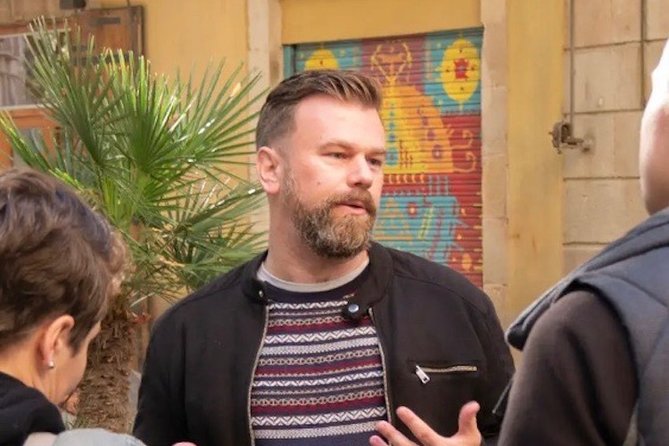
The old streets around the Gothic Quarter tell a story fast. This Barcelona Historic Walking Tour blends Gothic Quarter and El Born sights with included drinks and snacks, and it’s led by Christian, who was prompt and had a great on-the-ground way of explaining things. One possible drawback: it’s a mostly on-foot experience, with about 90 minutes of walking, so plan comfy shoes if your legs tire easily.
I like that the pacing isn’t about rushing from photo spot to photo spot. You move through squares and narrow lanes where buses can’t really go, and you’ll connect medieval Barcelona to the independence movement in a way that feels relevant, not academic. The route also ends in the Gothic Quarter near La Rambla, so you’re not stuck far from the main hangout zone afterward.
In This Review
- Key points to know
- A 3.5-Hour Walk That Beats the Bus Tour
- Meeting at Carrer del Comerç, Ending Near La Rambla
- Gothic Quarter to El Born: Why This Route Feels Local
- Independence Ties: How Barcelona’s Past Hits the Present
- Learning What El Born Means (and Why Names Matter)
- Plaça de Sant Just: The Oldest Christian Church Square
- Plaça de Sant Jaume: The Roman Heart of Barcelona
- Churches, Palaces, and Backstreets on Foot
- Included Tastings and Drinks That Replace Lunch
- How the Guide Changes the Experience (Christian’s Style)
- Price and Value: Is $167.01 Worth It?
- When You’ll Love This Tour (and When to Skip It)
- Should You Book the Barcelona Historic Walking Tour?
- FAQ
- How much does the Barcelona Historic Walking Tour cost?
- How long is the tour?
- Where does the tour start and end?
- Is food and drink included?
- What group size should I expect?
- How much walking is involved?
- Can I cancel for free?
Key points to know
- Small group size (max 15) keeps the tour feeling personal and easier to follow.
- Drinks and snacks included, so you’re not hunting for lunch between monuments.
- Gothic Quarter plus El Born gives you two layers of Barcelona in one go.
- Christian’s style is energetic and practical, with a focus on meaning, not just dates.
- Two free stops include Plaça de Sant Just and Plaça de Sant Jaume, both with admission marked free.
A 3.5-Hour Walk That Beats the Bus Tour
If you only do the classic big-bus loop, you miss what makes this part of Barcelona click. This tour is built around walking routes that fit the city’s tight medieval grid, so you can actually reach lanes and corners that feel made for feet, not wheels.
The timing is also smart. At about 3 hours 30 minutes, you get enough time for multiple stops and food tastings without burning an entire day. And since you’re walking but not sprinting, it’s a good choice when your day starts a little late or you want something focused after travel.
More Barcelona streets to take slowly



Meeting at Carrer del Comerç, Ending Near La Rambla
The experience starts at ALDICarrer del Comerç, 60, Ciutat Vella, 08003 Barcelona. You’ll finish at Carrer de Petritxol, Ciutat Vella, 08002 Barcelona, in the Gothic Quarter area not far from La Rambla.
That end point matters more than it sounds. When tours end out in the suburbs, you spend your last hour thinking about transportation. Here, you’re dropped near an area with plenty of easy options for a light dinner, a stroll, or just catching your bearings.
Also, the tour uses a mobile ticket, and you’ll receive confirmation when you book. That means less time figuring out paper vouchers and more time planning how you’ll use the rest of your day.
Gothic Quarter to El Born: Why This Route Feels Local
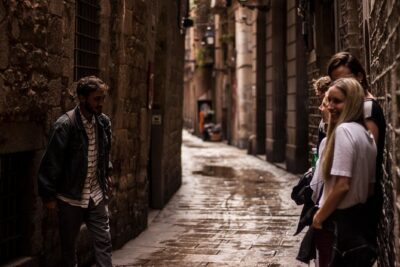
You’ll cover El Born and the surrounding historic zones of the Gothic Quarter, walking through squares and narrow backstreets. The “why” is simple: these areas are where you can feel Barcelona’s layered identity, from medieval structures to modern cultural movements.
The tour’s shape is helpful. Instead of treating the city like a checklist, you move through connected themes. You’ll learn what certain names mean (like El Born), then shift into what the architecture and church placement says about who had power and money.
This is also where the small group advantage shows up. With a maximum of 15 people, you’re not stuck listening from the back while everyone else crowds the guide’s storytelling space. It’s easier to ask follow-up questions and keep the flow going, especially during the food stops.
Independence Ties: How Barcelona’s Past Hits the Present
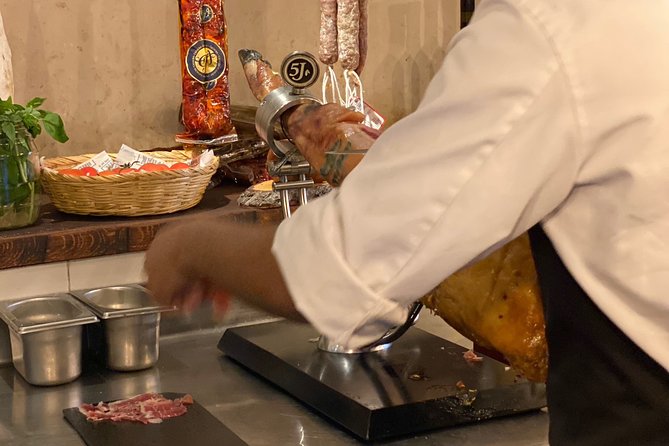
One of the first themes you’ll hear about is how historical events connect to the current independence movement. This isn’t just a “politics lecture” parked in one spot. The tour uses the streets and landmarks around you as anchors, so the idea lands through context.
I like that approach because it keeps the story grounded. You’re not memorizing slogans; you’re seeing how identity gets built over time. In a neighborhood like this, the past isn’t sealed behind museum glass. It’s woven into the built environment and the way people talk about place.
If you’re the type who wants a travel experience with real meaning, this angle is a strong match. Even if politics isn’t your usual focus, the walking context makes it easier to follow.
Learning What El Born Means (and Why Names Matter)
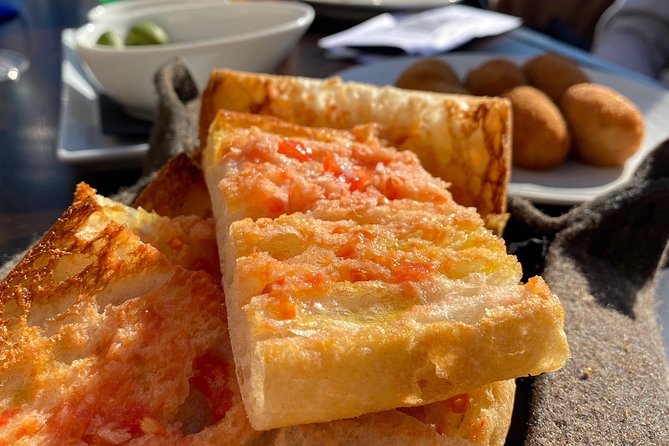
At one point, you’ll stop at a square where you’ll discover what the name El Born means. That kind of detail sounds small until you notice how often Barcelona uses names like shortcuts into history.
When you understand what a district’s name hints at, you start reading the streets differently. You’re not just seeing buildings; you’re seeing a vocabulary of the city. That makes the walking sections more rewarding, because you’ll know what to pay attention to as you pass churches, palaces, and side streets.
It’s also an easy win for first-timers. If your Barcelona day is still a little foggy, a name explanation early in the route helps your brain map the area faster.
More Catalan plates and pours to try
- Barcelona: Tablao Flamenco Cordobes with Food/Drink Options★ 4.6 · 4,368 reviews
- Barcelona: Tapas Walking Tour with Food, Wine, and History★ 4.8 · 4,261 reviews
- Barcelona: Food Walking Tour with Tapas and Wine★ 4.9 · 2,180 reviews
Plaça de Sant Just: The Oldest Christian Church Square
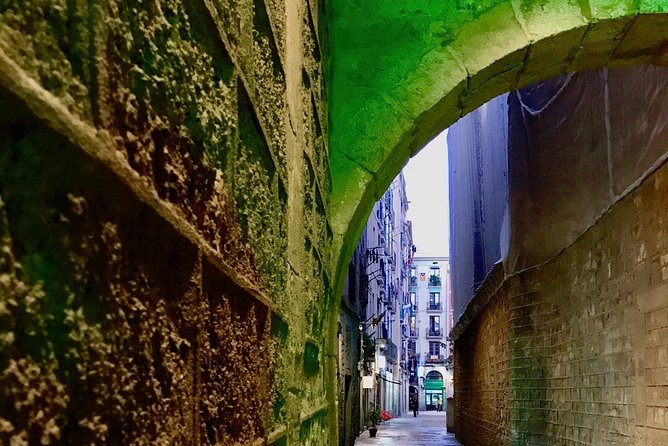
One of the featured stops is Plaça de Sant Just, a historic square where you’ll see the oldest Christian church noted for this area. The stop is marked free, so you don’t have to plan around paid entry here.
This kind of stop works well on foot because it’s a pause point. You get a breath, you reset your direction, and the guide can connect what you’re seeing in the square to how Barcelona’s religious and community life evolved.
Practical note: squares can feel windy or sunny depending on the time of day. If you tend to get cold or overheat, bring something light so you’re comfortable during the short stand-and-listen moments.
Plaça de Sant Jaume: The Roman Heart of Barcelona
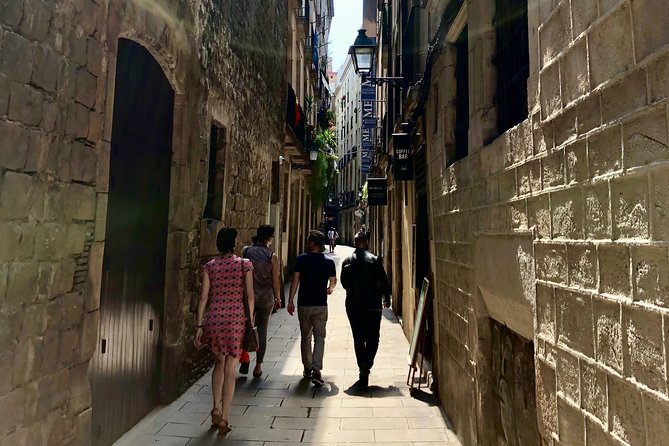
Next comes Plaça de Sant Jaume, where you’ll meet and learn about the area as the Roman heart of Barcelona. This one is also marked admission free, so it’s another pay-zero stop that still feels like it moves the story forward.
Roman-era context in a Gothic Quarter walk is especially helpful. Barcelona isn’t just medieval streets; there are older layers beneath. When the guide points out this Roman connection, the city starts to feel like one long timeline instead of separate “periods” you have to imagine.
And because you’re walking between squares, the transitions don’t feel abrupt. The history builds as you go, rather than all piling up at once.
Churches, Palaces, and Backstreets on Foot
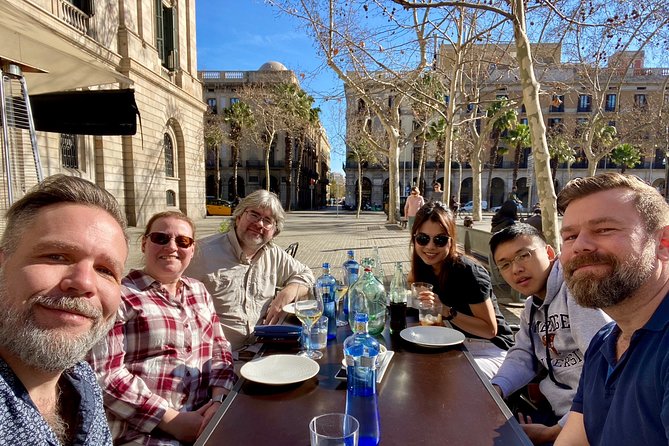
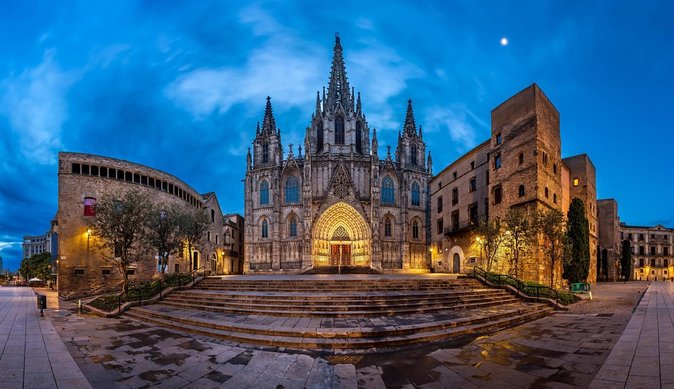
After the square stops, you’ll keep moving through the lanes where medieval Barcelona becomes visible in layers. You’ll learn about medieval history, and you’ll see palaces and churches that fit the stories the guide is telling.
One key moment focuses on an impressive church financed by the rich people of the neighbourhood. That detail is a reminder that buildings weren’t only spiritual projects; they were also community power statements. When money funds a church like that, it often reflects social structure and influence, not just faith.
The walking sections through the narrow backstreets are where this tour earns its keep. These are the moments you can’t easily recreate on your own quickly, because the guide is pointing out what to notice and how each turn fits into the bigger narrative.
The total walking time is about 90 minutes, but it’s spread out with stops and food. So it feels like a day’s outing, not a forced hike.
Included Tastings and Drinks That Replace Lunch
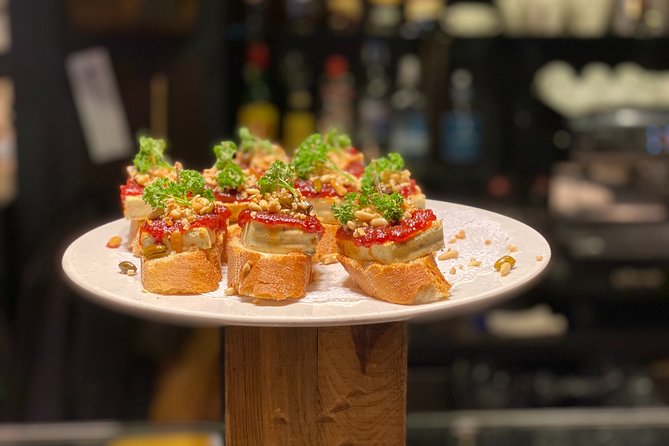
Here’s one of the biggest reasons I think this is good value: drinks and snacks are included, and they’re built into the route so you don’t have to stop and pay for meals on your own.
You’ll also get tastings of different types of food, and the amount is described as generous. In one example, the food and drinks were more than enough to handle lunch, which is perfect if your hotel room isn’t ready and you want to stay awake through the day after a flight.
This is a real practical benefit. In older cities, one of the hardest parts of a walking day is timing meals. You either waste time searching for places or you eat something rushed and expensive. Built-in tastings solve that.
Also, because it’s a guided group setting, the food stops don’t feel random. The guide’s job isn’t only sightseeing; it’s keeping the pacing and giving meaning to what you taste and where you pause.
How the Guide Changes the Experience (Christian’s Style)
One review highlight was Christian: prompt start, clear explanations, and a friendly personality that kept the group relaxed. That matters because tours like this can become either a list of facts or a story you can follow.
Christian also shared a clear passion for the old town and for the restaurants used for tastings. When a guide cares about the places beyond the monuments, you get better context, and the food stops feel intentional rather than tacked on.
If you’re trying to decide between multiple walking options, I’d treat the guide fit as a big part of the value equation. This tour’s content depends on the ability to connect history, streets, and daily life.
Price and Value: Is $167.01 Worth It?
At $167.01 per person, this isn’t the cheapest walk in Barcelona. But the price has real components baked in: a 3.5-hour guided route, a small group cap, and included drinks and snacks.
In other words, you’re paying for guidance plus meal support. If you’ve ever planned a self-guided day of Gothic Quarter wandering, you know how quickly costs creep up once you add drinks, tapas, and the time to find places that actually work with your schedule. Here, you get tastings without having to manage every stop yourself.
The value gets even better if you’re eating late or worried about jet lag. One example described a midday start that helped them stay awake, with the tour ending around 4pm, making dinner easy later. You don’t always get that kind of built-in rhythm on paid city walks.
When You’ll Love This Tour (and When to Skip It)
You’ll likely enjoy this experience if you want:
- A walk that connects medieval Barcelona to the bigger ideas shaping the city now
- Food stops with included drinks and snacks, not just a couple of quick bites
- A route that’s compact enough for a half-day plan but packed enough to feel satisfying
You might want to skip or at least think twice if:
- You don’t like walking at all, since you’ll cover about 90 minutes on foot
- You prefer quiet, sit-down museum time over street-level context (this is very much a walk-and-talk style)
A helpful tip: wear shoes you’d happily stand in for a while. The squares and lanes mean you’ll be upright and moving, even though it’s not an all-day trek.
Should You Book the Barcelona Historic Walking Tour?
I’d book it if you want a single, efficient way to understand why the Gothic Quarter and El Born feel like two sides of the same story. The combo of history tied to the present plus included tastings is what makes this tour feel practical, not just scenic.
It’s also a smart pick for first-time orientation. You’ll learn key place-name meaning, Roman-to-Christian layering at major squares, and how church wealth ties to neighborhood power. And if you get a small group on your date, it can feel close to private.
FAQ
How much does the Barcelona Historic Walking Tour cost?
The price is $167.01 per person.
How long is the tour?
It lasts about 3 hours 30 minutes.
Where does the tour start and end?
It starts at ALDICarrer del Comerç, 60, Ciutat Vella, 08003 Barcelona, Spain, and ends at Carrer de Petritxol, Ciutat Vella, 08002 Barcelona, near the Gothic Quarter.
Is food and drink included?
Yes. Drinks and snacks are included, and the experience includes tastings as part of the tour.
What group size should I expect?
The tour has a maximum of 15 travelers.
How much walking is involved?
You should be able to walk for about 90 minutes.
Can I cancel for free?
Yes. Free cancellation is available up to 24 hours in advance of the experience start time for a full refund.
More of Barcelona on Foot
- Barcelona Tapas and Wine Experience Small-Group Walking Tour
★ 5.0 · 5,804 reviews - Barcelona: Tapas Walking Tour with Food, Wine, and History
★ 4.8 · 4,261 reviews - Barcelona: Food Walking Tour with Tapas and Wine
★ 4.9 · 2,180 reviews - Barcelona Tapas Walking Tour: Food, Wine & History
★ 4.5 · 1,928 reviews - Barcelona Helicopter, Sailboat & Old Town Private Walking Tour
★ 5.0 · 1,395 reviews
More Ways to Tour Barcelona
- Barcelona: Casa Batlló Entry with Self-Audioguide Tour
★ 4.7 · 25,359 reviews - Barcelona: 24 or 48-Hour Hop-On Hop-Off Bus Tour
★ 4.4 · 20,872 reviews - Barcelona: Park Guell Guided Tour with Skip The Line Entry
★ 4.7 · 17,563 reviews - Barcelona: Sagrada Familia Skip-the-Line Entry Ticket & Tour
★ 4.8 · 12,789 reviews - Barcelona: FC Barcelona Museum “Barça Immersive Tour” Ticket
★ 4.4 · 10,944 reviews
More Barcelona Tours on Our Radar
- Barcelona: Sagrada Familia Entry Ticket with Audio Guide
★ 4.6 · 105,312 reviews - Barcelona: Park Güell Admission Ticket
★ 4.4 · 76,534 reviews - Barcelona: Casa Batlló Entry with Self-Audioguide Tour
★ 4.7 · 25,359 reviews - Barcelona: Montjuïc Cable Car Roundtrip Ticket
★ 4.5 · 22,368 reviews - Barcelona: Hola Barcelona Public Transport Travel Card
★ 4.5 · 20,985 reviews
Just Rated Around Barcelona




Food & Drink, compared.
 ★ 5.0Montserrat & Cogwheel Train, Gourmet Wine Tasting & Tapas/LunchFrom $816,290 reviews
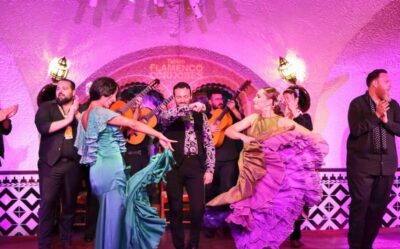 ★ 4.6Tablao Flamenco Cordobes with Food/Drink OptionsFrom $574,368 reviews
 ★ 4.8Tapas Walking Tour with Food, Wine, and HistoryFrom $784,261 reviews
 ★ 4.9Food Walking Tour with Tapas and WineFrom $1002,180 reviews
 ★ 4.5Barcelona Tapas Walking Tour: Food, Wine & HistoryFrom $661,928 reviews
 ★ 5.0Barcelona Gothic Quarter Tapas & Taverns Food & Wine TourFrom $1311,470 reviews
 ★ 5.0Barcelona Food Tour: Tapas, Paella, Sangria & 8+ Local TastingsFrom $1171,275 reviews
 ★ 4.5Montserrat: Cog-Wheel, Basilica, Black Madonna & Licor TastingFrom $71886 reviews
Browse the lists this tour appears in