
Reviewed · TOURS
Barcelona Markets Tour
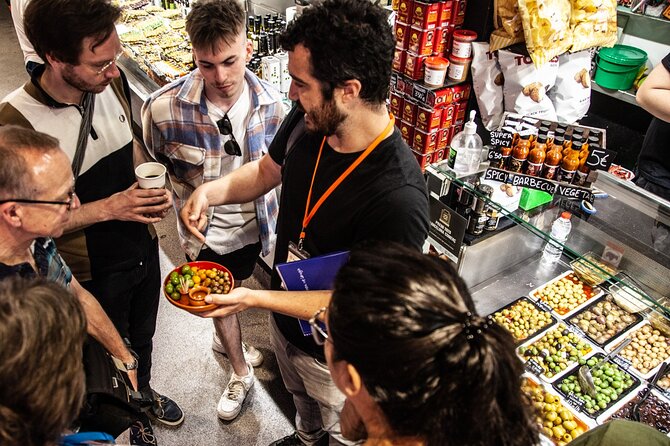
Food smells hit you fast. This short Barcelona markets tour blends market culture with real neighborhood history, from La Boquería to El Born. You also get major sight stops, like the area around Barcelona Cathedral and Santa Maria del Mar, without turning it into a slow church-and-museum day.
I especially like the way the guide uses the stalls as teaching tools, including fun food stories. You’ll get tastings like Catalan olives and nougat early on, and the optional upgrade can add a more serious spread with wine and cheese. Guides such as Zeynep and Alberto are often praised for mixing architecture, food, and humor so the walk stays lively.
One consideration: it’s only 2 hours, so you may feel the urge to linger in La Boquería longer than the scheduled time.
In This Review
- Key things I’d pay attention to
- Starting at Dunkin’ Donuts: your easy meeting-point win
- La Boquería: olives, nougat, and how stall culture works
- La Rambla: where the market energy spills onto the promenade
- Santa Caterina Market: a first covered market with visible layers
- The caganer stop: one strange Catalan tradition, explained
- Barcelona Cathedral and Santa Maria del Mar: why the churches slow you down
- El Born Market: olive oil tasting and medieval remains inside the site
- Optional upgrade: cured meats, premium cheeses, and wine with a sommelier
- Price and walking logistics: where the $34 value really comes from
- Who should book this markets walk
- Should you book the Barcelona Markets Tour?
- FAQ
- Where does the Barcelona Markets Tour meet?
- How long is the tour?
- What language is the tour in?
- Is the tour wheelchair accessible?
- What tastings are included in the price?
- Do we get time to buy food in the markets?
- Which market and sights does the tour include?
- Is there an option to upgrade the tour?
- What should I bring?
- Can I cancel, and can I pay later?
Key things I’d pay attention to
- La Boquería tasting with Catalan olives and nougat to kick-start your market senses
- Santa Caterina Market’s colorful, undulating roof plus ruins of a medieval monastery
- The caganer shop story, one of Catalonia’s weirdest traditions explained
- Santa Maria del Mar stop for a calmer, beautiful contrast to the market streets
- El Born Market visit where medieval city remains are part of the building
- Optional sommelier-led upgrade for cured meats, cheeses, pa amb tomàquet, and wine in a private room
Starting at Dunkin’ Donuts: your easy meeting-point win
The tour meets outside Dunkin’ Donuts, and your guide will be holding an ExperienceFirst sign. That matters more than it sounds. Barcelona can feel like a maze, and having a clear starting spot means you lose less time before you even get to the food.
From there, you’ll walk through a tight loop of central neighborhoods: La Rambla, the Gothic Quarter area, and El Born. It’s not a car tour, and that’s the point. You’ll see where locals shop and how the streets shape daily life—plus you get enough context to understand what you’re looking at as you go.
You’ll want comfortable shoes and water. The tour is wheelchair accessible and also stroller-friendly, so the route is built for movement, not for long sit-down breaks.
Torn between options? Line this one up against other Barcelona picks.
La Boquería: olives, nougat, and how stall culture works
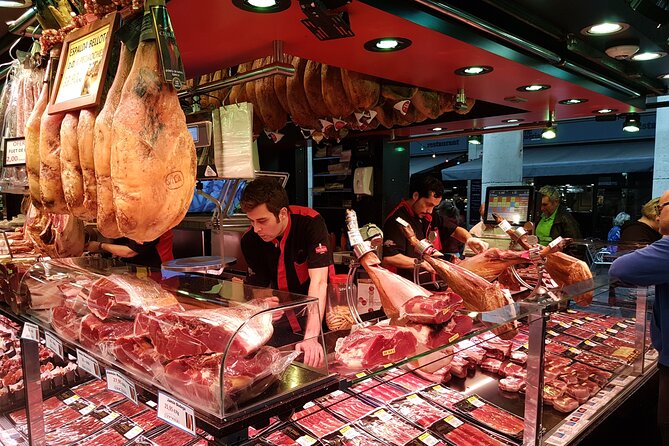
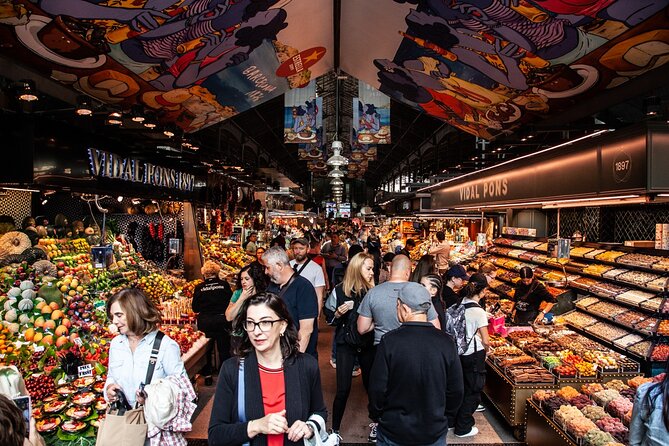
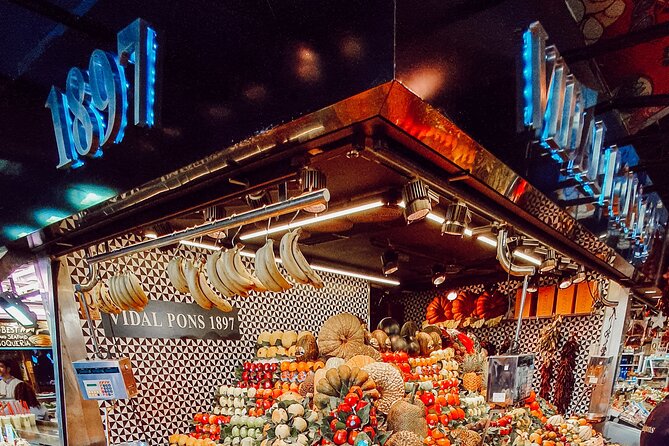
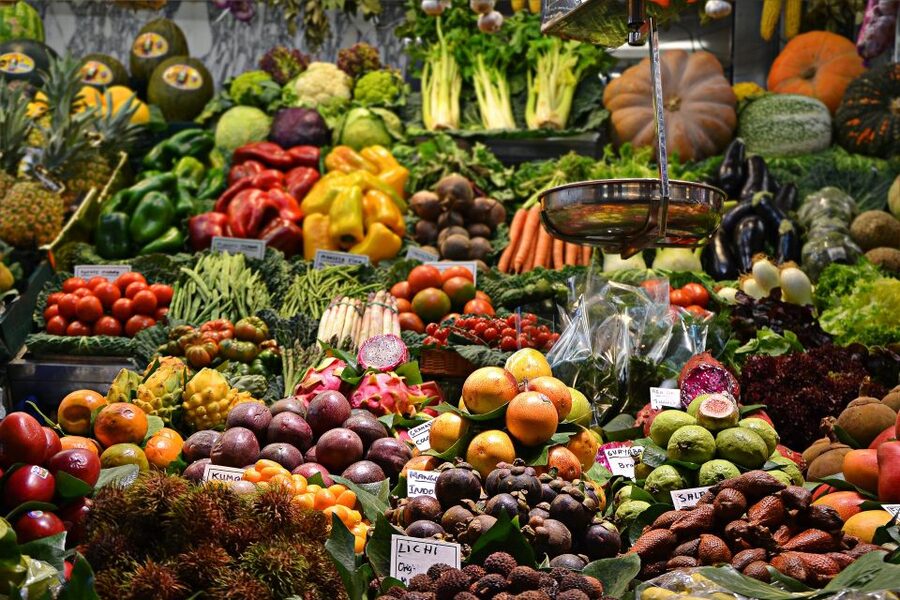
You start at La Boquería Market, one of the big-name food markets on the planet. Think of it as a sensory crash course: sights, smells, and constant activity right under the market’s structure.
What I like here is that you don’t just wander and snack. Your guide points out how Catalan food culture shows up at the stalls—what people buy, what gets treated as special, and why certain flavors show up again and again. You also get guided tastings early: two small tastings are included at La Boquería, including an olive tasting and nougat (turró / similar nougat styles).
Two practical tips for this part:
- Don’t arrive starving. You’ll get samples, and some stalls tempt you to buy more immediately.
- If you’re the kind of person who likes to browse before ordering, use your guide’s pacing to learn what to look for first—then shop after you’ve got your bearings.
In reviews, guides like Valentina and Eoghan get called out for making the market feel personal, because they shop there and know the people running the stands. Even if your guide is different, that “stall-to-story” approach is what makes this stop feel worth doing on a tour instead of just wandering on your own.
La Rambla: where the market energy spills onto the promenade
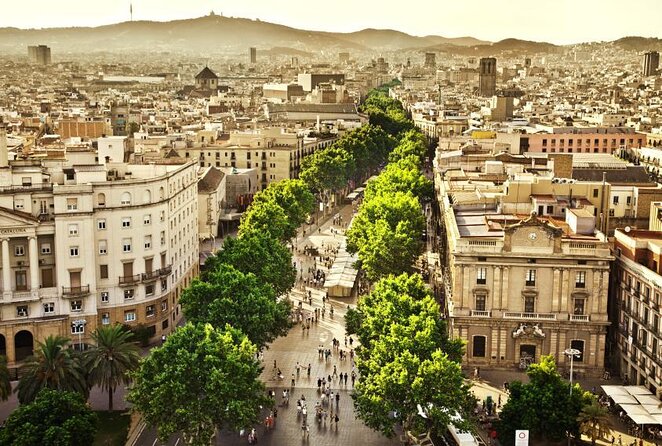
Next comes La Rambla, and the tone shifts. It’s still busy, but now you’re on the promenade, seeing how market crowds and street life connect.
This section is great for quick photo stops: open-air café life, flower stalls, and that unusual Miró mosaic mentioned on the route. The walk here also helps you understand why La Boquería is more than a food stop. It acts like a hub that funnels people through the city’s most iconic pedestrian corridor.
If you like architecture and street details, watch for the small things the guide calls out. It’s easy to treat La Rambla as just tourist scenery. With a guide, it becomes a clue trail: where locals linger, where visitors bottleneck, and how the street’s shape guides movement.
Santa Caterina Market: a first covered market with visible layers
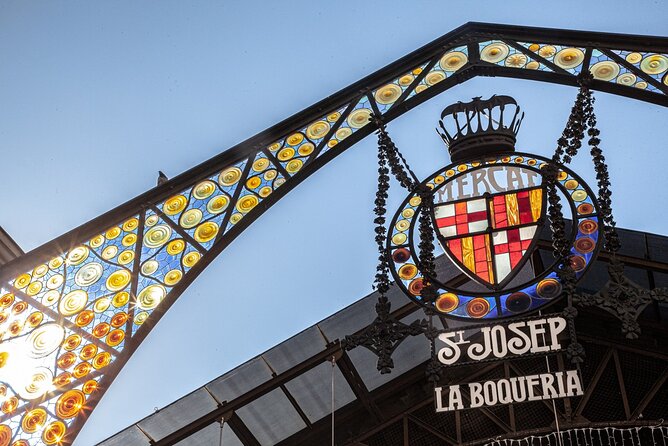
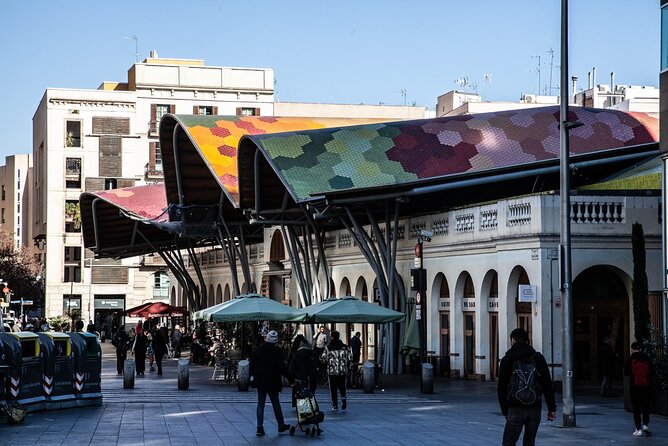
In the Gothic Quarter area, you’ll reach Santa Caterina Market, described as the city’s first covered market. The roof is hard to miss: an undulating, colorful design that gives the whole space a kind of motion, even when you’re standing still.
What you’ll appreciate most is the mix of market life with the past. The stop includes ruins of a medieval monastery you can see as part of the market setting. That’s the value here: you’re not just shopping. You’re also getting an explanation for why this spot carries layers of Barcelona over time.
A quick practical note: Santa Caterina can feel calmer than La Boquería. Use that as a breather. If your feet start to complain, this is a good place to pause and let the pace reset—then get back into the walking rhythm.
The caganer stop: one strange Catalan tradition, explained
You’ll also stop at a caganer shop to hear the story behind one of Catalonia’s strangest traditions. That’s all you need going in. The important thing is that your guide frames it, so it doesn’t read like a random novelty souvenir.
This is also a good reminder that market tours aren’t just about food. In Barcelona, traditions show up in everyday commerce—right alongside ingredients, sweets, and bread. If you like cultural context, the caganer stop adds a layer of local identity that feels more specific than generic “souvenirs” shopping.
- Barcelona: Hola Barcelona Public Transport Travel Card★ 4.5 · 20,985 reviews
- Barcelona: 24 or 48-Hour Hop-On Hop-Off Bus Tour★ 4.4 · 20,872 reviews
- Barcelona: Park Guell Guided Tour with Skip The Line Entry★ 4.7 · 17,563 reviews
Barcelona Cathedral and Santa Maria del Mar: why the churches slow you down
From the markets and street energy, the tour shifts to serious architecture, including the Barcelona Cathedral area and then the church of Santa Maria del Mar (often called St. Mary of the Sea).
I find this kind of stop matters because it breaks the “food-only” cycle. After tasting and walking, you get a moment to look up, notice details, and understand what the city built for itself as it grew.
Santa Maria del Mar is especially rewarding because it tends to feel more human-paced than the biggest headline churches. You can use this stop to reset your eyes: stop hunting for the next stall and start observing shapes, stonework, and the quieter mood around the building.
If you’re the type who usually rushes photos, try slowing down here. It’s one of the few parts of the tour where you’ll likely feel the city’s pace drop.
El Born Market: olive oil tasting and medieval remains inside the site
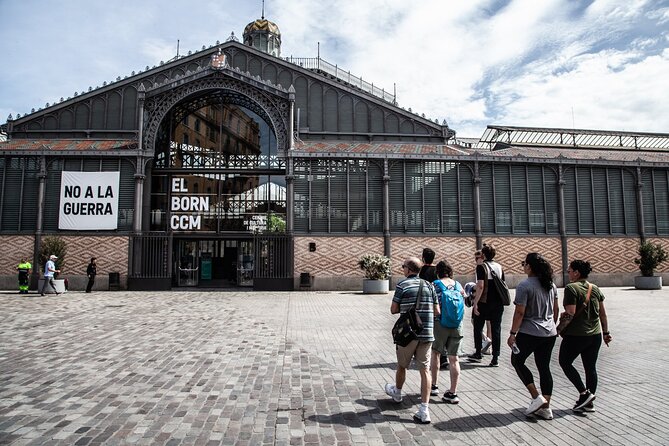
The tour finishes with El Born Market, a striking building now housing the remains of the Born neighborhood. This is one of the tour’s best “wait, that’s really here?” moments. You’re walking past the idea of medieval life, not just reading about it.
You’ll also get an olive oil tasting in El Born. After tasting olives earlier, this works like a second act. Instead of repeating the same flavor, you’re tasting a related product with a different focus, and it pairs well with the site’s theme of continuity—why certain flavors and food traditions survive across centuries.
What to watch for here:
- How the market building holds the remains as part of the experience, not as an afterthought.
- How the market space still functions as a place to gather, shop, and move—despite the historical layer underneath.
This stop helps you understand Barcelona’s trick: the city can be modern and historical at the same time. That’s a big part of why market districts feel so alive.
Optional upgrade: cured meats, premium cheeses, and wine with a sommelier
If you upgrade, the tour ends with a special tasting led by a professional sommelier and your guide. The tasting happens in a private room just for your group, which is a nice change after all the walking.
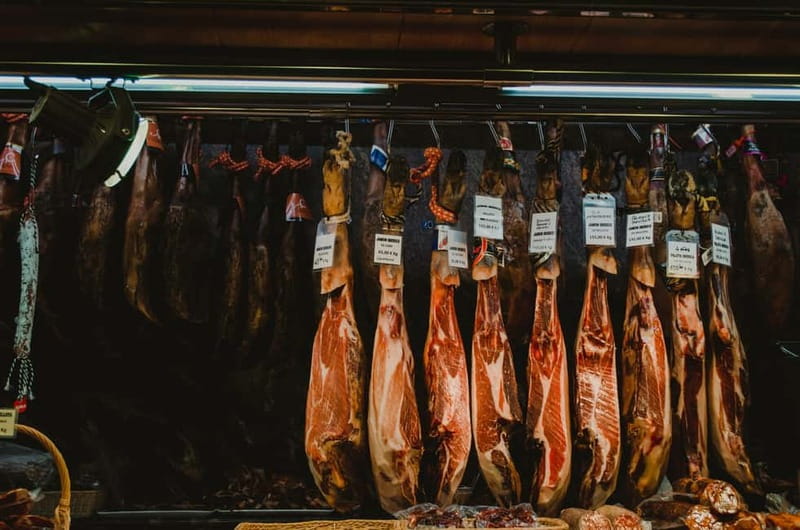
The upgrade includes cured meats, premium cheeses, Catalan tomato bread (pa amb tomàquet), and wines. For me, that’s the most practical reason to upgrade. You get a more complete flavor progression—meat and cheese with bread and wine—guided by someone who can help you taste with intention instead of guessing what you’re supposed to like.
This is also where you can ask questions that came up during the market walk. You’ve already seen the ingredients. Now you can connect them to how they’re actually served and paired.
One caution: if you already plan a heavy food day in Barcelona, consider whether adding wine is your ideal end. The upgrade is a nice finish, but it’s also an extra commitment of time and spending.
Price and walking logistics: where the $34 value really comes from
The price is $34 per person for a 2-hour guided experience, which sounds simple until you break down what’s included.
You get:
- Guided walking through multiple market areas and key sights
- Two small tastings at La Boquería
- An olive oil tasting in El Born
- Stops that go beyond food, including Santa Caterina, a caganer shop, and church visits
Is it a bargain compared to shopping on your own? In many cases, yes—because you’re paying for interpretation. A guide helps you see what you’d likely miss: what the markets mean locally, how traditions show up in what people sell, and which places are worth your attention even if you’re not buying anything.
The walking time is also part of the deal. Two hours is long enough to feel like a plan, short enough to still enjoy the rest of your day in Barcelona. It’s built for “get the vibe fast” travelers.
The one trade-off is lingering. La Boquería is a place where people often want extra time. If that sounds like you, plan a follow-up visit after the tour so you can browse slowly without a schedule breathing down your neck.
Who should book this markets walk
This tour is a good fit if you want:
- A fast way to understand how Barcelona markets work
- Food tastings without turning your day into a full meal mission
- History and architecture stops that relate to everyday life, not just famous landmarks
It can also work well for families, since some guides have experience encouraging kids to try foods and engage with the story side of the tour. If you’re traveling with children, you’ll likely appreciate the structured stops and guide prompts, because they reduce decision fatigue.
If you’re in Barcelona for the first time, this is especially handy. It helps you learn the city’s rhythm in the exact places you’ll keep seeing later.
Should you book the Barcelona Markets Tour?
I’d book it if you want market culture plus city context in a tight schedule. The included tastings, the mix of La Boquería and Santa Caterina, and the El Born medieval-history payoff make the price feel grounded.
Skip the tour only if you already know exactly which market stalls you want to hunt, and you’re happy doing it all self-guided. If that’s your style, you might spend less and still eat well. But if you want help deciding what matters, the guide-led format is the value.
With a 4.8 rating from 46 reviews, it’s also clearly landing well with people who care about both food and place.
FAQ
Where does the Barcelona Markets Tour meet?
Meet outside Dunkin’ Donuts. Your guide will be holding an ExperienceFirst sign.
How long is the tour?
It lasts 2 hours.
What language is the tour in?
The tour is English.
Is the tour wheelchair accessible?
Yes, it is wheelchair accessible and also works for strollers.
What tastings are included in the price?
You get two small tastings in La Boquería Market, plus an olive oil tasting in El Born.
Do we get time to buy food in the markets?
Yes. You’ll have time to purchase food items along the way if you want, and your guide can recommend what to try and where you can get good value.
Which market and sights does the tour include?
You’ll visit La Boquería, Santa Caterina Market, a caganer shop stop, Santa Maria del Mar (St. Mary of the Sea Cathedral area), and El Born Market.
Is there an option to upgrade the tour?
Yes. You can upgrade to an end-of-tour tasting with cured meats, premium cheeses, pa amb tomàquet, and wines, led by a professional sommelier in a private room for your group.
What should I bring?
Bring comfortable shoes, water, and comfortable clothes.
Can I cancel, and can I pay later?
There’s free cancellation up to 24 hours in advance for a full refund, and you can reserve now & pay later.
More Ways to Tour Barcelona
- Barcelona: Casa Batlló Entry with Self-Audioguide Tour
★ 4.7 · 25,359 reviews - Barcelona: 24 or 48-Hour Hop-On Hop-Off Bus Tour
★ 4.4 · 20,872 reviews - Barcelona: Park Guell Guided Tour with Skip The Line Entry
★ 4.7 · 17,563 reviews - Barcelona: Sagrada Familia Skip-the-Line Entry Ticket & Tour
★ 4.8 · 12,789 reviews - Barcelona: FC Barcelona Museum “Barça Immersive Tour” Ticket
★ 4.4 · 10,944 reviews
More Barcelona Tours on Our Radar
- Barcelona: Sagrada Familia Entry Ticket with Audio Guide
★ 4.6 · 105,312 reviews - Barcelona: Park Güell Admission Ticket
★ 4.4 · 76,534 reviews - Barcelona: Casa Batlló Entry with Self-Audioguide Tour
★ 4.7 · 25,359 reviews - Barcelona: Montjuïc Cable Car Roundtrip Ticket
★ 4.5 · 22,368 reviews - Barcelona: Hola Barcelona Public Transport Travel Card
★ 4.5 · 20,985 reviews
Just Rated Around Barcelona




Tours, compared.
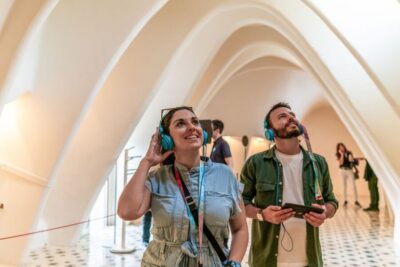 ★ 4.7Casa Batlló Entry with Self-Audioguide TourFrom $3425,359 reviews
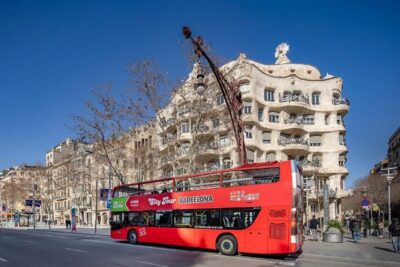 ★ 4.424 or 48-Hour Hop-On Hop-Off Bus TourFrom $3920,872 reviews
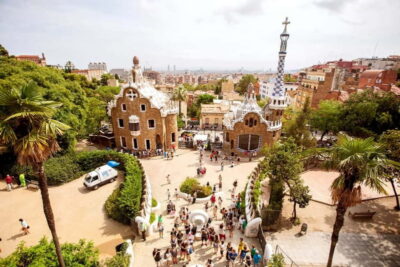 ★ 4.7Park Guell Guided Tour with Skip The Line EntryFrom $3117,563 reviews
 ★ 4.8Sagrada Familia Skip-the-Line Entry Ticket & TourFrom $6712,789 reviews
 ★ 4.4FC Barcelona Museum “Barça Immersive Tour” TicketFrom $3510,944 reviews
 ★ 4.4City Sightseeing Hop-On Hop-Off Bus TourFrom $3910,061 reviews
 ★ 4.5Fast Track Sagrada Familia Guided TourFrom $668,795 reviews
 ★ 5.0Montserrat Half-Day Tour with Tapas and Gourmet WinesFrom $557,359 reviews