
Reviewed · TICKETS
Barcelona: Museu Nacional d’Art de Catalunya Entrance Ticket
Romanesque murals meet a grand 1929 palace.
Museu Nacional d’Art de Catalunya (MNAC) in Palau Nacional on Montjuïc is one of those Barcelona stops that feels both grand and human-scale: rescued art, big names, and a museum building built for an event when the city was showing off. I like that the ticket includes both the permanent collection and temporary exhibition, plus a smartphone audio guide so you can move at your pace.
I love how clearly MNAC connects Catalonia to European art history. You get Romanesque mural paintings you can really study, and the museum also brings in Catalan Modernism connections tied to Gaudí and Casas, along with major European artists from the Renaissance and Baroque eras like Tiziano and Velázquez.
One heads-up: the terraces and rooftop are temporarily out of service due to current health regulations, so plan on museum time first, and don’t count on a rooftop panorama during your visit.
In This Review
- Key things that make MNAC worth your time
- Palau Nacional on Montjuïc: the setting that changes how you see the art
- Tickets, skip-the-line, and the smart way to time your visit
- What the museum experience feels like once you’re inside
- Romanesque mural paintings: why this collection becomes an anchor stop
- Catalan Modernism connections: Gaudí and Casas in context
- Renaissance and Baroque rooms: where Tiziano and Velázquez make sense
- Photography and the building’s history: filling the gaps without filler
- Terraces and rooftop views: plan for the panorama, then plan around the reality
- On-site breaks, heat, and practical tips that save energy
- Getting there and moving through the museum efficiently
- Best for who: art lovers, name-drop seekers, and first-timers
- Price and value: what you’re really paying for at MNAC
- Should you book the MNAC ticket?
- FAQ
- Where is the meeting point for the MNAC ticket?
- How long should I plan to spend at the museum?
- What is included with the ticket?
- Do I need headphones for the audio guide?
- What languages are available on the audio guide?
- When is admission free at MNAC?
Key things that make MNAC worth your time
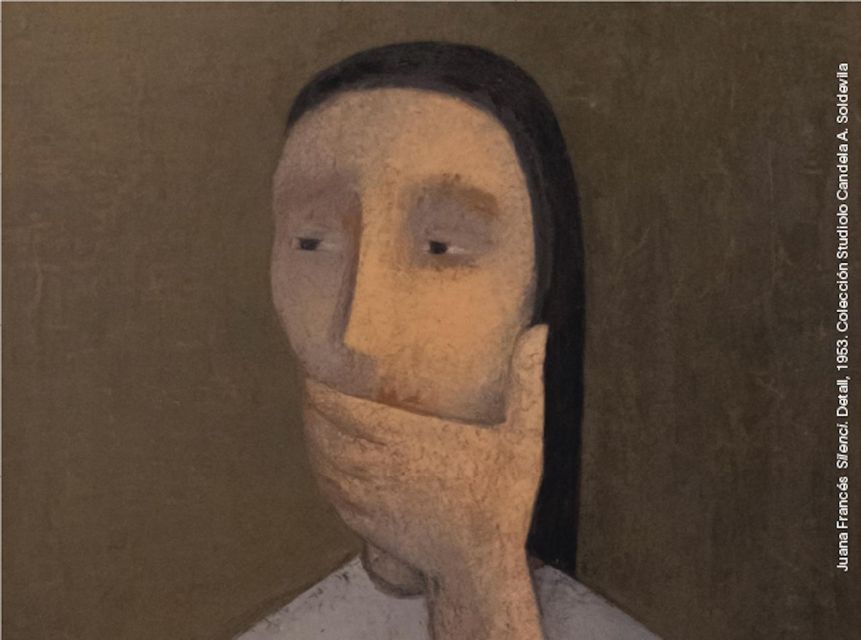
- Romanesque murals that feel like they belong where they’re displayed, with a collection that’s especially celebrated for this form of art
- Catalan Modernism connections, including artists associated with Gaudí and Casas
- Big European names, with Renaissance and Baroque painters such as Tiziano and Velázquez
- Two floors of art plus photography, so you can spend a couple of hours without rushing
- Smartphone audio guide in many languages, so you’re not stuck reading tiny labels
- Montjuïc viewpoint energy, even if the official rooftop terraces are currently closed
Palau Nacional on Montjuïc: the setting that changes how you see the art
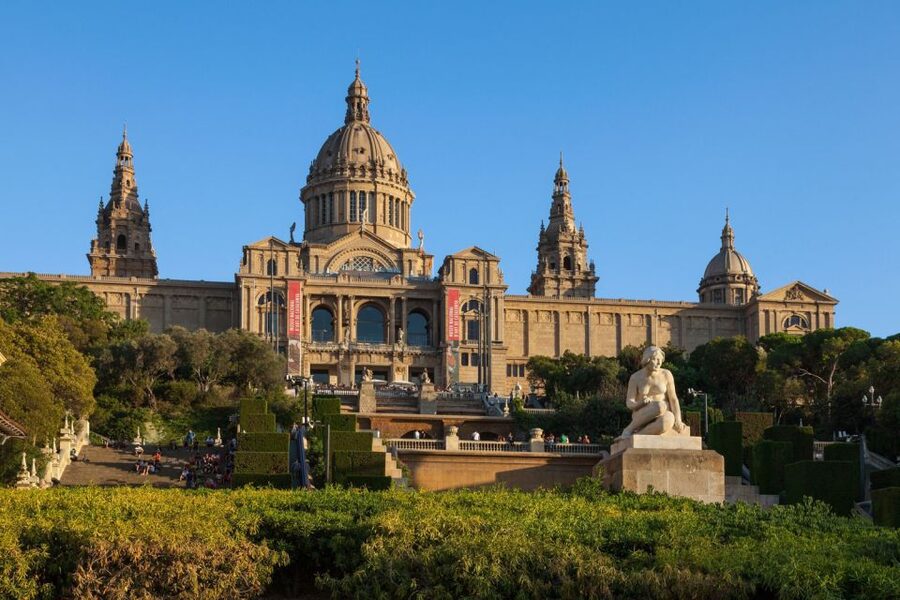
MNAC is housed in the Palau Nacional, a huge neoclassical showpiece that was built for the International Exposition of 1929. Even before you enter, you’re in a part of Barcelona that feels like a viewpoint and an event space at the same time.
That matters because the museum’s art doesn’t feel isolated. It’s presented in a building that was designed to impress, and the scale helps you understand why these collections were worth protecting and displaying. You also get that Montjuïc “you’re above the city” sense, which makes the whole visit feel like a half-day mindset, not just an hour-long checklist.
More Barcelona tickets worth grabbing


Tickets, skip-the-line, and the smart way to time your visit
The ticket price is $14 per person, and for that you’re not paying for a single gallery. You’re paying for entry to the permanent collection, entry to a temporary exhibition, and an audio guide app on your smartphone.
That’s where the value comes from. Many museums charge more and still give you only one lane. Here, you can build a longer visit without feeling like you’re buying a shortcut.
You’ll also want to pay attention to timing rules. Ticket offices close 30 minutes before the museum closes, and rooms are emptied 15 minutes before closing time. If you’re the type to “just wander until it’s time,” set a personal deadline so you don’t end up walking out when a wing is still interesting.
What the museum experience feels like once you’re inside
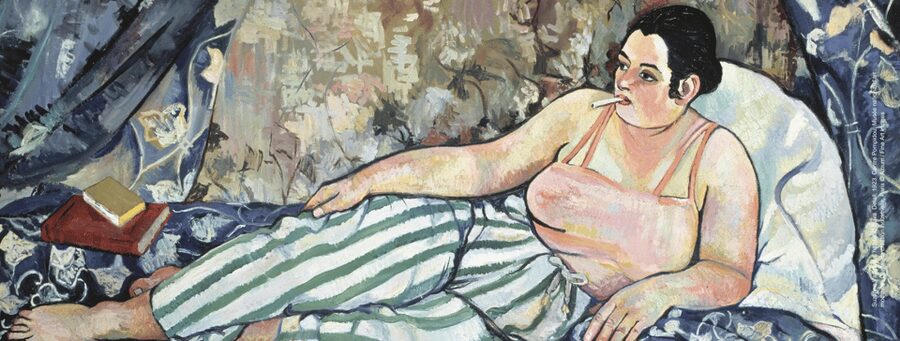
MNAC is spread across two floors, and it helps to think of it as a guided journey even when you’re not with a live guide. The galleries are set up so you can follow one thread of art history, then switch to another without constantly backtracking.
Plan on a couple of hours. If you stop for a few minutes in each section to read, zoom in visually, and listen to the audio guide, two hours will feel realistic. If you’re a fast walker who just wants the highlights, you can do it quicker, but you’ll miss the “aha” moments that make people linger.
Also, the museum includes its collection of photography. That’s not a side quest. It gives your eyes a different way to see—especially helpful if you’re coming from classic art rooms and want a change of texture and focus.
Romanesque mural paintings: why this collection becomes an anchor stop
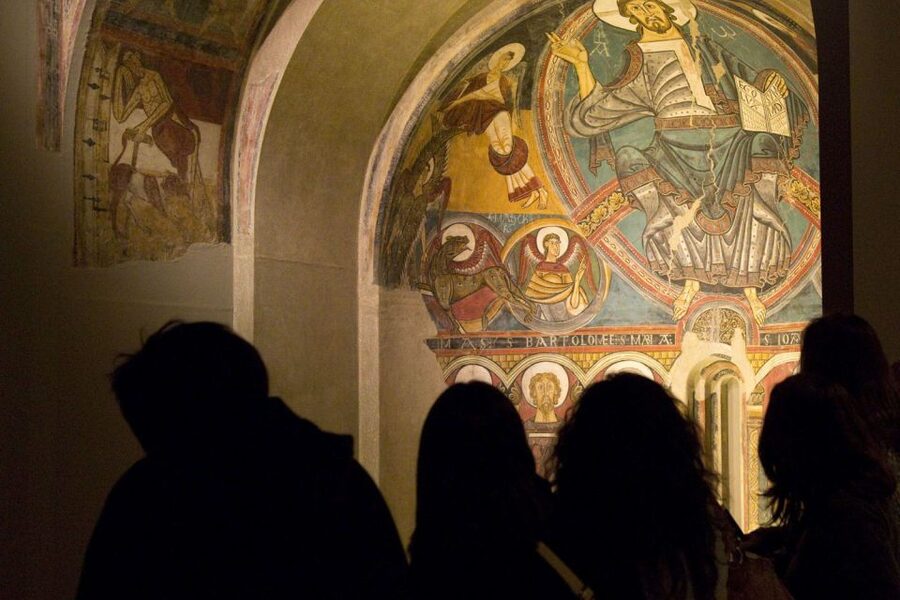
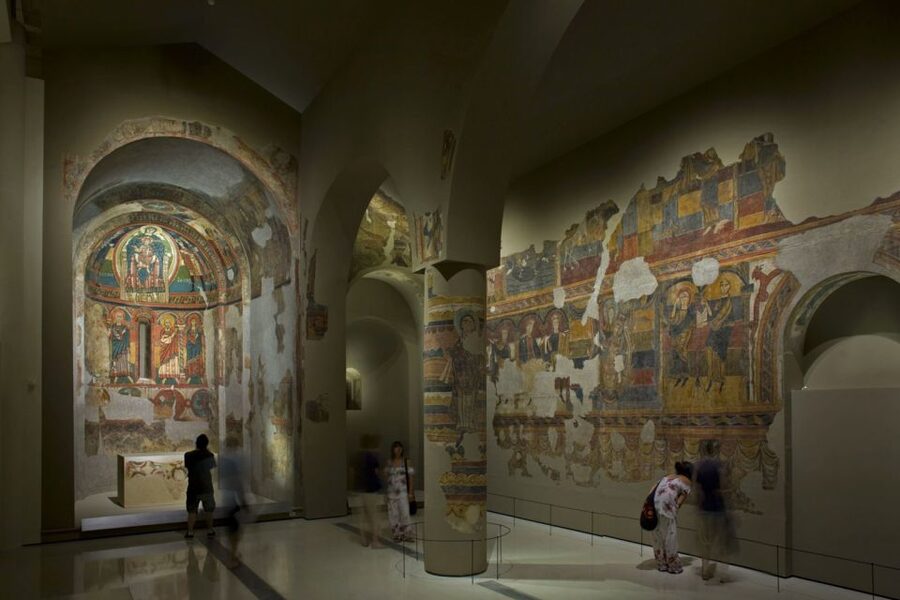
MNAC is especially known for Romanesque mural paintings, and this is the part that tends to lock people in. The museum’s strength is that these murals aren’t just displayed like old fragments. They’re presented so you can study composition and storytelling, not just admire age.
This is also where the museum’s mission feels practical. Romanesque murals were meant to live in churches, and MNAC’s approach lets you experience them in a museum setting that still communicates what the originals were trying to do—teach, persuade, and decorate all at once.
If you’re using the audio guide, take advantage of it here. A few extra minutes of context can turn a “beautiful painting” into something you understand more clearly as art and as a cultural artifact.
Catalan Modernism connections: Gaudí and Casas in context
One of the great things about MNAC is that it doesn’t treat Catalonia like an island. It builds bridges across time, and Catalan Modernism sits right in that story.
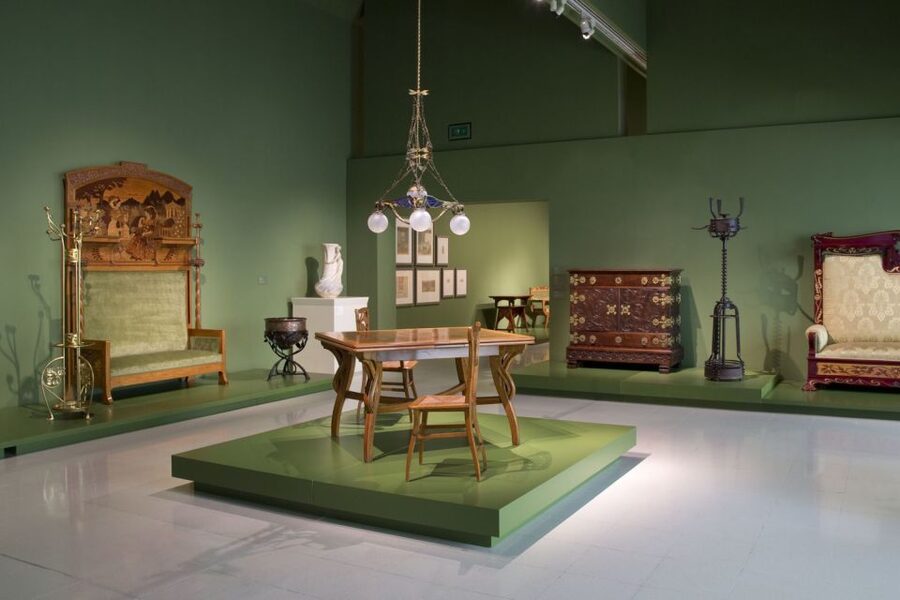
You’ll see works connected to major Catalan names such as Gaudí and Casas. Even if you’re not an art-history specialist, it helps to use your prior knowledge of Barcelona itself. When you connect the museum’s Modernism thread to the city’s architecture and design culture, the art starts to feel like it’s part of the Barcelona you’re already walking through.
I like this section because it gives you variety. After Romanesque murals (which are big on symbolism and visual narrative), Modernism feels more like the artists are responding to a rapidly changing world. That shift keeps the visit from turning into one long “same vibe” gallery crawl.
- Barcelona: Hola Barcelona Public Transport Travel Card★ 4.5 · 20,985 reviews
- Barcelona: 24 or 48-Hour Hop-On Hop-Off Bus Tour★ 4.4 · 20,872 reviews
- Barcelona: Park Guell Guided Tour with Skip The Line Entry★ 4.7 · 17,563 reviews
Renaissance and Baroque rooms: where Tiziano and Velázquez make sense
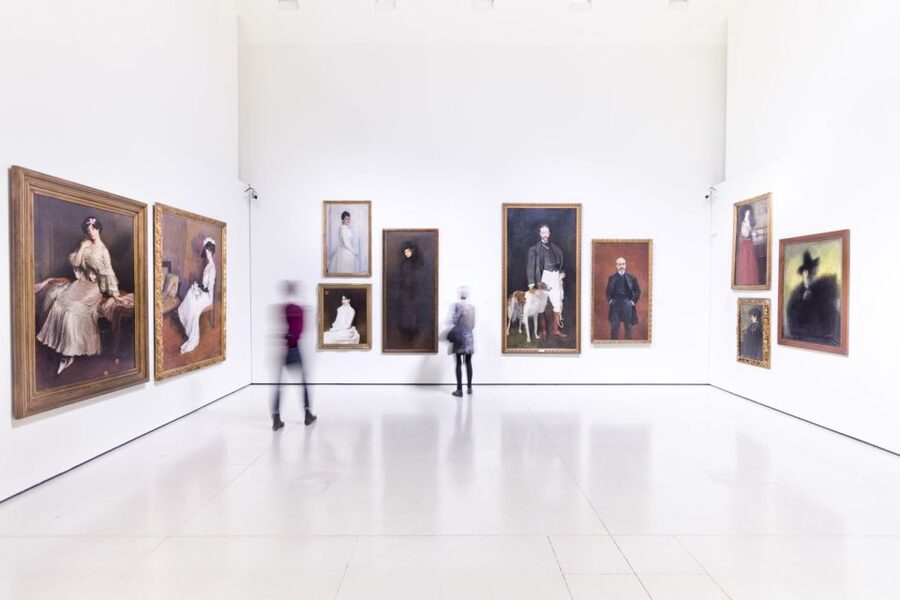
MNAC also includes major European art across the Renaissance and Baroque periods. Seeing artists like Tiziano and Velázquez in the context of a museum that also champions Catalan art is a smart reminder: these were conversations across borders, not separate clubhouses.
When you’re in these rooms, slow down just a touch. The Baroque world is dramatic, and the Renaissance world is built on structure and precision. The audio guide can help you notice details that you might otherwise gloss over in a quick pass.
And this is one reason the museum works well for mixed groups. If someone in your group loves big famous names, these rooms scratch that itch. If someone else is there for Catalonia’s identity and medieval roots, the earlier galleries do the same.
Photography and the building’s history: filling the gaps without filler
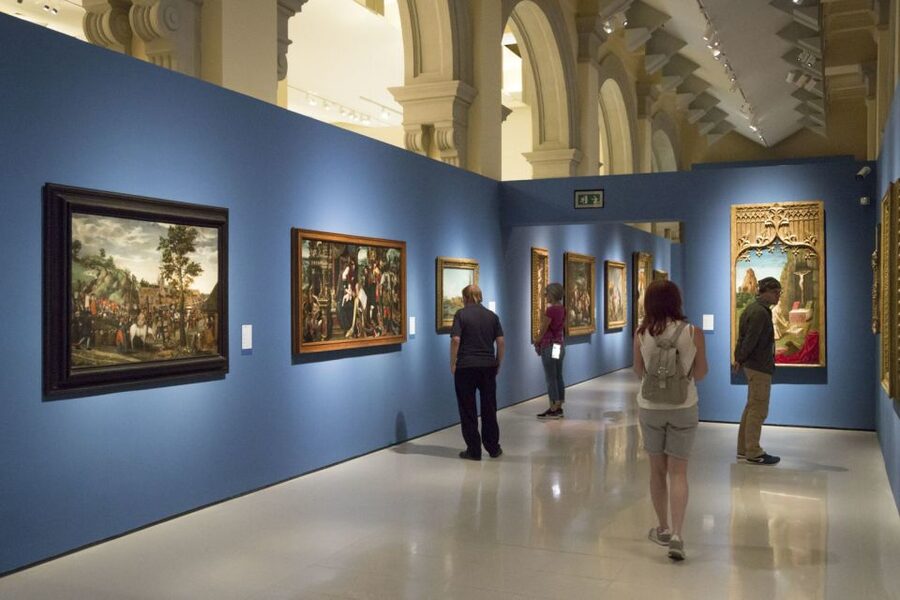
MNAC doesn’t just show art in a vacuum. The visit also includes learning about the history of the Palau Nacional itself. The building was created for the 1929 International Exposition, and that background adds a useful layer to what you’re seeing.
On top of that, there’s the museum’s collection of photography. It’s a nice breather because photography can act like a “visual translator” between centuries. It’s not trying to compete with oil paintings in drama; it’s changing how you read the whole building of a museum visit.
If you find yourself getting museum-fatigued, these sections help you reset without leaving the site.
Terraces and rooftop views: plan for the panorama, then plan around the reality
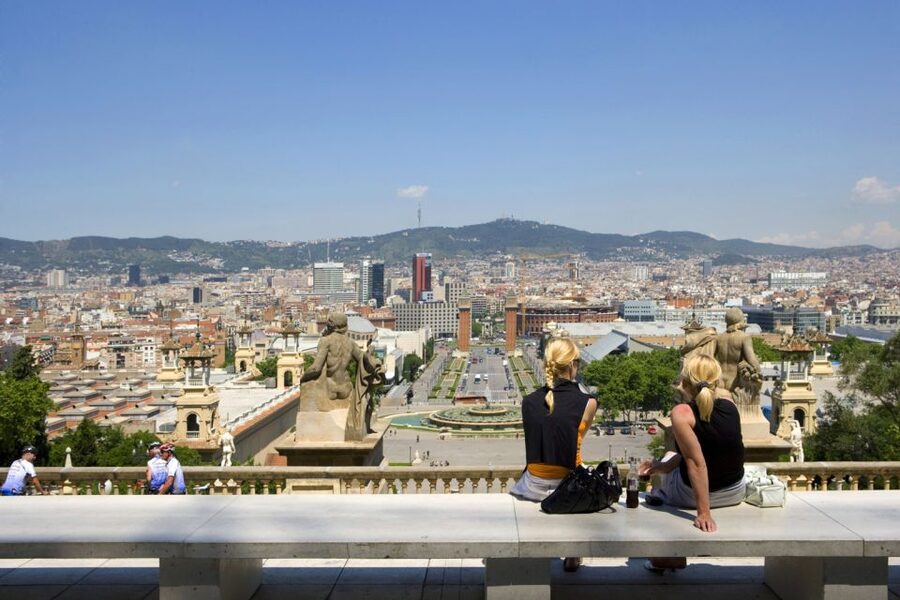
MNAC is famous for views over Barcelona from Montjuïc, and the rooftop terraces are traditionally part of that payoff. The tricky part right now is that the terraces and rooftop are temporarily out of service due to health regulations.
So here’s how I’d handle it: build your day as a museum day first. If you still manage to catch views from accessible spots around the building, great. If not, your ticket still covers enough serious art to justify the trip.
This is also where Montjuïc’s geography helps. Even without rooftop access, being on that hill changes how the city looks and how your photos turn out. You just shouldn’t treat the rooftop as the “make-or-break” moment.
On-site breaks, heat, and practical tips that save energy
Museums are better when you respect your body. MNAC involves walking and some stairs, because Montjuïc is on a slope. In summer, heat can make you feel like you’re doing a cardio class in between galleries.
Plan short breaks. Some parts of the site include cafés or places to grab a snack and sit for a minute, which is handy when you want to keep your visit going instead of turning it into a sprint.
Also bring what the museum asks for: headphones and a charged smartphone. The audio guide is included, but you can’t enjoy it if your phone dies halfway through the good rooms.
Getting there and moving through the museum efficiently
The meeting point is Palau Nacional s/n, Parc de Montjuïc, 08038 Barcelona. From there, you’ll enter the museum and use your time to follow the layout on the two floors.
If you’re using mobility aids, MNAC is wheelchair accessible. Elevators are available near areas of the museum per visitor experiences, which helps if you want to avoid stair-only routes.
For most people, the biggest “logistics moment” is not the museum door—it’s the clock. Ticket offices close 30 minutes before closing, and rooms empty 15 minutes before closing. I treat MNAC like a “don’t be late” stop so I can finish the last rooms calmly.
Best for who: art lovers, name-drop seekers, and first-timers
MNAC is a strong pick if you want a museum that feels both culturally specific and internationally connected.
You’ll probably love it if:
- You want Romanesque mural paintings in a major museum setting.
- You like Barcelona’s Catalan identity and want it explained through art history.
- You enjoy mixing art periods—from medieval to Renaissance to Baroque—with a Modernism thread.
You might think twice if:
- You’re only interested in one style and have a very tight schedule.
- You’re counting on rooftop/terrace access for views, since it’s currently out of service.
Price and value: what you’re really paying for at MNAC
At $14, you’re getting more than an entrance fee. The ticket covers the permanent collection, a temporary exhibition, and the audio guide app.
That’s the kind of structure that makes a difference when you’re planning a trip with multiple paid sights. You don’t have to guess whether you’ll get enough value. You already have two exhibition types built in, plus the museum’s building story and photography collection to round out the experience.
And because the museum is on two floors, your time doesn’t “evaporate” as quickly as it might in smaller places. Even if you don’t love every room equally, you’ll have enough variety to keep moving.
Should you book the MNAC ticket?
Yes, if you like art that tells a place’s story. MNAC is one of the better single-day museum choices in Barcelona because it gives you Romanesque murals, Catalan Modernism connections (including Gaudí and Casas), and major European names like Tiziano and Velázquez—all under one roof in a building with a 1929 origin story.
Book it especially if you can’t spend much time on Montjuïc. The skip-the-line approach helps you get into the galleries faster, and the audio guide makes the whole visit more satisfying without needing a live guide.
The only solid reason to hesitate is rooftop dependence. Since the terraces and rooftop are currently closed, plan for art first. If that works for you, MNAC is an easy “yes.”
FAQ
Where is the meeting point for the MNAC ticket?
The meeting point is Palau Nacional s/n, Parc de Montjuïc, 08038 Barcelona.
How long should I plan to spend at the museum?
Plan on a couple of hours so you have time to see the collections comfortably.
What is included with the ticket?
Your ticket includes admission to the permanent collection, admission to the temporary exhibition, and an audio guide app for your smartphone.
Do I need headphones for the audio guide?
Yes. You should bring headphones and a charged smartphone for the audio guide app.
What languages are available on the audio guide?
The audio guide app is available in Catalan, Spanish, English, French, German, Italian, Russian, Japanese, and Chinese.
When is admission free at MNAC?
Admission is free Saturdays from 15:00 onwards, the first Sunday of each month, and on specific dates including 12 February (Santa Eulàlia), 18 May (International day of Museums), 11 September (national day of Catalonia), and 24 September (Day of la Mercè).
More Barcelona Tickets Worth Buying
- Barcelona: Sagrada Familia Entry Ticket with Audio Guide
★ 4.6 · 105,312 reviews - Barcelona: Park Güell Admission Ticket
★ 4.4 · 76,534 reviews - Barcelona: Montjuïc Cable Car Roundtrip Ticket
★ 4.5 · 22,368 reviews - Barcelona Aquarium: Entry Ticket
★ 4.4 · 16,717 reviews - Barcelona: Sagrada Familia Skip-the-Line Entry Ticket & Tour
★ 4.8 · 12,789 reviews
More Barcelona Tours on Our Radar
- Barcelona: Sagrada Familia Entry Ticket with Audio Guide
★ 4.6 · 105,312 reviews - Barcelona: Park Güell Admission Ticket
★ 4.4 · 76,534 reviews - Barcelona: Casa Batlló Entry with Self-Audioguide Tour
★ 4.7 · 25,359 reviews - Barcelona: Montjuïc Cable Car Roundtrip Ticket
★ 4.5 · 22,368 reviews - Barcelona: Hola Barcelona Public Transport Travel Card
★ 4.5 · 20,985 reviews
Just Rated Around Barcelona





Tickets, compared.
 ★ 4.6Sagrada Familia Entry Ticket with Audio GuideFrom $39105,312 reviews
 ★ 4.4Park Güell Admission TicketFrom $2576,534 reviews
 ★ 4.5Montjuïc Cable Car Roundtrip TicketFrom $2222,368 reviews
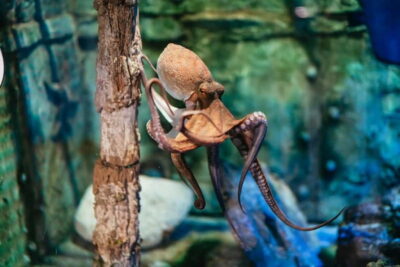 ★ 4.4Barcelona Aquarium: Entry TicketFrom $3416,717 reviews
 ★ 4.8Sagrada Familia Skip-the-Line Entry Ticket & TourFrom $6712,789 reviews
 ★ 4.4FC Barcelona Museum “Barça Immersive Tour” TicketFrom $3510,944 reviews
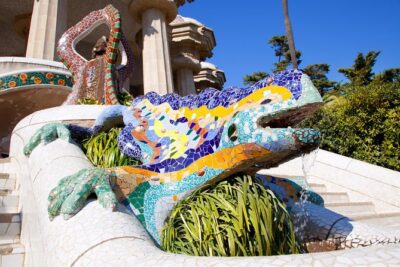 ★ 4.5Park Guell Guided Tour with Skip the Line TicketFrom $386,996 reviews
 ★ 5.0Park Guell and Sagrada Familia Tour with Skip the Line TicketsFrom $1196,384 reviews