
Reviewed · SCUBA DIVING
Barcelona: PADI Scuba Diver Course Certification Training
Barcelona water training can turn scary fast—then it clicks. This one-day PADI Scuba Diver course in Catalonia is interesting because you learn the rules, practice the skills, and end the day already certified. You’ll be working with a real PADI-style structure, not guesswork, and the small setup helps the instructor keep an eye on everyone.
Two things I really like: patient coaching and a small-group format. Instructors like Pau stood out for calm, clear explanations and making sure each person understood before moving on. Another instructor, Alex, also got praised for staying flexible with plans when conditions and weather required it.
One thing to consider: water visibility can be limited depending on the day and venue. One review noted poor sight in the water, so if “seeing a lot” is your top goal, keep expectations realistic.
In This Review
- Key points worth knowing
- One-Day PADI Scuba Diver in Barcelona: what the schedule really means
- 9:00am theory: learning control, not just facts
- The water practice at the site: your 3 skill sessions, step by step
- Equipment and skills: what’s included and what you should bring
- Certification you can use: what you’re getting and how to plan next steps
- Price and value: does $312 make sense for a full certification day?
- Instructor experience in real life: Pau and Alex as examples
- Who should (and shouldn’t) take this course
- Simple planning rules for Barcelona: meet early, skip alcohol, and don’t fly too soon
- About conditions: visibility and what you can do about it
- Should you book this Barcelona PADI Scuba Diver course?
- FAQ
- How long is the PADI Scuba Diver certification training in Barcelona?
- What is the price per person?
- Where do I meet for the course?
- What time does the day start and when does it end?
- How many in-water sessions are included?
- What’s included in the price?
- What should I bring?
- Is food or drinks included?
- Do I need to complete a medical form?
- When can I fly after the course?
Key points worth knowing
- One full day: theory in the morning, then 3 in-water training sessions
- Small group (max 6), so you get more attention and fewer delays
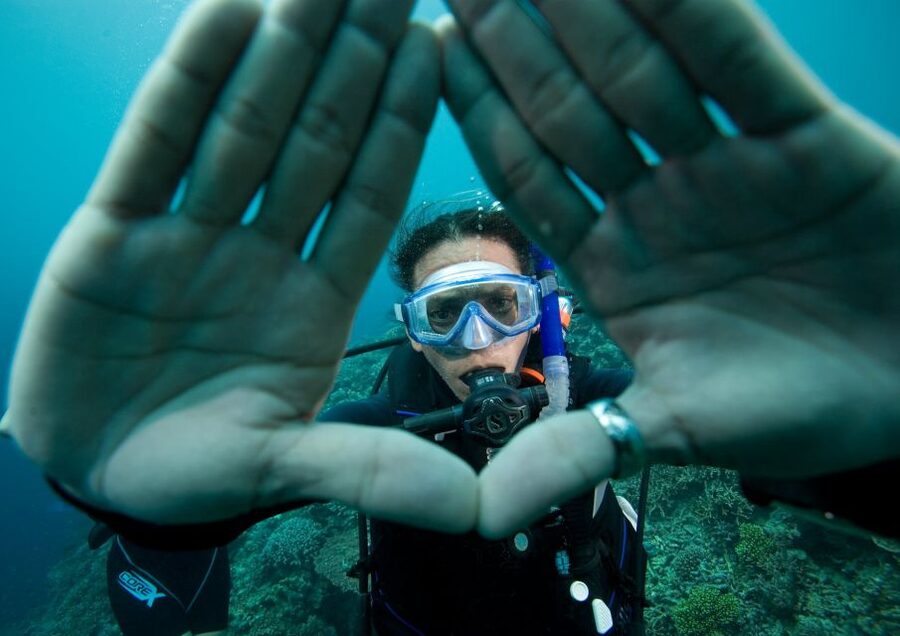
- Clear safety focus: equipment use, communication, and controlled practice first
- Certification after the training: you don’t just leave with photos, you leave certified
- Health rules are strict: medical questionnaire and medication limits apply
- Plan timing: you must wait 24 hours before flying
One-Day PADI Scuba Diver in Barcelona: what the schedule really means
This course is built for people who want a serious scuba skill foundation without stretching it over multiple weekends. The structure is simple: one theory block in the morning, then a full day of learning and practicing skills in the water, finishing by early evening.
The day starts at 9:00am with a theory session. You don’t just get a quick talk. You learn the essentials you’ll need to use scuba equipment correctly and handle the basics of underwater communication. Then you head to the water area for hands-on skill work. The schedule is packed, but the pacing is geared toward safety and understanding, not speed.
By the time you finish, you’re set up with the PADI Scuba Diver certification path that’s aimed at letting you dive anywhere in the world (subject to local conditions and any required training beyond this level). You’ll feel it most right at the end of the day, when the skills stop being ideas and start being muscle memory.
More dives along the Barcelona coast

9:00am theory: learning control, not just facts
The morning theory session is where this course earns its value. The goal isn’t trivia. It’s control.
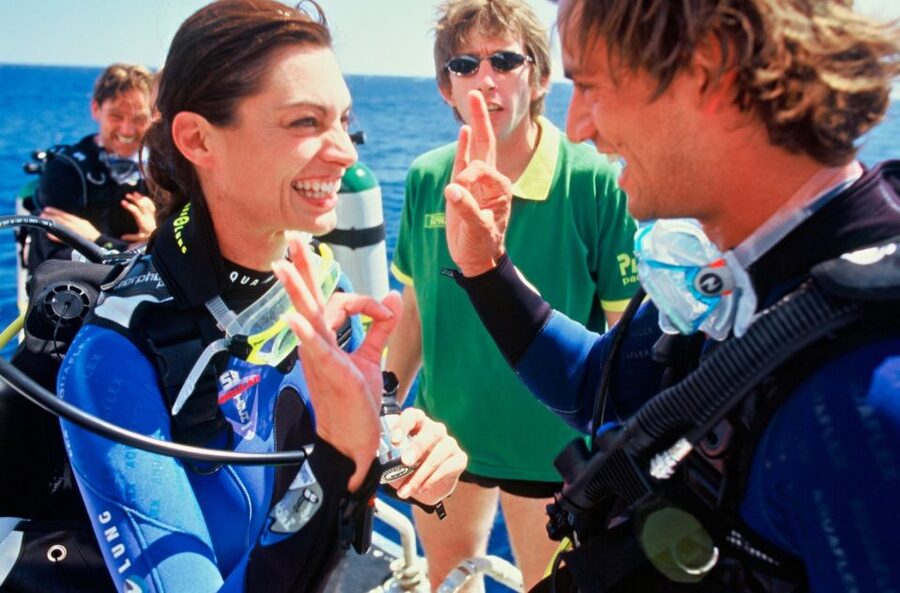
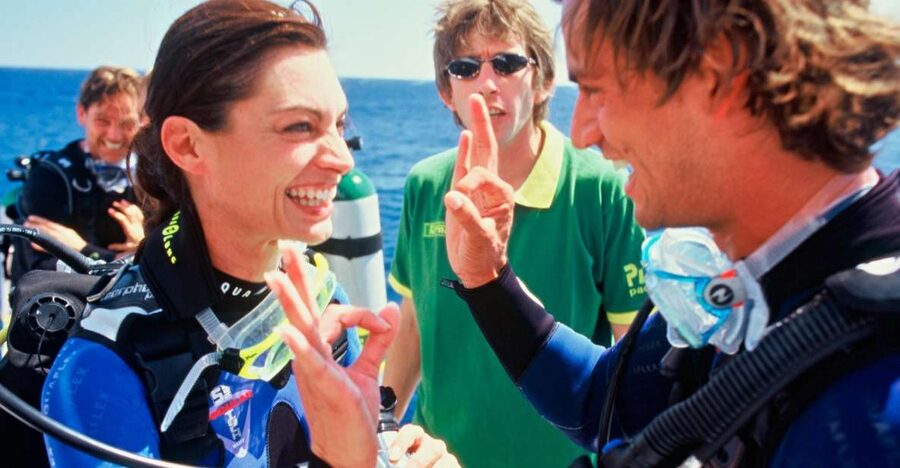
You’ll cover how the equipment works, including what different parts do and how you’ll use them underwater. You’ll also practice how you communicate underwater—because once you’re down, you can’t just shout. That communication piece matters more than people expect. Even if you’re a calm person above water, underwater you’ll rely on signals and clear procedures.
You’ll also hear safety-focused guidance. That shows up later in the water practice, where instructors can slow things down, repeat steps, and check that you’re actually comfortable. In one standout review, Pau was praised for being kind and patient, explaining clearly in English, and not rushing anyone. That kind of teaching style usually makes a big difference for first-timers.
Practical tip: if you’re the type who absorbs better after seeing something, don’t worry. Theory is meant to set the framework so the water practice makes sense fast. If you get stuck, ask questions immediately rather than waiting until you’re in the water.
The water practice at the site: your 3 skill sessions, step by step
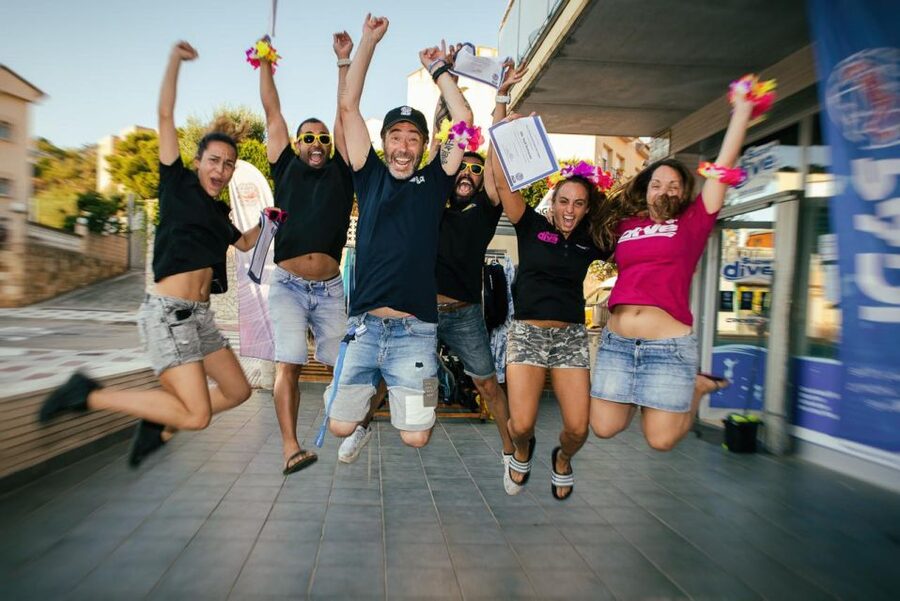
After the theory portion, you’ll move to the water training area. This is where you translate what you learned into real handling—equipment, posture, breathing rhythm, and communication.
The course uses three different in-water sessions with a PADI certified instructor. Think of these as structured checkpoints. You’ll practice the skills discussed in theory, under supervision, in a controlled way so you build confidence gradually.
Why this matters: certification courses that skip the “practice under calm conditions” part often feel overwhelming. This one keeps it methodical. You’re not just thrown into the deep end—literally and figuratively.
Instructors also matter here. Reviews highlight that the instruction style is reassuring and safety-first. Pau, for example, was noted for making sure each person understood the material, and for staying calm when explanations needed repeating. Another review praised Alex for helping make the course work with weather and planning needs, which matters in a coastal city where conditions can shift.
One real-world caution: you might not always get perfect visibility. One review mentioned terrible water sight. That’s not something the instructor can fully control. If you’re choosing this course mainly for marine viewing, you may want to accept that the primary goal is training, not sightseeing.
Equipment and skills: what’s included and what you should bring
Good news for your planning: diving equipment is included. That removes a lot of friction. You won’t have to track down rental gear in Barcelona or figure out sizing under time pressure.
The course also includes PADI certification. That means you’re paying for a complete training package, not just a day of practice that ends without credentials.
What you should bring is straightforward:
- Swimwear
- A towel
- Beachwear
You’ll also want to plan for basic comfort between theory and the water session. Since food and drinks aren’t included, I’d treat the day like a training day that needs your own snack plan nearby, even if you only eat light.
Certification you can use: what you’re getting and how to plan next steps
The promise here is clear: after the course, you’re already certified as a PADI Scuba Diver. That certification is designed so you can dive and enjoy marine life anywhere in the world, as long as you meet local requirements and conditions.
Still, keep your expectations grounded. This is a one-day certification training. The goal is to teach safe basics and build confidence quickly. It’s not the same as a long training program where you’d gain lots of specialty skills or deep experience in every possible environment.
So, what should you do next?
- If you want more comfort, schedule a follow-up training session or guided experience in calmer conditions.
- If you’re traveling, plan your first post-certification water time soon after arrival so your skills are fresh.
- Barcelona: Hola Barcelona Public Transport Travel Card★ 4.5 · 20,985 reviews
- Barcelona: 24 or 48-Hour Hop-On Hop-Off Bus Tour★ 4.4 · 20,872 reviews
- Barcelona: Park Guell Guided Tour with Skip The Line Entry★ 4.7 · 17,563 reviews
Price and value: does $312 make sense for a full certification day?
At $312 per person for a 1-day course that includes equipment and PADI certification, you’re buying convenience and structure. You’re also buying instructor attention in a small group limited to 6 participants, which usually means fewer people competing for guidance.
This price can feel like a lot on paper, but compare it to the typical cost of:
- gear rentals,
- a structured certification course with instructor time,
- and the certification itself.
Here, the package includes the equipment and the credential. What’s not included is smaller stuff that you might spend on anyway during travel: food and drinks are not part of the day, and videos or photos are also not included.
If you’re someone who values practical safety skills and wants an official certification without turning your trip into a multi-day project, the value adds up. If your main goal is marine sightseeing, you may find the day slightly more about training than scenery.
Instructor experience in real life: Pau and Alex as examples
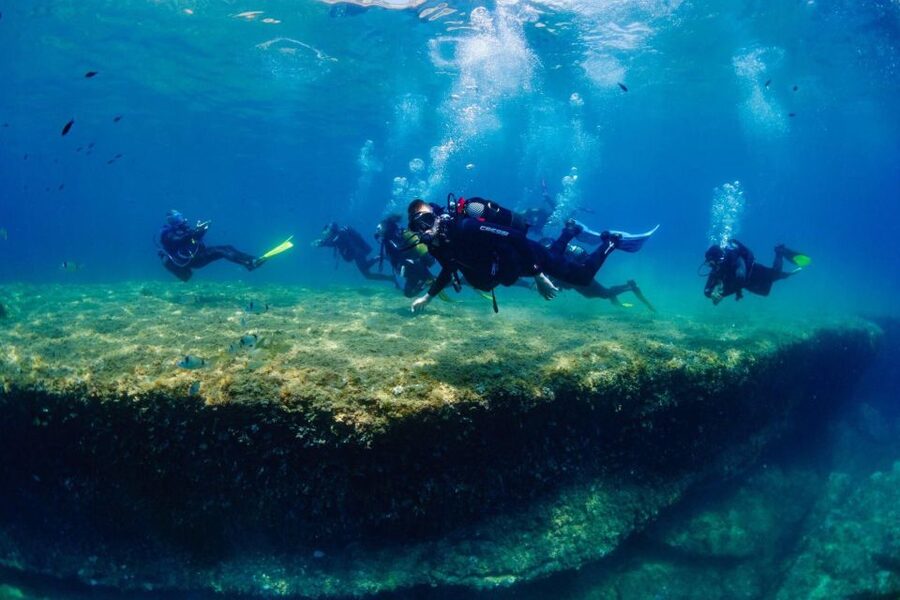
The biggest emotional factor in courses like this is the instructor’s ability to keep you calm and make you feel safe. That shows up clearly in the reviews you provided.
Pau was praised for being incredibly kind and patient, explaining things clearly in English, and making sure everyone understood before moving on. That approach reduces the “panic spiral” that can happen when you’re new to scuba gear and underwater communication.
Alex was also singled out for an excellent experience and for being flexible with planning based on weather and needs. Weather and conditions matter in Barcelona, so an instructor who can adapt without sacrificing safety is a real advantage.
Even if your instructor isn’t named in the reviews, the fact that multiple people highlighted these teaching qualities is a strong sign you’re likely in good hands.
Who should (and shouldn’t) take this course
This training isn’t for everyone, and the restrictions are spelled out clearly for a reason.
Not suitable for:
- children under 12
- pregnant women
- people with back problems
- people with mobility impairments
- wheelchair users
- people with heart problems
- people with respiratory issues
- people with diabetes
- people with pre-existing medical conditions
- people with recent surgeries
- people over 70
On top of that, you’ll fill out a medical form. If your answers indicate you need medical permission, you won’t be allowed to carry out the activity. If you’re denied due to health reasons, the money isn’t returned and another appointment won’t be made.
Also note a practical rule: you must be in good health and not be taking medications prescribed by a doctor for the activity to proceed.
If you’re unsure about your medical situation, treat that uncertainty like a deal-breaker until cleared. The course rules are strict, and it’s better to resolve it before you travel.
Simple planning rules for Barcelona: meet early, skip alcohol, and don’t fly too soon
Logistics here are pretty normal, but they’re strict.
You must arrive 15 minutes before the start. Late arrivals aren’t allowed, and there’s no refund or rescheduling for arriving after the starting time. That’s common for water-based training where the schedule can’t wait.
Meeting point is at the offices on Avinguda Diagonal 72.
Two more rules that affect your travel:
- Alcohol and drugs aren’t allowed
- You must wait 24 hours to fly after the course
That last one matters if you’re doing a tight city itinerary. If your flight is the same day as the course, you’ll need a different plan.
About conditions: visibility and what you can do about it
One review specifically mentioned terrible water sight. That tells me you should mentally separate two goals:
1) learning safely and getting certified, and
2) seeing marine life
This course is built for (1). Marine viewing can happen, but conditions like visibility can make it limited.
What can you do? Ask questions before you go into the water if weather or conditions might affect sight. And if you’re mainly chasing underwater photos, consider pairing this certification day with a later guided experience when you can choose the time window more carefully.
Should you book this Barcelona PADI Scuba Diver course?
I’d book it if you want a straightforward, one-day path to PADI Scuba Diver certification with a small group and clear, safety-focused instruction. The stand-out teaching style in the reviews (Pau’s patience, Alex’s calm flexibility) is exactly what you want when you’re learning equipment and communication underwater for the first time.
I wouldn’t book it if you’re relying on this day for strong underwater sightseeing, especially given the possibility of poor visibility. And I’d skip it if you’re in any category flagged as not suitable, or if your medical questionnaire might raise permission requirements.
If your goal is confidence, safety skills, and an official credential on a timeline that fits real travel, this is a strong option.
FAQ
How long is the PADI Scuba Diver certification training in Barcelona?
The course duration is 1 day.
What is the price per person?
The price is $312 per person.
Where do I meet for the course?
You meet at I Dive BCN offices on Avinguda Diagonal 72.
What time does the day start and when does it end?
The theory session starts at 9:00am, and the course finishes at 19:00.
How many in-water sessions are included?
You’ll complete 3 in-water training sessions during the course, and you receive the certification after the training.
What’s included in the price?
Diving equipment and PADI certification are included.
What should I bring?
Bring swimwear, a towel, and beachwear.
Is food or drinks included?
No. Food or drinks are not included.
Do I need to complete a medical form?
Yes. You’ll fill out a medical form on arrival. If the form indicates you need permission or if you don’t meet health requirements, you won’t be allowed to do the activity.
When can I fly after the course?
You must wait 24 hours to fly after the course.
Down Below Off Barcelona
- Barcelona: PADI Discover Scuba Diving
★ 4.7 · 1,016 reviews - Discover PADI Diving in Barcelona
★ 4.5 · 79 reviews - From Barcelona: Tossa de Mar Scuba Diving and 3-Course Meal
★ 5.0 · 45 reviews - Costa Brava: Scuba Diving Tour, Lunch and a Visit to Tossa de Mar
★ 5.0 · 43 reviews - BARCELONA: SCUBA DIVING INITIATION – Dive in and experience underwater adventures – 2 hours
★ 5.0 · 17 reviews
More Barcelona Tours on Our Radar
- Barcelona: Sagrada Familia Entry Ticket with Audio Guide
★ 4.6 · 105,312 reviews - Barcelona: Park Güell Admission Ticket
★ 4.4 · 76,534 reviews - Barcelona: Casa Batlló Entry with Self-Audioguide Tour
★ 4.7 · 25,359 reviews - Barcelona: Montjuïc Cable Car Roundtrip Ticket
★ 4.5 · 22,368 reviews - Barcelona: Hola Barcelona Public Transport Travel Card
★ 4.5 · 20,985 reviews
Just Rated Around Barcelona





Scuba Diving, compared.
 ★ 4.7PADI Discover Scuba DivingFrom $811,016 reviews
 ★ 5.0Tossa de Mar Scuba Diving PADIFrom $78175 reviews
 ★ 4.5Discover PADI Diving in BarcelonaFrom $8379 reviews
 ★ 4.5Discover Scuba Diving in PalamosFrom $13250 reviews
 ★ 5.0From Barcelona: Tossa de Mar Scuba Diving and 3-Course MealFrom $18245 reviews
 ★ 5.0Costa Brava: Scuba Diving Tour, Lunch and a Visit to Tossa de MarFrom $21043 reviews
 ★ 5.0Small Group Diving Baptism in Tossa de MarFrom $8434 reviews
 ★ 5.0BARCELONA: SCUBA DIVING INITIATION – Dive in and experience underwater adventures – 2 hoursFrom $11217 reviews
Browse the lists this tour appears in