
Reviewed · WALKING TOURS
Barcelona: The Spanish Civil War Historical Walking Tour
Barcelona has a second story, darker than postcards. On this 2.5-hour walking tour, you trace the Spanish Civil War and the long dictatorship that followed through the streets where politics turned violent. You’ll also get the broader context—who fought, who backed whom, and why the scars still matter.
I especially like how the guide makes sense of competing factions without turning the tour into a blur. The best part is the clear storytelling backed by pictures and visual material that help you follow a messy timeline. I also like that you end in the Gothic Quarter area, close to Barcelona’s main historic core, so you can keep exploring right after.
The one drawback to plan for is that the subject matter is heavy and political—war, dictatorship, and persecution. This tour says it’s not advised for children, so if you’re traveling with younger kids, you may want to choose a different option.
In This Review
- Key things that make this tour work
- Entering the part of Barcelona most tours skip
- From Plaça de Catalunya to the Gothic Quarter: pacing you can handle
- The core story: factions, ideology, and why everyone thought they were right
- Orwell’s Barcelona and the power of seeing the city through a writer’s eyes
- International help and major players: Hitler, Mussolini, and the Brigades
- The Catholic Church’s role: politics meets institutions
- The aftermath that still shows: the long dictatorship and Spain’s memory today
- How the guides teach: clear explanations, strong visuals, and Q&A energy
- Wireless guiding and what that extra 1€ buys you
- Price and value: is $46 worth it for 2.5 hours?
- Who this tour is for (and who might prefer a lighter day)
- Quick tips before you go
- Should you book it?
Key things that make this tour work

- Street-level Civil War context where fighting and fascist bombings hit the everyday city
- Factions made understandable (Fascists, Loyalists, and anarchist groups) with real motivations explained
- Orwell’s Barcelona connections via places mentioned in Homage to Catalonia
- Big-picture answers to big questions like Hitler/Mussolini, International Brigades, and Western Allies’ response
- Religion in the story including the role of the Catholic Church
- Memory and aftermath: how Spain deals with this period now, and what that means today
Entering the part of Barcelona most tours skip
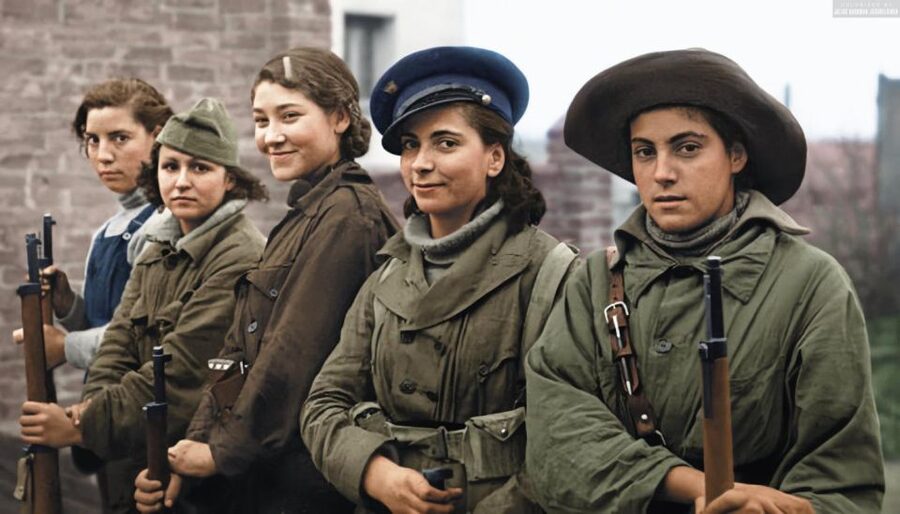
This tour is built for people who like the city’s surface view, but want the story underneath it. Barcelona is famous for architecture and big attractions, yet the Spanish Civil War lived through the same neighborhoods—through fear, propaganda, violence, and reprisals.
What you get here is not a classroom lecture stuck to one corner. You move through the old town feel of Barcelona while the guide connects what you’re seeing to what was happening. The key promise is that the tour brings the Civil War era to life because there are virtually no official museums or memorials that cover it in a standard, visitor-friendly way.
And that matters for you because it changes how you look at the city. Instead of treating buildings like decorations, you start treating streets like historical documents.
More Barcelona streets to take slowly




From Plaça de Catalunya to the Gothic Quarter: pacing you can handle
You’ll meet on the sidewalk in front of Foot Locker on Plaça de Catalunya, and your guide will be holding a white umbrella. The tour finishes about 2.5 hours later in the middle of the Gothic Quarter, near Barcelona city hall—a location that makes it easy to roll into your next walk.
About the pace: this is not the kind of “march for two hours” experience. Most stops involve a stroll between points, then standing in one place while the guide talks. Some guides even seem to get you asking questions on the spot, which helps time move quickly.
One practical note from the real-world experience of the tour: you should plan for standing. Comfortable shoes matter, and if you’re going in cold weather, wrap up—waiting for group flow and rain cover can take a bit.
The core story: factions, ideology, and why everyone thought they were right
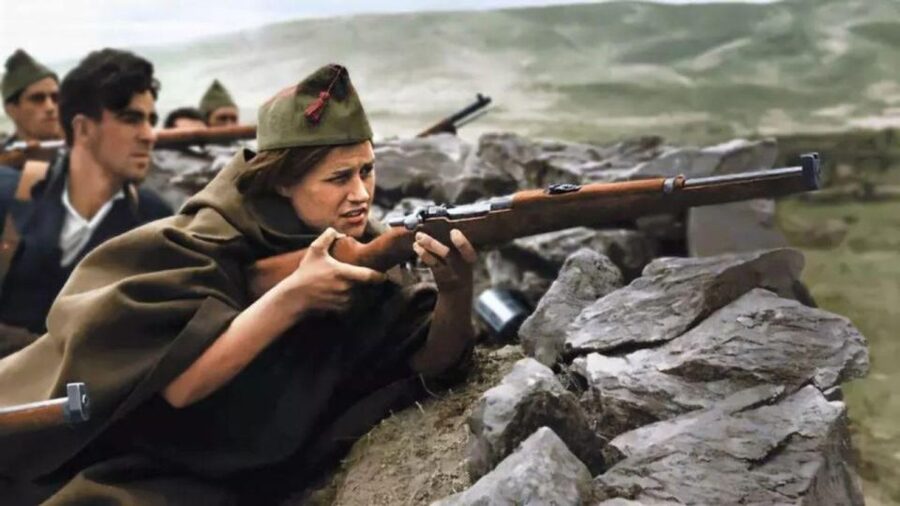
The Spanish Civil War story is complicated. You’ve got multiple factions, plus foreign involvement, plus the role of institutions. This tour’s value is that it doesn’t treat the conflict as a simple good-versus-bad movie.
Instead, the guide breaks the parties down into clear pieces. You’ll learn how to make sense of the battles between fascist, loyalist, and anarchist sides, plus how those ideologies shaped what people believed was the future of Spain. Guides also explain how the situation got worse leading up to the outbreak—so you understand why the country fractured instead of just memorizing the outcome.
This is exactly what you want if you’ve ever felt lost when reading about the Civil War. The tour is designed to help you connect the motivations, not just the names.
Orwell’s Barcelona and the power of seeing the city through a writer’s eyes
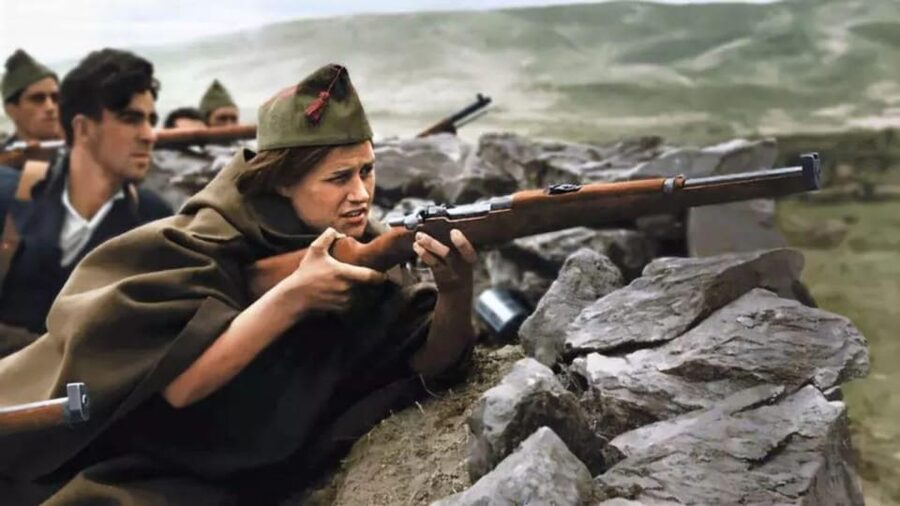
One highlight is that you’ll see places that connect to George Orwell’s Homage to Catalonia. Even if you don’t read everything in the book, the tour approach helps you understand what Orwell was responding to: the tension between ideology and lived reality.
For you, this is more than a literary trivia stop. It’s a way to turn “history from a page” into history you can point to. When you’re standing where Orwell’s observations would have landed, you start noticing the city details that support the larger story—like how public space can carry political memory.
If you’ve read Orwell already, you’ll likely appreciate how the tour ties text back to location. If you haven’t, you still get the benefit: the guide uses the Orwell connection to sharpen your understanding of what was happening in everyday life.
International help and major players: Hitler, Mussolini, and the Brigades
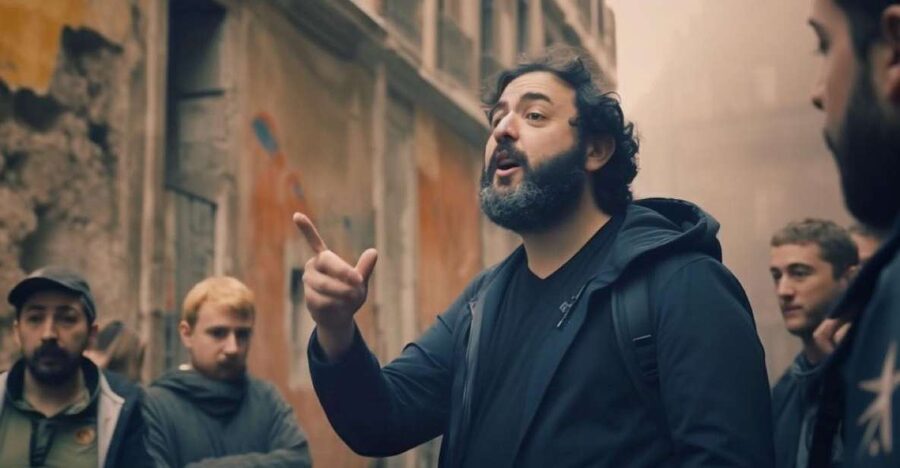
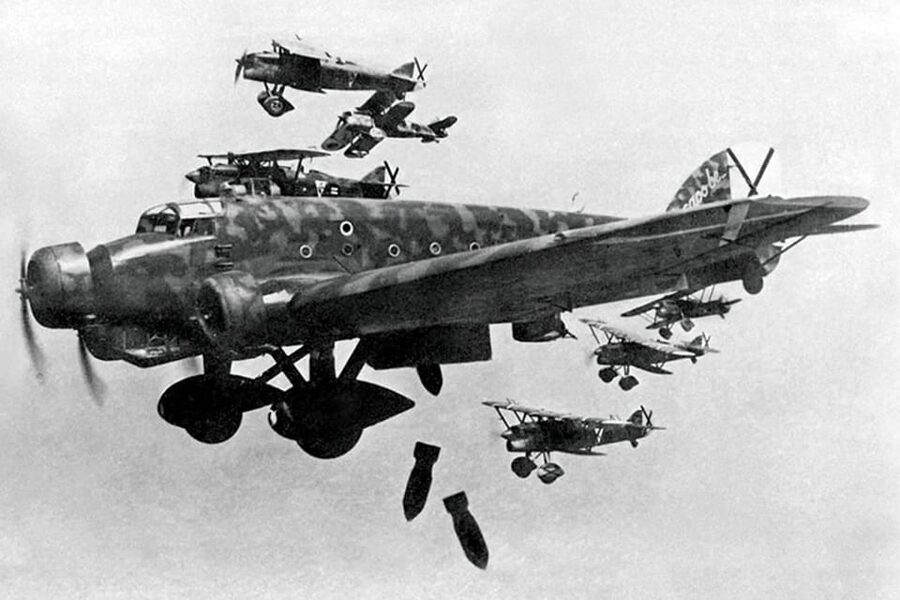
The tour doesn’t stay local for long. You’ll also tackle questions like the role of Hitler and Mussolini and how the International Brigades fit into the larger conflict. That’s crucial because the Civil War wasn’t just a civil matter—it became a test of ideologies that powerful countries watched closely.
You’ll also hear how Western Allies responded, plus why outsiders’ choices mattered for the war’s course. Even when you don’t fully know the Cold War-era logic in advance, the guide keeps the story anchored to cause and effect: who supported whom, and what that support meant on the ground.
That structure helps you avoid the common trap: thinking history is only about major leaders. Here, the focus is also on the political choices that shaped ordinary people’s safety, jobs, and daily life.
More of the old Barcelona to walk
- Barcelona: Tapas Walking Tour with Food, Wine, and History★ 4.8 · 4,261 reviews
- Barcelona Tapas Walking Tour: Food, Wine & History★ 4.5 · 1,928 reviews
- Barcelona: 2.5-Hour Bike or E-Bike Historical Tour★ 4.5 · 1,262 reviews
The Catholic Church’s role: politics meets institutions
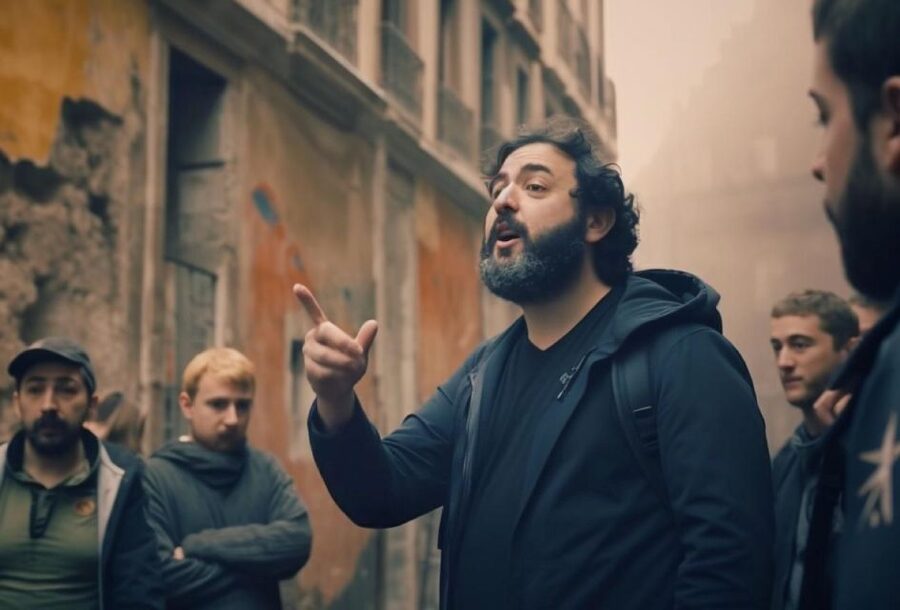
Another part of the tour worth your attention is how it handles the role of the Catholic Church. This isn’t treated like background noise. It’s presented as part of the pressure system around the conflict—an institution with influence, networks, and moral authority.
For you, the value is that it adds a layer many visitors miss when they only focus on armed groups. War isn’t just bullets and uniforms; it’s also legitimacy. When you understand who had social authority and how that authority was used, the rest of the story clicks into place.
The aftermath that still shows: the long dictatorship and Spain’s memory today
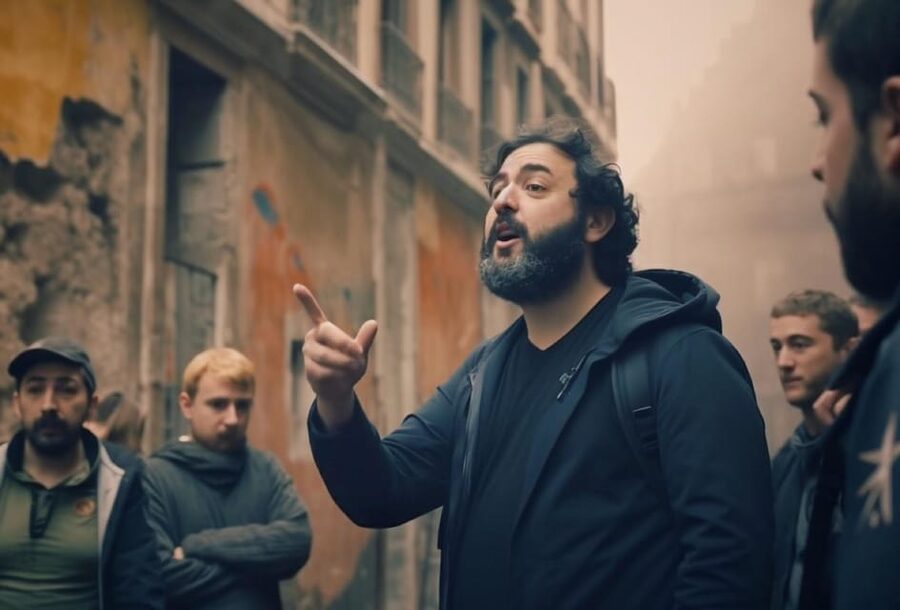
After the war, the tour explains the 36-year dictatorship that followed, and how that ended less than 50 years ago. The point isn’t just to state the timeline—it’s to show what dictatorship means in the real world: control, fear, and reshaped public life.
You’ll also learn how Spain deals with this period now. This part lands especially well because it connects history to modern-day issues. In multiple guide styles (you might meet names like Javier, Chrisa/Chryssa, Yannis/Yanis, Evan, Filipa, or Henrieta), the discussion tends to include the idea of historical memory and why remembering matters for democracy.
That connection is why this tour feels more relevant than many history walks. You’re not just learning what happened. You’re learning why societies keep arguing about what happened.
How the guides teach: clear explanations, strong visuals, and Q&A energy

The reviews make one thing obvious: the guides are the main event. Names that pop up repeatedly include Javier, Chrisa/Chryssa, Yannis/Yanis, Evan, Filipa, and Henrieta—and across them, the pattern is the same: they make a dense subject easier to follow.
You’ll likely notice three teaching moves:
- Complex factions explained in plain language
- Pictures/graphics used to support the story
- Time and space for questions
I like that last part. The tour actively invites you to ask what you’re still confused about. If the Spanish Civil War feels like a tangle, this is the kind of setting where you can untangle it in real time instead of guessing.
Some guides also connect the Civil War to the present in an intelligent way, not as propaganda. That’s the difference between a tour that hits you with opinions versus one that helps you think.
Wireless guiding and what that extra 1€ buys you
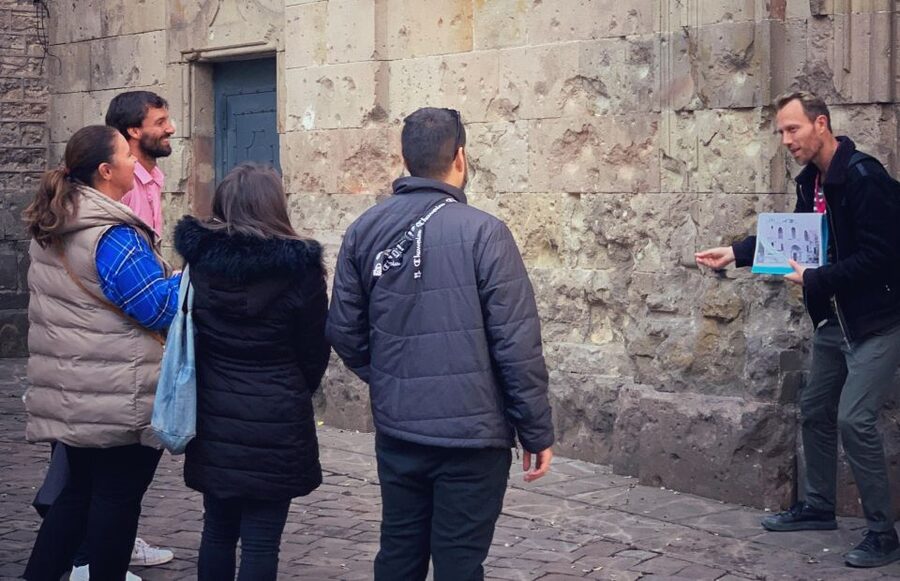
The tour often uses wireless tour guiding systems, depending on the guide. There’s an extra cost of 1€ per person charged at the beginning, and you can pay by card or cash.
For your comfort, wireless gear is a practical upgrade. It helps if you’re in a spot where voices carry poorly, especially in rain or crowd noise near the old-town streets.
Price and value: is $46 worth it for 2.5 hours?
At $46 per person for a 2.5-hour guided walk, this is priced like a focused specialty tour, not a general sightseeing loop. The “value” angle is simple: you’re paying for an expert guide who can explain the origins of the war, the factions, the foreign powers, the institutional role of the church, and the aftermath—all while pointing out how the city itself carries the scars.
Also, the tour is built around something visitors usually struggle to find on their own. There are virtually no official museums or memorials that package this specific story in a standard way. So for you, paying for a guided narrative is often the fastest route to understanding what you’re looking at.
Included is the professional tour guide, and you’re not expected to buy museum tickets. Food and drinks are not included, so plan to eat before or after.
Who this tour is for (and who might prefer a lighter day)
This tour is a great fit if you:
- like history that explains causes, not just dates
- want to understand ideology as a driver of real events
- prefer learning in the city streets instead of inside a museum
- enjoy asking questions and getting direct answers
It’s less ideal if you want a relaxed, casual Barcelona highlight day. This tour goes through war, dictatorship, and politics, and it’s not advised for children (even though children are allowed to join).
If you’re visiting Barcelona with a strong interest in Spain beyond food and flamenco, this is also the kind of tour that can change how you interpret the city for the rest of your trip.
Quick tips before you go
Bring comfortable shoes and dress for weather. The tour runs rain or shine.
If you’re new to the Spanish Civil War, you may find it helps to do a bit of reading first. The guide will absolutely explain everything during the walk, but having a few basic terms in your head makes the story easier to track.
And go in with an open, curious mindset. This isn’t just about choosing a side. It’s about understanding why the sides formed and how they acted.
Should you book it?
I think this tour is worth booking if you want Barcelona to make sense as more than a postcard city. You’re getting a structured guide who can untangle factions, explain foreign involvement, and connect the war to Spain’s memory today—all in about two and a half hours.
If you’re sensitive to heavy political material, or you want a low-stimulation outing, you may want to skip it. But if you’re the type who likes history with context, street-level evidence, and strong guide storytelling, this is one of the best “specialty” experiences in Barcelona for your time.
More of Barcelona on Foot
- Barcelona Tapas and Wine Experience Small-Group Walking Tour
★ 5.0 · 5,804 reviews - Barcelona: Tapas Walking Tour with Food, Wine, and History
★ 4.8 · 4,261 reviews - Barcelona: Food Walking Tour with Tapas and Wine
★ 4.9 · 2,180 reviews - Barcelona Tapas Walking Tour: Food, Wine & History
★ 4.5 · 1,928 reviews - Barcelona Helicopter, Sailboat & Old Town Private Walking Tour
★ 5.0 · 1,395 reviews
More Ways to Tour Barcelona
- Barcelona: Casa Batlló Entry with Self-Audioguide Tour
★ 4.7 · 25,359 reviews - Barcelona: 24 or 48-Hour Hop-On Hop-Off Bus Tour
★ 4.4 · 20,872 reviews - Barcelona: Park Guell Guided Tour with Skip The Line Entry
★ 4.7 · 17,563 reviews - Barcelona: Sagrada Familia Skip-the-Line Entry Ticket & Tour
★ 4.8 · 12,789 reviews - Barcelona: FC Barcelona Museum “Barça Immersive Tour” Ticket
★ 4.4 · 10,944 reviews
More Barcelona Tours on Our Radar
- Barcelona: Sagrada Familia Entry Ticket with Audio Guide
★ 4.6 · 105,312 reviews - Barcelona: Park Güell Admission Ticket
★ 4.4 · 76,534 reviews - Barcelona: Casa Batlló Entry with Self-Audioguide Tour
★ 4.7 · 25,359 reviews - Barcelona: Montjuïc Cable Car Roundtrip Ticket
★ 4.5 · 22,368 reviews - Barcelona: Hola Barcelona Public Transport Travel Card
★ 4.5 · 20,985 reviews
Just Rated Around Barcelona





Walking Tours, compared.
 ★ 5.0Barcelona Tapas and Wine Experience Small-Group Walking TourFrom $835,804 reviews
 ★ 4.8Tapas Walking Tour with Food, Wine, and HistoryFrom $784,261 reviews
 ★ 4.9Food Walking Tour with Tapas and WineFrom $1002,180 reviews
 ★ 4.5Barcelona Tapas Walking Tour: Food, Wine & HistoryFrom $661,928 reviews
 ★ 5.0Barcelona Helicopter, Sailboat & Old Town Private Walking TourFrom $5131,395 reviews
 ★ 4.8Old Town and Gothic Quarter Walking TourFrom $211,393 reviews
 ★ 4.9City Walking Tour with a Local GuideFrom $291,384 reviews
 ★ 5.0Guided Food Walking Tour with Tapas and WineFrom $95848 reviews
Browse the lists this tour appears in