
Reviewed · WINE TOURS
Barcelona Wine Tasting: Catalan and Spanish Wines
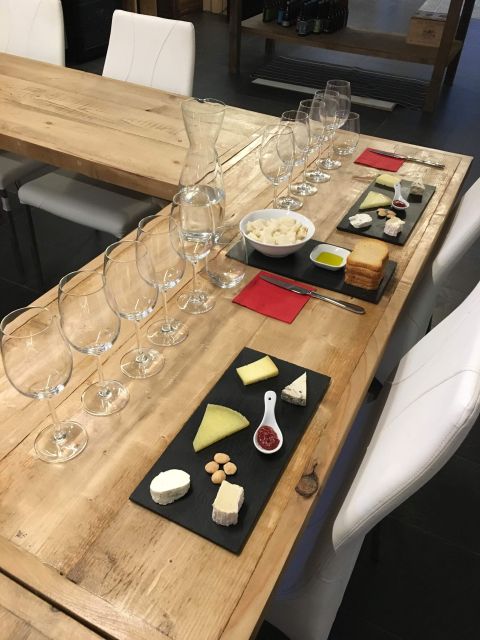
Five pours, fast education in wine. In Barcelona’s Old Town, this tasting mixes Catalan and Spanish wines with real-time guidance on tasting and pairing, so it feels friendly instead of stuffy. I really like the way hosts such as Omar or Robert translate regions and grape choices into what you can smell and taste right away, and the overall format stays relaxed and social.
Two things I love most: you get 5 regional wines plus a sparkling pour, and you also get practical pairing help with snacks or cheese tips. One thing to consider is that the food component depends on the option you book, so if you’re expecting a full meal, you’ll want to plan dinner after.
In This Review
- Key things you’ll notice in this Barcelona wine tasting
- Barcelona’s Old Town + wine lessons in 1.5 hours
- What happens during the tasting (and why the flow feels easy)
- The wine lineup: 1 sparkling, 2 whites, 2 reds, all from regions
- Pairing snacks or cheeses without overthinking it
- Catalonia and Spain: what you’re meant to compare
- Tasting techniques you can actually use later
- The group vibe: casual chat, small setting, easy questions
- Price and value: is $41 fair for what you get?
- Logistics that matter: where to meet and who it’s for
- Should you book Barcelona Wine Tasting: Catalan and Spanish Wines?
- FAQ
- How long is the wine tasting?
- What wines are included?
- Is there food included with the wine?
- What language is the instruction in?
- Where do I meet the guide?
- Who is this experience not suitable for?
Key things you’ll notice in this Barcelona wine tasting
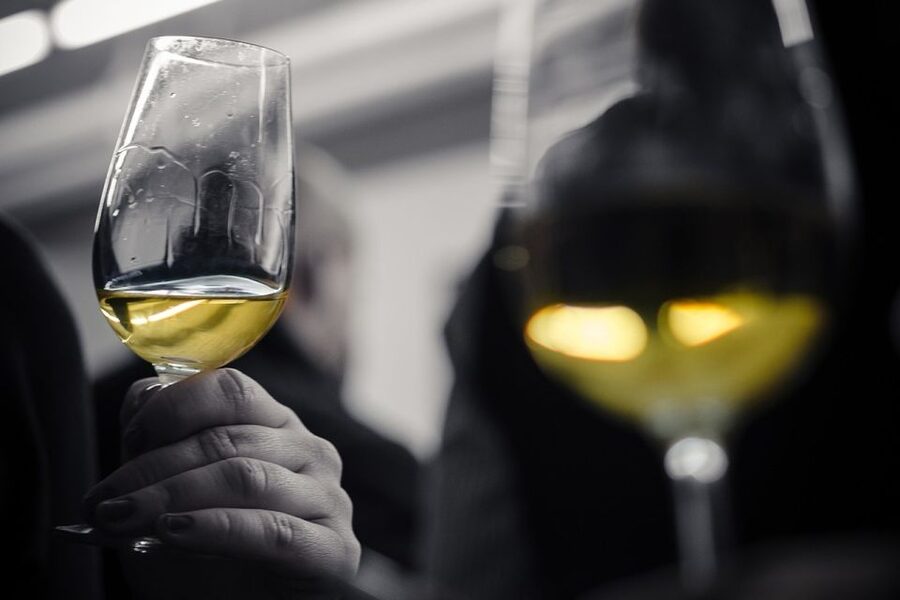
- 5 regional wines plus 1 sparkling pour, with water included
- A friendly, English-speaking sommelier who helps you taste with a simple method (look, smell, taste)
- Food pairing support: snacks or cheeses, matched to the wines you try
- The focus is on Spain and Catalonia wine regions, with grape variety talk built in
- A small-bar vibe that makes it easy to ask questions and chat with others
Barcelona’s Old Town + wine lessons in 1.5 hours
This is the kind of activity that works on travel days. You’re not committing to a half-day drive or a complicated schedule. In 1.5 hours, you’ll sample five regional wines (plus a sparkling) and get structured guidance from an instructor in English.
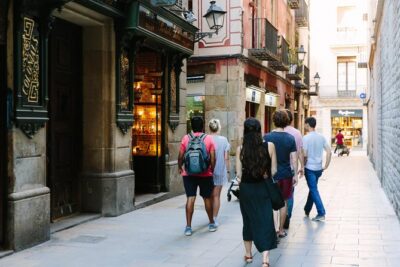
The setting matters. The meeting point is marked by big wooden doors, right in the Old Town area. That location is handy because it’s easy to turn the tasting into an evening: you can come straight from walking the historic streets, then finish with dinner nearby.
Also, you’re not locked into a silent, classroom mood. The tasting is built around conversation. People ask questions, the sommelier answers, and you move through the flight with quick tasting techniques instead of long lectures.
More Catalan plates and pours to try


What happens during the tasting (and why the flow feels easy)
Here’s the basic rhythm you can expect. You’ll get an introduction to how Spanish and Catalan wines are described—regions, grapes, and what those choices mean in your glass. Then the tasting moves wine by wine, with short pauses for you to practice tasting.
The best part is the pacing. It’s long enough that you taste multiple wines and actually notice differences, but short enough that you stay mentally fresh. For a lot of people, this is their first serious tasting. You don’t need to know anything ahead of time.
Most hosts also guide you through the senses step-by-step, not with jargon. From the way hosts lead sessions, the method tends to go like this:
- Look at the wine in the glass
- Smell what stands out
- Taste and connect flavor to grape/region explanations
That structure helps because it gives your brain something to do besides just sip. It turns random drinking into pattern recognition.
And because the group experience is intimate, it’s easier to ask for clarification. Guides like Vivien/Vivian and Christina are known for keeping the tone welcoming and making sure you’re not lost.
The wine lineup: 1 sparkling, 2 whites, 2 reds, all from regions
This tasting is built around variety. You’ll try a set that includes:
- 1 sparkling wine
- 2 white wines
- 2 red wines
- Total: 5 regional wines
That layout is smart. Sparkling gives you a quick baseline for acidity and how bubbles change flavor perception. Whites then teach you how lighter wines can still be complex in aromatics and texture. Reds round it out so you can compare how different regional styles express themselves in a fuller body.
You’ll also hear about the grapes and get guidance on how to interpret them. The experience is designed for both novices and wine fans, so don’t worry if you don’t already have opinions about terroir, oak, or anything like that. The goal is to help you leave with a sharper sense of what you like—and why.
Pairing snacks or cheeses without overthinking it
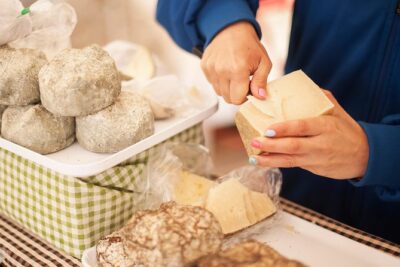
Food pairing is included, but the exact format depends on the option you book. You’ll either get snack pairings or cheese-related pairing tips.
Either way, the idea stays the same: each wine comes with a bite that helps highlight certain flavors. This is one of the best ways to learn, because pairing forces you to notice how taste changes when something salty, creamy, or savory hits the palate.
A few practical benefits:
- You learn faster than by reading notes alone
- You pick up what to look for when tasting is confusing
- You get confidence for ordering wine later with actual food
If you’re traveling with dietary needs, pay attention to what’s stated when you book. One participant noted the host handled allergies, so it’s worth communicating your needs ahead of time so the pairing matches your situation.
Also, a small caution: one person felt the snacks weren’t as substantial as expected for the price. So if you want a bigger food experience, treat this as wine + bite-sized pairing, not a full dinner.
Catalonia and Spain: what you’re meant to compare
The tasting isn’t just a random assortment. It’s aimed at giving you a framework for Spanish wine regions and how they differ. You’ll hear about regions, grapes, and how those choices show up in the glass.
Here’s what you should focus on while you taste, even if you’re a beginner:
- Do the wines feel more crisp or more soft?
- Do the aromas lean fresh, fruity, herbal, or more earthy?
- How does each wine change after a bite?
That’s the real learning. The “regional” part isn’t theoretical—it’s something you can test in real time. By the end, you’ll have a short list in your mind of what you like, and what to search for when you’re buying bottles later.
And since the experience is specifically Catalan and Spanish focused, you’ll be able to compare that identity right in the flight. Catalonia shows up as a core part of the story, not an afterthought.
More cellar doors within reach of Barcelona
- Barcelona: Montserrat, Cogwheel, Black Madonna & Winery Tour★ 4.8 · 5,633 reviews
- Barcelona: Tapas Walking Tour with Food, Wine, and History★ 4.8 · 4,261 reviews
- Montserrat Lunch & Wine at Farmhouse Small Group from Barcelona★ 5.0 · 2,368 reviews
Tasting techniques you can actually use later
This is a hands-on tasting, and the technique tips are meant to stick. You’ll likely learn a few “do this next time” habits, like how to slow down and pay attention to aroma, or how to taste with small sips instead of gulping.
One of the most praised parts is that the hosts make it practical. You’re not just told facts—you’re taught how to read a wine. People also appreciated that pours can feel generous for the length of the session, which matters because you need enough wine in your system to notice differences.
If you’re the type who usually tastes wine and thinks, I don’t know what I’m tasting, this format helps. It gives you language you can use without sounding pretentious. And it encourages questions, so if you’re unsure about what you’re smelling, you’re not stuck guessing alone.
The group vibe: casual chat, small setting, easy questions
This doesn’t feel like a formal tasting room where you feel watched. It’s more like a wine bar session with a guide at the front, and the small group size keeps it conversational.
Several participants specifically highlighted:
- a relaxed atmosphere
- hosts who answered questions comfortably
- a pace that makes the wines feel distinct
One extra note: there can be flexibility in how it plays out. One participant had a more private tasting when fewer people showed up. So while you shouldn’t count on that, it’s a good sign that the host’s style can adapt.
Timing-wise, plan to show up a little early. You’ll want a calm start so you can settle in and begin learning from the first pour.
Price and value: is $41 fair for what you get?
At $41 per person for 1.5 hours, the value depends on what you want from a tasting.
If your goal is only to drink wine, you could probably find cheaper options. But this isn’t just a pour-and-go. You’re paying for:
- a guided explanation of Spanish/Catalan wine regions
- a tasting method you can use again
- a structured flight of 5 regional wines plus sparkling
- food pairing support (snacks or cheese tips)
- water and included venue tips
The hidden value is the “how to” part. If you walk out knowing what you actually enjoy, you can make better choices the rest of your Barcelona trip—ordering wine that fits your taste, or buying a bottle with more confidence.
One more value point: the hosts may share restaurant or wine bar tips afterward, which can turn the tasting into a launchpad for the next stop that same evening.
Logistics that matter: where to meet and who it’s for
The meeting point is simple: look for the big wooden doors.
The session is run in English, and it lasts 1.5 hours. It’s also not suitable for pregnant women and children under 18, so double-check this if you’re traveling with family.
If you want a low-stress first wine activity in Barcelona—something you can fit between sightseeing without a long commute—this checks the boxes.
Should you book Barcelona Wine Tasting: Catalan and Spanish Wines?
Book it if you want:
- a guided intro to Spanish and Catalan wine regions
- a tasting format with clear technique tips
- a relaxed, social setting that works even if you’re new to wine
Skip it (or consider alternatives) if:
- you want a full meal, not just snacks or cheese pairings
- you prefer self-guided wine shopping without any instruction
If you’re deciding whether to do this now or later, my practical take is: do it early in your Barcelona trip. The tasting gives you a baseline so every wine choice after feels easier.
FAQ
How long is the wine tasting?
The tasting lasts 1.5 hours.
What wines are included?
You get 5 regional wines plus 1 sparkling wine. The set includes 2 white wines and 2 red wines, along with water.
Is there food included with the wine?
Yes. You’ll get snack pairing or cheese pairing tips, depending on the option you booked.
What language is the instruction in?
The instructor guides the tasting in English.
Where do I meet the guide?
Meet at the location by looking for the big wooden doors.
Who is this experience not suitable for?
It is not suitable for pregnant women and children under 18 years old.
Cellar Doors Near Barcelona
- Montserrat Half-Day Tour with Tapas and Gourmet Wines
★ 5.0 · 7,359 reviews - Montserrat & Cogwheel Train, Gourmet Wine Tasting & Tapas/Lunch
★ 5.0 · 6,290 reviews - Barcelona Tapas and Wine Experience Small-Group Walking Tour
★ 5.0 · 5,804 reviews - Barcelona: Montserrat, Cogwheel, Black Madonna & Winery Tour
★ 4.8 · 5,633 reviews - Montserrat with Black Madonna & Medieval Winery with Tapas/Lunch
★ 5.0 · 5,209 reviews
Plates and Pours Across Barcelona
- Montserrat & Cogwheel Train, Gourmet Wine Tasting & Tapas/Lunch
★ 5.0 · 6,290 reviews - Barcelona: Tablao Flamenco Cordobes with Food/Drink Options
★ 4.6 · 4,368 reviews - Barcelona: Tapas Walking Tour with Food, Wine, and History
★ 4.8 · 4,261 reviews - Barcelona: Food Walking Tour with Tapas and Wine
★ 4.9 · 2,180 reviews - Barcelona Tapas Walking Tour: Food, Wine & History
★ 4.5 · 1,928 reviews
More Barcelona Tours on Our Radar
- Barcelona: Sagrada Familia Entry Ticket with Audio Guide
★ 4.6 · 105,312 reviews - Barcelona: Park Güell Admission Ticket
★ 4.4 · 76,534 reviews - Barcelona: Casa Batlló Entry with Self-Audioguide Tour
★ 4.7 · 25,359 reviews - Barcelona: Montjuïc Cable Car Roundtrip Ticket
★ 4.5 · 22,368 reviews - Barcelona: Hola Barcelona Public Transport Travel Card
★ 4.5 · 20,985 reviews
Just Rated Around Barcelona


Wine Tours, compared.
 ★ 5.0Montserrat Half-Day Tour with Tapas and Gourmet WinesFrom $557,359 reviews
 ★ 5.0Montserrat & Cogwheel Train, Gourmet Wine Tasting & Tapas/LunchFrom $816,290 reviews
 ★ 5.0Barcelona Tapas and Wine Experience Small-Group Walking TourFrom $835,804 reviews
 ★ 4.8Montserrat, Cogwheel, Black Madonna & Winery TourFrom $555,633 reviews
 ★ 5.0Montserrat with Black Madonna & Medieval Winery with Tapas/LunchFrom $655,209 reviews
 ★ 4.8Tapas Walking Tour with Food, Wine, and HistoryFrom $784,261 reviews
 ★ 5.0Montserrat Lunch & Wine at Farmhouse Small Group from BarcelonaFrom $952,368 reviews
 ★ 4.9Food Walking Tour with Tapas and WineFrom $1002,180 reviews
Browse the lists this tour appears in