Reviewed · BARCELONA
Made in Catalonia, Barcelona with Culinary Backstreets
Barcelona smells like breakfast. This 5.5-hour small-group food walk uses Barcelona’s everyday eating places to explain the Catalan kitchen without getting stuck in politics. You start with coffee and traditional pastries, then move through two markets and a string of shops in the Gràcia area, guided by a local who knows how food connects to daily life.
I like that the tour gives you a true Catalan meal flow, not just random bites. You get breakfast-style food, plus lunch and snack stops, so you finish full and happy instead of still hungry when you’re back on your own. I also like the intimate size (max 7), which makes it easier to ask questions about what you’re tasting and how things work at neighborhood counters.
One thing to plan for: you will be walking a lot. If you’re even a little picky about your shoes, bring comfortable footwear and expect a steady pace for most of the morning.
In This Review
- Key things to know before you go
- The vibe: Catalan food that explains the neighborhood
- Price and time: what $160 buys you in real meals
- Where you meet and how to pace the morning
- Stop 1: Mercat de la Boqueria and the first Catalan tastes
- Stop 2: Mercat de la Llibertat for a more local market feel
- Stop 3: Passeig de Gràcia and the Gràcia neighborhood mindset
- The food: breakfast, lunch, and snacks that feel like a full day
- Guides: the difference between eating and understanding
- Group size and comfort: who this tour suits best
- Practical tips that actually help
- The bottom line: should you book this Made in Catalonia food tour?
- FAQ
- What does the tour include for food?
- How long is the Made in Catalonia Barcelona tour?
- What’s the price per person?
- How many people are in the group?
- What time and where do we meet?
- Is the tour offered in English?
Key things to know before you go
- Small group (max 7): more time with your guide and fewer people to weave around.
- Breakfast + lunch + snacks: a full food day, not a quick sampler.
- Two markets: Mercat de la Boqueria plus a lesser-known public market, Mercat de la Llibertat.
- Gràcia focus: your route leans into local shops along Passeig de Gràcia rather than only the big-ticket sights.
- Guides with personality: people like Ivan, Senem, Pamela, and Lynda are specifically praised for being friendly and doing clear food explanations.
- Taste-and-ask culture: you may be prompted to try seasonal specialities like snails and mushrooms, if you’re game.
The vibe: Catalan food that explains the neighborhood
This tour is built around the idea that food is a shortcut to understanding Barcelona’s Catalan side. Instead of treating Catalonia like a debate topic, you treat it like a living place where people shop, cook, and snack on schedule.
What makes that work for you is the shape of the day. You don’t just pop into a couple of famous spots; you do a morning-to-midday progression. Coffee and pastries kick things off, then markets bring you right into how vendors think, price, and talk. By the time you reach the shops along Passeig de Gràcia, the tastings start to feel connected—more like you’re learning a way of life than collecting edible souvenirs.
And the small group size matters more than you might think. With up to 7 people, it’s easier to slow down when a question comes up, or to get guidance if a dish looks unfamiliar.
Torn between options? Line this one up against other Barcelona picks.

Price and time: what $160 buys you in real meals
The price is $160 per person for about 5 hours 30 minutes. Is it expensive? Yes, a bit—one review flat-out called it slightly more expensive but worth it.
Here’s why it can still feel like good value. You’re getting a structured set of food moments across markets and shops: coffee and traditional pastries at the start, plus multiple tasting stops that cover breakfast, lunch, and snacks. That’s a lot of planned eating for a half-day walking event. Also, you’re not just buying food—you’re buying someone local who helps you understand what you’re seeing and tasting as you go.
You’ll also notice the route is built for efficiency. You’re not spending your entire time in one place waiting around. You have a clear sequence: Mercat de la Boqueria (about 2 hours), Mercat de la Llibertat (about 1 hour), and then a focused run along Passeig de Gràcia (about 1 hour), plus the walking time between.
Where you meet and how to pace the morning
You start at Plaça de Gal·la Placídia, 30, in Gràcia (08006 Barcelona), with a start time of 9:00 am. The activity ends back at the meeting point.
That 9:00 am start is a smart move because food tours can get harder to enjoy when the day is fully started and you’re already tired from sightseeing. This one gives you a “morning anchor” so you can use the rest of your trip with better energy.
Pacing is part of the design. Even with multiple tastings, the tour is written to keep you moving between places, and reviewers specifically point out that it’s a lot of walking. I’d plan to treat this as your main activity of the morning block, not something to tack onto a packed itinerary right before lunch.
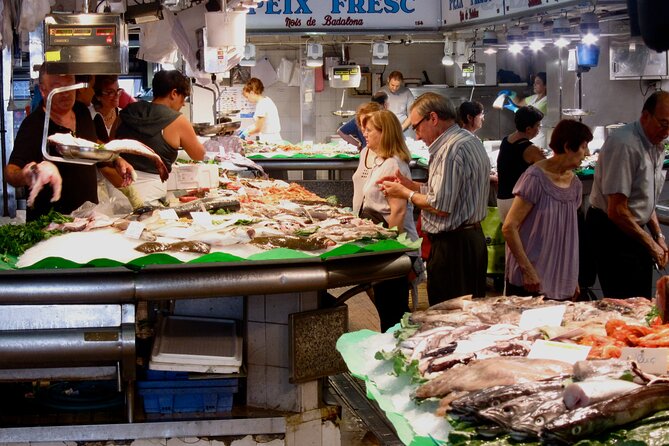
Stop 1: Mercat de la Boqueria and the first Catalan tastes
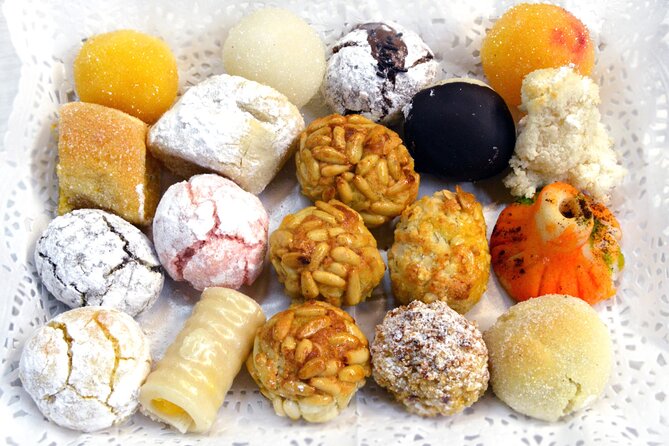
You begin at Mercat de la Boqueria, after kicking things off with coffee and traditional pastries in a century-old sweets shop. That first tasting step matters because it sets the tone: this is not just a market tour. It’s a food-forward introduction to how Catalans start the day.
From there, you move through two celebrated market stops as part of your early tasting run. The goal is simple: small bites that let you sample what’s available and then learn what to look for when you see similar ingredients outside the tour.
What to expect here:
- Coffee and pastries to start you off gently.
- A guided walk through market stalls where your guide points out what’s worth tasting and why.
- Food tastings that feel like “breakfast-to-early-day eating,” not late brunch grazing.
Potential drawback: if you’re the type who hates uncertainty, market food can be a little unpredictable at first—different vendors, different portions, different flavors. The upside is your guide is there to help you read what you’re being offered so you can choose confidently as you go.
Stop 2: Mercat de la Llibertat for a more local market feel
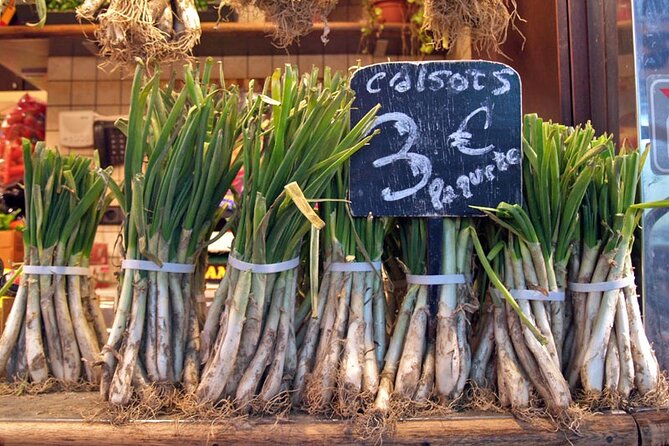
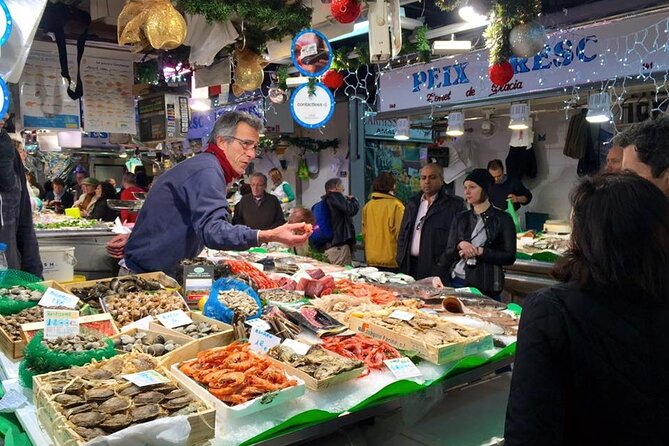
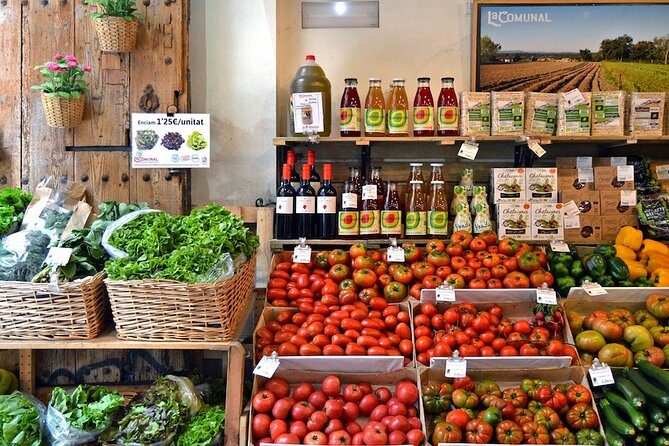
After Boqueria, you head to Mercat de la Llibertat, a public market that’s described as lesser-known. That’s a meaningful difference. A famous market can teach you a lot about “Barcelona as seen from the outside.” A smaller, local market tends to teach you more about how people actually shop week to week.
This stop runs about 1 hour. That’s enough time to slow down, meet vendors through the guide’s explanations, and taste what’s being sold at neighborhood counters.
What makes this portion valuable:
- You get a contrast. Boqueria gives you the big, well-known market energy. Llibertat gives you something closer to everyday routines.
- You learn by doing: tasting while walking, instead of just staring at displays.
- You get a chance to understand vendor culture—what’s common, what’s special, and how Catalan food shows up in regular meals.
If you’re the kind of person who wants to see where locals do the weekly basics, this stop is a highlight of the day.
- Barcelona: Hola Barcelona Public Transport Travel Card★ 4.5 · 20,985 reviews
- Barcelona: 24 or 48-Hour Hop-On Hop-Off Bus Tour★ 4.4 · 20,872 reviews
- Barcelona: Park Guell Guided Tour with Skip The Line Entry★ 4.7 · 17,563 reviews
Stop 3: Passeig de Gràcia and the Gràcia neighborhood mindset
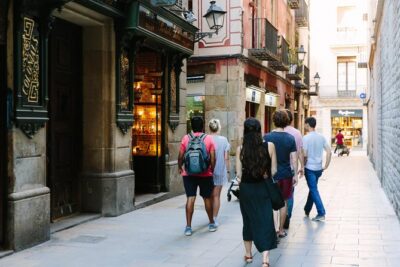
Then the tour shifts from pure market land into neighborhood shops along Passeig de Gràcia. Even though Passeig de Gràcia is a famous corridor, this experience is framed around the Gràcia neighborhood feel—where you learn Catalan day-to-day life and kitchen habits in a more local setting.
You’ll visit a dozen places in this final segment, ranging from rustic to refined. That mix is important: Catalan food isn’t one costume. It’s comfort, it’s craft, and it’s also something a little fancy when the occasion calls for it.
What to expect:
- Short tasting stops across multiple shop styles.
- Explanations tied to daily life, so the food feels more grounded.
- A guided look at how Catalan kitchen choices show up across different types of places.
One practical note: because this part is shop-hopping, you’ll be switching environments a lot—market air, shop air, different counters, different smells. If you have a sensitive stomach or strong-food aversions, let your guide know at the beginning so they can help you steer the tastings.
The food: breakfast, lunch, and snacks that feel like a full day
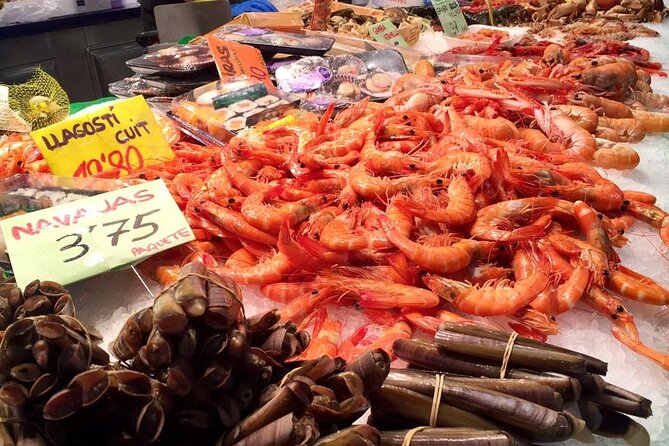
The strongest praise for this tour isn’t just that it’s food-focused. It’s that it delivers a full food arc: authentic Catalan breakfast, lunch, and snacks. That’s why it works for people who want one great morning meal instead of hunting for food later.
You might also hear your guide offer seasonal specialities. One review specifically notes that the guide asked about interest in seasonal items like snails and mushrooms and adjusted tastings to match preferences. That tells me you should treat this as flexible rather than rigid: you’re not locked into one menu, and your guide may try to match your comfort level and curiosity.
A realistic expectation:
- You’ll try multiple items across stops.
- Portions are typically tasting-sized, so you’ll sample a variety of flavors rather than one giant plate.
- The tour is designed so you leave satisfied, since it’s structured like breakfast + lunch + snacks, not just “a few nibbles.”
Guides: the difference between eating and understanding
Small-group food tours live or die by the guide, and this one has strong guide praise. Names that show up in the feedback include Ivan, Senem, Pamela, and Lynda. The common theme: friendly delivery plus clear explanations about food and neighborhood context.
I like that several of these guides focus on more than taste. They connect the food to how people live in the area, with history and culture woven into the walk rather than tacked on as a lecture. That’s the difference between sampling and learning.
If you care about getting context—why something is made a certain way, what local habits look like, how markets fit into daily routines—this tour is the kind you’ll enjoy more than a purely snack-based route.
Group size and comfort: who this tour suits best
Maximum group size is 7 travelers, and that intimacy is a big selling point. It’s especially helpful if you’re traveling as a solo person. One review specifically mentioned that the tour felt easy to join even when traveling alone.
This tour likely suits you if:
- You want Catalan food in a structured half-day.
- You enjoy markets but also want someone to interpret what you’re seeing.
- You prefer smaller groups over big bus-style tours.
- You’d like to walk through Gràcia as a “real neighborhood” rather than a quick photo stop.
It might be less ideal if:
- You hate walking in a cluster of stops for about 5.5 hours.
- You have strict dietary needs. The tour data doesn’t spell out specific allergy handling, so you’d want to communicate your needs directly before booking.
Practical tips that actually help
Here are the details that matter for a smoother experience, based on what’s emphasized by guides and past participants.
Wear comfortable shoes. This is a walking-focused tour, and one review calls it out clearly. You don’t want to spend the middle of your morning worrying about sore feet.
Come hungry but not stressed. The schedule is designed to feed you across stops. If you eat a heavy breakfast right before, you may still enjoy the tastings, but you’ll lose some of the satisfaction.
Be open to trying seasonal items. If you’re the type who only wants familiar flavors, you can still enjoy the tour—but you’ll enjoy it more if you’re willing to try at least a little outside your comfort zone. One review notes that tastings included items like snails and mushrooms when the guide asked what people were interested in.
Check your Culinary Backstreets Passport. The company mentions that you can check your passport on their website to see the Barcelona stamp you’ve collected. It’s a small perk, but it gives a nice sense of progress across multiple tours.
The bottom line: should you book this Made in Catalonia food tour?
I’d book this tour if you want a small-group Catalan food day that’s more than a checklist of famous places. The format—coffee and pastries, then two markets, then shop stops along Passeig de Gràcia—gives you variety and context in about half a day. The guide quality seems consistent, and the fact that the tour is built around breakfast, lunch, and snacks makes the $160 feel more grounded than tours that only offer a handful of bites.
I’d think twice if you’re not comfortable with sustained walking or if you’re trying to fit this around tight mobility needs. Also, if you’re determined to stick to only very familiar foods, you may want to confirm how tastings are handled for preferences before you go.
If you’re aiming for authentic, neighborhood-level Barcelona through food, this one is a strong bet.
FAQ
What does the tour include for food?
You can expect authentic Catalan breakfast items, lunch, and snacks, starting with coffee and traditional pastries and continuing through tastings at markets and shops.
How long is the Made in Catalonia Barcelona tour?
The tour runs about 5 hours 30 minutes (approx.).
What’s the price per person?
The listed price is $160.00 per person.
How many people are in the group?
The maximum group size is 7 travelers.
What time and where do we meet?
You meet at Plaça de Gal·la Placídia, 30, Gràcia, Barcelona, and the start time is 9:00 am. The tour ends back at the meeting point.
Is the tour offered in English?
Yes, the tour is offered in English and uses a mobile ticket.
More Barcelona Tours on Our Radar
- Barcelona: Sagrada Familia Entry Ticket with Audio Guide
★ 4.6 · 105,312 reviews - Barcelona: Park Güell Admission Ticket
★ 4.4 · 76,534 reviews - Barcelona: Casa Batlló Entry with Self-Audioguide Tour
★ 4.7 · 25,359 reviews - Barcelona: Montjuïc Cable Car Roundtrip Ticket
★ 4.5 · 22,368 reviews - Barcelona: Hola Barcelona Public Transport Travel Card
★ 4.5 · 20,985 reviews