
Reviewed · LA RAMBLA TOURS
Premium Paella & Tapas Feast: Unlimited Wine & Rambla Views
If you like your Barcelona food day to start with shopping, this fits. You’ll meet at La Rambla 58, hit La Boqueria, then cook a 5-course meal that ends with the fun, hands-on torching of Catalan cream.
Two things I really like: the La Boqueria market immersion first (so your paella doesn’t feel like a random lesson), and the unlimited premium Spanish wine that keeps the whole class upbeat. A possible drawback to weigh: it’s a small-group class (max 12) with a set menu and strong alcohol focus, so it may not feel as good if you don’t drink wine.
In short: you get food, technique, and atmosphere in one package—plus you’ll be right by Las Ramblas when you’re done.
In This Review
- Key highlights worth your time
- La Rambla 58 to La Boqueria: why this start sets you up
- The kitchen intro: turning ingredients into a 5-course plan
- Your menu, decoded: what you’ll actually taste and how it fits together
- Unlimited wine that starts when cooking starts
- The hands-on paella and tapas part: learning that sticks
- Hand-torched Catalan cream: the moment you’ll talk about
- Views of Las Ramblas from the kitchen: location is part of the deal
- Who this class suits best (and who should think twice)
- Price and logistics: does $119.09 make sense?
- Should you book this Barcelona paella and tapas feast?
- FAQ
- What time does the experience start?
- Where do I meet for the class?
- What dishes are included in the meal?
- Is wine included, and is it unlimited?
- How large is the group?
- Is the tour offered in English?
- What happens if weather is poor?
Key highlights worth your time
- La Boqueria market shopping at the start, choosing seafood and produce for your own meal
- Small-group cooking (max 12), so questions don’t get lost in the noise
- Unlimited premium Spanish wine from family Rioja and Ribeira Sacra vineyards, flowing during cooking
- 5-course workshop menu, including tomato bread, two Mediterranean tapas, seafood paella, and Catalan cream
- Hand-torched Crème Catalana finale, where you caramelize your own top
La Rambla 58 to La Boqueria: why this start sets you up
Barcelona can be a lot. Streets, crowds, menus everywhere. What I like about this experience is that it kicks off with a simple rhythm: meet at La Rambla 58, then head straight to the market while everything still feels fresh and focused.
La Boqueria is famous for a reason, but it can also be overwhelming. Here, you’re not just wandering. You’re shopping with a purpose: sourcing high-quality seafood and produce for the menu you’ll cook later. That matters, because you end up understanding what drives flavor. When you pick ingredients yourself, the finished paella tastes less like a dish you ordered and more like something you built.
You’ll also get local shopping tips along the way. Even if you don’t plan to cook paella at home every week, those small habits help you shop better when you’re back in a supermarket or a different market city.
Practical tip: wear shoes you can stand in comfortably. Market time plus kitchen time adds up, and La Rambia/Boqueria areas reward good footwork.
More strolls along and off La Rambla

The kitchen intro: turning ingredients into a 5-course plan
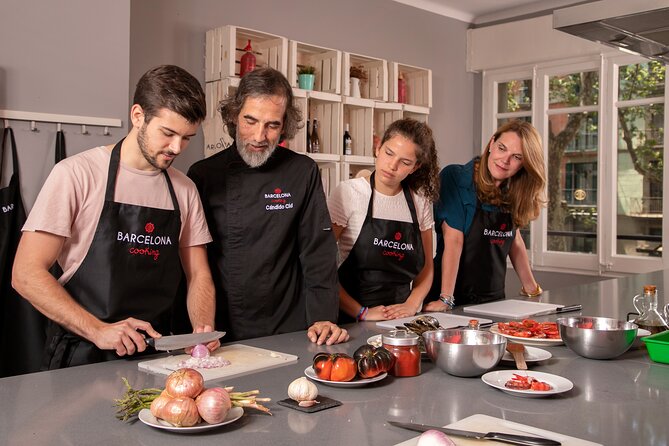
Back in the historic kitchen, you’ll tie on your apron and get the game plan. The class centers on a 5-course menu that includes starters, tomato bread, two Mediterranean tapas, a signature seafood paella, and dessert.
What makes this format feel different from a basic cooking demo is the hands-on workshop setup. You’re not just watching one person work. You’re learning the steps and techniques that make Spanish food what it is: timing, seasoning, and handling ingredients without overcomplicating it.
If you’re the kind of person who likes to know the why (not just the what), you’ll likely enjoy the teaching style. People who’ve taken classes here have highlighted instructors who explain the process clearly and in a way that’s easier to remember when you cook again.
You may have different instructors depending on the day. Names that have come up include Juan, Sonia, and Renata, and the consistent theme is that they keep instruction friendly and organized, with plenty of attention in a max-12 group.
Your menu, decoded: what you’ll actually taste and how it fits together
Here’s what’s built into the meal. I’ll translate it into what it means on your plate and at the table.
Starters: Manchego, cured meats, and olives
This is the classic Spanish way to start: salty, savory, and built for sharing. It also sets you up for what comes next—your tapas and paella won’t feel random because the flavors already point you toward the Mediterranean profile.
Tomato bread
This isn’t just bread with toppings. It’s an easy-to-love bridge between market ingredients and the cooking process. You’ll get a practical sense of how tomatoes and bread can be a core part of Spanish eating, not a side idea.
Two Mediterranean tapas
Tapas can mean a lot of things, but in this class they’re treated as serious dishes, not tiny snacks. This gives you variety while still teaching technique rather than just plating.
Seafood paella
The main event. Paella is where ingredients, heat control, and timing matter most. Because you sourced seafood and produce earlier, you’re more likely to understand why your choices matter—what feels “right” in the pan, and why.
Catalan cream (Crème Catalana) with your own torch finish
Dessert here isn’t an afterthought. You’ll do the finishing step yourself, caramelizing the surface. It’s the kind of moment that feels like a show, but with real food chemistry behind it.
Unlimited wine that starts when cooking starts
Food classes can be either relaxed or rushed. This one leans relaxed, and the reason is straightforward: unlimited premium Spanish wine plus a glass of cava.
The wine component is described as coming from a family’s private vineyards in Rioja and Ribeira Sacra, and it begins flowing as soon as the cooking starts. That timing matters. You’re not waiting around until the end to feel the party. It also makes the work feel lighter when you’re chopping, stirring, and learning steps.
Important for your decision: if you don’t drink, or you’re cutting back, you may not get the same value from this specific format, since the class is clearly designed around pairing wine with the meal-building experience.
Also, don’t forget you’ll end up near Las Ramblas after the class. If you plan to roam afterward, keep your pacing realistic.
The hands-on paella and tapas part: learning that sticks
Cooking classes are only as good as the skills you walk away with. What helps here is the combination of market shopping plus structured cooking.
When you choose the seafood and produce at La Boqueria, you’re training your senses. Later, when you’re making paella and tapas, you’re applying those choices in the pan. That’s where the techniques start to stick.
In particular, paella benefits from practical instruction: what you do early affects what happens later. People who’ve taken this class have also mentioned learning techniques and dishes like gazpacho and Spanish omelette from instructors during the teaching process. Even if your exact set of tapas varies slightly by day, you’re still likely to come away with methods you can reuse.
This is also where the small-group size pays off. With a maximum of 12 travelers, it’s easier to ask, get a quick correction, and move forward without losing the flow.
More tapas crawls worth the appetite
- Montserrat Half-Day Tour with Tapas and Gourmet Wines★ 5.0 · 7,359 reviews
- Montserrat & Cogwheel Train, Gourmet Wine Tasting & Tapas/Lunch★ 5.0 · 6,290 reviews
- Barcelona Tapas and Wine Experience Small-Group Walking Tour★ 5.0 · 5,804 reviews
Hand-torched Catalan cream: the moment you’ll talk about
If you’ve had crème brûlée before, you know the payoff is that crackly top. Catalan cream gives you the same idea, and here you don’t just watch it happen.
The class finale includes a traditional torch experience, where you hand-fire your own Catalan cream to get that perfect caramelized finish. It’s fun because it’s active, not passive. It’s also useful because you’ll understand what the top should look and feel like when it’s ready.
Just treat the torch step like you would in any kitchen activity: focus on the process, don’t rush, and follow the instructor’s lead. The moment is memorable partly because it’s hands-on.
Views of Las Ramblas from the kitchen: location is part of the deal
One more detail that matters more than it sounds: this class is positioned so that the area outside the kitchen becomes part of your experience.
The meeting point is on La Rambla, and people have called out a view of Las Ramblas from the kitchen. That means while you’re cooking, you’re still plugged into the city. It keeps the evening from feeling like you disappeared into a separate world.
After you finish, it’s a straightforward win for your plans. Your class ends back at the meeting point, and you’re already set up to explore nearby Las Ramblas without needing an extra transport plan.
Who this class suits best (and who should think twice)
I’d recommend this experience if:
- You want a hands-on Barcelona food class, not a tasting only event
- You like paella and tapas and want to learn how the pieces fit
- You’re traveling with friends or as a couple and want an experience where you end up eating together right after cooking
- You enjoy wine pairing as part of the fun, since unlimited premium Spanish wine is included
I’d think twice if:
- You don’t drink alcohol much or want a strictly non-alcohol option
- You’re looking for a long, deep instructional course. This is about 3 hours, so it’s focused and energetic, not a multi-session commitment
- You’re sensitive to crowds. The market start is in a popular area, and La Rambla can be busy
For many first-time cooks, the class feels approachable because the menu is practical and the instruction style is designed to be easy to follow.
Price and logistics: does $119.09 make sense?
At $119.09 per person for about 3 hours, the value question comes down to how you weigh the package.
Here’s the math that matters in real life:
- You get a market start (La Boqueria) plus ingredient shopping
- You cook a full 5-course meal
- You get unlimited premium Spanish wine (plus cava) and bottled water
- The group size is capped at 12, which usually helps with real feedback while you cook
- It’s in English and uses a mobile ticket
If you were to pay for a market-guided food experience, then separately book a cooking class, then pay for drinks at dinner, it would likely add up fast. This price is especially reasonable if you’re comfortable with wine and you want the whole evening to be one smooth plan.
If you don’t drink wine, you might feel like part of the cost is going toward something you’re not using. In that case, you could still enjoy the cooking and meal, but mentally adjust your expectations.
Should you book this Barcelona paella and tapas feast?
I’d book it if you want a fun, structured Barcelona evening with real cooking—plus wine—and you like the idea of starting in La Boqueria instead of just meeting for dinner.
I wouldn’t book it if you’re looking for a quiet food experience or you want a non-alcohol-heavy class. The format is clearly designed for people who enjoy pairing food with wine while they cook.
If your top priority is learning technique and eating what you make, this is a strong choice. And because you finish back by La Rambla, it’s also an easy launchpad for your next steps in the city.
FAQ
What time does the experience start?
It starts at 10:00 AM and runs for about 3 hours.
Where do I meet for the class?
Meet at Barcelona Cooking (La Rambla 58).
What dishes are included in the meal?
You’ll take part in a menu that includes Manchego cheese, cured meats and olives, tomato bread, two Mediterranean tapas, seafood paella, and Catalan cream.
Is wine included, and is it unlimited?
Yes. You’ll have unlimited premium Spanish wine, plus a glass of cava, along with bottled water. Wine starts flowing as soon as the cooking begins.
How large is the group?
The class has a maximum of 12 travelers.
Is the tour offered in English?
Yes, it’s offered in English.
What happens if weather is poor?
If it’s canceled due to poor weather, you’ll be offered a different date or a full refund.
Back in the Paella Kitchen
- Barcelona: Paella Cooking Experience & Boqueria Market Tour
★ 4.8 · 3,661 reviews - Barcelona Paella Cooking Class with Market Visit, Tapas & Sangria
★ 5.0 · 2,531 reviews - Barcelona Food Tour: Tapas, Paella, Sangria & 8+ Local Tastings
★ 5.0 · 1,275 reviews - Girona & Costa Brava Small Group Tour From Barcelona with Paella!
★ 4.5 · 1,098 reviews - Paella Experience and Bottomless Wine in Barcelona
★ 5.0 · 1,037 reviews
One More Tapas Crawl
- Montserrat Half-Day Tour with Tapas and Gourmet Wines
★ 5.0 · 7,359 reviews - Montserrat & Cogwheel Train, Gourmet Wine Tasting & Tapas/Lunch
★ 5.0 · 6,290 reviews - Barcelona Tapas and Wine Experience Small-Group Walking Tour
★ 5.0 · 5,804 reviews - Montserrat with Black Madonna & Medieval Winery with Tapas/Lunch
★ 5.0 · 5,209 reviews - Barcelona: Tapas Walking Tour with Food, Wine, and History
★ 4.8 · 4,261 reviews
Up and Down La Rambla
- Barcelona: Flamenco Show with Drink Option at La Rambla
★ 4.7 · 3,770 reviews - Tablao Flamenco Cordobes on Rambla Barcelona with Dinner Option
★ 4.5 · 2,756 reviews - Ramblas, Old Town, Gothic and Gaudi Architecture Walking Tour
★ 5.0 · 723 reviews - Interactive Paella & Market: Bottomless Wine & Rambla Views
★ 5.0 · 376 reviews - El Duende Flamenco Show with drink option at La Rambla Barcelona
★ 5.0 · 324 reviews
Just Rated Around Barcelona


La Rambla Tours, compared.
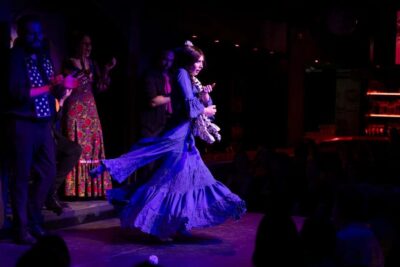 ★ 4.7Flamenco Show with Drink Option at La RamblaFrom $313,770 reviews
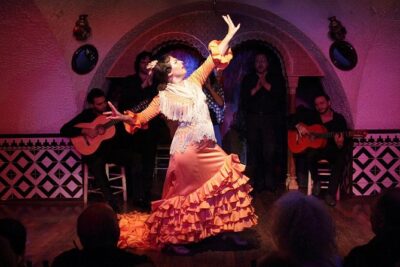 ★ 4.5Tablao Flamenco Cordobes on Rambla Barcelona with Dinner OptionFrom $572,756 reviews
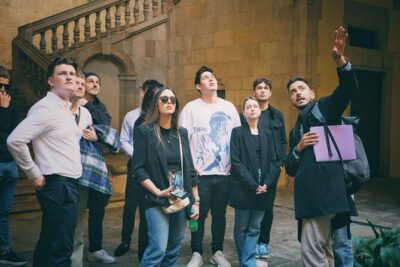 ★ 5.0Ramblas, Old Town, Gothic and Gaudi Architecture Walking TourFrom $35723 reviews
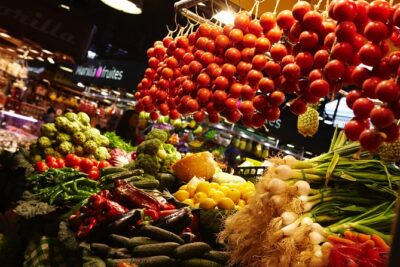 ★ 5.0Interactive Paella & Market: Bottomless Wine & Rambla ViewsFrom $151376 reviews
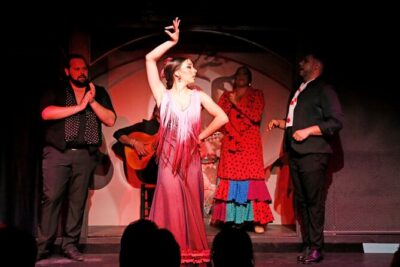 ★ 5.0El Duende Flamenco Show with drink option at La Rambla BarcelonaFrom $32324 reviews
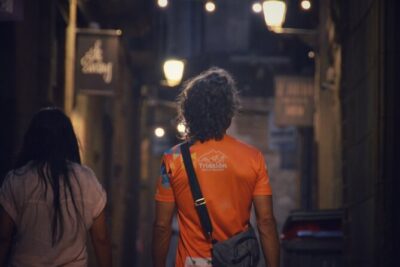 ★ 5.0Barcelona 1.5h Private Old Town, Gothic & Ramblas Walking TourFrom $83318 reviews
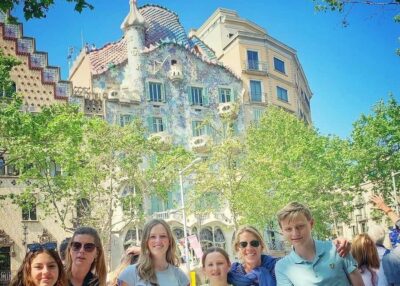 ★ 4.9Ramblas, Old Town & Gaudí Houses Walking TourFrom $41239 reviews
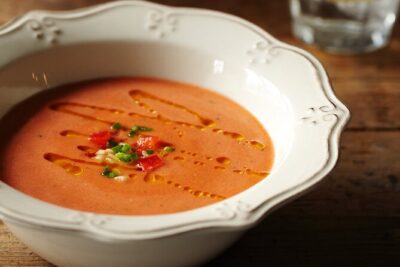 ★ 5.0Paella Class & Bottomless Wine: Las Ramblas ViewsFrom $119159 reviews
Browse the lists this tour appears in