
Reviewed · TOURS
Pyrenees & Medieval Towns Small Group Tour from Barcelona
A train into the Pyrenees makes this day trip special. You get two medieval stops (Vic and Queralbs) plus the big payoff of a rack railway ride up to Vall de Núria, where the scenery does the talking. It’s a tight route that trades long, complicated connections for a smooth, guided flow through the hills.
I also like that you’re not locked into one activity. You get guided time in the towns, then you choose how long you hike, snack, or simply watch the mountains. One drawback: it’s a long day and the temps can feel colder at altitude, so pack for chilly mountain air even if Barcelona is warm.
Key points at a glance
- Rack railway to Vall de Núria: scenic ride, easy to enjoy even without a tough hike planned
- Vic’s medieval center: guided cathedral highlights, a Roman temple tucked between buildings, and plenty of free time
- Queralbs at two different moments: first as a transit village, later as a calm late-day wander
- Guides bring the region to life: names like Marta and Sergio show up in people’s praise for history and driving
- Flexible at Nuria: choose short walks, the Valley Coma de Vaca trails (if you’re up for it), or local activities
- Plan B exists: if the rack railway is closed for maintenance in late autumn, the tour adjusts without canceling the whole idea
In This Review
- Leaving Barcelona Early: a day built for rhythm
- Riding the minivan north past Montseny Natural Park
- Vic market town time: cathedral styles, Roman traces, and a big block of freedom
- Queralbs: the stone village that connects road, train, and the Pyrenees
- The rack railway to Nuria Valley: the scenic payoff
- Vall de Núria: choose your hike level, then savor the view
- Optional higher views
- Queralbs again in late afternoon: church details and fairy-lore
- Small group tour size: why max 16 matters
- English-speaking guide and mobile ticket: what that means for your planning
- Price and value: $143.91 for mountains, rail, and guided time
- Who should book this Pyrenees and medieval day trip
- Quick packing list for colder Pyrenees air
- Should you book this tour?
- FAQ
- How long is the Pyrenees and medieval tour from Barcelona?
- Where do I meet the guide, and where does the tour end?
- Is the tour in English?
- What is included in the price?
- Do I need strong hiking fitness for Vall de Núria?
- What happens if the rack railway is closed?
Leaving Barcelona Early: a day built for rhythm
This tour starts in the morning at Carrer del Palau de la Música, right by Palau de la Música in central Barcelona. You’ll meet your guide, use the restroom, and settle in with a coffee if you want, then roll out around 8:30am. No hotel pickup here, so you’ll want to be on time and ready to get moving.
The day is paced in a way that keeps energy up. The minivan ride gives you that first wave of countryside views, then you hit a real stop (Vic), then you slowly climb toward the Pyrenees. When the tour works, it feels like a sequence of scenes, not a rushed checklist.
Riding the minivan north past Montseny Natural Park
Once you’re out of the city, you start seeing a different Spain. Your guide gives context as you drive north, including passing Montseny Natural Park—about 30,000 hectares and recognized as a UNESCO biosphere reserve since 1978. It’s described as a haven for wildlife like wild boars and foxes, plus birds of prey and forest animals.
This part isn’t just travel time. It sets expectations for what you’ll see later: mountains, forests, and high moorland. If you tend to get travel-bored, pay attention here. You’re building a mental map before you arrive.
Practical note: the minivan is air-conditioned, but once you step out in the mountains, the temperature can drop fast. Bring warm layers even if the forecast looks mild for Barcelona.
Torn between options? Line this one up against other Barcelona picks.
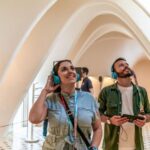
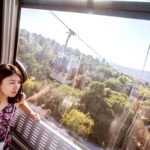
Vic market town time: cathedral styles, Roman traces, and a big block of freedom
Vic is your first major stop, around 9:30am, and you get about two hours to explore. You start with a guided walk through the medieval center, including Vic Cathedral, which is noted for a mix of styles—from Romanesque to neoclassical. You also hear about Renaissance and Baroque buildings, plus a Roman temple that’s hidden between structures in the old quarter.
What I like about Vic on this tour is the balance. You get guided context for the main sights, and then you’re released with free time to do what fits your morning mood. You can grab breakfast or coffee in the town center, or just wander the arched square where markets and major events still happen.
A small tip that can save time: if you arrive and it’s not market day, look for bakeries and cafés instead. Vic feels best when you slow down with something warm in hand.
Queralbs: the stone village that connects road, train, and the Pyrenees
After Vic, the route heads to Queralbs, the last place accessible by road on the way toward Nuria. The village itself is small—described as having around 200 permanent residents in a scattered pattern of stone houses. You’ll likely feel how tight and quiet the setting is as soon as you step out.
At this stage, Queralbs plays a key role. It’s not just a sightseeing stop. It’s the launch point for the rack railway ride up to the Nuria Valley. If you enjoy transit as part of the travel story, this village matters.
You also revisit Queralbs later in the afternoon, which is a smart way to let you see more than just a quick arrival. Late-day light in a small stone village is different from midday light. Even if you think you’ll just take photos, the extra time gives you a more relaxed feel.
The rack railway to Nuria Valley: the scenic payoff
This is the star moment: you leave Queralbs and ride the rack railway up into the Nuria Valley. The train journey is part of the experience, not a chore. Your guide helps you enjoy what’s out the window, and you arrive at one of the most famous high valleys in the Pyrenees.
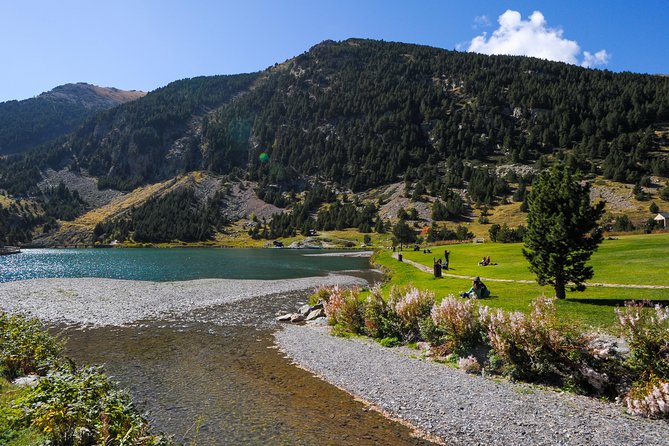
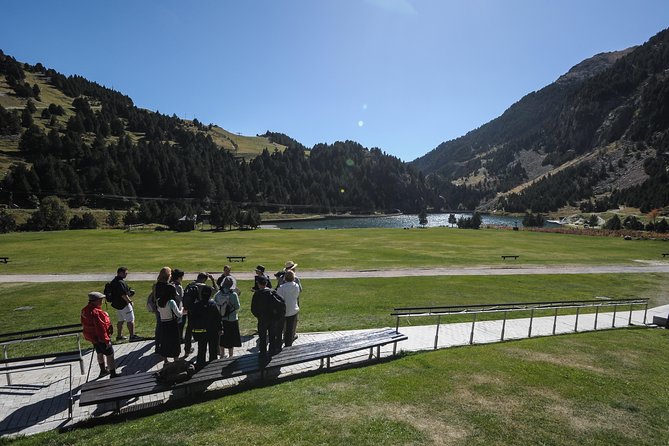
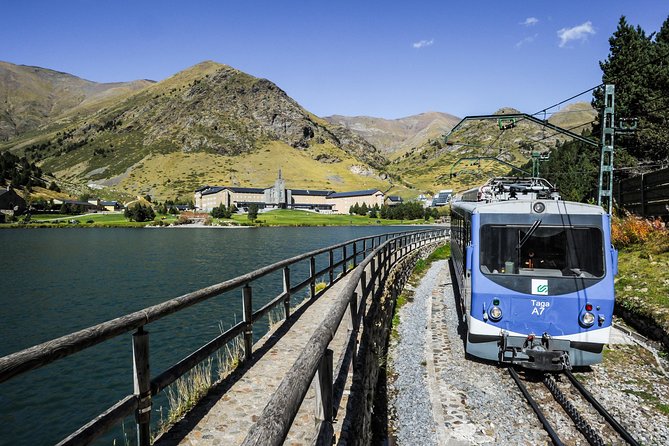
Vall de Núria is described as a picturebook valley with a lake, bright green pastures, and high peaks ringing the area. That mix—water, grass, and steep mountain walls—creates a view that tends to feel instantly different from what you left behind in Barcelona.
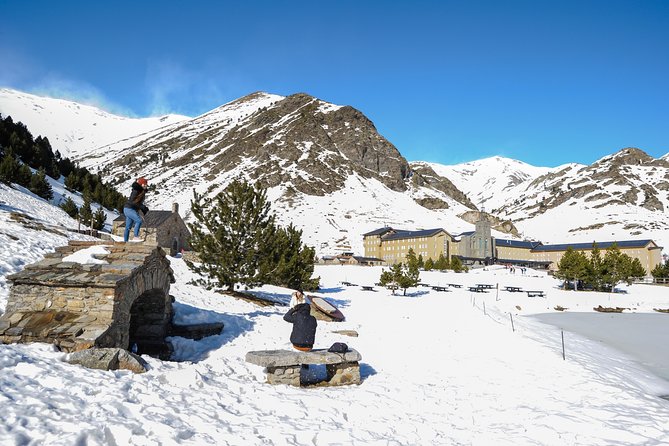
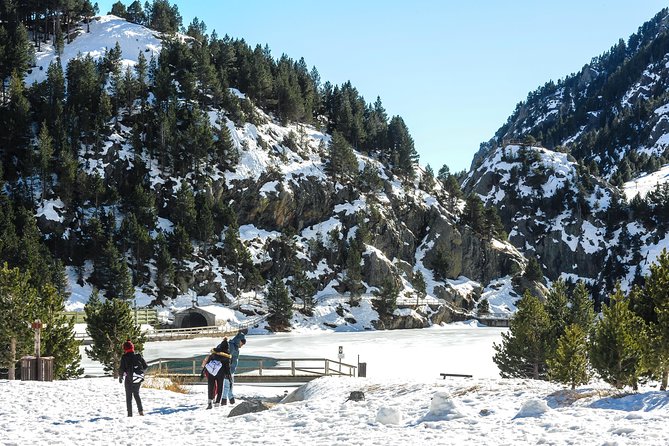
One important heads-up: rack railway closures can happen. The tour notes annual track maintenance that affects service between Mondays and Fridays from November 1 to November 30. On those days, the tour shifts to an alternative approach by road or lower-height hiking. If you’re traveling in late autumn, it’s worth keeping that in mind so the plan changes don’t catch you off guard.
Vall de Núria: choose your hike level, then savor the view
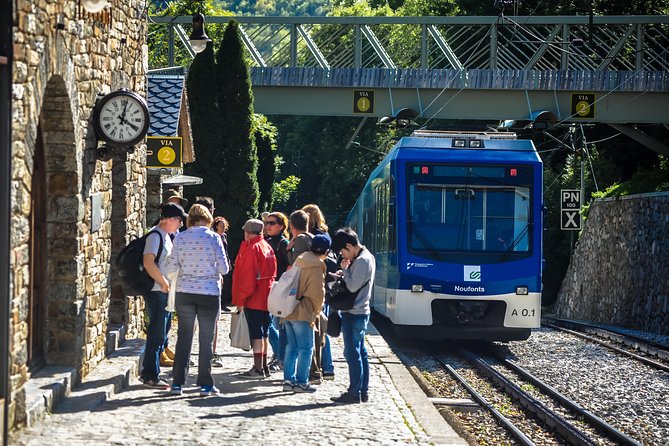
You’ll have several hours at Vall de Núria to explore on your own after the ride. This is where the tour stops being only sightseeing and turns into personal travel. The lake and pastures are the headline, but the real value is choice.
If you want a walk, there are hiking trails suited to different fitness levels. A specific option mentioned is the paths up to Valley Coma de Vaca. The tour also flags that while good physical fitness isn’t required to enjoy the valley, you do need a reasonable level of stamina if you want the Coma de Vaca trails.
If hiking isn’t your thing, you still won’t feel stuck. You can take it slower and focus on views, or choose local activities on your own expense—horseback riding and boating are mentioned. There’s also time to eat at traditional Catalan restaurants, again on your own expense.
From the guide side, it’s a smart move that you’re not overloaded with rules. You’re allowed to spend time the way you travel: walk for an hour, sit for ten minutes, take photos, repeat. One of the most common reasons people love this day trip is that it doesn’t force everyone into the same pace.
- Barcelona: Hola Barcelona Public Transport Travel Card★ 4.5 · 20,985 reviews
- Barcelona: 24 or 48-Hour Hop-On Hop-Off Bus Tour★ 4.4 · 20,872 reviews
- Barcelona: Park Guell Guided Tour with Skip The Line Entry★ 4.7 · 17,563 reviews
Optional higher views
Some visitors add a cable car ride up for a higher viewpoint at Nuria. It’s a good fit if you want extra panorama without committing to a long uphill walk. If the weather is clear, that added elevation can change your entire perspective on the valley.
Queralbs again in late afternoon: church details and fairy-lore
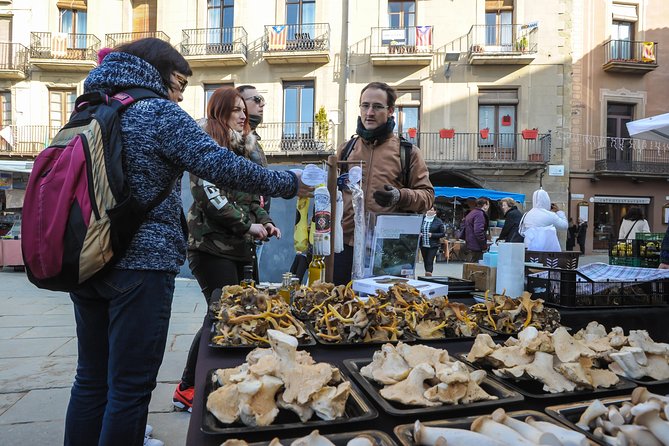
Around 4:00pm you’ll have a shorter stop back in Queralbs. This is a great moment for the “slow travel” part of the day. The village is described as impossibly quaint, perched on the mountain side with stone houses that look like they’ve been waiting centuries for the next visitor.
One highlight is the Church of Sant Sadurní de Fustanyá. It’s noted for stones that are so precisely hewn that legend says it was built by fairies and witches living in nearby caves. Even if you don’t care about legends, you’ll probably care about the craftsmanship when you see it in person.
Then you head back to the bus and return to Barcelona, arriving around 7:00pm. This gives you enough time for dinner without feeling like you’ll eat on the run.
Small group tour size: why max 16 matters
With a maximum of 16 travelers, the group stays manageable. That tends to mean quicker boarding, easier conversations, and less waiting during transitions—especially at the train and in the town squares where everyone wants the best photo spot.
I also like that the guide isn’t just reciting facts while you shuffle. People mention guides like Marta and Sergio for both knowledge and group energy, and you can feel that in how the day flows. The tour is guided where it counts—Cathedral highlights, Roman temple context, and regional stories—then it hands you time back.
If you prefer tours where you can ask one question and get an actual answer, this size helps a lot.
English-speaking guide and mobile ticket: what that means for your planning
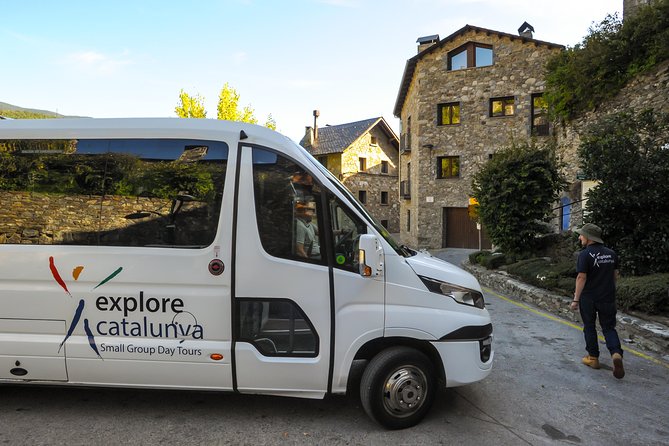
This tour is offered in English only. That’s a real comfort factor when you want history and place details without needing to translate on the fly. Also, it uses a mobile ticket, which makes it easier than printing or guessing which paper to bring.
There’s still no hotel pickup, so you’ll need to get yourself to the meeting point near Palau de la Música. The good news: it’s near public transportation, and Plaça de Catalunya is an easy finish point if you’re heading onward after the tour.
Price and value: $143.91 for mountains, rail, and guided time
At $143.91 per person, this isn’t a budget half-day excursion. But for a full day that includes guided stops, comfortable transport, and the rack railway ride into Nuria, it can feel like good value—especially if you don’t want to piece everything together yourself.
Here’s how I’d judge the value for you:
- If you want the train experience without figuring out schedules and connections, the organized transport saves stress.
- If you want medieval context plus time outdoors, the day is structured in a way that gives both.
- If you’re the type who likes to wander, the free-time blocks at Vic and Nuria are where the price starts to feel worth it.
The main cost tradeoff: food and drinks aren’t included unless specified. Breakfast in Vic and meals in the valley are on your own expense, so plan for that.
Who should book this Pyrenees and medieval day trip
This tour is a strong match if you want a classic Catalonia mix: medieval towns plus real mountain scenery, all in one day from Barcelona. It also fits travelers who enjoy rail rides, outdoor viewpoints, and guided history that stays understandable.
It’s likely not a great fit for very young kids (the tour states it’s not recommended for children aged 4 and under). If your plan includes serious hiking, you’ll want a reasonable fitness level for the Coma de Vaca trails. Otherwise, you can still enjoy the valley with easier walking.
If you hate long days, this might test your patience. You’ll be out roughly 11 hours total. But if you go in expecting a full outing with several different “modes” (town walking, train ride, valley time), it lands well.
Quick packing list for colder Pyrenees air
Bring sturdy walking shoes. You’ll walk in historic centers and spend time on foot in the valley.
Also pack layers. The tour warns that it can be warm in Barcelona, but much cooler in the mountains. I’d treat this as a “bring a real jacket” day, not a light-hoodie day.
Sun protection helps too. The valley hours are outdoors, and even when the air feels cool, the light can still be strong.
Should you book this tour?
I’d book it if you want one easy day that turns Barcelona into a Pyrenees story: Vic for medieval architecture and Roman echoes, Queralbs as the stone stepping-stone, and the rack railway plus Vall de Núria for big views and flexible time outdoors. It’s especially worth it if you don’t want to handle transport timing on your own.
Skip it if you want short and relaxed. This is a full-day format with real driving and long sits on buses and trains. Also be honest with yourself about hiking ability: you can keep it easy, but the Coma de Vaca trails need a reasonable level of stamina.
If weather conditions look questionable, it’s also important to know the tour requires good weather.
FAQ
How long is the Pyrenees and medieval tour from Barcelona?
The tour runs about 11 hours.
Where do I meet the guide, and where does the tour end?
You start at Carrer del Palau de la Música (near Palau de la Música) and the tour ends at Plaça de Catalunya in the Eixample area. Depending on the day, it may finish back near the office or in Plaça de Catalunya.
Is the tour in English?
Yes, the tour is offered in English only.
What is included in the price?
The included parts listed are a professional guide, an air-conditioned vehicle, and a small group tour. Admission tickets are shown as free for the stops listed in the itinerary, but food and drinks are not included unless specified.
Do I need strong hiking fitness for Vall de Núria?
You don’t need strong fitness for the overall visit, but you do need a reasonable level if you want to hike to the Valley Coma de Vaca trails.
What happens if the rack railway is closed?
The tour notes annual maintenance closures on the rack railway between Mondays and Fridays from November 1 to November 30. On those days, the tour runs an alternative itinerary that accesses the mountain valleys by road or lower-height hiking without taking away from the Pyrenees experience.
More Ways to Tour Barcelona
- Barcelona: Casa Batlló Entry with Self-Audioguide Tour
★ 4.7 · 25,359 reviews - Barcelona: 24 or 48-Hour Hop-On Hop-Off Bus Tour
★ 4.4 · 20,872 reviews - Barcelona: Park Guell Guided Tour with Skip The Line Entry
★ 4.7 · 17,563 reviews - Barcelona: Sagrada Familia Skip-the-Line Entry Ticket & Tour
★ 4.8 · 12,789 reviews - Barcelona: FC Barcelona Museum “Barça Immersive Tour” Ticket
★ 4.4 · 10,944 reviews
More Barcelona Tours on Our Radar
- Barcelona: Sagrada Familia Entry Ticket with Audio Guide
★ 4.6 · 105,312 reviews - Barcelona: Park Güell Admission Ticket
★ 4.4 · 76,534 reviews - Barcelona: Casa Batlló Entry with Self-Audioguide Tour
★ 4.7 · 25,359 reviews - Barcelona: Montjuïc Cable Car Roundtrip Ticket
★ 4.5 · 22,368 reviews - Barcelona: Hola Barcelona Public Transport Travel Card
★ 4.5 · 20,985 reviews
Just Rated Around Barcelona



Tours, compared.
 ★ 4.7Casa Batlló Entry with Self-Audioguide TourFrom $3425,359 reviews
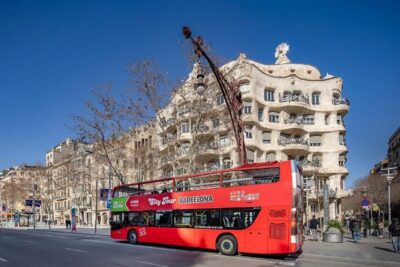 ★ 4.424 or 48-Hour Hop-On Hop-Off Bus TourFrom $3920,872 reviews
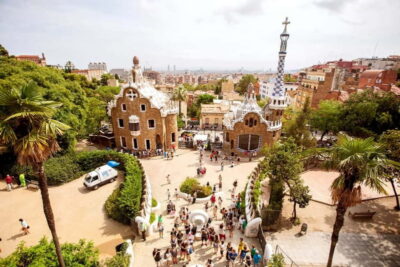 ★ 4.7Park Guell Guided Tour with Skip The Line EntryFrom $3117,563 reviews
 ★ 4.8Sagrada Familia Skip-the-Line Entry Ticket & TourFrom $6712,789 reviews
 ★ 4.4FC Barcelona Museum “Barça Immersive Tour” TicketFrom $3510,944 reviews
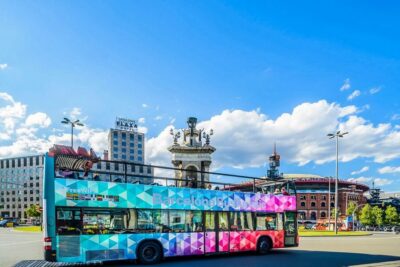 ★ 4.4City Sightseeing Hop-On Hop-Off Bus TourFrom $3910,061 reviews
 ★ 4.5Fast Track Sagrada Familia Guided TourFrom $668,795 reviews
 ★ 5.0Montserrat Half-Day Tour with Tapas and Gourmet WinesFrom $557,359 reviews