Reviewed · BARCELONA
Sangria Masterclass in Barcelona
Sangria gets serious here. I love the hands-on balance lesson, because you’re not just tasting—you’re building red, white, and cava sangria from scratch after a welcome glass of cava.
I also like the friendly, low-pressure vibe at Alvaro’s bar in Ciutat Vella, where the class ends with tapas to match what you made. One catch to plan for: children under 18 can’t attend, and the group is limited to six.
In This Review
- Key things to know before you go
- Sangria Masterclass at 6 pm: where it happens and what the vibe is like
- Welcome cava and the quick reality check on sangria
- The hands-on prep: fruit, citrus, and making the base your way
- Red wine sangria: the traditional build and the flavor targets
- White wine sangria: lighter structure, sharper refresh
- Cava sangria: why sparkle changes everything
- Tapas at the end: eating right so the flavors make sense
- Price and value: what $83.88 buys you for 90 minutes
- Who this Barcelona sangria masterclass is best for
- Should you book this sangria masterclass?
- FAQ
- What’s the meeting point for the Sangria Masterclass?
- How long is the experience?
- Is the class offered in English?
- What’s included in the masterclass?
- What’s the group size?
- Can children attend?
- What’s the cancellation policy?
Key things to know before you go
- Three sangrias, one practical method: You’ll prepare traditional red, white, and cava sangrias and learn how the ratios change the final drink.
- Cava welcome at the start: The evening begins with a glass of cava before you get to the cutting and mixing.
- Balance is the real lesson: The goal is not sweet fruit flavor. It’s getting the mix right, so the drink tastes like a cocktail.
- Small group experience: The bar space caps the group size at 6, which keeps things personal and hands-on.
- Tapas to finish: After you make all three, you’ll eat local tapas that pair with the sangrias you worked on.
- Alvaro’s English instruction: The class is offered in English, with a format built for conversation and clear steps.
Sangria Masterclass at 6 pm: where it happens and what the vibe is like
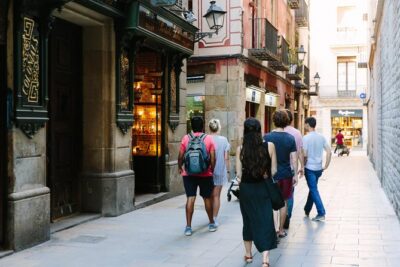
Your evening starts at Carrer d’En Botella, 2 in Ciutat Vella, with the class beginning at 6:00 pm. The location is easy enough to reach using public transit, and you’ll use a mobile ticket to check in. It’s a small bar setting, not a big tour bus operation—so expect a close, cozy room and a bit more focus on you than on a lecture hall.
This matters, because the “masterclass” format here only works if everyone is engaged. With a max group size of 6, you’re not standing at the back hoping to see. You’re rolling up your sleeves, slicing fruit and citrus, and actually doing the mixing steps. That’s also why it’s adult-only (no one under 18): the evening is built around alcohol-focused crafting and the bar atmosphere.
One practical tip from the vibe: don’t try to “kill time” too early right in front of the bar. The place opens right around class time, so arriving too far ahead can feel awkward. Aim to be on time rather than early.
Torn between options? Line this one up against other Barcelona picks.



Welcome cava and the quick reality check on sangria
The class begins with a welcome glass of cava. Think of it as a kickstart: you settle in, you taste, and you get a feel for what “good” carbonation and balance can taste like in a drink.
Then you get a short introduction and some basics on sangria—how recipes evolved, and what separates a proper sangria from a random pitcher of sweet wine and fruit. The big idea is simple: real sangria is a cocktail with an intentional balance, not just fruity wine. That’s not just trivia. It’s what changes how the rest of the class feels.
You’ll likely notice the instructor (Alvaro) keeps things conversational. Many people leave talking about the experience as much as the drinks. If you enjoy asking questions while you work, this class fits that style.
The hands-on prep: fruit, citrus, and making the base your way
Once the intro ends, it’s work time. You’ll start with fruit and citrus prep—the kind of chopping and handling that sounds basic until you realize it changes how the drink tastes.
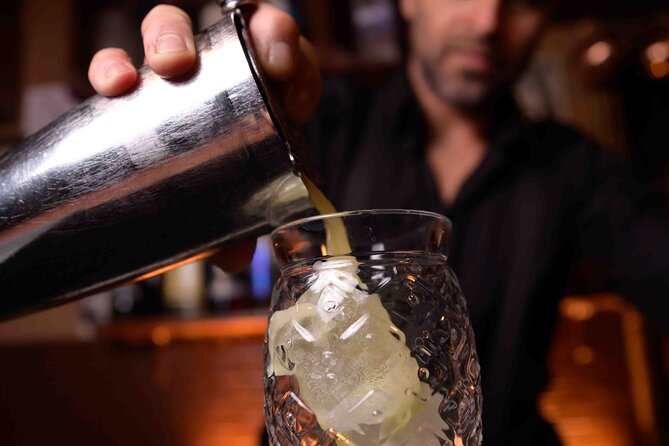
Next comes the mixing phase. You’ll combine alcohols using the class recipe, then add the wine or cava. This sequence matters because it helps the flavors mesh instead of just sitting side-by-side in the glass. And the class emphasis is on balance, which shows up in the tasting moments throughout.
You won’t just watch. The format is built so you can participate: cutting, measuring (by recipe method), and following the step-by-step flow. If you’ve ever made a drink at home that tasted fine on day one and wrong the next day, this is the part that helps you avoid that. You’re learning a method, not only a flavor.
Also, because you’re handling multiple sangria styles in one night, it helps to pace yourself. Three versions plus cava in the beginning adds up quicker than people expect.
Red wine sangria: the traditional build and the flavor targets
You’ll make the traditional red wine sangria first (or at least one of your three bases will be the red). The idea is about warmth and fruit-forward flavor without turning it into syrup.
In a good red sangria, the fruit and citrus add lift, while the wine provides a backbone. The alcohol blend and the recipe ratios shape how bold or smooth it ends up. In class, you’re watching for that “sweet enough, boozy enough, balanced enough” point.
What I like about learning it this way is that it gives you targets. Instead of guessing, you can taste and adjust mentally: more brightness, less heaviness, stronger structure, smoother finish. That mindset is what you’ll use later when you’re making a pitcher for friends.
White wine sangria: lighter structure, sharper refresh
The white wine sangria version flips the mood. It’s often the one that feels more refreshing and more delicate in flavor, but it can still go wrong if the balance is off. Here, you’re learning how the same “sangria logic” can work with a different wine base.
Because you’re preparing fruit and citrus again, you’ll start seeing how ingredient choices behave differently depending on the alcohol and wine. White sangria tends to highlight freshness more, so the mix can taste cleaner. If your red sangria ends up tasting too heavy, this is the corrective lesson.
Many people love this stage because you get a real comparison in the same night. You’re not tasting red one day and white another day with different moods and different glasses.
- Barcelona: Hola Barcelona Public Transport Travel Card★ 4.5 · 20,985 reviews
- Barcelona: 24 or 48-Hour Hop-On Hop-Off Bus Tour★ 4.4 · 20,872 reviews
- Barcelona: Park Guell Guided Tour with Skip The Line Entry★ 4.7 · 17,563 reviews
Cava sangria: why sparkle changes everything
Then comes the cava sangria. Some people walk out saying the cava version was their favorite, and it’s easy to see why. Carbonation does more than make it fizzy—it changes how aromas rise and how the drink feels in your mouth.
With cava, the flavor balance can feel brighter, and the whole drink comes across as more lively. The same fruit and citrus concept ends up tasting different because the base is different. This is also where “balance” becomes obvious: too sweet can feel cloying with bubbles, while a more measured mix can feel crisp and inviting.
If you like sparkling drinks, this section is likely to feel like the payoff. And it gives you something fun to recreate: you can bring a cava-style approach to sangria even at home, as long as you keep the ratios in mind.
Tapas at the end: eating right so the flavors make sense
After all three sangrias, you’ll enjoy them with tapas of local products. This is smart food timing. When you’re drinking three versions, your palate can blur if you don’t eat. The tapas give you something salty and savory to reset your taste so you can appreciate how each sangria’s flavors shift.
The types of food described include bread and cured or meat-and-cheese style tapas. That pairing works well because it balances the fruit-and-wine sweetness and lets the alcohol and citrus notes come through more clearly.
A practical note: the drinks can be strong. I’d plan to eat something before the class if you know you’re sensitive to alcohol. And yes—consider arranging your ride home. One group note people made is that a taxi is a good idea after the last serving.
Price and value: what $83.88 buys you for 90 minutes
At $83.88 per person for roughly 1 hour 30 minutes, you’re paying for more than a drink. You’re paying for:
- three made-from-scratch sangrias (red, white, cava),
- a welcome cava at the start,
- a guided method focused on ratio and balance,
- and tapas at the end.
In Barcelona, you can absolutely buy sangria by the glass. But you won’t learn how to build it. This experience is about walking out with a repeatable approach you can use for parties back home. Many people also mention that they leave with the sangria recipe, which adds real value if you’re the type who hosts.
The small group size helps justify the price. With only up to 6 people, the experience doesn’t feel like a factory line. You also get more conversation and direct attention while you’re mixing.
If you want a simple evening of tasting drinks with zero effort, you might prefer a bar crawl. But if you like hands-on food and drink learning, this is a solid use of time.
Who this Barcelona sangria masterclass is best for
This is a great fit if:
- you’re an adult who wants an easy, fun date night option in the city center,
- you enjoy cooking-style steps and tasting comparisons,
- you want a take-home recipe and a method you can repeat,
- and you like small group settings where you can talk with the host, Alvaro.
It’s not a great fit if:
- you’re traveling with kids (under 18 can’t attend),
- you want a large group party vibe,
- or you’re trying to do alcohol-free experiences.
It also works well for visitors who want something more personal than museums. The format is active, social, and a bit humorous, which helps the evening stay light even when you’re learning ratios.
Should you book this sangria masterclass?
Book it if you want a Barcelona experience that’s equal parts tasty and practical. You’ll start with cava, make three sangrias, learn how the balance changes, and end with tapas that actually help you taste what you made. For $83.88, that’s not cheap, but it’s not just a single drink either.
I’d say do it especially if you’re going to be in Barcelona for a short time and you want one “story night” you’ll remember long after the itinerary pages are forgotten. Just show up on time, eat beforehand if you’re sensitive, and plan for a comfy ride home after your last glass.
If you’re looking for a hands-on class in English with a small group and a host who genuinely enjoys teaching, this is one of the more memorable ways to spend an evening in the city.
FAQ
What’s the meeting point for the Sangria Masterclass?
The class starts at Carrer d’En Botella, 2, Ciutat Vella, 08001 Barcelona, Spain and ends back at the same meeting point.
How long is the experience?
It runs for about 1 hour 30 minutes.
Is the class offered in English?
Yes, the experience is offered in English.
What’s included in the masterclass?
You’ll start with a welcome glass of cava, learn to prepare three types of sangria (red wine, white wine, and cava sangria), and finish with tapas to enjoy with the drinks.
What’s the group size?
The experience has a maximum of 6 travelers.
Can children attend?
No. Children under 18 years old cannot attend.
What’s the cancellation policy?
You can cancel for a full refund up to 24 hours before the start time. If you cancel less than 24 hours before, the amount paid isn’t refunded.
More Barcelona Tours on Our Radar
- Barcelona: Sagrada Familia Entry Ticket with Audio Guide
★ 4.6 · 105,312 reviews - Barcelona: Park Güell Admission Ticket
★ 4.4 · 76,534 reviews - Barcelona: Casa Batlló Entry with Self-Audioguide Tour
★ 4.7 · 25,359 reviews - Barcelona: Montjuïc Cable Car Roundtrip Ticket
★ 4.5 · 22,368 reviews - Barcelona: Hola Barcelona Public Transport Travel Card
★ 4.5 · 20,985 reviews