
Reviewed · WINE TOURS
Wine Tasting Experience in Barcelona
Five pours beat most museum stops in El Born. This small-group Catalan wine tasting is built around a short history lesson, then hands-on practice with basic tasting techniques, guided by your sommelier in a relaxed shop setting.
I love that you’re not just handed wine—you learn how to smell, taste, and pick up subtle differences across the five varietals. I also like the pairing setup: olive oil, fresh bread, and cheese make the wines easier to understand (and harder to forget). The main drawback to plan for: there’s no hotel pickup, so you’ll need to get yourself to the meeting point near the historic streets of Ciutat Vella.
In This Review
- Key highlights that make this tasting worth your time
- El Born meeting point: arrive ready to wander a little
- Catalonia wine 101: the story that makes your next meal make sense
- Five varietals in one sitting: how the tasting actually works
- Local food pairings: olive oil, bread, and cheese that do the teaching
- Small-group energy: learning without feeling rushed
- After the tasting: turning your favorites into real take-home souvenirs
- Price and value: what $42.34 buys you in Barcelona
- Who should book this Catalonia wine tasting?
- Quick tips to get more out of your 90 minutes
- Should you book this Barcelona wine tasting?
Key highlights that make this tasting worth your time
- Five wine samples in a 90-minute format: you get enough variety to learn something real without dragging on.
- Catalonia winemaking history, explained simply: a quick context boost for your next tapas dinner.
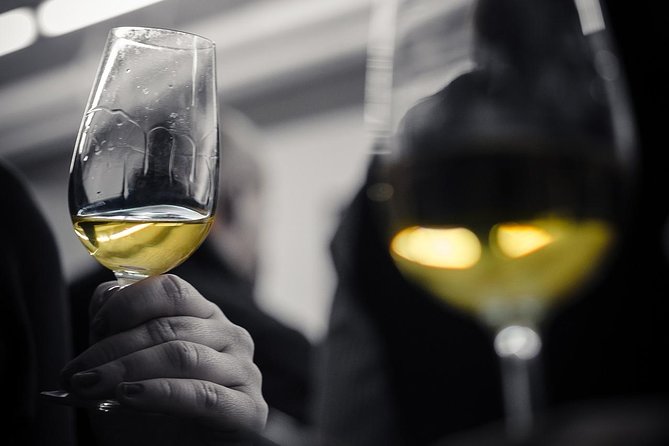
- Hands-on tasting technique coaching: your sommelier shows you how to recognize differences between pours.
- Local food pairing (olive oil, bread, cheese): the food isn’t filler; it supports what you’re tasting.
- Hosts with real personality and skill: names like Omar, Robert, Vivienne, Vincent, and Augustina show up in past sessions.
- You can buy your favorites after the tasting: smart souvenir option if you want bottles and local snacks to take home.
El Born meeting point: arrive ready to wander a little
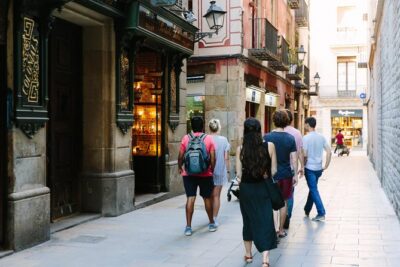
The experience starts at Carrer de l’Arc de Sant Ramon del Call, 5, Ciutat Vella. From there, you’ll head into the tasting area tied to a wine shop in El Born (on Carrer del Canvis Nous). This part is simple, but Barcelona rewards attention: the streets are tight, and a tiny wrong turn can add time.
What you should expect once you find the spot: a proper intro, then you’re guided into the tasting space. The good news is that this isn’t set up like a loud production. The small group size (maximum 20 travelers) keeps the energy personal, and it’s easier to ask follow-up questions as you go.
One small practical point: if you rely on maps, use the one that actually guides you to the exact street address rather than just the neighborhood name. Several past guests have pointed out that finding the entrance can be hit-or-miss if you’re not careful.
More Catalan plates and pours to try

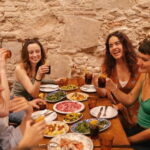
Catalonia wine 101: the story that makes your next meal make sense
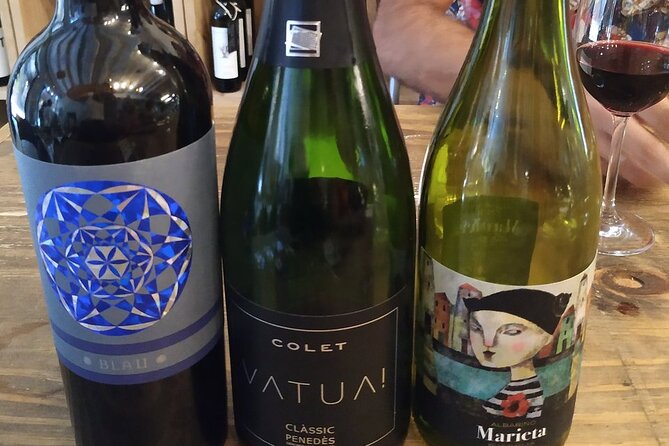
After everyone checks in, the sommelier host begins with an overview of Catalonia’s winemaking history. Even if you’re not a wine nerd, this is the part that pays off later.
Here’s why that matters for you: Catalonia isn’t just another label on a menu. When you understand the region’s wine background, you start connecting dots at dinner—why a cava feels different from a typical sparkling wine you’ve had elsewhere, why certain whites and reds pair naturally with Catalan food, and why local drinking habits aren’t random.
This session is also in English, which is a big deal if you want the explanations to land without mental translation. And because it’s led by a sommelier, you can ask direct questions, not just listen to a monologue.
In past sessions, hosts such as Omar (and others like Vivienne, Robert, Vincent, and Augustina) have earned strong marks for friendliness plus clear guidance. The common theme: you don’t feel judged for being a first-timer, and you still get enough detail to keep an experienced drinker engaged.
Five varietals in one sitting: how the tasting actually works
Your main tasting portion is built around sampling five wine varietals. This isn’t a random lineup. It’s designed to show variety—sparkling, whites, and reds—so you can compare how each one feels on your palate.
You’ll learn basic tasting steps while you drink, like:
- what to look for in the glass (appearance)
- how to use your nose to catch aromas
- what to notice on the palate (taste and balance)
- how to connect flavor to what the sommelier tells you about the varietal
One of the most praised aspects is the amount of attention you get during the tasting. Many guests have said they received generous pours and thorough explanations. Even better, the pacing lets you actually participate. You’re not just sipping to stay polite—you’re practicing.
If you’re a total beginner, this format helps you stop guessing. You’ll leave with a simple mental checklist for future wine orders in Barcelona.
If you’re already comfortable with wine, you’ll still appreciate the structure because it turns tasting into a skill, not a vibe. One note: this is an intro-style experience in a shop setting, not a multi-hour advanced seminar. If you’re chasing very technical, super-deep wine studies, you might want a longer or more specialized course.
Local food pairings: olive oil, bread, and cheese that do the teaching
Wine alone is fine. Wine plus food pairing is where things click.
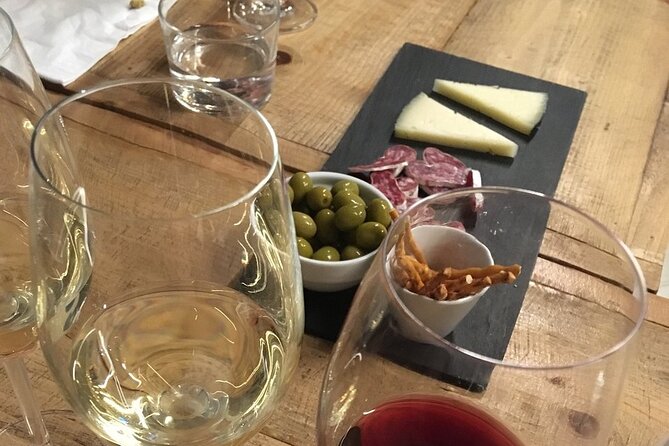
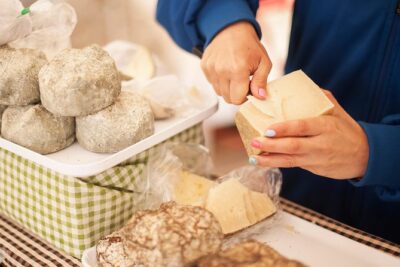
Alongside the wines, you’ll be served a spread of local produce, including olive oil, fresh bread, and cheese. This pairing is practical. It helps you understand why certain wines work with salty, creamy, or tangy flavors.
And it’s not just about eating. The food acts like training wheels for your palate:
- olive oil and bread give you a baseline and a texture contrast
- cheese adds salt, fat, and sometimes a bit of sharpness
- pairing encourages you to notice how acidity, sweetness, and tannins behave in context
Many guests specifically highlight that the wine started tasting better once the cheese pairing arrived. That’s a real thing: tannins and acidity can feel harsher alone, but smoother when they meet fat and salt.
You should also know that there’s a vegetarian option available. If you’ve got dietary needs beyond vegetarian, you’ll want to mention them when booking so the team can adjust.
Small-group energy: learning without feeling rushed
The group size here is a big part of why people rate this so highly. With a cap of 20 travelers, it stays small enough for dialogue. In practice, many people experience it as a more intimate group—enough to meet others, chat, and ask questions without shouting.
A relaxed pace shows up in the feedback again and again. Guests have mentioned that the host didn’t rush, and that conversation stays easy once the tasting gets going.
That matters for you if you’re pairing this with sightseeing. In Barcelona, you often bounce between neighborhoods all day. A 90-minute session gives you a break that’s social and brain-friendly, but not heavy or slow.
Also, the meeting point and end point are the same—the activity finishes back where you started. That makes it easier to plan your evening, whether you’re heading toward bars, a late dinner, or just back to your lodging.
More cellar doors within reach of Barcelona
- Barcelona: Montserrat, Cogwheel, Black Madonna & Winery Tour★ 4.8 · 5,633 reviews
- Barcelona: Tapas Walking Tour with Food, Wine, and History★ 4.8 · 4,261 reviews
- Montserrat Lunch & Wine at Farmhouse Small Group from Barcelona★ 5.0 · 2,368 reviews
After the tasting: turning your favorites into real take-home souvenirs
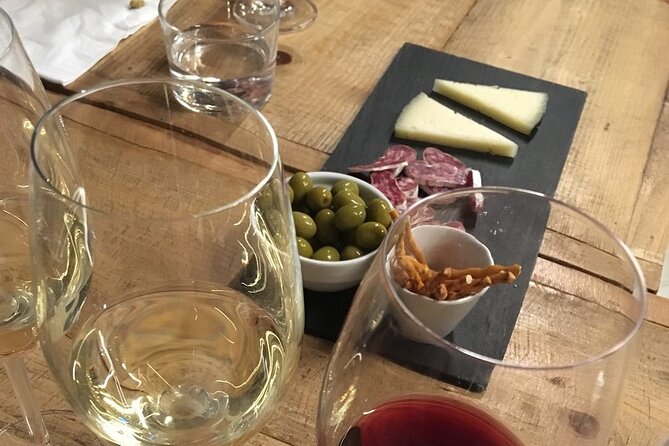
One of the smartest details is what happens at the end. All the wines and food samples you taste can be purchased in the store after your session. This turns the experience into something you can extend into your whole trip.
Why it’s a smart value move:
- If you like a specific wine, you can get it on the spot rather than trying to remember details later.
- If you want a food souvenir, the local pairing items are easier to shop when you’ve already tasted and compared.
Several guests have also noted that the wine they bought afterward felt reasonably priced. Even if you don’t buy bottles, you’ll likely find a food item or two that makes sense as a gift.
Price and value: what $42.34 buys you in Barcelona
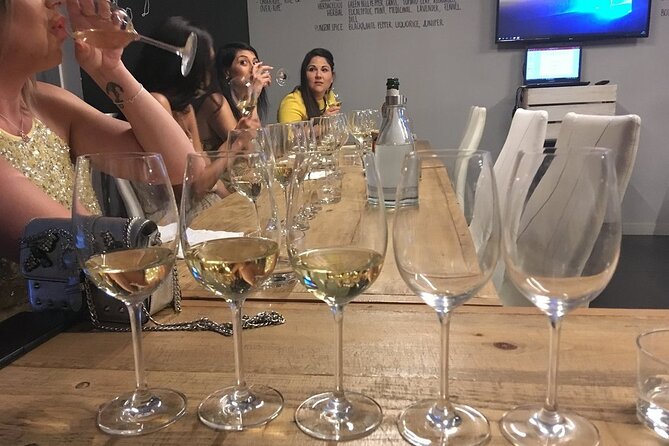
At $42.34 per person for about 1 hour 30 minutes, you’re paying for more than pours. You’re paying for:
- five wine tastings
- local food pairing (including cheese)
- a small-group setting
- an English explanation with a sommelier host
- the chance to buy your favorites afterward
A quick way to judge value: the included tasting setup is the hard part to recreate on your own. If you’ve ever tried to do a DIY tasting in a shop—ordering five different bottles, arranging pairings, and getting solid guidance—you know it can turn into a bigger spend fast.
This also makes the price feel fair for different skill levels. Novices get coaching; experienced drinkers get structure and variety. And because it’s a time-efficient 90-minute block, it fits into a real itinerary without stealing your whole afternoon.
Who should book this Catalonia wine tasting?
This experience is a great fit if you:
- want to learn enough about Catalan wines to order confidently at restaurants
- enjoy tastings with real guidance rather than a simple pour-and-go
- like food pairing that actually changes how you taste
- want a social activity in Barcelona that’s not just another bar crawl
It’s also ideal for solo travelers who want conversation. The format naturally mixes people, and the host-led structure keeps it comfortable.
If you’re traveling with someone who’s unsure about wine, this can still work. The sommelier’s job is to help you taste, not just to impress you with terms. And the food pairing makes it more approachable than a pure tasting session.
Quick tips to get more out of your 90 minutes
Here are a few things that can help you enjoy the session even more:
- Arrive a few minutes early and double-check you’re at the right street address in Ciutat Vella.
- Come ready to ask questions. The best info you’ll get is the info you prompt with your own curiosity.
- If you have any dietary needs, say so when booking so the vegetarian option or adjustments are set ahead of time.
- Plan your post-tasting activity with the fact that you’ll have five wine samples. Keep it relaxed—this is a tasting, not a sprint.
Should you book this Barcelona wine tasting?
If you want a practical, friendly way to learn about Catalan wine—and you like pairing wine with local food—this is an easy yes. The standout strengths are the small-group feel, the five-varietal structure, and the fact that you get actual tasting technique coaching instead of just drinking.
I’d skip it only if you’re looking for a long, technical wine course. This is a smart introduction with plenty of flavor, not a graduate-level seminar.
If that sounds like your kind of Barcelona afternoon or early evening, book it. Then spend the rest of your trip ordering with confidence.
Cellar Doors Near Barcelona
- Montserrat Half-Day Tour with Tapas and Gourmet Wines
★ 5.0 · 7,359 reviews - Montserrat & Cogwheel Train, Gourmet Wine Tasting & Tapas/Lunch
★ 5.0 · 6,290 reviews - Barcelona Tapas and Wine Experience Small-Group Walking Tour
★ 5.0 · 5,804 reviews - Barcelona: Montserrat, Cogwheel, Black Madonna & Winery Tour
★ 4.8 · 5,633 reviews - Montserrat with Black Madonna & Medieval Winery with Tapas/Lunch
★ 5.0 · 5,209 reviews
Plates and Pours Across Barcelona
- Montserrat & Cogwheel Train, Gourmet Wine Tasting & Tapas/Lunch
★ 5.0 · 6,290 reviews - Barcelona: Tablao Flamenco Cordobes with Food/Drink Options
★ 4.6 · 4,368 reviews - Barcelona: Tapas Walking Tour with Food, Wine, and History
★ 4.8 · 4,261 reviews - Barcelona: Food Walking Tour with Tapas and Wine
★ 4.9 · 2,180 reviews - Barcelona Tapas Walking Tour: Food, Wine & History
★ 4.5 · 1,928 reviews
More Barcelona Tours on Our Radar
- Barcelona: Sagrada Familia Entry Ticket with Audio Guide
★ 4.6 · 105,312 reviews - Barcelona: Park Güell Admission Ticket
★ 4.4 · 76,534 reviews - Barcelona: Casa Batlló Entry with Self-Audioguide Tour
★ 4.7 · 25,359 reviews - Barcelona: Montjuïc Cable Car Roundtrip Ticket
★ 4.5 · 22,368 reviews - Barcelona: Hola Barcelona Public Transport Travel Card
★ 4.5 · 20,985 reviews
Just Rated Around Barcelona


Wine Tours, compared.
 ★ 5.0Montserrat Half-Day Tour with Tapas and Gourmet WinesFrom $557,359 reviews
 ★ 5.0Montserrat & Cogwheel Train, Gourmet Wine Tasting & Tapas/LunchFrom $816,290 reviews
 ★ 5.0Barcelona Tapas and Wine Experience Small-Group Walking TourFrom $835,804 reviews
 ★ 4.8Montserrat, Cogwheel, Black Madonna & Winery TourFrom $555,633 reviews
 ★ 5.0Montserrat with Black Madonna & Medieval Winery with Tapas/LunchFrom $655,209 reviews
 ★ 4.8Tapas Walking Tour with Food, Wine, and HistoryFrom $784,261 reviews
 ★ 5.0Montserrat Lunch & Wine at Farmhouse Small Group from BarcelonaFrom $952,368 reviews
 ★ 4.9Food Walking Tour with Tapas and WineFrom $1002,180 reviews
Browse the lists this tour appears in