
Reviewed · WINE TOURS
Wine Tasting in Barcelona (Catalan Varieties) Small Groups
Barcelona has a lot of food and drink. This one teaches you how to taste it.
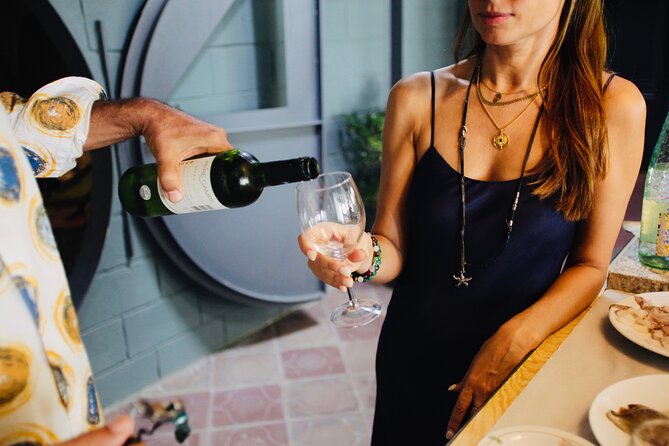
This small-group Catalan wine tasting pairs great local drinking with hands-on coaching, so you’re not just sipping. You’ll learn how to read a wine’s appearance, then build your aroma checklist, and finally understand what you’re tasting as you go.
I like that the format stays human-sized (max 15) and the experience is taught in English, making it easy to follow even if you’re new to wine. I also like that your money covers the fun part: five Catalan wines included in the session, not a token pour.
One possible drawback: this is a minimum-headcount type of tour. If it doesn’t meet demand, it may be canceled, so it’s smart to check your email close to departure.
In This Review
- Key Things to Know Before You Go
- Catalonia’s Wine Isn’t Just Background Noise
- The Small-Group Format That Makes It Actually Educational
- How the Tasting Lesson Works: See, Swirl, Smell, Then Taste
- The 5 Catalan Wines: What You’re Really Paying For
- Meet the Guide Energy: Marc’s Small-Group Coaching
- What Happens Before the First Glass
- The Tasting Flow: How to Make Each Sip Count
- Why the Method Matters in Barcelona (Not Just During the Tour)
- Price and Value: Is $60.21 Worth It?
- Where This Fits Best (And Who Might Skip It)
- A Practical Note About Cancellations (Don’t Lose a Half Day)
- Should You Book This Catalan Wine Tasting?
- FAQ
- What is the duration of the Barcelona Catalan wine tasting?
- How many people are in the group?
- Are the tastings included in the tour price?
- What language is the tour offered in?
- Where does the tour start?
- Where does the tour end?
- How do I get the ticket?
- Do I need to book in advance?
- What happens if the tour does not meet the minimum number of travelers?
- What is the cancellation policy?
Key Things to Know Before You Go
- Five wines included: you’ll sample a guided mix of Catalan whites and reds, with tasting notes as you go.
- See–swirl–smell training: you’ll practice checking color, clarity, and aroma instead of guessing.
- Small-group vibe: capped at 15 travelers, so questions don’t get lost.
- English-led guidance: the coaching is offered in English for a smoother experience.
- One meetup point: you start and finish back at Carrer de Jaume Puigvert, 13.
Catalonia’s Wine Isn’t Just Background Noise
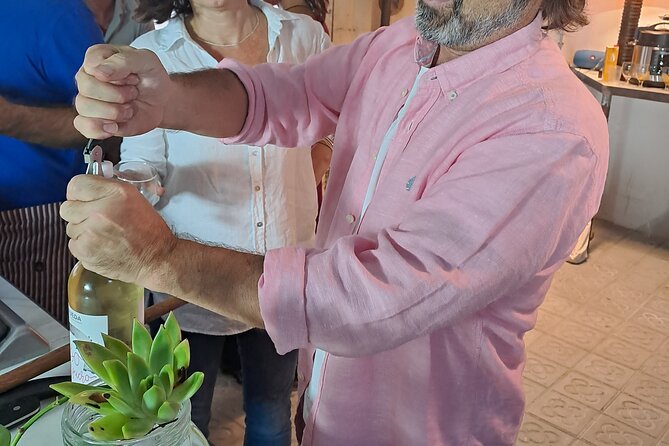
Catalonia makes wine with a personality that’s different from what you might expect if you mostly know grape types from other regions. The tasting is built around that idea: learn the grapes and how Catalonia’s terroirs shape what lands in your glass.
What’s appealing is the way the lesson is practical. You’re not reading wine jargon for an hour. You’re learning a repeatable method—appearance, aroma, taste—so you can apply it at a bar later in Barcelona.
This is also a solid way to connect the dots between wine and place. You’ll get a sense that Catalan wine culture is not a side quest; it’s part of how locals talk about food, farming, and craft.
More Catalan plates and pours to try

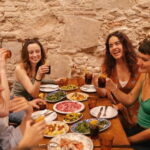
The Small-Group Format That Makes It Actually Educational
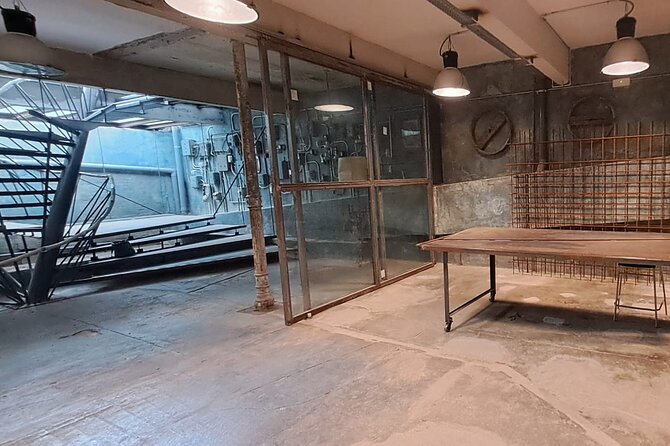
This tasting runs about 2 hours, which is a sweet spot. Long enough for five different pours and a real learning flow, short enough that you can still enjoy the rest of your day.
The group size matters. With a maximum of 15 travelers, the guide can pace the conversation and keep the tasting interactive instead of doing a lecture where everyone waits for the next glass.
You’ll also have clear logistics: it starts at Carrer de Jaume Puigvert, 13 in Horta-Guinardó, and you end back at the same meeting point. That reduces the stress of trying to figure out where to go after the tasting.
If you’re traveling solo, this format can be a plus. You’re unlikely to feel swallowed by a crowd, and the guide can answer questions without it turning into chaos.
How the Tasting Lesson Works: See, Swirl, Smell, Then Taste
This tour is built around the basics of wine tasting, but it’s not simplistic. You’re taught to treat a wine like a signal—you pick up clues in each step.
First comes the look. You’ll be encouraged to examine color, clarity, and viscosity (those slow “legs” that run down the glass). This step helps you form an early guess about style and age.
Next is the swirl and sniff. You’ll gently swirl your glass, then inhale the aromas and try to identify scents such as fruit, spice, and floral notes. Even if you’re not confident with smells, the guide’s prompts help you start making connections instead of staring at the glass.
Finally, you taste with purpose. The idea isn’t to win a wine quiz—it’s to notice how the wine behaves in your mouth and how your aroma guesses match up with the flavor.
If you want one takeaway you can use everywhere: this experience trains you to stop relying on labels. You learn to read what the wine is doing, then use the words and structure the guide provides.
The 5 Catalan Wines: What You’re Really Paying For
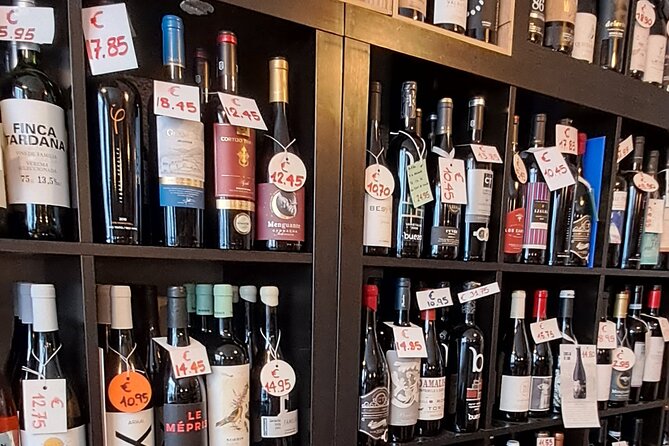
Five wines are included in the tour cost, and that’s the heart of the value. At $60.21 per person, the pricing only feels fair if the tasting isn’t skimpy—which here, it’s not.
Because the specific lineup isn’t listed in the details you provided, you should expect a mix that often ranges from whites to reds and focuses on Catalan grape varieties. That means you’ll likely taste across styles rather than repeating the same profile five times.
What I like about this setup is the learning contrast. When you taste multiple wines back-to-back, you start noticing differences faster: acidity level, fruit presence, spice notes, and overall balance.
You also get tasting notes during the session, which helps you move from guesswork to understanding. It’s one of those “I get it now” moments when the guide explains what you sensed and why the wine might taste the way it does.
Meet the Guide Energy: Marc’s Small-Group Coaching
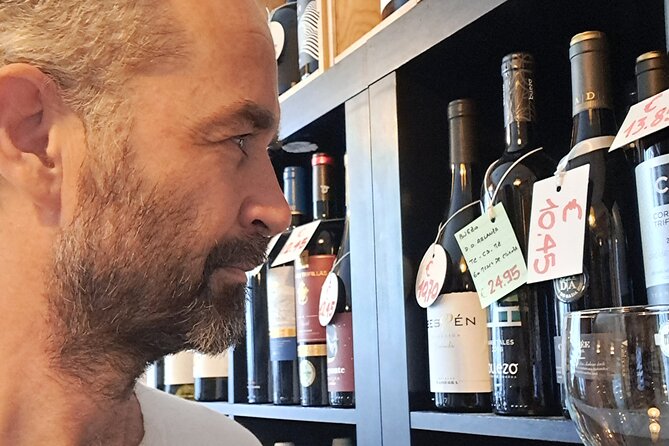
One of the strongest signals from the experience feedback is the guide. People specifically mentioned Marc as an awesome host, and that matters because a wine tasting can either feel like a classroom or feel like a conversation.
From the way the session is described, you can expect Marc to keep things moving while coaching your senses. You’ll swirl, smell, and practice identifying aromas rather than just hearing about wine in theory.
There’s also a story angle. One comment highlights that the guide blends wine with a piece of Catalan history, and that’s a good way to make the tasting stick. When you connect wine to place and tradition, you remember it later.
Even if you’re not a die-hard wine nerd, that kind of guided storytelling helps you pay attention. It turns tasting into a game you can actually win.
More cellar doors within reach of Barcelona
- Barcelona: Montserrat, Cogwheel, Black Madonna & Winery Tour★ 4.8 · 5,633 reviews
- Barcelona: Tapas Walking Tour with Food, Wine, and History★ 4.8 · 4,261 reviews
- Montserrat Lunch & Wine at Farmhouse Small Group from Barcelona★ 5.0 · 2,368 reviews
What Happens Before the First Glass
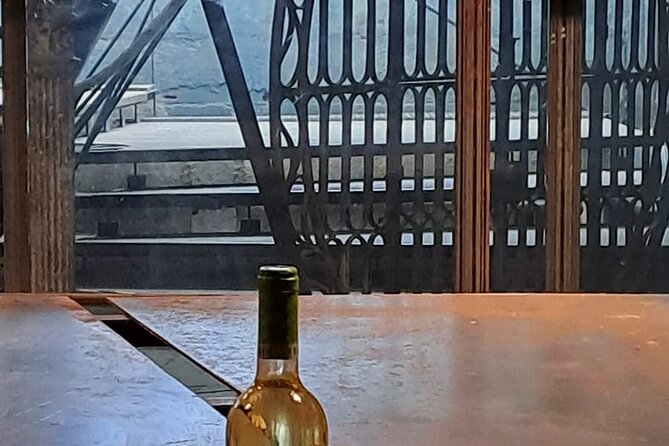
Your day starts at Carrer de Jaume Puigvert, 13. The details say it’s near public transportation, which is useful in Barcelona where timing and walking distances can add up quickly.
You’ll get a mobile ticket, and you should have it ready so check-in goes smoothly. Confirmation is received at booking, so you’ll want to look at your message details and save them on your phone.
Since this is a small group and the tour can depend on minimum numbers, I recommend two habits:
- Double-check your email (including spam/junk) the day before and again the day of.
- Give yourself a small buffer time to get to the meeting point without rushing.
That sounds obvious, but one cancellation-related experience mentioned wasted half a day, which is exactly what you want to avoid. If the tour shifts, you want to know fast.
The Tasting Flow: How to Make Each Sip Count
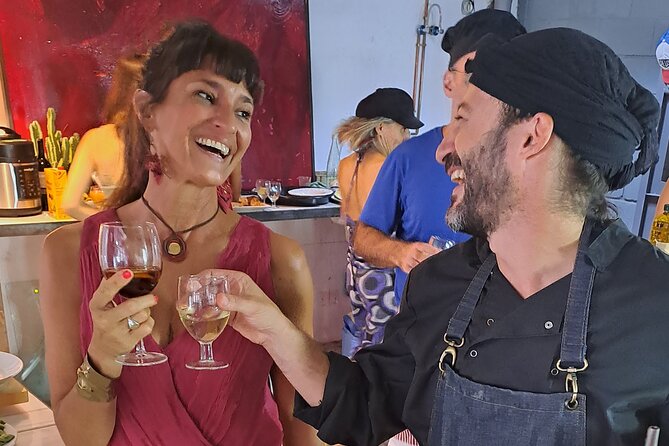
Because you’ll sample five wines across about two hours, speed is part of the design. The trick is to avoid turning it into mindless drinking.
Here’s how to approach it so you get real value:
- Start with the appearance step. Even if you feel silly, it trains your brain to slow down.
- When you smell, try to name one thing, not five. Fruit vs. spice is a great first split.
- After you taste, ask yourself if your smell prediction was accurate. This is how the lesson sticks.
- Take quick mental notes. You don’t need fancy vocabulary. Just remember what felt crisp, smooth, or spicy.
Also, pace your water if it’s available. The guide will likely keep things orderly, but your job is to stay present enough to catch the differences.
Why the Method Matters in Barcelona (Not Just During the Tour)
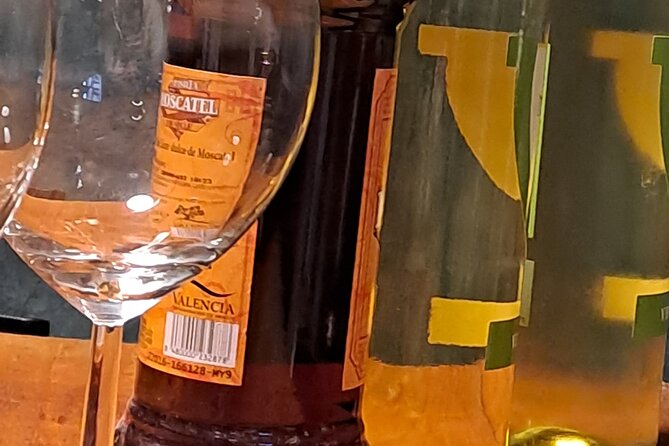
A good wine experience teaches you more than facts. It gives you a repeatable skill.
After this tasting, you’ll be better at ordering wine in a casual bar or restaurant because you’ll have a quick internal checklist:
- What color am I seeing?
- Does it smell more like fruit or like spice?
- Does the wine feel bright and fresh or heavier and warmer?
This tour is particularly useful if you want to feel less intimidated by menus. You’ll have a framework that doesn’t require you to memorize grape-country trivia.
And because this is specifically Catalan-focused, you’ll be able to talk about the region’s style more confidently, instead of treating it like a generic Spanish wine stop.
Price and Value: Is $60.21 Worth It?
Let’s talk value in a practical way. At $60.21, you’re paying for:
- Expert, guided tasting (not self-guided)
- Five wines included
- A structured lesson in examining and identifying aroma and taste
If you’ve done tastings before, you’ll know the real cost driver is usually the wine itself. Here, the wine is included, so you’re not paying entry fees for the chance to buy more later.
The small-group size also supports the price. You’re paying for attention and coaching, not just pours.
So the bargain question becomes: are you actually interested in learning how to taste? If yes, this price is reasonable for Barcelona. If you just want a heavy drinking session with zero learning, you might feel the format is too structured.
Where This Fits Best (And Who Might Skip It)
This experience is a strong match if you:
- Like learning by doing, not just listening
- Want a guided path through wine basics
- Plan to spend the rest of the trip drinking wine and want to order with confidence
- Prefer small-group settings over big tours
It’s also a good option if your schedule can’t stretch. Two hours is manageable and doesn’t require a full day commitment.
You might skip it if you’re already fully trained and looking for a deeper technical class (like cellar tours, vineyard walks, or long-form workshops). Based on the details, this is an entry-to-intermediate tasting with a sensory coaching focus.
A Practical Note About Cancellations (Don’t Lose a Half Day)
Because the tour depends on a minimum number of travelers, there’s a real-world risk it could be canceled. One experience described a situation where the tour didn’t run and the schedule got wasted time.
That’s not the same as saying the tour is unreliable; it’s just how small-group bookings work.
Your best protection is simple:
- Check confirmation details and timing in advance
- Read any email updates you receive
- If you’re traveling on a tight schedule, plan this on a day where you can flex
If it does run, you’ll get a compact, guided tasting that’s hard to replicate on your own.
Should You Book This Catalan Wine Tasting?
I’d book it if you want a friendly, structured introduction to Catalan wine with five included tastings and a guide who keeps the group engaged. The small size and English format make it easier to participate, and the see-smell-taste method gives you something you can use after the tour.
I’d hesitate only if your schedule is too tight to handle a possible cancellation due to minimum headcount, or if you’re looking for a very technical wine program.
For most visitors, though, this hits the sweet spot: practical learning, local focus, and enough wine to make it feel worth the price.
FAQ
What is the duration of the Barcelona Catalan wine tasting?
The experience lasts about 2 hours.
How many people are in the group?
The maximum group size is 15 travelers.
Are the tastings included in the tour price?
Yes. The tour includes five different local wines for tasting.
What language is the tour offered in?
The tasting is offered in English.
Where does the tour start?
It starts at Carrer de Jaume Puigvert, 13, Horta-Guinardó, 08024 Barcelona, Spain.
Where does the tour end?
It ends back at the meeting point.
How do I get the ticket?
You receive a mobile ticket.
Do I need to book in advance?
You receive confirmation at the time of booking.
What happens if the tour does not meet the minimum number of travelers?
If it’s canceled for lack of travelers, you’ll be offered a different date/experience or a full refund.
What is the cancellation policy?
Free cancellation is available up to 24 hours in advance for a full refund. If you cancel less than 24 hours before the start time, the amount paid is not refunded.
Cellar Doors Near Barcelona
- Montserrat Half-Day Tour with Tapas and Gourmet Wines
★ 5.0 · 7,359 reviews - Montserrat & Cogwheel Train, Gourmet Wine Tasting & Tapas/Lunch
★ 5.0 · 6,290 reviews - Barcelona Tapas and Wine Experience Small-Group Walking Tour
★ 5.0 · 5,804 reviews - Barcelona: Montserrat, Cogwheel, Black Madonna & Winery Tour
★ 4.8 · 5,633 reviews - Montserrat with Black Madonna & Medieval Winery with Tapas/Lunch
★ 5.0 · 5,209 reviews
Plates and Pours Across Barcelona
- Montserrat & Cogwheel Train, Gourmet Wine Tasting & Tapas/Lunch
★ 5.0 · 6,290 reviews - Barcelona: Tablao Flamenco Cordobes with Food/Drink Options
★ 4.6 · 4,368 reviews - Barcelona: Tapas Walking Tour with Food, Wine, and History
★ 4.8 · 4,261 reviews - Barcelona: Food Walking Tour with Tapas and Wine
★ 4.9 · 2,180 reviews - Barcelona Tapas Walking Tour: Food, Wine & History
★ 4.5 · 1,928 reviews
More Barcelona Tours on Our Radar
- Barcelona: Sagrada Familia Entry Ticket with Audio Guide
★ 4.6 · 105,312 reviews - Barcelona: Park Güell Admission Ticket
★ 4.4 · 76,534 reviews - Barcelona: Casa Batlló Entry with Self-Audioguide Tour
★ 4.7 · 25,359 reviews - Barcelona: Montjuïc Cable Car Roundtrip Ticket
★ 4.5 · 22,368 reviews - Barcelona: Hola Barcelona Public Transport Travel Card
★ 4.5 · 20,985 reviews
Just Rated Around Barcelona


Wine Tours, compared.
 ★ 5.0Montserrat Half-Day Tour with Tapas and Gourmet WinesFrom $557,359 reviews
 ★ 5.0Montserrat & Cogwheel Train, Gourmet Wine Tasting & Tapas/LunchFrom $816,290 reviews
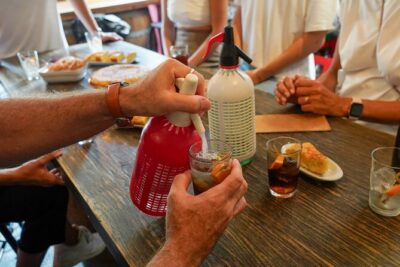 ★ 5.0Barcelona Tapas and Wine Experience Small-Group Walking TourFrom $835,804 reviews
 ★ 4.8Montserrat, Cogwheel, Black Madonna & Winery TourFrom $555,633 reviews
 ★ 5.0Montserrat with Black Madonna & Medieval Winery with Tapas/LunchFrom $655,209 reviews
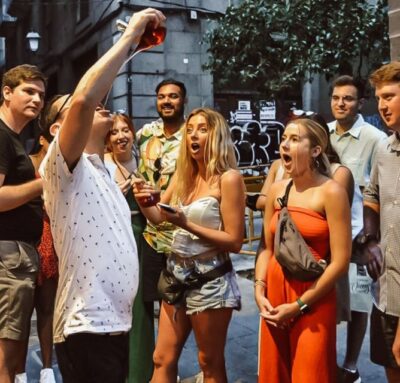 ★ 4.8Tapas Walking Tour with Food, Wine, and HistoryFrom $784,261 reviews
 ★ 5.0Montserrat Lunch & Wine at Farmhouse Small Group from BarcelonaFrom $952,368 reviews
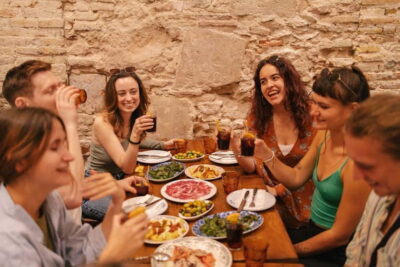 ★ 4.9Food Walking Tour with Tapas and WineFrom $1002,180 reviews
Browse the lists this tour appears in