
Reviewed · HISTORICAL TOURS
Barcelona: 3-Hour Esoteric, Spiritual & Historical Tour
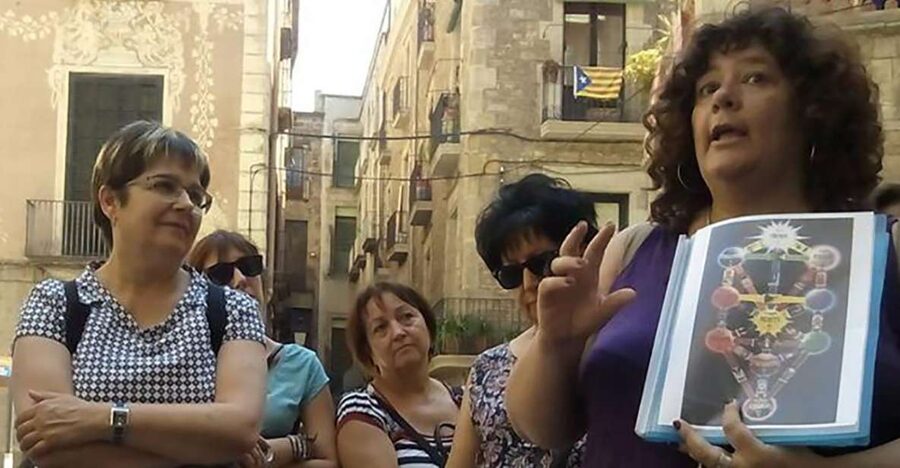
Barcelona has a second history most miss. This 3-hour, small-group walk in the Gothic Quarter connects Western esoterica with the city’s real layers, guided by Sandra Burela’s warm, teachable storytelling. I especially love how the tour points out Templar and Mason symbols in the cathedral area, and I like the way it threads Jewish history and Kabbalah into the same streets you thought you already understood. One watch-out: the focus is deliberately spiritual and symbolic, so if you want only mainstream political history, this lens may feel too interpretive.
In practical terms, you cover a lot of ideas on foot in just three hours—so bring comfortable shoes and a mindset to ask questions as you go.
In This Review
- Key highlights to look for
- Esoteric Barcelona in Three Hours: A Different Lens on Familiar Streets
- Finding the Start at Plaça Catalunya Without Stress
- The Gothic Quarter Walk: From Roman Barcino to Medieval Meaning
- The Jewish Call, Famous Rabbis, and Kabbalah Schools in Catalonia
- Inside the Esoteric Logic of Barcelona’s Cathedral Symbols
- Freemasonry, Gaudí Questions, and the Mystery Threads into Modern Life
- Price and Value: What $88 Buys You for 3 Hours
- Who This Tour Fits Best (and Who Might Prefer Something Else)
- Should You Book This Esoteric Barcelona Tour?
- FAQ
- Where does the tour start?
- How long is the Barcelona esoteric tour?
- How much does the tour cost?
- What group size is this tour?
- Is the tour guide speaking English?
- What areas of Barcelona does the tour focus on?
- What symbols does the tour point out?
- Do I need to know anything about esotericism before booking?
- What should I bring for summer?
- Can I cancel and get a refund?
Key highlights to look for
- Gothic Quarter psychogeography: walking the medieval streets that still shape how Barcelona feels
- Templars and Mason symbols: esoteric details placed in the cathedral’s symbolic world
- Jewish call and Kabbalah in Catalonia: a spiritual map of the city’s Jewish community and schools
- A “two-realities” way of seeing: how Romans, Visigoths, Jews, sailors, merchants, and counts all share the same streets
- Modern Barcelona through Freemasonry talk: including the questions around Gaudí and the city’s design
- A guide who teaches, not just talks: clear explanations plus humor and a discussion-driven style
Esoteric Barcelona in Three Hours: A Different Lens on Familiar Streets
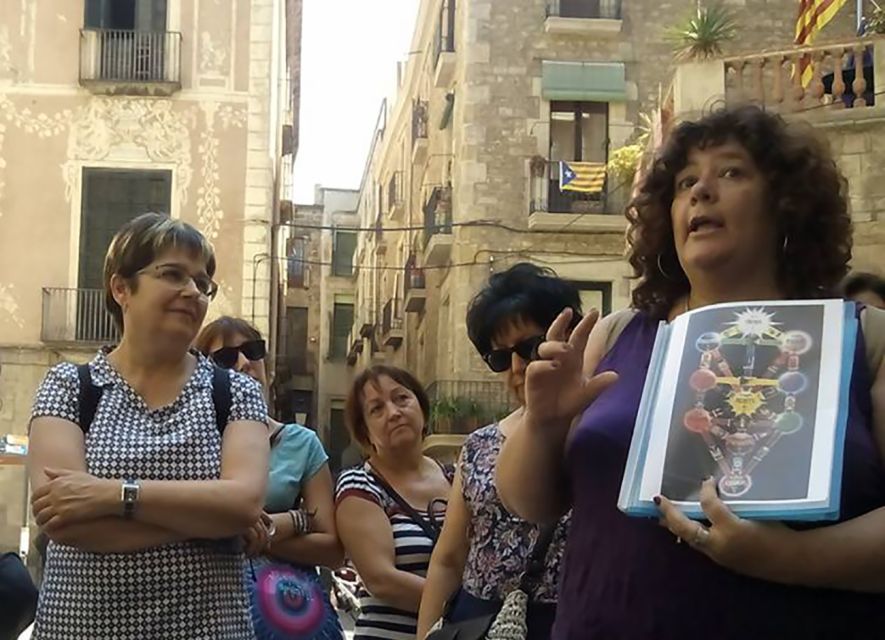
Barcelona is famous for Gaudí and the Modernisme postcard spots. This tour nudges you to see another set of connections: symbols, secret traditions, and spiritual themes that people have carried through centuries. You’re not just sightseeing. You’re learning how the city’s buildings can be read as part architecture, part belief, and part public memory.
The format is perfect if you’re short on time but want a strong change of viewpoint. In 3 hours, you move through the Gothic Quarter’s medieval atmosphere while the guide links it to long-running threads from Western esotericism. Expect stops that connect the Romans and medieval builders to later mystery traditions—without pretending one era erased the last.
I like that this experience treats esoterica as something you can understand historically, not only mystically. Even if you start with zero background, you get a guided path through the concepts and the city features that support them. Still, keep your expectations aligned: the tour is interpretive. It’s about meaning-making, not a strictly academic lecture.
More of the old Barcelona to walk



Finding the Start at Plaça Catalunya Without Stress
This walk begins in front of the Zurich Cafe at Plaça Catalunya. Your guide stands near the newsstand between the two metro entrances, so you can spot them quickly once you’re oriented.
This matters because Plaça Catalunya can feel like a hub of direction changes. Give yourself a few extra minutes to arrive, check which metro entrance you’re closest to, and then wait right at the Zurich Cafe line. If you’re arriving by metro, it’s also easier to orient yourself before you start hunting for the correct stand.
Small group size helps here, too. With a maximum of 8 participants, you’re not lost in a crowd and you can usually hear the guide without playing catch-up.
The Gothic Quarter Walk: From Roman Barcino to Medieval Meaning
The heart of the tour is a walk through the Gothic Quarter, where the city’s medieval mood still dominates your senses—narrow lanes, stone facades, and a layout that feels layered rather than linear.
You start with the idea that Barcelona wasn’t always what you see now. Long before the Gothic Quarter became the main “old city” stage, there was Roman Barcino. The guide frames the walk as a timeline you feel under your feet: Romans gave structure, later powers reshaped it, and the medieval era turned it into something more symbolic—churches, counts, merchants, and seafarers all moving through the same broader world.
A smart part of this approach is that you don’t just hear names and dates. The guide uses the Western esoteric lens to explain why certain kinds of organizations—religious and secular—often cared about symbolism, geometry, and meaning. That’s how a medieval church or street corner becomes more than scenery. It becomes a clue.
A drawback to keep in mind: this is a walking tour, so you’ll want a steady pace. It’s built for seeing details on foot, which means you’ll have less time to wander off on your own during the session. If you prefer slow, free-form browsing, you may want to tack on extra time later in the Gothic Quarter.
The Jewish Call, Famous Rabbis, and Kabbalah Schools in Catalonia
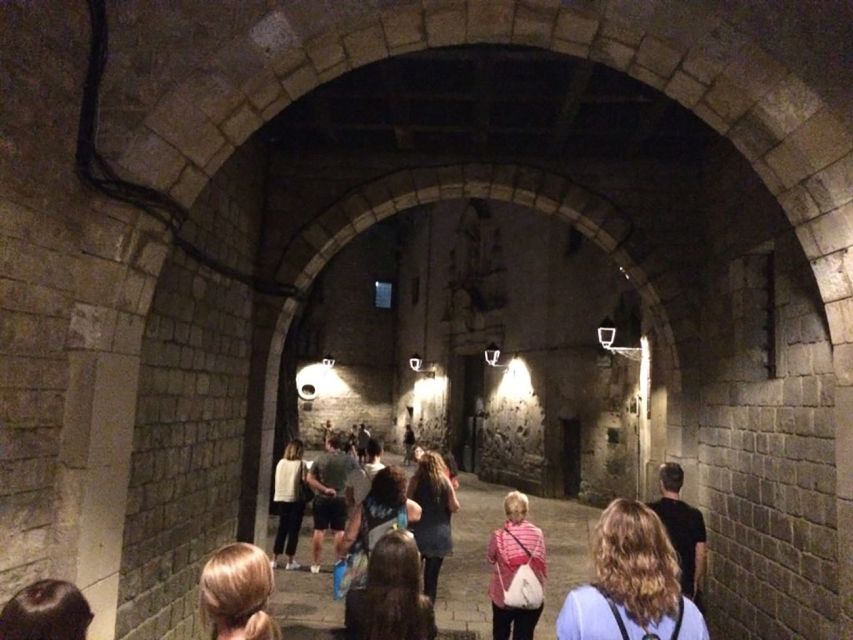
One of the tour’s most distinctive strengths is how it connects the city’s Jewish past to the wider spiritual picture. The guide highlights the Jewish quarter using the Catalan term call, and you’ll hear stories of prominent rabbis and the emergence of Kabbalah in Catalonia.
This matters because Barcelona’s Jewish history can feel like a footnote in many standard tours. Here, it becomes part of the main thread. You’re being shown that the city’s spirituality wasn’t one-note. It had multiple traditions moving across centuries in the same physical space.
If you’re curious about how esoteric ideas travel—through teaching traditions, schools, and community memory—this section is where that curiosity becomes practical. The guide links spiritual concepts to the city’s historical reality, so the symbolism isn’t floating in the air. It’s attached to real communities and real institutions.
Don’t worry if Kabbalah sounds unfamiliar. The tour is designed to explain these ideas in a way that fits both beginners and people who already study astrology or esoterica. The guide’s style is discussion-friendly, and the tone stays warm rather than academic-sterile.
Inside the Esoteric Logic of Barcelona’s Cathedral Symbols
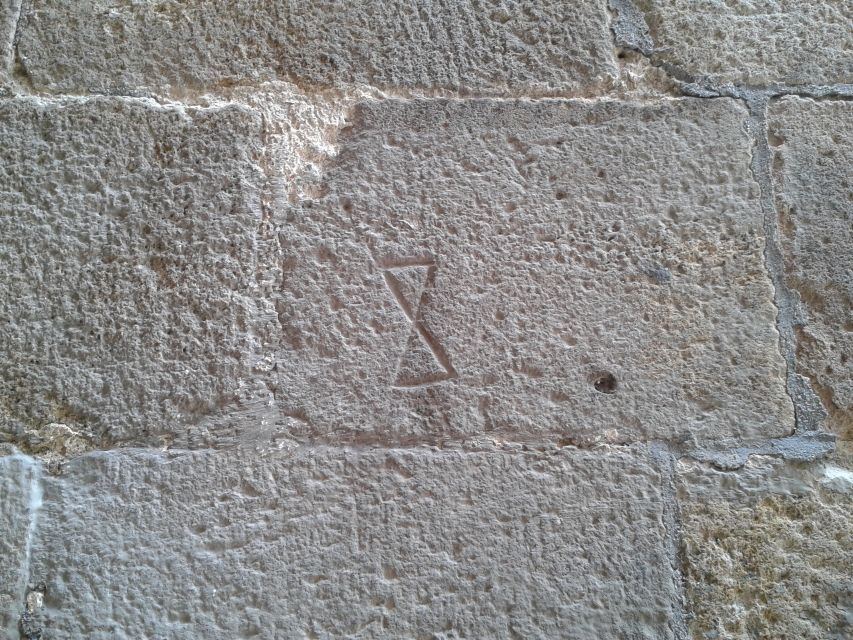
A standout moment is the focus on the cathedral area, where you’re directed to look for Templar and Masonic symbols. The tour describes the cathedral as an esoteric basilica with a touch of alchemy—meaning you’re guided to treat certain details as intentional references, not random decoration.
Even if you’re skeptical, you’ll still benefit. Why? Because the guide trains your eye. Once someone points out symbolic patterns in a church context, you start noticing how often European sacred spaces mix faith, craft, and coded meaning. The experience becomes a skill you can reuse afterward: you walk away knowing what to look for on your own.
This section also helps you understand why the Templars and later mystery traditions show up in Barcelona’s story. The tour doesn’t just name the groups. It connects them to the way ideas of authority, protection, and sacred knowledge circulated through time.
Possible consideration: if you’re coming for straightforward sightseers’ checklist landmarks, this will feel more like symbolic interpretation than “look at that famous facade.” Still, for anyone who enjoys meaning, stories, and signs, this is the kind of stop that makes the whole tour worth doing.
Not quite right? Other Barcelona tours we have been out on
- Barcelona 3-hour Bike or E-Bike Tour: Highlights and Hidden Gems★ 5.0 · 1,429 reviews
- Barcelona Historical 3-Hour Bike Tour★ 4.7 · 222 reviews
- Barcelona: Guided Highlights Bike or eBike Tour (3 Hours)★ 4.7 · 197 reviews
Freemasonry, Gaudí Questions, and the Mystery Threads into Modern Life
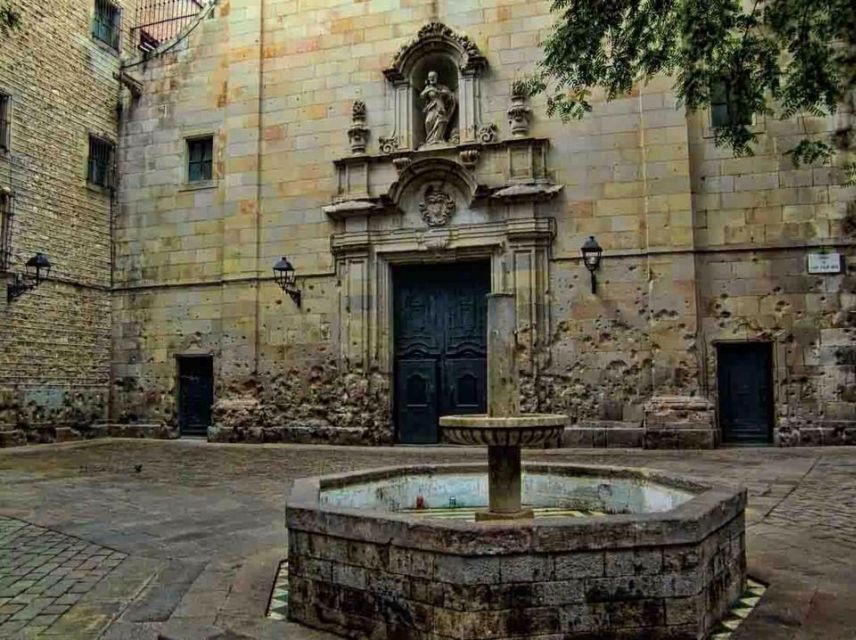
Barcelona doesn’t stop being symbolic after the medieval era. The tour follows the thread into later periods, including the splendor of 19th-century Freemasonry and the idea that modern Barcelona’s design was influenced by Freemasonic thinking.
The guide also raises the question around Gaudí—was he a Freemason? You should treat this as a mystery to consider rather than a solved fact. What’s useful is the method: the tour asks you to compare how different traditions shaped artistic design, sacred symbolism, and public buildings.
This modern section is where the tour can either click or miss, depending on your taste. If you love how symbolism shows up in architecture and city planning, you’ll likely enjoy the connections. If you want strict verification only, you might feel the tour is more interpretive. Either way, it’s a compelling way to see Barcelona as a living conversation across centuries, not just a museum city.
And yes, you’ll hear about dragons and hermetic symbolism as part of Barcelona’s spiritual mythology. Think of it as a language for stories: sometimes it’s literal, sometimes it’s metaphor, and the tour teaches you to recognize which is which as you go.
Price and Value: What $88 Buys You for 3 Hours
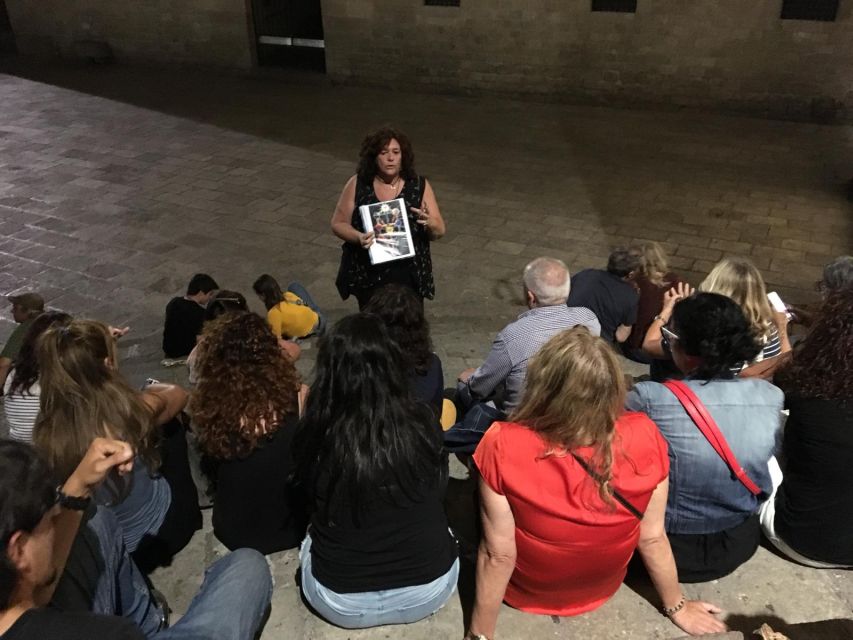
At $88 per person for 3 hours, you’re paying for three things that often don’t come bundled with typical city walks:
- A specialist guide in Western esoteric tradition
The guide isn’t only a history guide. She’s using that expertise to connect symbols in buildings to spiritual and historical traditions.
- A small group experience
With a limit of 8 participants, the conversation can stay personal. You’re more likely to ask questions and get answers that fit your starting point.
- A structured “meaning tour,” not a random stroll
You cover major medieval atmosphere and then connect it to Templars, Freemasons, Kabbalists, and the city’s layered identity. That’s hard to replicate on your own unless you already know what to look for.
Is it worth it? For me, the value case is strongest if you’re the type of traveler who enjoys interpretation and wants a fresh framework. If you mainly care about famous monuments and quick facts, you may prefer a more standard Gothic Quarter walk.
But if you like stories that change how you see the places in front of you, this price starts to make sense fast. Three hours is long enough to build understanding, short enough to stay manageable, and focused enough that you leave with a new mental map.
Who This Tour Fits Best (and Who Might Prefer Something Else)
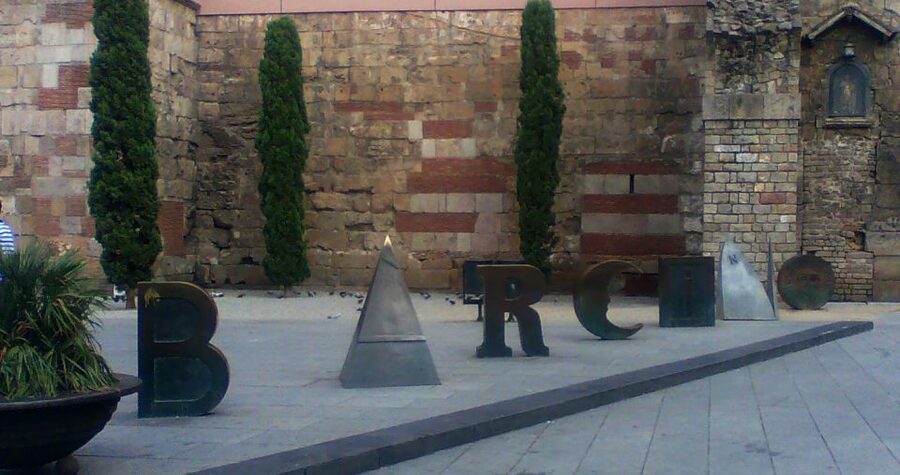
This experience suits you best if you want Barcelona through the lens of Western esoterica and spirituality and you’re curious about how different communities—Romans, Visigoths, Jews, sailors, merchants, counts—occupied the same city over time.
It’s also a good match if:
- You enjoy symbol spotting in churches and historic buildings
- You want the Gothic Quarter experience with extra meaning, not just visuals
- You’re starting from scratch with esoteric topics and want clear explanations
It may feel less satisfying if:
- You want only mainstream historical narration and minimal symbolism
- You dislike walking-based tours or have limited mobility (it’s a foot route)
- You prefer long, slow stops over a packed 3-hour structure
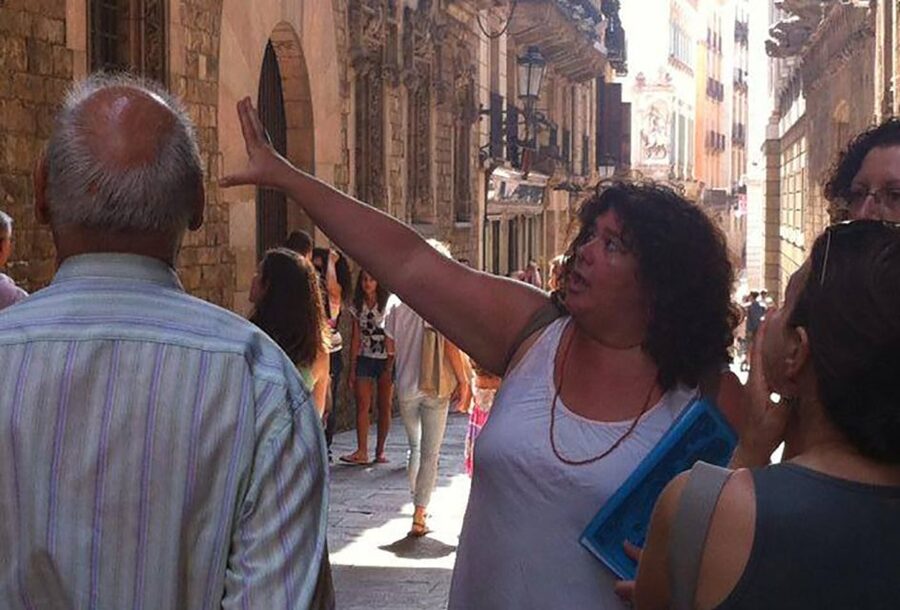
The guide’s teaching style seems to be a big part of why it works. Sandra Burela is described as charismatic, warm, and funny, and she’s the type who helps people connect dots whether they know nothing about esoterica or already study it.
One more practical tip: in summer, plan for heat. The tour advises bringing water and wearing comfortable walking shoes, so take that seriously. Barcelona can move fast, and you’ll enjoy the symbolism more if you’re not feeling drained.
Should You Book This Esoteric Barcelona Tour?
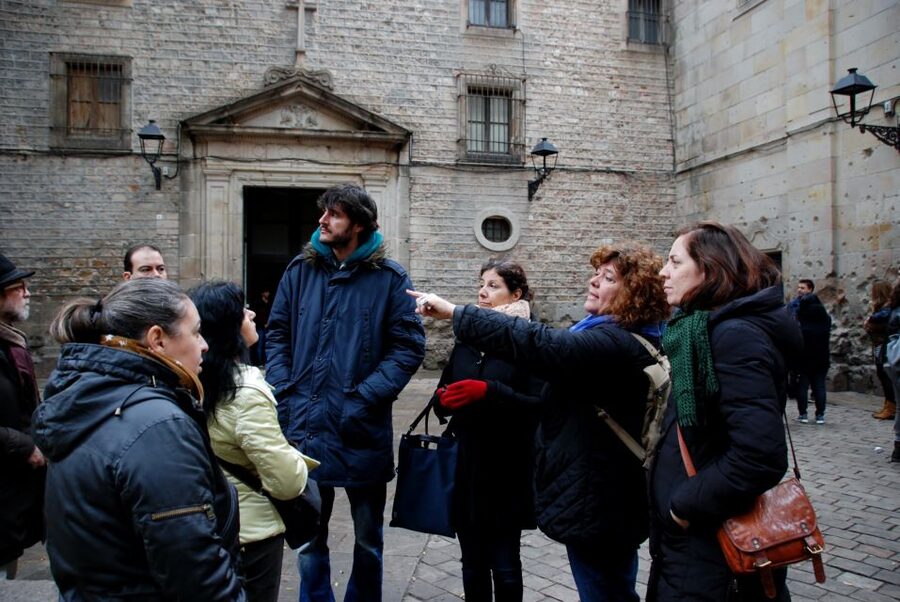
Book it if you want a guided walk that changes your viewpoint: Gothic Quarter streets that make sense as spiritual history, with specific symbol-focused moments like the cathedral’s Templar and Masonic details and the guided path through Jewish call and Kabbalah in Catalonia.
Skip it if you’re only after classic highlights and you feel irritated by interpretive storytelling. This tour is not pretending to be a purely factual museum route. It’s built to teach a way of reading the city.
If you’re on the fence, here’s an easy decision rule: if you would enjoy learning how a city’s buildings can reflect belief systems, secret traditions, and community memory, you’ll likely have a great time. If that idea sounds like a mood mismatch, you’ll probably want a different walking tour and save this for when you’re in the right frame of mind.
FAQ
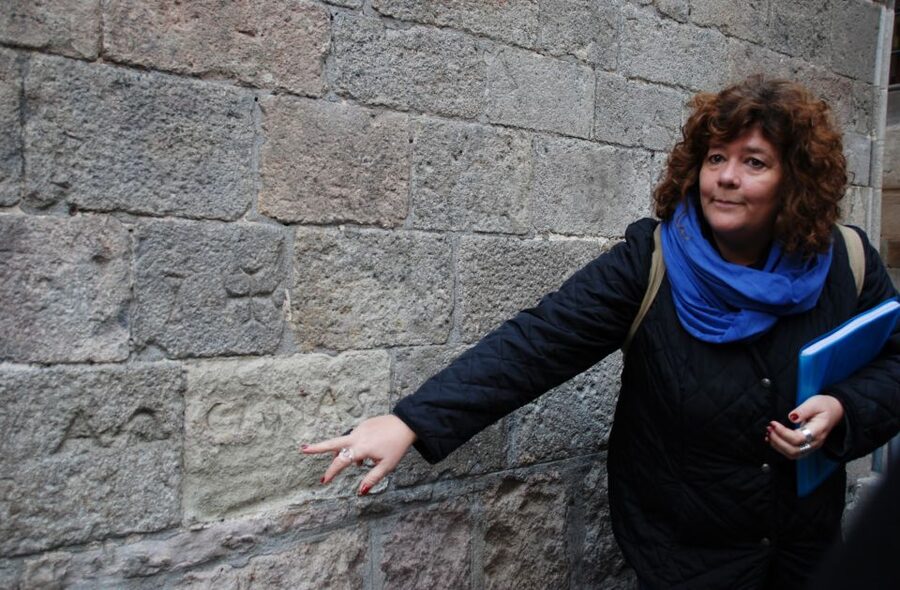
Where does the tour start?
It starts in front of the Zurich Cafe at Plaça Catalunya. Look for the guide next to the newsstand between the two metro entrances.
How long is the Barcelona esoteric tour?
The tour lasts 3 hours.
How much does the tour cost?
The price is $88 per person.
What group size is this tour?
It’s a small group limited to 8 participants.
Is the tour guide speaking English?
Yes, the live tour guide speaks English.
What areas of Barcelona does the tour focus on?
The tour centers on the Gothic Quarter and includes stops that connect to medieval churches and the cathedral’s symbolic elements.
What symbols does the tour point out?
The tour highlights Templar and Masonic symbols in the cathedral area, and it also references hermetic symbolism and dragons as part of Barcelona’s mystical story.
Do I need to know anything about esotericism before booking?
No. The tour is designed for people who know nothing about esotericism as well as people who already study it, with explanations that connect ideas to the city.
What should I bring for summer?
Bring a bottle of water, and wear comfortable walking shoes. Use a safe way to carry your belongings while you walk.
Can I cancel and get a refund?
Yes. Free cancellation is available up to 24 hours in advance for a full refund.
The Old Barcelona on Foot
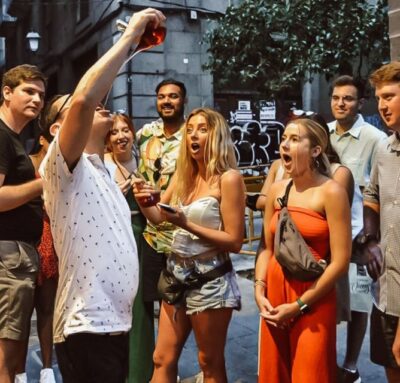
- Barcelona: Tapas Walking Tour with Food, Wine, and History
★ 4.8 · 4,261 reviews - Barcelona Tapas Walking Tour: Food, Wine & History
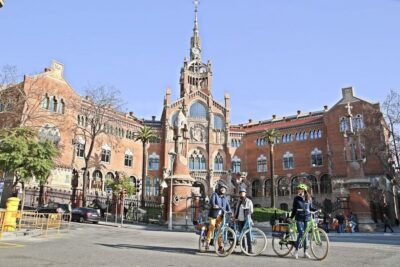
★ 4.5 · 1,928 reviews - Barcelona: 2.5-Hour Bike or E-Bike Historical Tour
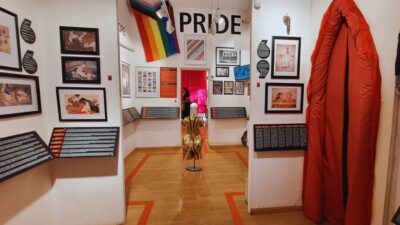
★ 4.5 · 1,262 reviews - Barcelona Erotic Museum – Explore Art, History & Fun
★ 4.4 · 450 reviews - Private Jewish Heritage Journey by Barcelona Dreaming
★ 4.8 · 383 reviews
More Ways to Tour Barcelona
- Barcelona: Casa Batlló Entry with Self-Audioguide Tour
★ 4.7 · 25,359 reviews - Barcelona: 24 or 48-Hour Hop-On Hop-Off Bus Tour
★ 4.4 · 20,872 reviews - Barcelona: Park Guell Guided Tour with Skip The Line Entry
★ 4.7 · 17,563 reviews - Barcelona: Sagrada Familia Skip-the-Line Entry Ticket & Tour
★ 4.8 · 12,789 reviews - Barcelona: FC Barcelona Museum “Barça Immersive Tour” Ticket
★ 4.4 · 10,944 reviews
More Barcelona Tours on Our Radar
- Barcelona: Sagrada Familia Entry Ticket with Audio Guide
★ 4.6 · 105,312 reviews - Barcelona: Park Güell Admission Ticket
★ 4.4 · 76,534 reviews - Barcelona: Casa Batlló Entry with Self-Audioguide Tour
★ 4.7 · 25,359 reviews - Barcelona: Montjuïc Cable Car Roundtrip Ticket
★ 4.5 · 22,368 reviews - Barcelona: Hola Barcelona Public Transport Travel Card
★ 4.5 · 20,985 reviews
Just Rated Around Barcelona




Historical Tours, compared.
 ★ 4.8Tapas Walking Tour with Food, Wine, and HistoryFrom $784,261 reviews
 ★ 4.5Barcelona Tapas Walking Tour: Food, Wine & HistoryFrom $661,928 reviews
 ★ 4.52.5-Hour Bike or E-Bike Historical TourFrom $281,262 reviews
 ★ 4.4Barcelona Erotic Museum – Explore Art, History & FunFrom $17450 reviews
 ★ 4.8Private Jewish Heritage Journey by Barcelona DreamingFrom $94383 reviews
 ★ 5.0Andorra Original History and Sightseeing Tour (Private, Pickup)From $240350 reviews
 ★ 4.8Dark History Night Walking TourFrom $24344 reviews
 ★ 4.5Tarragona and Sitges Small Group Tour – Roman History & CultureFrom $119339 reviews
Browse the lists this tour appears in