Reviewed · BARCELONA
Barcelona in Mystery Key
Barcelona has a secret street rhythm.
This route skips the usual theme-tour script and plays a different game: an initiation walk through myth and reality, with city anecdotes stitched in as you go. It is designed to feel street-level and interactive, so you’re not just watching landmarks—you’re decoding them.
What I like most is the way it keeps you thinking. You’ll be led through three themed stops—a masonic altar, a magic altar, and a fascist altar—yet each one is paired with everyday Barcelona details that make the stories feel grounded in actual neighborhoods. One possible drawback: the themes range into political and dark symbolism, so if you prefer lighter sightseeing, this route may feel intense at times.
In This Review
- Key Takeaways: What Makes This Mystery Walk Work
- Walking the Thin Line Between Story and Street
- Starting at Catalonia Eixample: Your Quick Launch Point
- How the Initiation Structure Keeps You From Getting Lost
- The Masonic Altar Stop: Symbols You Can Read (Even If You Don’t Know Them)
- The Magic Altar Stop: Estruch de Sacanera and the Power of Local Legends
- The Fascist Altar Stop: History’s Shadow, Explained Without Losing Perspective
- Plaza Catalunya Through a New Lens: Pregnant Virgins and a God That Never Sleeps
- The Knights of the Holy Sepulcher: When Big Legends Touch Local Streets
- The Devil House Question: Why the Weirdest Stories Stick
- What It Feels Like to Walk With Sergio
- Timing, Distance, and Pacing a 3-Hour Mystery Route
- Price and Value: Why $18.52 Can Make Sense
- Best For Who: Choose This If You Like Streets With Stories
- Quick Practical Notes Before You Go
- Should You Book Barcelona in Mystery Key?
- FAQ
- How long is Barcelona in Mystery Key?
- Where does the tour start and end?
- What is the price per person?
- Do I need a paper ticket?
- How many people are in the group?
- Is there public transportation nearby?
- Can I bring a service animal?
- Is the tour suitable for most travelers?
- What if the weather is bad?
- Can I get a full refund if plans change?
Key Takeaways: What Makes This Mystery Walk Work
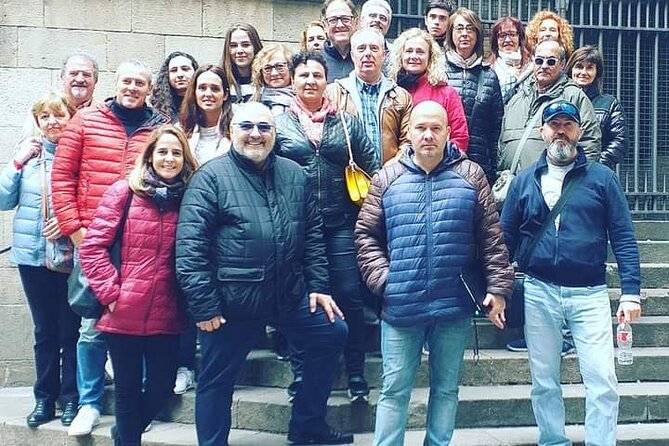
- A participatory street route: expect questions, prompts, and a walk that feels like a story you’re helping tell
- Three altar stops with very different vibes: masonic, magic, and fascist symbolism, each explained through Barcelona context
- Myth-vs-reality framing: you’ll hear classic mystery ideas and then connect them to real city clues
- Sergio leads it: the guide’s energy is a big reason the full 3 hours feels fast
- Best as an opener or pair: it connects to a second route called Barcino Code: The Revealed City
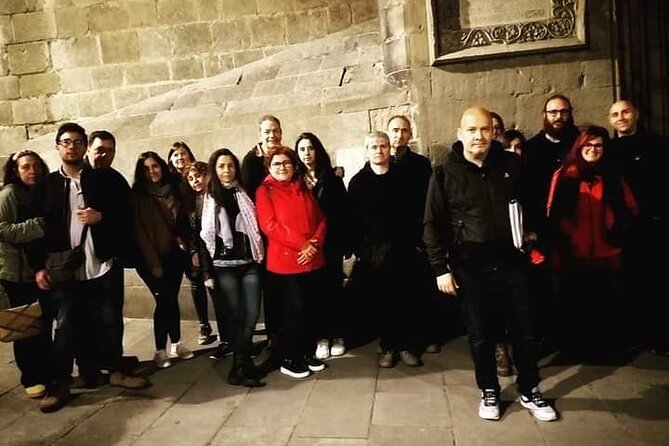
- Small group size: up to 20 people, which helps it stay conversational
Walking the Thin Line Between Story and Street
Barcelona can feel like a museum if you only chase the big names. This experience goes after something else: the tension between what people say happened and what you can actually see in the city. Instead of a straight lecture, you get a route that treats the streets like evidence.
You’ll walk through a chain of surprises: unusual, hidden, popular heritage, and tradition side by side. The point is not to memorize dates. It’s to notice how Barcelona builds meaning into its corners—through symbols, rumors, and the stubborn way locals keep repeating certain stories.
I also like that the format is built for people who normally zone out on tours. It’s participatory in an everyday way. You’re meant to engage, react, and keep your attention. That makes a 3-hour walk feel like a focused game rather than a long slideshow.
Torn between options? Line this one up against other Barcelona picks.
Starting at Catalonia Eixample: Your Quick Launch Point
You meet at CataloniaEixample, 08002, Barcelona, Spain. Since the tour ends back at the same meeting point, your day stays simple—no awkward “where do I go now” scramble.
This area is useful because it helps you get your bearings fast. You start close to a part of the city that makes it easy to hop onto public transportation before or after. If you’re pairing this with other plans, starting and ending in the same spot reduces stress.
You’ll also want to show up with a mindset that matches the route. Think less, Why is this here? and more, What story is this street trying to tell?
How the Initiation Structure Keeps You From Getting Lost
The experience is built as Ruta N°1 in an initiation concept. It has a continuation in a second correlative route called Barcino Code: The Revealed City. That structure matters because it changes how you should experience it.
Instead of trying to solve everything in one go, you’ll feel the tour leading you toward bigger connections. The walk is like the first key in a set: it gives you a way of reading Barcelona, then points you toward the next chapter.
That’s one reason the “mystery” label fits better than a generic ghost-story tour. You’re learning how to interpret. You’ll likely come away with questions in your head—useful ones—so even if you don’t join the follow-up route, you’ll still walk differently afterward.
The Masonic Altar Stop: Symbols You Can Read (Even If You Don’t Know Them)
One of the three main stops is a masonic altar. Even without prior knowledge, this is a good choice for a tour like this because symbolism often looks obvious only after someone tells you what to notice.
What makes this stop work is the pairing: you don’t just get esoteric references. You also get Barcelona anecdotes threaded through the explanation, so the symbolism doesn’t feel floating in space. You start learning how the city preserves layers—some official, some coded, some simply repeated until they become tradition.
A practical consideration here: this part of the route is likely to be more interpretive than scenic. If you’re expecting dramatic views at every stop, you might need to adjust your expectations. Bring your curiosity and your patience. The payoff is the shift in how you see details later.
The Magic Altar Stop: Estruch de Sacanera and the Power of Local Legends
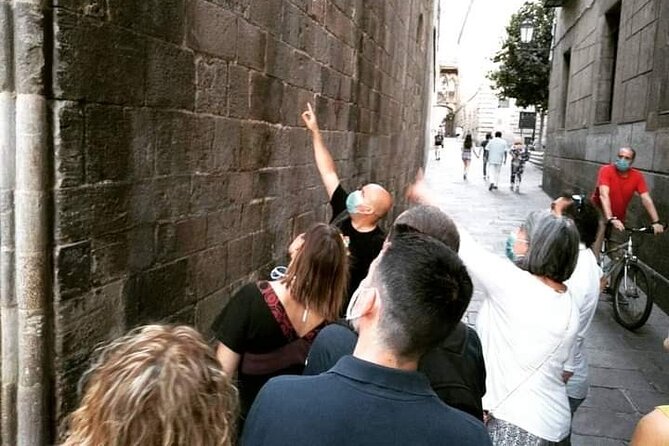
Next comes the magic altar, where the stories start to feel more theatrical and human. You’ll hear about Estruch de Sacanera, the magician, and you’ll connect that name to the city in a way that makes it more than a random fact.
This is where the tour’s street-level style shines. Barcelona’s mysteries often don’t announce themselves like a themed attraction. They live in the small details: references tucked into corners, names that resurface in stories, and local memory that keeps certain characters alive.
This stop also helps you see how the city treats folklore. Magic isn’t only supernatural here—it becomes a lens for understanding how people explain the unexplainable. And since the route keeps mixing the unusual with the popular heritage, the magic element doesn’t feel like a gimmick. It feels like a cultural habit: tell the story, then point to where it happened.
If you like playful learning, this is likely the moment you’ll enjoy most.
- Barcelona: Sagrada Familia Entry Ticket with Audio Guide★ 4.6 · 105,312 reviews
- Barcelona: Park Güell Admission Ticket★ 4.4 · 76,534 reviews
- Barcelona: Casa Batlló Entry with Self-Audioguide Tour★ 4.7 · 25,359 reviews
The Fascist Altar Stop: History’s Shadow, Explained Without Losing Perspective
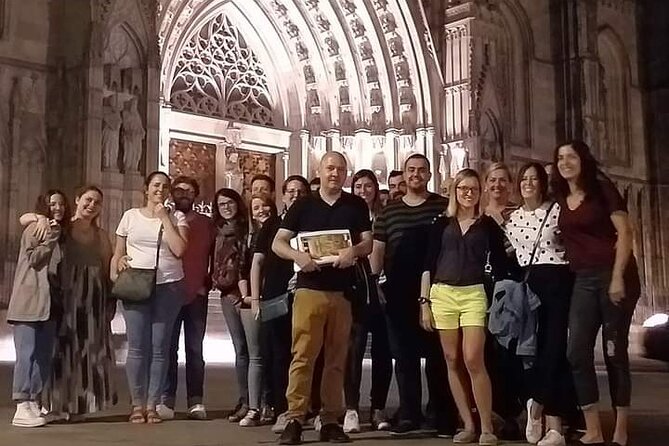
The third altar is the fascist altar. This part of the experience is important, and it’s also the one that asks you to slow down mentally. Political symbolism can be disturbing when it’s reduced to trivia, so the value here is in how the tour frames it alongside city anecdotes and reading-the-streets context.
You’ll likely leave this stop with a clearer sense of how power leaves marks. Even when the original meaning fades or changes, the physical and cultural residue can stay. That’s the kind of observation that makes a mystery walk more than entertainment—it teaches you a way to notice.
Possible drawback: if you’re sensitive to dark historical themes, you may find this section less comfortable than the masonic and magic stops. It’s still part of “mystery,” but it’s mystery with real weight.
If you’re traveling with kids, this is where parents should gauge comfort level in advance. One helpful strategy: keep the conversation focused on symbols, meaning, and how stories evolve, not on shock.
Plaza Catalunya Through a New Lens: Pregnant Virgins and a God That Never Sleeps
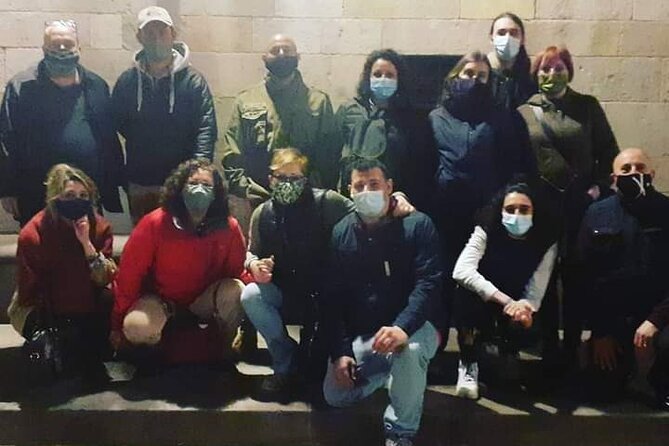
Even if you’re familiar with Plaza Catalunya, the tour aims to change your mental picture of it. You’ll encounter mystery questions tied to the square’s reputation, including the idea of pregnant virgins in Plaza Catalunya.
You’ll also hear about a god that never sleeps in Barcelona. That kind of line works because it signals the tour’s theme: myths aren’t random. They attach to places, then get re-told until they become part of the city’s cultural memory.
The strongest part of this segment is that it turns a common landmark into a narrative checkpoint. Instead of seeing the square as a place you pass through, you start treating it like a page in a book. Even if you can’t verify every story you hear, you can recognize how and why locals repeat them.
That’s the “value” behind mystery tourism when it’s done well. You’re not just collecting spooky facts. You’re learning how Barcelona stitches identity into public space.
The Knights of the Holy Sepulcher: When Big Legends Touch Local Streets
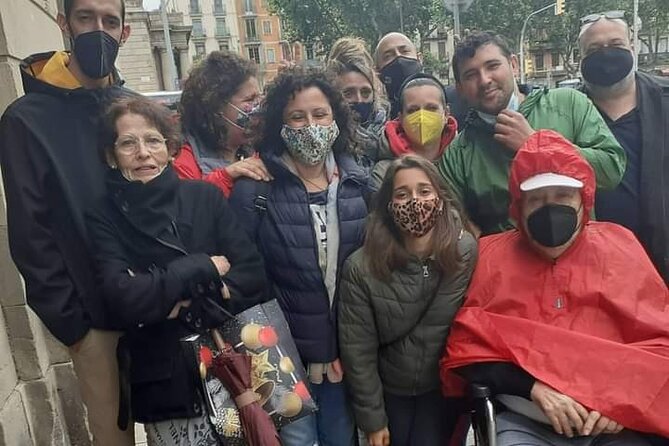
You’ll also be guided through questions like whether the Knights of the Holy Sepulcher of Jerusalem were in Barcelona. That kind of rumor could go nowhere on a standard tour.
Here, it’s used as a thinking tool. The walk places legend beside location so you can track the logic of how stories travel—through people, through institutions, through the city’s own habits of preserving names.
This is a great moment to practice the tour’s core skill: look for connections. If you find yourself getting lost, just watch how the guide links the myth to what’s around you. The route is designed to keep you oriented.
The Devil House Question: Why the Weirdest Stories Stick
You’ll hear about the idea of a house dedicated to the devil in the city. That’s exactly the kind of detail that many tours would skip because it sounds too far-fetched.
This experience doesn’t shy away. It treats weird stories as part of real city storytelling. The point is not to convince you of one supernatural truth. It’s to show you how certain claims become repeatable, how they spread, and how they shape what people expect from a place.
If you enjoy urban folklore, you’ll appreciate this approach. If you prefer only documented facts, keep your expectations flexible and think of it as cultural observation.
What It Feels Like to Walk With Sergio
The guide for this experience is Sergio. The vibe you’re aiming for is confident and playful, not stiff and formal. The tour works best when you’re ready to participate, because Sergio’s style turns the route into a lively conversation.
Based on the energy described in the experience, the 3 hours likely fly by because you’re never stuck doing only one thing. You walk, you listen, you answer prompts, you look for clues, then you move to the next symbolic stop.
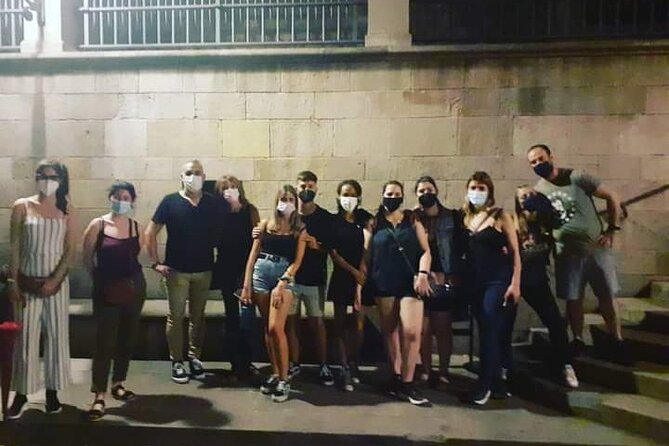
Also, the small group size—maximum 20 people—helps the tour stay responsive. You’re more likely to feel included instead of processed.
Timing, Distance, and Pacing a 3-Hour Mystery Route
The duration is about 3 hours. That’s a sweet spot: long enough to build momentum and visit multiple concept-driven stops, short enough to fit into a half-day plan.
Still, it’s a walking tour. Wear comfortable shoes and pace yourself. If you get tired, you’ll miss some of the smaller interpretive details. This route isn’t about speed. It’s about attention.
If you’re doing it on a weekend getaway, I’d place it earlier in the trip. A mystery route works as an orientation tool. It trains your eye for how Barcelona tells stories, which makes everything after feel more meaningful.
Price and Value: Why $18.52 Can Make Sense
At $18.52 per person for a roughly 3-hour guided walk, this is positioned as good-value city entertainment with an educational edge. You’re paying for three main things:
- A structured route that isn’t the same-old-same-old thematic tour
- A guide-led explanation that turns folklore and symbolism into something you can actually notice
- A small-group experience that keeps the tone interactive
The value also improves if you’re the type who likes to see the city beyond postcards. If your idea of value is only scenic viewpoints, you might feel the price is high relative to views. But if you enjoy stories tied to real streets, this is a smart use of time.
Best For Who: Choose This If You Like Streets With Stories
This tour fits you well if you:
- Prefer walking tours that feel interactive rather than lecture-heavy
- Enjoy urban legends, symbolism, and cultural clues
- Want a different angle on Barcelona that’s not just architecture bingo
- Like the idea of an initiation experience that connects to a second route
It might be less ideal if you:
- Want only light, funny sightseeing with zero political or dark symbolism
- Don’t enjoy participatory formats and prefer quiet, self-guided experiences
Quick Practical Notes Before You Go
This experience uses a mobile ticket. If you like to keep your planning simple, that’s a nice perk. It’s also near public transportation, so you can plug it into a broader day without too much effort.
Confirmation is received at time of booking. Service animals are allowed, and most travelers can participate. The group stays capped at 20.
The tour requires good weather. If conditions are rough, you’ll be offered another date or a full refund.
Should You Book Barcelona in Mystery Key?
I think you should book this if you want Barcelona to feel strange in a good way. This isn’t a checklist tour. It’s a guided way to read the city as a story engine, with three altar stops that force you to look closer.
Book it sooner rather than later if you can, because it teaches you a method. And if you like the idea of continuing, the follow-up route Barcino Code: The Revealed City makes this feel like the start of a bigger journey rather than a one-off diversion.
If you’re sensitive to dark political themes or you dislike participatory tours, you’ll want to reconsider. But for most curious travelers, this is the kind of walk that leaves you looking back at famous places—like Plaza Catalunya—and noticing things you never expected to see.
FAQ
How long is Barcelona in Mystery Key?
It lasts about 3 hours.
Where does the tour start and end?
It starts at CataloniaEixample, 08002, Barcelona, Spain, and ends back at the same meeting point.
What is the price per person?
The price is $18.52 per person.
Do I need a paper ticket?
No. The tour uses a mobile ticket.
How many people are in the group?
The group is limited to a maximum of 20 travelers.
Is there public transportation nearby?
Yes. The start point is near public transportation.
Can I bring a service animal?
Yes, service animals are allowed.
Is the tour suitable for most travelers?
Most travelers can participate.
What if the weather is bad?
The tour requires good weather. If it’s canceled due to poor weather, you’ll be offered a different date or a full refund.
Can I get a full refund if plans change?
Yes. You can cancel up to 24 hours in advance for a full refund. If you cancel less than 24 hours before the start time, you won’t receive a refund.
More Barcelona Tours on Our Radar
- Barcelona: Sagrada Familia Entry Ticket with Audio Guide
★ 4.6 · 105,312 reviews - Barcelona: Park Güell Admission Ticket
★ 4.4 · 76,534 reviews - Barcelona: Casa Batlló Entry with Self-Audioguide Tour
★ 4.7 · 25,359 reviews - Barcelona: Montjuïc Cable Car Roundtrip Ticket
★ 4.5 · 22,368 reviews - Barcelona: Hola Barcelona Public Transport Travel Card
★ 4.5 · 20,985 reviews