
Reviewed · MUSEUMS
Barcelona: Olympic and Sport Museum – Sports Experience
Sports fans, this museum scores points. On Montjuïc, Barcelona’s Olympic and Sport Museum turns sports history into hands-on play, with technology that lets you test real skills. I love the interactive simulators (sprinting, swimming, cycling, even weightlifting-style practice), and I also love the Olympics timeline from Barcelona 1992 to London 2012 that keeps the story moving. One possible drawback: it’s not a huge, video-heavy museum, so don’t expect hours of Barcelona ‘92-only content or endless screens.
You’ll walk through a mix of Olympic and non-Olympic sports, with sections designed for both kids and adults. The mood is calmer than many big-city attractions, which makes it easier to focus on what you’re doing instead of fighting crowds.
If you can, I’d pair it with a quick photo stop nearby on Montjuïc. One reviewer even called out a stadium down the road as being open for pictures and views, which is a fun bonus after your museum time.
In This Review
- Key points to know before you go
- Montjuïc Hill and a One-Day Sports Hit
- What You Actually Do: Sprint, Swim, Cycle, and Lift Simulators
- Race against legends
- Swim technique play
- Cycling skills
- Weightlifting-style taste
- Olympics From Barcelona 1992 to London 2012: The Permanent Storyline
- Sports Beyond the Olympics: Football, F1, Skiing, and More
- The Idols Area: Shoes, Trophies, and the Samaranch Thread
- Paralympic Games: Football for the Blind and Wheelchair Basketball
- Temporary Exhibitions You Might Want to Time Your Visit For
- How Long It Takes and How to Pace It on a Montjuïc Day
- Price and Value: Is $7 Really Enough?
- Who Should Book This Olympic and Sport Museum?
- Should You Book It? My Straight Answer
- FAQ
- Where is the Barcelona Olympic and Sport Museum located?
- How long is the visit?
- What’s the price?
- What can I do inside the museum?
- Does it cover Paralympic sports too?
- Does it include Olympic history?
- Is there anything beyond the Olympics?
- What languages is the museum content available in?
- Are unaccompanied minors allowed?
Key points to know before you go
- Run, swim, bike, lift (sort of): Technology-based challenges let you compare how you do versus famous athletes.
- Olympics cities, not just medals: A permanent exhibition tracks host cities from Barcelona 1992 onward.
- More than Olympic sports: You’ll see football, Formula 1, skiing, cycling, canoeing, and tennis in the mix.
- Idols area with real athlete links: Trophies, milestones, and athlete memorabilia—including shoe comparisons.
- Paralympic section is included: History and categories like football for blind/visually impaired and wheelchair basketball.
Montjuïc Hill and a One-Day Sports Hit
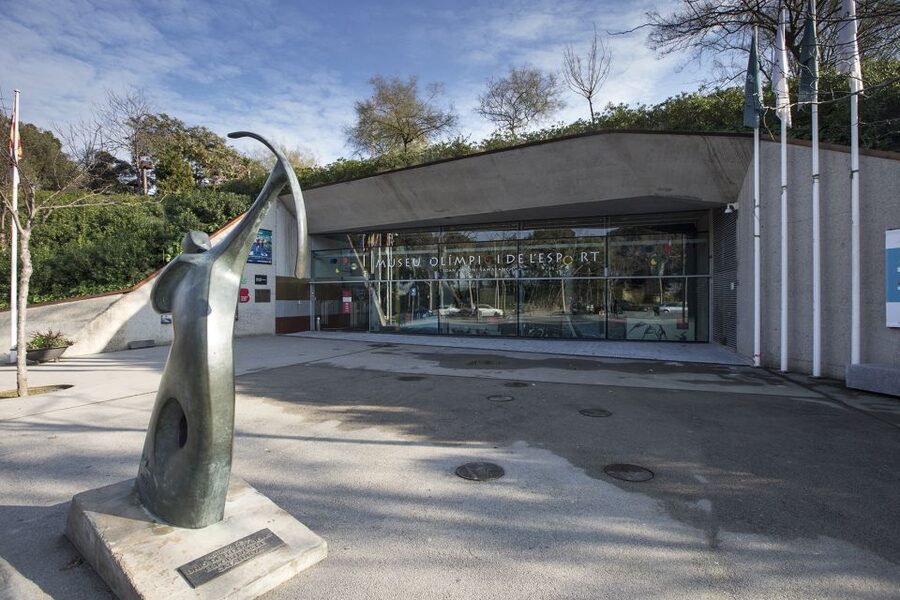
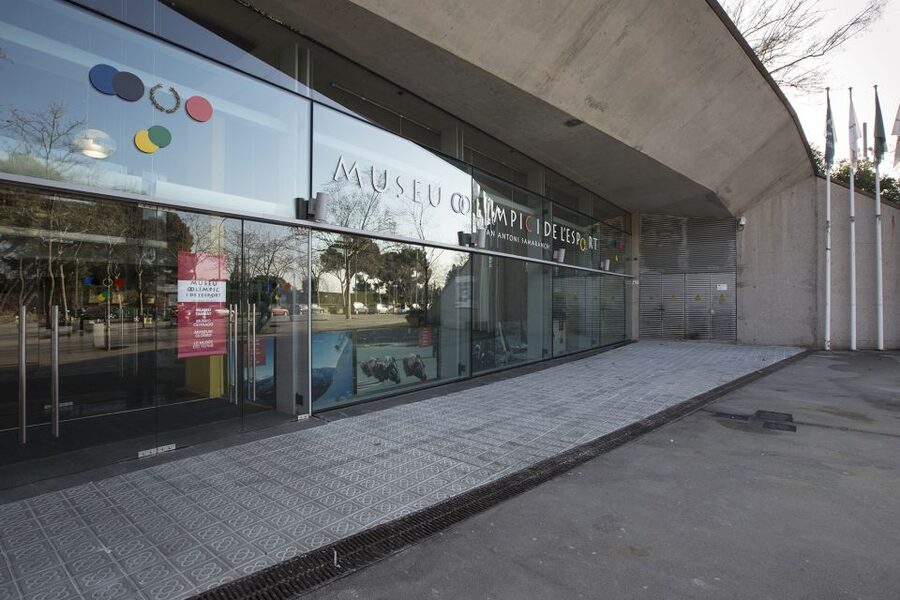
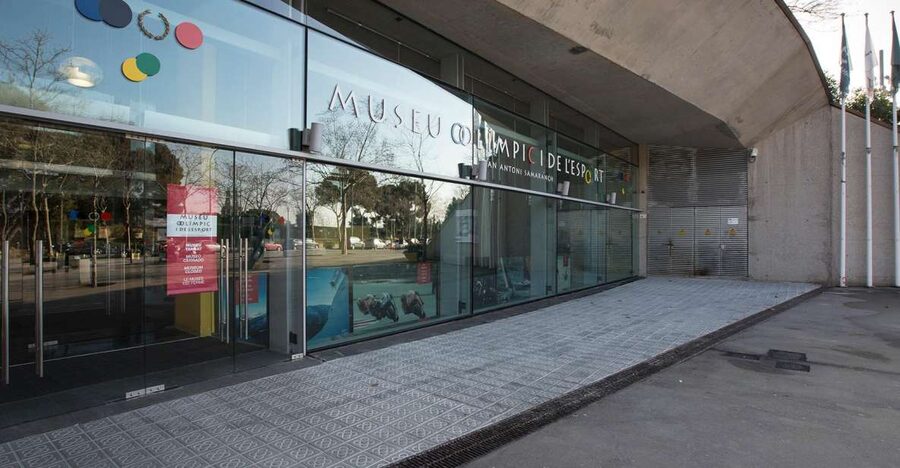
This museum is one of those smart “do it today” choices in Barcelona. You’re on Montjuïc, and the setting already feels like part of the Olympic story. The museum itself keeps the focus on sports skills and Olympic context, not just display cases.
A big reason I like this place is that it doesn’t force you to read your way through everything. You can hit interactive parts early, then use the history areas to fill in the why behind the action.
At $7 per person for a one-day visit, the value is real—especially if you’re traveling as a family or you want something active that isn’t just sightseeing. The museum includes entry plus Wi‑Fi and toilets, so you won’t feel stuck figuring out basic needs mid-visit.
One more note: the museum is in Spanish. That’s manageable if you read a little or use the screens, but it’s worth planning if you need everything in English.
More Barcelona galleries to duck into




What You Actually Do: Sprint, Swim, Cycle, and Lift Simulators
This is the core of the experience. The museum is built around “try it” zones, so you spend less time passively watching and more time testing sports skills.
Race against legends
One of the most fun parts is the chance to run against Carl Lewis or Usain Bolt. It’s the kind of challenge that instantly makes a museum feel like a game. Even if you’re not an athlete, the comparison angle gives you a story to take away: not just who they were, but the kind of performance they represented.
Swim technique play
If you like water sports, you’ll have an opportunity to check out swimming techniques connected to Mark Spitz or Michael Phelps. Instead of turning swimming into a lecture, the museum frames it as technique-focused practice. You get a clearer sense of what swimmers are actually working on.
Cycling skills
There’s also a cycling experience where you can improve your “feel” for the sport. Again, it’s not about being a pro. It’s about getting a physical sense of what training and performance demand.
- Barcelona: Hola Barcelona Public Transport Travel Card★ 4.5 · 20,985 reviews
- Barcelona: 24 or 48-Hour Hop-On Hop-Off Bus Tour★ 4.4 · 20,872 reviews
- Barcelona: Park Guell Guided Tour with Skip The Line Entry★ 4.7 · 17,563 reviews
Weightlifting-style taste
There’s even a simulator-style chance to get a taste of weightlifting. It’s a lighter “experience” version rather than a training session, but it still helps you understand how technique and effort connect.
Why this matters for your trip: if you’re tired of standing around in museums, you’ll probably like that these areas keep pulling you forward. You’ll also likely spend time here at the pace that works for you, instead of rushing through rooms.
Olympics From Barcelona 1992 to London 2012: The Permanent Storyline
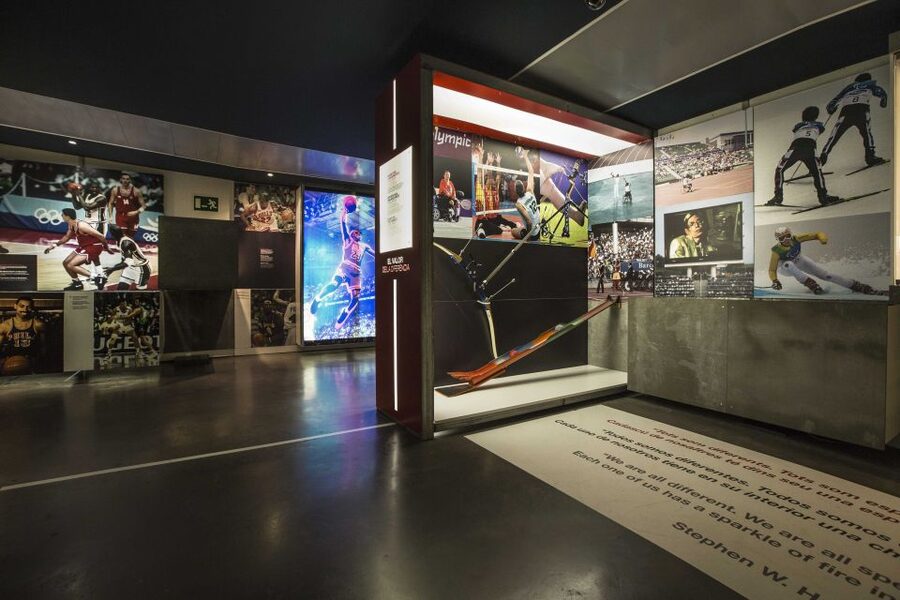
After you’ve had your fun with the sports challenges, the museum shifts into context. This is where you learn how the Olympic Games move from city to city and how the event evolves.
You’ll find a permanent exhibition that covers host cities from Barcelona 1992 through London 2012. For many people, that period is the spine of modern Olympic memory—especially if Barcelona is part of your trip already. It also gives you a way to connect the museum to the city you’re standing in.
There’s also a specific focus on Barcelona ’92 paraphernalia. That part is a nice bridge between “global games” and “local pride.”
One practical drawback to keep in mind: the Barcelona ‘92 content may not feel like a massive dedicated wing. If you’re expecting a giant, Barcelona-only deep dive, you might feel there’s just a smaller slice devoted to the home games. Still, the overall host-city timeline helps you understand Barcelona within the larger Olympic sweep.
Sports Beyond the Olympics: Football, F1, Skiing, and More
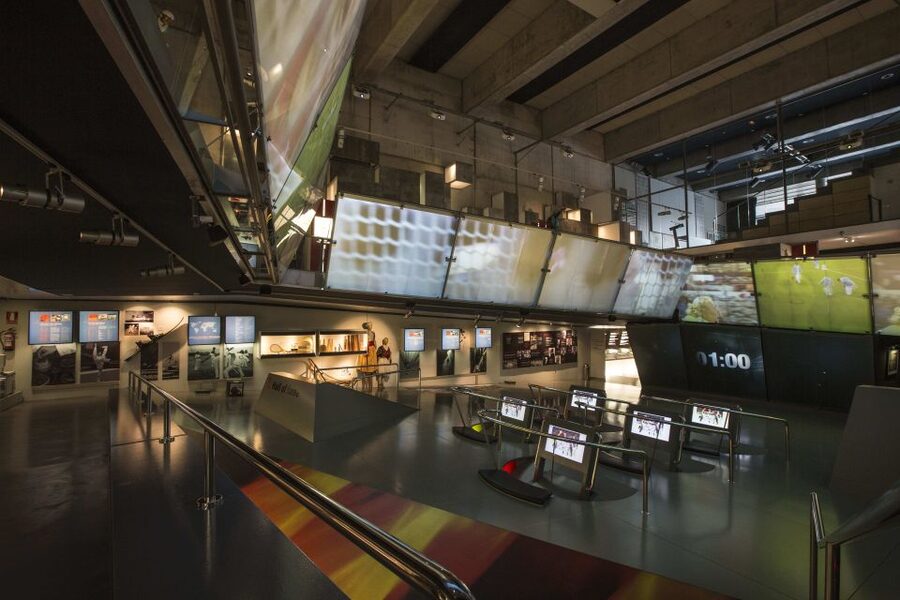
This isn’t just an Olympics museum. The museum also brings in non-Olympic sports (and sports adjacent to Olympic competition), so the experience feels broader than a single-event timeline.
You can expect mentions or exhibits connected to:
- football
- Formula 1
- skiing
- canoeing
- tennis
Even when you’re focused on “the Olympics,” this mix is helpful. It reminds you sports culture doesn’t live only inside the Olympic logo. It’s also a smart way to keep teenagers interested, especially if their favorites aren’t the ones most obviously tied to the Games.
For families, this breadth matters. Kids and teens often pick their favorite sport fast. The museum gives you enough variety that someone in your group won’t feel bored while others nerd out on Olympic details.
The Idols Area: Shoes, Trophies, and the Samaranch Thread
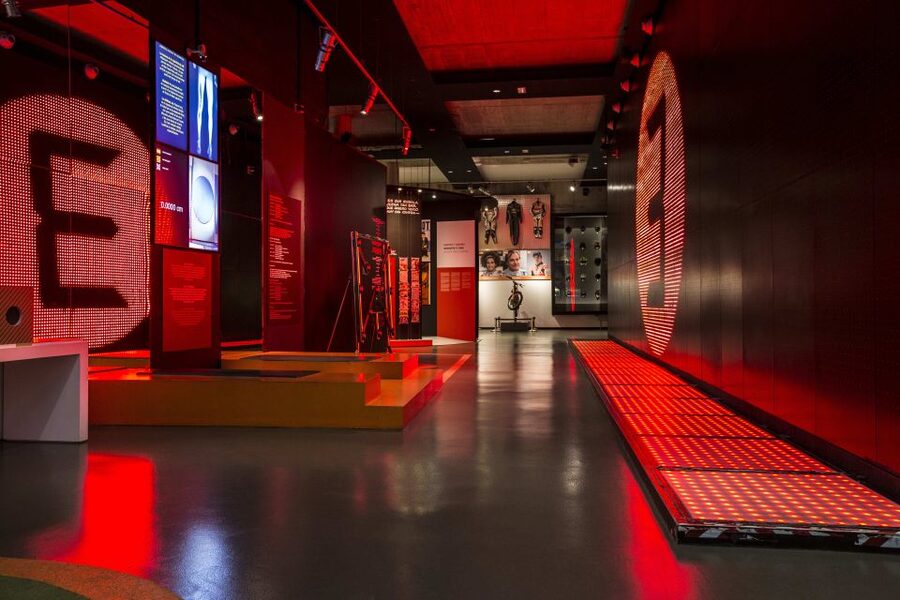
The museum’s Idols section is where it gets personal. Instead of focusing only on events and dates, it leans into athlete moments—trophies, milestones, and iconic elements tied to performance.
Here’s what I found especially useful as a visitor:
- You can discover trophies and athlete milestones tied to the best moments in history.
- There’s a shoe comparison concept that connects visitors with famous athletes, including Michael Jordan, Pau Gasol, and Roberto Dueñas.
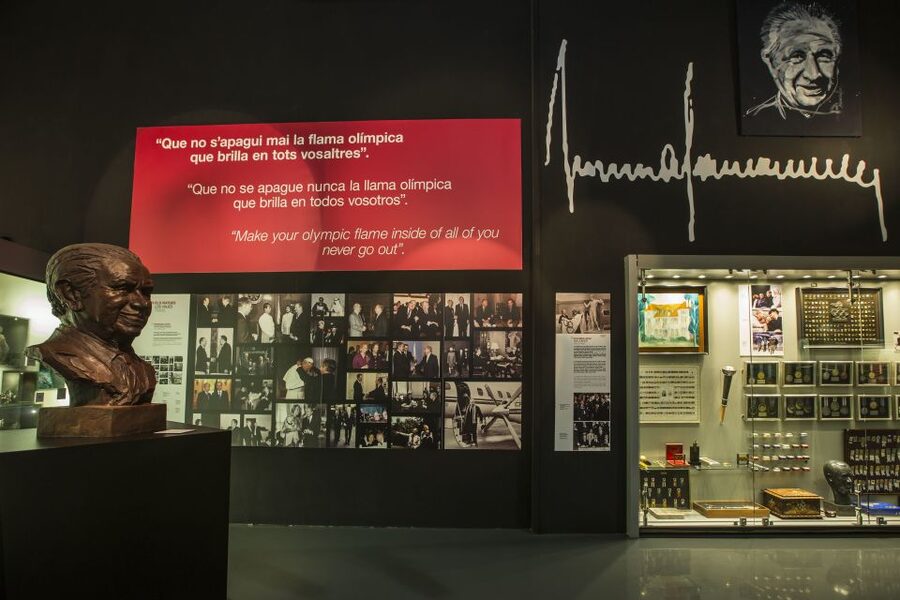
- You can also explore a Samaranch collection, named for the prominent figure connected to the Olympic movement.
That shoe-comparison idea is a fun hook because it turns memorabilia into a “try-to-notice” challenge. You’re not just looking at an object; you’re comparing something that feels close to your own daily life.
There’s also mention of enjoying a live sports match in this area. Since the specific setup can depend on what’s running, treat it as a bonus rather than a guaranteed “must-see at 2:00 pm” moment.
If you like the human side of sports—how greatness looks and how it gets remembered—you’ll likely enjoy this section. It’s also a good place to slow down after the faster simulators.
Paralympic Games: Football for the Blind and Wheelchair Basketball
One of the museum’s strongest points is that the Paralympic story is part of the overall design. There’s a dedicated paralympic section that covers history and sports categories.
The examples highlighted include:
- football for the blind and visually impaired
- wheelchair basketball
This isn’t presented as an add-on afterthought. It’s built into the museum experience, so you come away with a broader idea of what “sport history” means.
For many people, this section is the most meaningful. It adds depth and respect to the Olympic narrative, and it also keeps the visit feeling fair and complete rather than one-sided.
Temporary Exhibitions You Might Want to Time Your Visit For
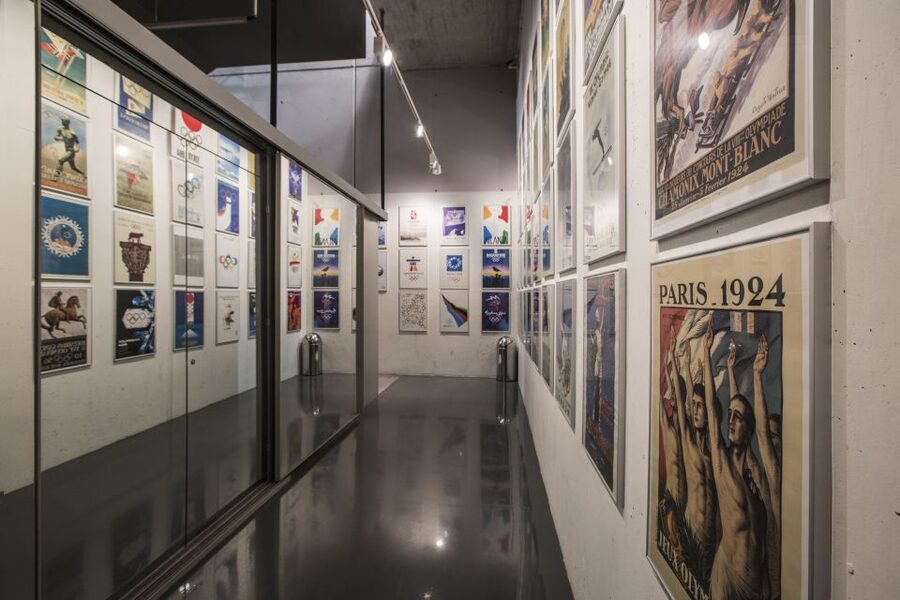
Your ticket also includes temporary exhibitions, which can make your single-day visit feel more like a “new season” experience.
Based on current scheduling details provided:
- Values and Emotions of the COPLEFC Photography Contest, running until January 25, 2026. This contest has been happening since 1999, and it gathers images across many editions.
- XI Barcelona Olympic Foundation International Art on Paper Award, running until November 09, 2025.
I like adding these art-and-sport exhibitions into the mix because they remind you sports isn’t only results and records. It’s also emotion, values, and how people choose to frame athletic effort.
If you care about photography or art, it’s worth planning your museum day around these dates.
How Long It Takes and How to Pace It on a Montjuïc Day
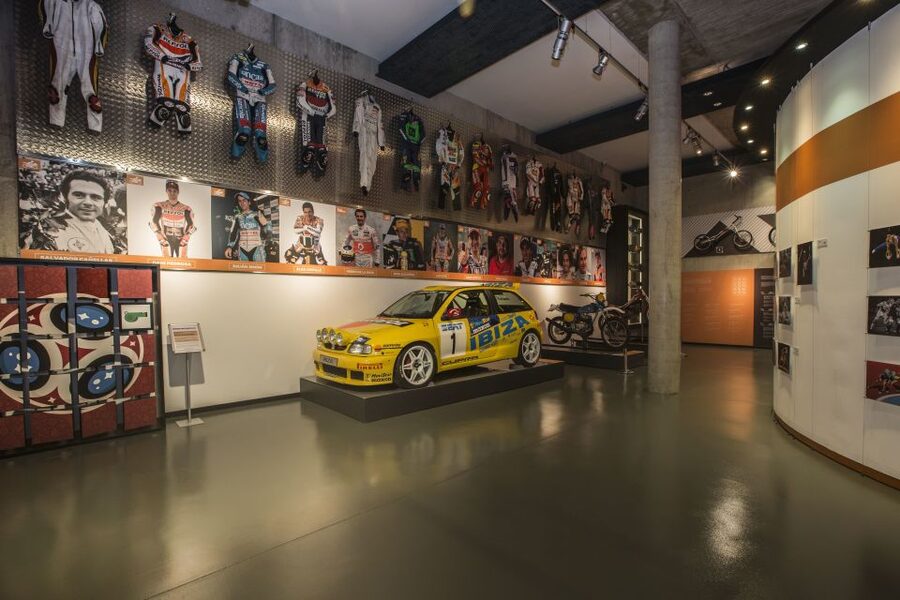
The visit is listed as valid for 1 day, and the museum is designed for a clear, doable time slot. If you want a smooth experience, I suggest you pace it like this:
Start with the hands-on sports zones so you’re energized and curious. Then shift into Olympic host-city history while the Olympic theme is fresh in your mind. Finally, spend your last chunk on Idols and the Paralympic section, where the museum slows down and tells stories.
This pacing also helps with a practical issue: the museum is not huge, and it’s not built like a video maze. If you try to read every label and watch every screen, you might feel rushed or, worse, bored at the parts meant for action.
One small tip from real-world pacing logic: if you want the museum to feel calmer, go when you can avoid peak crowd moments. The experience can feel very pleasant when the rooms aren’t packed.
And don’t forget the basic comforts. There are toilets and Wi‑Fi included, which makes a big difference when you’re scanning content on your phone.
Price and Value: Is $7 Really Enough?
For $7 per person, this museum is one of the better “low-cost, high-participation” options on Montjuïc.
Here’s what you’re really paying for:
- access to the Olympic and sport story
- multiple sport-related interactive challenges
- a permanent Olympic host-city exhibition
- an Idols area with athlete memorabilia and the Samaranch thread
- a Paralympic section with specific sports highlighted
- temporary exhibitions included with your ticket
Even if some parts are smaller than you expect, the interactive simulators and the variety of sports coverage give you enough to justify the price. If your goal is to spend a relaxed half day to full day doing something active and learning lightly, this fits nicely.
If your goal is a big, multi-hour collection museum heavy on documentary-style videos, you might find you want more after you finish the main floors. In that case, I’d treat it as a first stop, then plan additional Montjuïc time.
Who Should Book This Olympic and Sport Museum?
This is a great match for:
- families with kids who like hands-on activities
- sports fans who want a quick Olympic context without a long lecture
- travelers who want a low-cost museum day that still feels active
- anyone who appreciates the Paralympic story being treated as part of the main narrative
It’s less ideal if you’re the type who needs endless video content or a massive deep-dive into Barcelona ‘92 alone. The museum is focused, not sprawling.
Should You Book It? My Straight Answer
Yes, I think you should book it if you want a fun, low-cost, sports-themed day on Montjuïc. The combination of interactive simulators, the Olympic host-city timeline, and the Paralympic section makes it more than a simple history walk.
If you’re short on time, go. If you have more time, you can still make it work by pairing it with nearby photo stops and views—one reviewer even pointed out a stadium down the road that was open for pictures and scenery.
If you tell me your travel dates and whether you’re visiting with kids, I can suggest a good order for your Montjuïc day.
FAQ
Where is the Barcelona Olympic and Sport Museum located?
It’s on Montjuïc hill in Barcelona, in the Catalonia region of Spain.
How long is the visit?
The ticket is valid for 1 day.
What’s the price?
The price is listed as $7 per person.
What can I do inside the museum?
You can try interactive sports experiences and simulators, including sprinting, swimming techniques, cycling skills, and weightlifting-style practice.
Does it cover Paralympic sports too?
Yes. There’s a special paralympic section, including football for the blind and visually impaired and wheelchair basketball.
Does it include Olympic history?
Yes. You’ll see a permanent exhibition about Olympic host cities from Barcelona 1992 to London 2012, plus related Barcelona ’92 paraphernalia.
Is there anything beyond the Olympics?
Yes. The museum covers Olympic and non-Olympic sports, including football, Formula 1, skiing, cycling, canoeing, and tennis.
What languages is the museum content available in?
Spanish is the listed language.
Are unaccompanied minors allowed?
No. Unaccompanied minors are not allowed.
Barcelona Galleries to Duck Into
- Barcelona: FC Barcelona Museum “Barça Immersive Tour” Ticket
★ 4.4 · 10,944 reviews - Barcelona: Park Güell and Gaudí House Museum Entry Ticket
★ 4.5 · 6,326 reviews - Barcelona: Picasso Museum Skip-the-Line Guided Tour
★ 4.5 · 3,355 reviews - Moco Museum Barcelona: Modern & Contemporary Art
★ 4.6 · 3,229 reviews - Girona & Dali Museum Small Group Tour with Pick-up from Barcelona
★ 5.0 · 2,965 reviews
More Barcelona Tours on Our Radar
- Barcelona: Sagrada Familia Entry Ticket with Audio Guide
★ 4.6 · 105,312 reviews - Barcelona: Park Güell Admission Ticket
★ 4.4 · 76,534 reviews - Barcelona: Casa Batlló Entry with Self-Audioguide Tour
★ 4.7 · 25,359 reviews - Barcelona: Montjuïc Cable Car Roundtrip Ticket
★ 4.5 · 22,368 reviews - Barcelona: Hola Barcelona Public Transport Travel Card
★ 4.5 · 20,985 reviews
Just Rated Around Barcelona




Museums, compared.
 ★ 4.4FC Barcelona Museum “Barça Immersive Tour” TicketFrom $3510,944 reviews
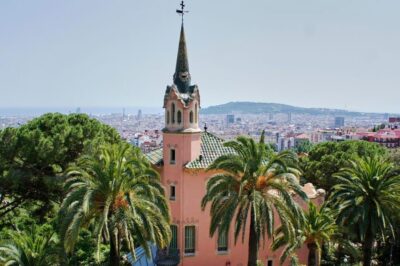 ★ 4.5Park Güell and Gaudí House Museum Entry TicketFrom $336,326 reviews
 ★ 4.5Picasso Museum Skip-the-Line Guided TourFrom $443,355 reviews
 ★ 4.6Moco Museum Barcelona: Modern & Contemporary ArtFrom $183,229 reviews
 ★ 5.0Girona & Dali Museum Small Group Tour with Pick-up from BarcelonaFrom $1202,965 reviews
 ★ 4.4Barcelona Card: 25+ Museums and Free Public TransportationFrom $692,265 reviews
 ★ 4.7From Barcelona: Girona, Figueres, Dalí Museum, and CadaquésFrom $701,928 reviews
 ★ 4.7From Barcelona: Girona&Dalí Museum Day Trip with Small GroupFrom $871,874 reviews
Browse the lists this tour appears in