
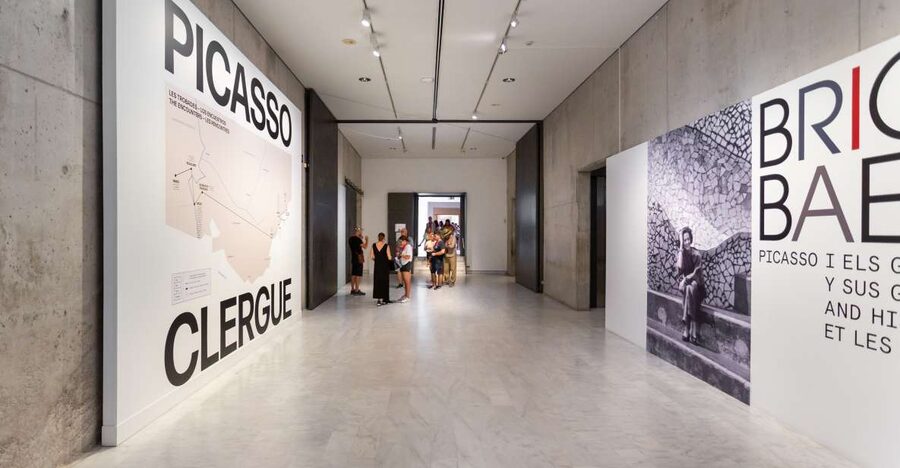
Reviewed · PICASSO MUSEUM TOURS
Barcelona: Picasso Museum Skip-the-Line Guided Tour
Skip the line, meet Picasso faster. This skip-the-line guided tour turns a crowded museum visit into a timed, story-led walk through Picasso’s evolving ideas.
I really like two things right away: the chronological storytelling that helps you track Picasso’s style changes without getting lost, and the audio headsets that keep explanations crisp even when the galleries get busy. For a museum that’s big on concept and big on experimentation, that combination makes the art click instead of just competing for your attention.
One thing to plan for: the meeting point is at Palau Dalmases, not at the Picasso Museum entrance. Build in time to find it and arrive about 15 minutes early, or you risk missing part of the walk.
In This Review
- Key things that make this tour work
- Skip-the-line starts at Palau Dalmases, not the museum door
- The best part: a chronological walk that makes Picasso’s phases make sense
- How a small-group format helps you actually follow the tour
- What you’ll see inside: early pieces and youth paintings (and what to look for)
- Timing and pacing: 90 minutes that feels focused, not rushed
- Value check: is $44 worth it for skip-the-line and guided context?
- Who should book this tour—and who might prefer a different plan
- After the tour: use your time wisely once the guide ends
- The guide experience you’ll feel in the room
- Should you book the Picasso Museum skip-the-line guided tour?
- FAQ
- Where is the meeting point for the tour?
- How early should I arrive?
- How long is the guided tour?
- What is included in the ticket price?
- Which languages are available?
- Is the museum entry included?
- Is the tour wheelchair accessible?
- Does the tour run rain or shine?
- Do I need identification for entry?
Key things that make this tour work
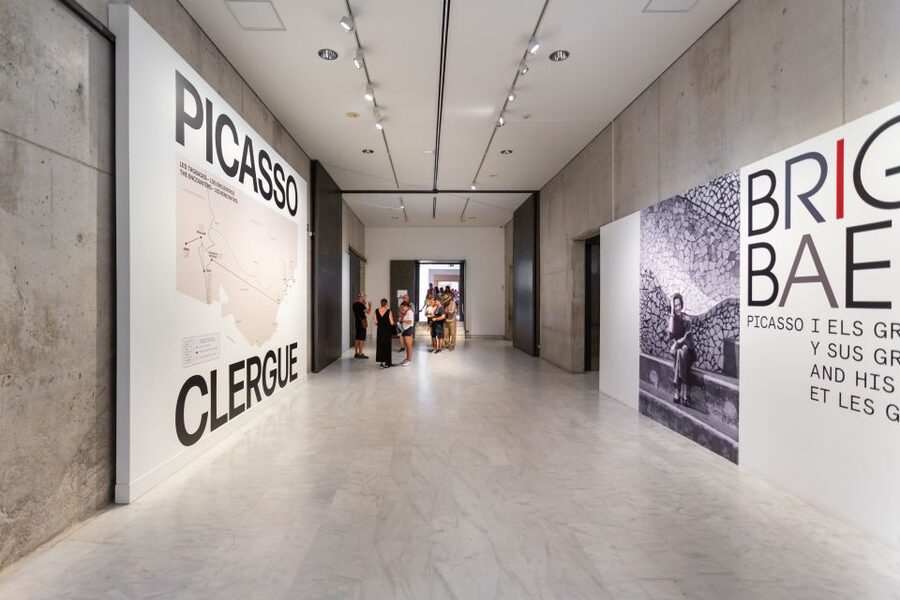
- Palau Dalmases start point: you meet away from the museum door, so you spend less time hunting around the entrance.
- Chronological flow: you move through early works and youth paintings in a way that explains how the phases connect.
- Headsets included: the guide stays clear without you leaning in or constantly turning your head.
- Small-group feel: more chances to ask questions and keep up with the pacing.
- Guides who tell the stories well: names like Olga E., Jorge, Jordi, and Rumina come up often for making Picasso feel human and understandable.
- You’re not stuck for the whole visit: after the tour, you can keep exploring under your own steam.
Skip-the-line starts at Palau Dalmases, not the museum door
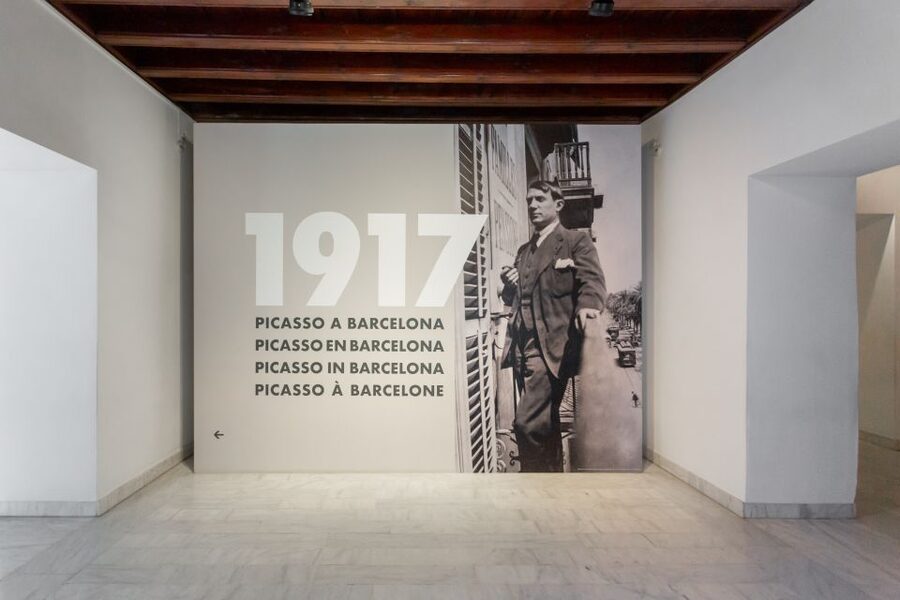
Barcelona has a talent for making even simple logistics feel like a scavenger hunt. This tour avoids that problem in one big way: it includes skip-the-line museum entry, so you’re not burning your prime vacation time standing around.
But the trade-off is that the meeting point is not the Picasso Museum entrance. You meet at Palau Dalmases, and you’re meant to look for a roll-up banner at the door. The upside is that you get organized right from the start; the downside is that it’s easy to show up too late or walk to the wrong building if you’re used to meeting directly at attractions.
My practical advice: treat the meeting like part of the tour. Arrive early, take a minute to confirm you’re at Palau Dalmases, then settle your group and get ready to head in. Also, wear shoes you’ll happily stand and walk in; the pace is guided and intentional, not a slow drift through rooms.
Other ways to see the Picasso collection


The best part: a chronological walk that makes Picasso’s phases make sense
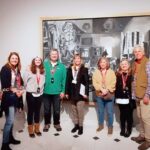
The Picasso Museum in Barcelona is special because it’s one of the rare places devoted to one artist as a complete world. Here, you’ll spend time with early pieces and youth paintings—exactly the material that can be harder to connect to if you only know Picasso from the most famous works elsewhere.
The guided structure matters. Instead of tossing you into highlights, the tour follows a chronological path through his life and work. That means you get clear explanations of different artistic phases—how they shift, what influences them, and why he kept changing his visual language rather than settling into one style.
Why that matters for you: Picasso can feel confusing if you treat the paintings as random. A chronological guide gives you cause-and-effect. You start to see the pattern: Picasso learning from what came before, reacting to experiences around him, then turning those influences into new ways of drawing, painting, and sculpting.
This is where the guide quality really shows. In multiple guides’ styles—like Olga E. and Jorge—you’ll hear stories that link the art to personal and cultural context. Jordi and Rumina are also known for keeping the pace lively, so even if you don’t consider yourself an art person, you still leave feeling like you now understand what you saw.
How a small-group format helps you actually follow the tour
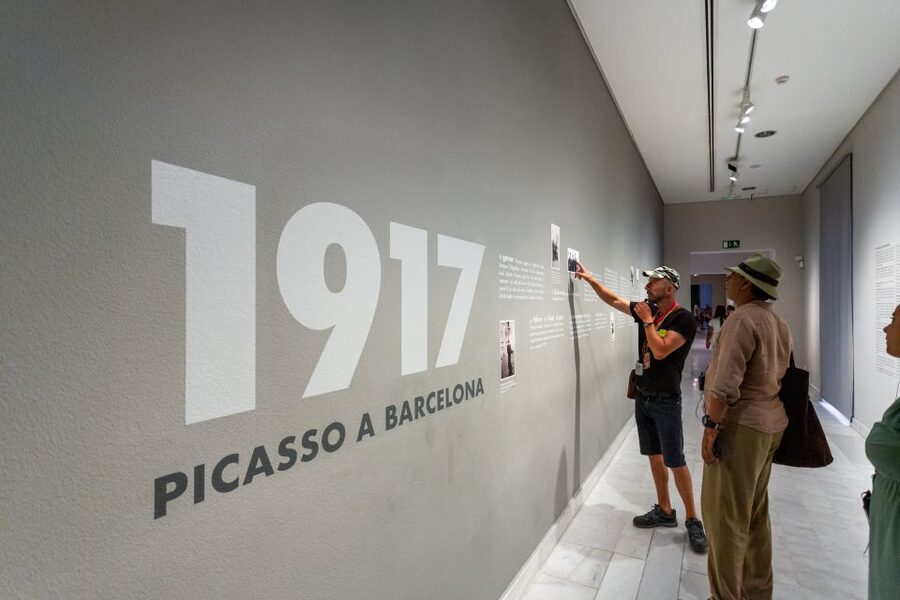
This is a 1.5-hour experience with a guide plus included museum entry. It’s not a lecture. It’s built for active attention: you move through the museum while the guide explains what you’re looking at and why it matters.
Small-group format changes the vibe. You’re not squeezed into a busier, more impersonal flow, and it’s easier to ask questions without feeling like you’re interrupting. The tone from guides like Daniela and Guadalupe tends to be friendly and interactive—more conversation than monologue—which makes it easier to keep up with explanations of style changes and artistic references.
The tour also includes audio headsets. That helps a lot in museums, where echo and distance can make normal conversation disappear. One note from real-world experience people have shared: some headsets can feel uncomfortable. If you’re sensitive or you like a specific sound quality, bring your own plug-in headphones just in case. It’s a small thing that can improve the comfort of the entire 90 minutes.
What you’ll see inside: early pieces and youth paintings (and what to look for)
The museum focuses heavily on Picasso’s early work and youth painting period. That’s not just “stuff before the famous stuff.” It’s the groundwork. You’ll get help noticing how his early training and experimentation show up in the later, more recognizable transformations.
A good tour here encourages you to look beyond surface-level style. Instead of asking, what does this look like?, you start asking: what is he trying to solve? what is he practicing? what kind of influence is showing up?
That’s especially helpful because the galleries aren’t always overloaded with text that teaches you what to think. Some visitors find that the written labels don’t explain much beyond basic material or production details. A guide can bridge that gap—connecting the paintings’ choices to Picasso’s background, relationships, and artistic direction.
If you’re coming in with zero Picasso vocabulary, don’t worry. The guide’s job is translation. Guides such as Olga E. are especially noted for turning the evolution of early works into something you can follow without needing an art history degree.
Also, keep an eye out for the shift from “learning” to “inventing.” Early works can look like Picasso is absorbing techniques. As the tour moves through phases, you’ll start noticing how he increasingly rearranges how art can represent the world—how form, line, and perspective become tools he’s willing to break and rebuild.
Timing and pacing: 90 minutes that feels focused, not rushed
One and a half hours is a smart length for this museum. Too short, and you miss the narrative. Too long, and you tire out before the art makes sense.
Here, the timing works because the tour is designed as a guided story. You’re not trying to read every wall text yourself while also listening to a guide and moving through crowds. You get the “what you’re seeing and why” in sequence, then the museum itself becomes the confirmation.
Some people do wish it lasted longer, which tells you something useful: the tour is built around key moments and themes rather than every corner of the collection. If you love Picasso and want more time, this is still a good starting point, because the ticket lets you keep exploring after the guide finishes.
More days walked with a local guide
- Barcelona: Sagrada Familia Entry Ticket with Audio Guide★ 4.6 · 105,312 reviews
- Barcelona: Park Guell Guided Tour with Skip The Line Entry★ 4.7 · 17,563 reviews
- Fast Track Sagrada Familia Guided Tour★ 4.5 · 8,795 reviews
Value check: is $44 worth it for skip-the-line and guided context?
At $44 per person, you’re paying for two things: skip-the-line access and the live guide experience (plus headsets). The math tends to work out well in Barcelona because waiting lines can eat up a big chunk of your day, especially for popular museums.
But the real value isn’t only “no waiting.” It’s the difference between reading and understanding. Picasso’s work rewards attention to context and change over time. With a guide who connects life events and artistic phases, you’re buying back time you’d otherwise spend trying to piece everything together on your own.
Small-group format adds extra value too. Even without knowing exact headcounts, this kind of setup usually means less time stuck behind other people and more time absorbing explanations in the exact spots where they matter.
If you’re the type who loves art but hates confusion, guided storytelling is often worth the extra cost. If you’re a total DIY museum wanderer and you read labels slowly, you might decide to save money by going without a guide. For most people, though, the combination of skip-the-line entry plus phase-by-phase explanation makes this feel like a good deal rather than an overpriced convenience.
Who should book this tour—and who might prefer a different plan
This tour is a strong match if:
- You want to understand Picasso without getting overwhelmed.
- You’d rather follow a narrative than wander and hope the museum “clicks.”
- You appreciate a guide who tells stories and keeps the group moving at a good pace.
- You want early Picasso (youth works) rather than only the best-known masterpieces you might already recognize from elsewhere.
You might consider a different approach if:
- You prefer silent museums and don’t want any group pacing.
- You already know Picasso’s phases well and can easily read the labels yourself for the connections.
A smart strategy: if you’re unsure, do this guided timing first, then use your remaining museum time to linger on what you personally connected with.
After the tour: use your time wisely once the guide ends
You’re not locked into the guided portion forever. Once the tour finishes, you can keep walking around the museum. That’s where you should go with instinct: spend extra time on the rooms or pieces that made you pause during the tour.
Here’s the trick: don’t try to “see everything.” Try to see enough that you recognize the themes you were just taught. If you leave the tour understanding what changed across Picasso’s phases, then your independent time becomes meaningful—more like checking your new mental map than starting from zero again.
The guide experience you’ll feel in the room
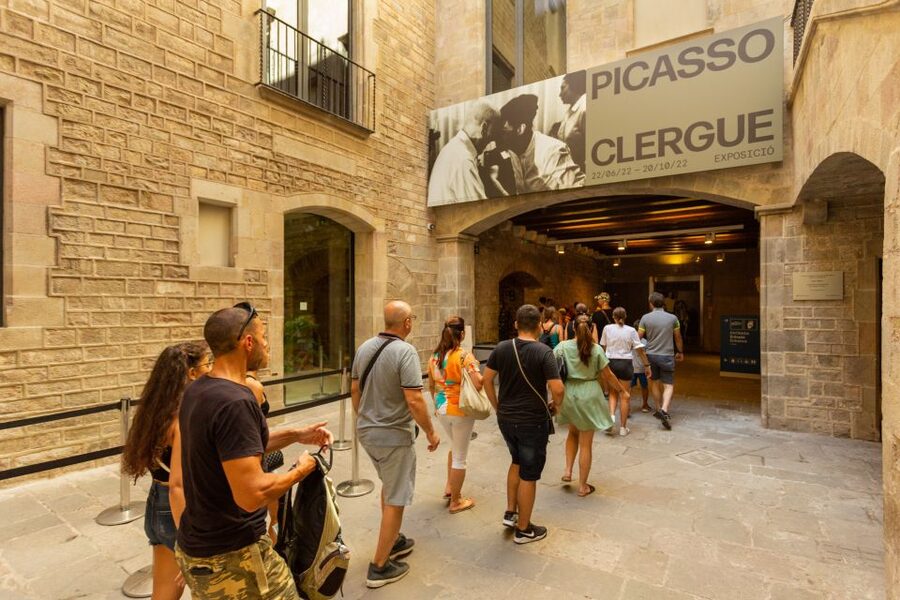
While guides can vary day to day, the overall pattern shared by people who went is consistent: the best visits come from guides who explain Picasso with energy and patience.
Names that show up often—Olga E., Jorge, Rumina, Guadalupe, Daniela, Jordi, and others—are repeatedly associated with clear storytelling and a pace that keeps the group comfortable. That’s important because Picasso can be both famous and slippery. A guide who can connect the “why” behind the art is what turns a museum visit into a real understanding.
If you’re sensitive to audio comfort, consider bringing your own headphones. If you’re comfortable listening through provided headsets, you can treat it like a set-and-forget feature and focus on the art.
Should you book the Picasso Museum skip-the-line guided tour?
Yes, if you want to make the museum more than a quick look. This is one of those experiences where paying for the guide isn’t about luxury—it’s about turning Picasso’s changing styles into a story you can actually follow.
Book it if you value:
- Skip-the-line entry to protect your time in Barcelona
- A chronological approach that explains artistic phases
- Headsets and a guided pace that help you keep up
- The option to continue exploring after the tour
If you hate group tours, you may prefer a self-guided visit. But if you’re aiming for understanding—especially for early and youth works—this guided plan is a strong, practical choice.
FAQ
Where is the meeting point for the tour?
You meet your guide at Palau Dalmases, and the meeting point is not at the Picasso Museum entrance. Look for the roll-up banner at the door.
How early should I arrive?
Please arrive at the meeting point 15 minutes before the tour starts. Late arrivals may miss the tour, and rescheduling depends on availability.
How long is the guided tour?
The duration is 1.5 hours.
What is included in the ticket price?
The tour includes skip-the-line tickets to the Picasso Museum, a live guide, and headsets so you can hear the guide clearly.
Which languages are available?
The tour is offered in multiple languages, including English, French, Italian, Spanish, and German. Some listings also mention Japanese.
Is the museum entry included?
Yes. Your ticket to the Picasso Museum is included, and you skip the ticket line with your guide.
Is the tour wheelchair accessible?
Yes, the tour and the museum are described as wheelchair accessible. If you need assistance, you should inform the provider in advance.
Does the tour run rain or shine?
Yes, the tour operates rain or shine. Bring an umbrella or raincoat if the weather looks iffy.
Do I need identification for entry?
Yes, you should bring a valid ID or passport for entry.
More Ways to Tour Barcelona
- Barcelona: Casa Batlló Entry with Self-Audioguide Tour
★ 4.7 · 25,359 reviews - Barcelona: 24 or 48-Hour Hop-On Hop-Off Bus Tour
★ 4.4 · 20,872 reviews - Barcelona: Park Guell Guided Tour with Skip The Line Entry
★ 4.7 · 17,563 reviews - Barcelona: Sagrada Familia Skip-the-Line Entry Ticket & Tour
★ 4.8 · 12,789 reviews - Barcelona: FC Barcelona Museum “Barça Immersive Tour” Ticket
★ 4.4 · 10,944 reviews
More Barcelona Tours on Our Radar
- Barcelona: Sagrada Familia Entry Ticket with Audio Guide
★ 4.6 · 105,312 reviews - Barcelona: Park Güell Admission Ticket
★ 4.4 · 76,534 reviews - Barcelona: Casa Batlló Entry with Self-Audioguide Tour
★ 4.7 · 25,359 reviews - Barcelona: Montjuïc Cable Car Roundtrip Ticket
★ 4.5 · 22,368 reviews - Barcelona: Hola Barcelona Public Transport Travel Card
★ 4.5 · 20,985 reviews
More of the Picasso Museum
- Picasso Museum Skip-the-Line Guided Tour
★ 4.5 · 1,079 reviews - Barcelona: Small Group Picasso Tour with Picasso Museum
★ 4.6 · 698 reviews - Picasso Museum and Walking Tour Plus Optional Wine & Food Tasting
★ 5.0 · 596 reviews - Picasso Small Group Walking Tour with Museum Skip the Line Ticket
★ 4.0 · 548 reviews - Barcelona: Picasso Museum Entry, Digital Guide & Born Walk
★ 3.6 · 148 reviews
Just Rated Around Barcelona





Picasso Museum Tours, compared.
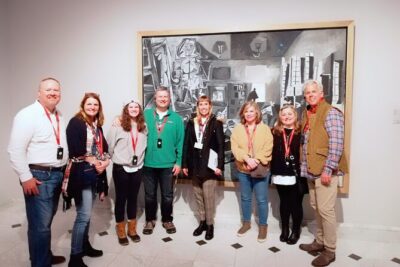 ★ 4.5Picasso Museum Skip-the-Line Guided TourFrom $441,079 reviews
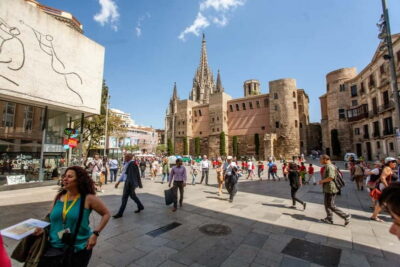 ★ 4.6Small Group Picasso Tour with Picasso MuseumFrom $47698 reviews
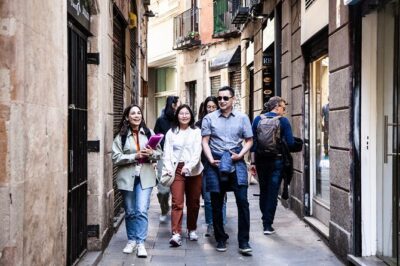 ★ 5.0Picasso Museum and Walking Tour Plus Optional Wine & Food TastingFrom $48596 reviews
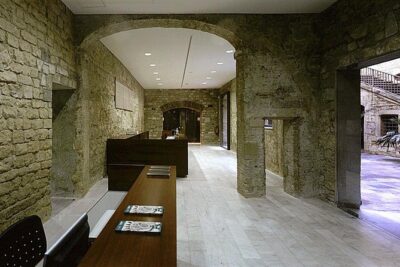 ★ 4.0Picasso Small Group Walking Tour with Museum Skip the Line TicketFrom $48548 reviews
 ★ 3.6Picasso Museum Entry, Digital Guide & Born WalkFrom $39148 reviews
 ★ 4.6Skip-the-Line Guided Tour of the Picasso MuseumFrom $42127 reviews
 ★ 3.9Picasso Museum Guided TourFrom $42124 reviews
 ★ 4.3Picasso Museum and Walking Tour Plus Wine Tasting UpgradeFrom $47111 reviews
Browse the lists this tour appears in