
Reviewed · PAELLA COOKING CLASSES
Barcelona Rooftop Paella Cooking Class with Sangria & Local Host
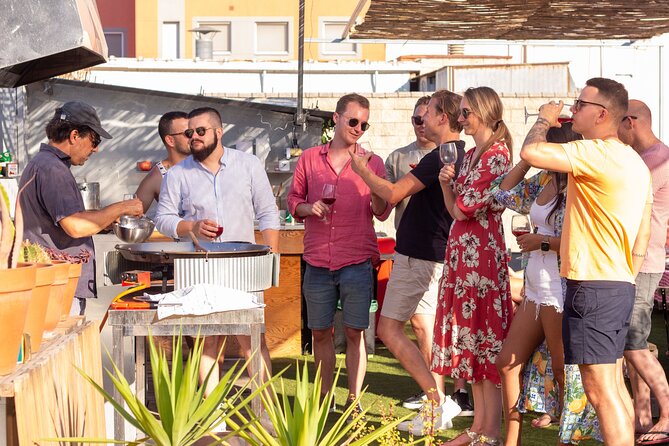
Cooking paella on a rooftop feels special fast.
This hands-on class in Barcelona has you make paella from scratch with a local host, including the step-by-step cooking work (not a show). I like that you also start with sangria or vermouth prep, then end with a relaxed sit-down lunch made by your own hands. You’re in English, in a private setting with only your group, so questions come easily.
One thing to consider: the experience is advertised as rooftop, but the setup can shift if conditions aren’t right. So go in with the mindset of great food plus a rooftop vibe when possible, not a guarantee of open-air views at all times.
In This Review
- Key highlights at a glance
- Barcelona Rooftop Paella Cooking Class: why it’s more than a meal
- Where you meet (and how to find your bearings quickly)
- The class format: private group energy with lots of Q&A
- Step 1: sangria or vermouth, made together
- Step 2: learn the origins and the key ingredients as you prep
- Step 3: making seafood paella from scratch (the real core)
- While the paella cooks: rooftop time and relaxed conversation
- Step 4: the lunch spread you helped create
- Can you do vegetarian paella or allergies? Yes, with a heads-up
- The rooftop part: what to expect if conditions change
- Price and value: is $90.11 fair for two hours?
- Who this paella class is best for
- Should you book it?
- FAQ
- How long is the Barcelona paella cooking class?
- Is the class hands-on or just a demonstration?
- What food and drink are included?
- Is this class private?
- Can the menu be adapted for vegetarian or allergies?
- What language is the class offered in?
- Does it happen on a rooftop, and what if the weather is bad?
- Can I cancel for a full refund?
Key highlights at a glance
- Hands-on paella instruction with time for questions (you actually cook)
- Sangria or vermouth to start, made together as a social warm-up
- Seafood paella from scratch, including sofrito, broth, and rice
- Starter classics like tomato salad and pan con tomate (Catalan-style)
- Menu can be adapted for vegetarian options and different allergies
- Small, intimate feel with a local host (Benjamin Mordoh)
Barcelona Rooftop Paella Cooking Class: why it’s more than a meal
A lot of food tours feed you. This one teaches you. That difference matters, because paella isn’t hard the way baking a cake is hard. It’s hard in the sense that you need the right rhythm: timing, heat, and knowing what each step is supposed to do.
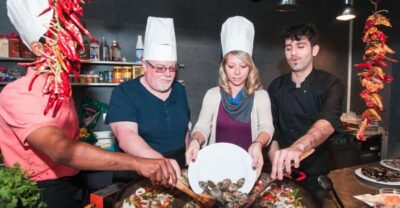
I love that the class is built around participation. You help with the prep and the cooking, and the host keeps it conversational while you work. It’s also a nice change of pace from Barcelona’s busiest streets. You’re in a more residential setting, with a homey vibe that makes the whole thing feel casual rather than staged.
The other big win is the drink + lunch flow. You don’t just taste sangria after the cooking is over. You make it first, then you cook, then you sit down and eat the exact paella you helped build.
Other kitchens where you'll cook the paella

Where you meet (and how to find your bearings quickly)
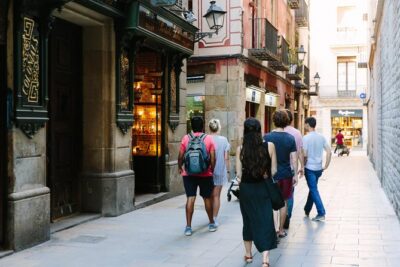
You start at Passatge de Coll, 19, Sant Martí, 08019 Barcelona, Spain, and the activity ends back there. It’s near public transportation, so you can keep it simple with transit rather than hunting for parking.
Timing-wise, the class runs about 2 hours. That’s long enough to actually learn the process, but short enough that you’re not stuck all day waiting for something to happen.
Practical tip: since this is in a residential area, it helps to arrive 5–10 minutes early so you’re not rushing when you’re already hungry.
The class format: private group energy with lots of Q&A
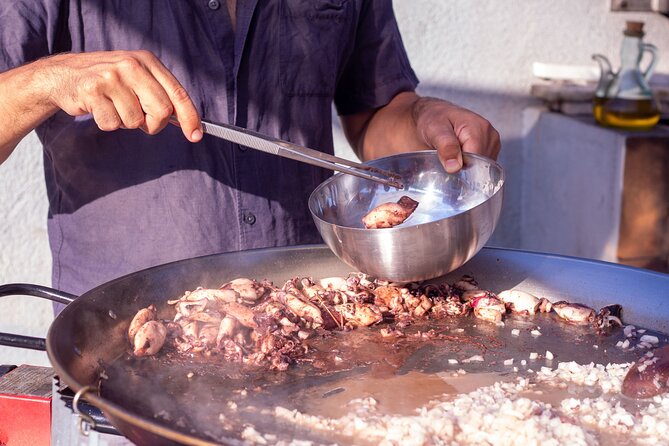
This is listed as a private tour/activity, meaning only your group participates. In practice, that usually means the host can adjust the pace and focus. One review mentions a very small group size, which tracks with what you want from a real cooking lesson: less time watching, more time doing.
You’ll be cooking in English, and you’ll get a chance to ask questions while things are in progress. That matters for paella, because if you wait until the end to ask how something should look (the rice texture, how the sofrito smells, how the broth behaves), you lose the chance to learn the cues.
Step 1: sangria or vermouth, made together
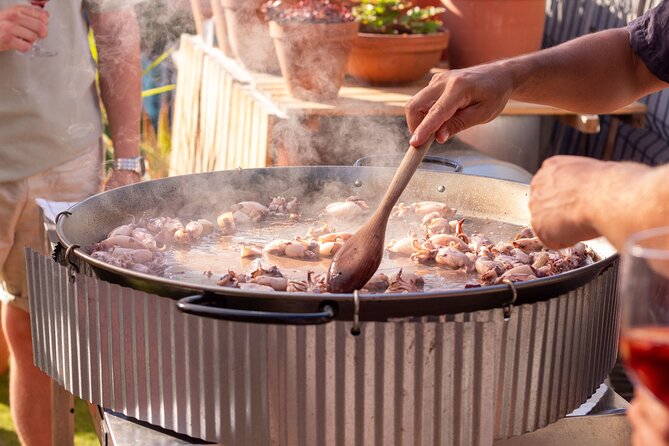
Most paella classes start with the pan. This one starts with the drink. First you prepare homemade sangria or vermouth together to set a relaxed, social tone.
Why this works: it turns the class into a shared event. You’re not standing around until the host starts cooking. You’re already part of the action before the rice hits the heat.
Also, it’s a quick lesson in the local approach to food and drink. In Catalonia and along the Spanish coast, people often treat these moments as a lead-in to the meal, not an add-on. You get that rhythm here.
Step 2: learn the origins and the key ingredients as you prep
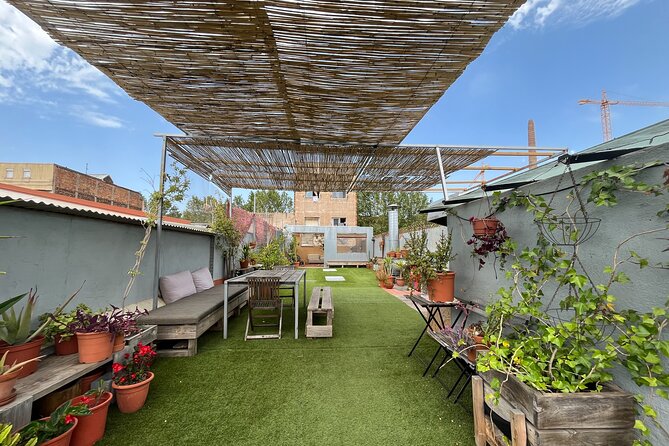
Before the cooking gets fully underway, the host introduces the origins of paella, the regional traditions, and the key ingredients. You’re not memorizing facts for a quiz. The goal is that the cooking makes more sense while you’re doing it.
One of the smartest parts of this setup is that the teaching connects to what you’re about to handle:
- what goes into the base flavor (the sofrito)
- how broth changes the way the rice cooks
- how the seafood fits into the timeline
And yes, you’ll get hands-on instruction rather than passive watching. The class is built so you can participate in each step.
More Barcelona kitchens to roll your sleeves up in
- Barcelona: Paella Cooking Experience & Boqueria Market Tour★ 4.8 · 3,661 reviews
- Barcelona Paella Cooking Class with Market Visit, Tapas & Sangria★ 5.0 · 2,531 reviews
- Barcelona Interactive Spanish Cooking Experience★ 4.5 · 2,155 reviews
Step 3: making seafood paella from scratch (the real core)
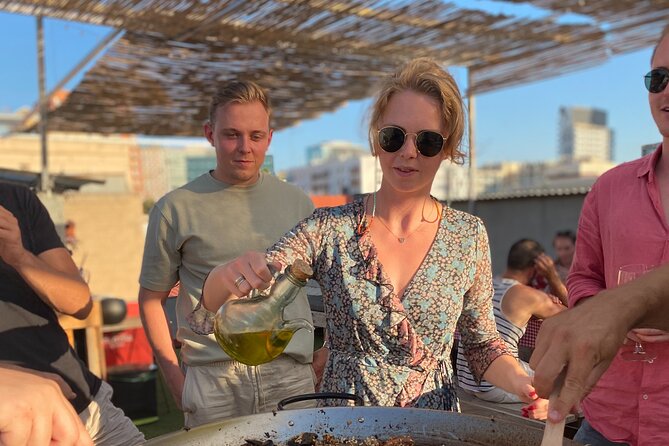
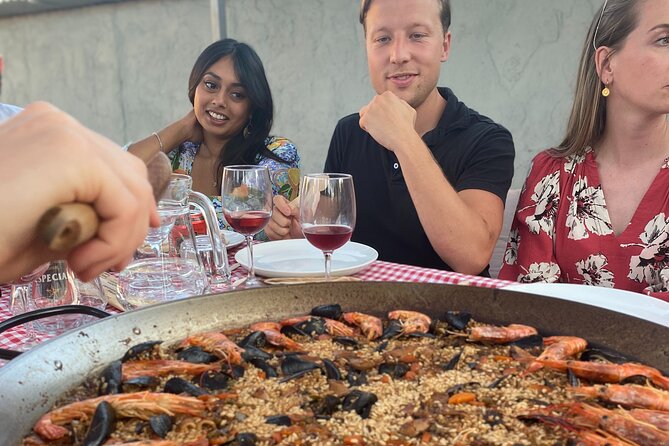
The main event is a traditional seafood paella made from scratch. The sample menu calls it a recipe from the fishermen back in Costa Brava, with prawns, cuttlefish or squid, and mussels.
In the cooking steps, you’ll work on:
- sofrito (the flavor foundation)
- broth (what cooks into the rice)
- rice (the part that needs patience and timing)
Here’s the practical value: when you make paella at home, you don’t just need ingredients. You need sequence. You need to know when you’re building flavors, when you’re adding liquid, and when the pan shifts from cooking to simmering to finishing.
One helpful detail from the class style: the host shares dos and don’ts for making paella the right way. That’s exactly the kind of advice that prevents the common home-kitchen mistakes—like getting the heat wrong or rushing a step that needs time.
While the paella cooks: rooftop time and relaxed conversation
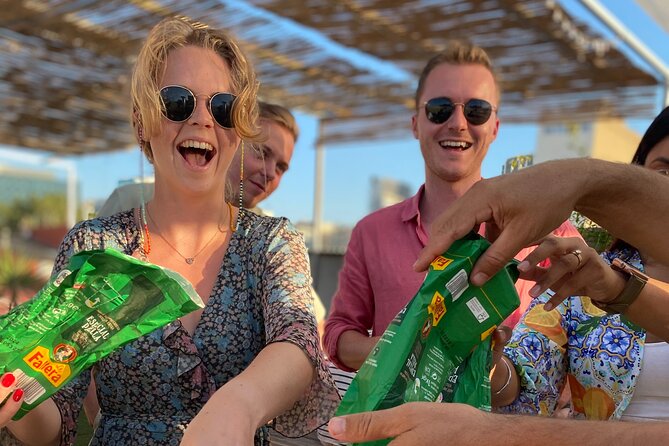
Once the paella is going, you don’t just stand there waiting. You enjoy your drink and chat. This is where the setting really matters.
It’s described as a rooftop cooking experience in Barcelona, and the setup is meant to feel comfortable and homey rather than formal. You’ll also take in the views when conditions allow.
Two useful notes for real life:
- Bring your patience for the cooking stage. Paella is not instant.
- If it’s sunny, you’ll be glad you came with something for shade or heat (even just a hat).
Step 4: the lunch spread you helped create
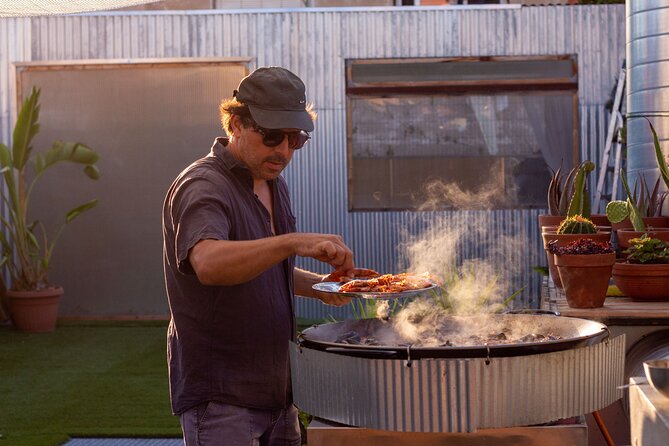
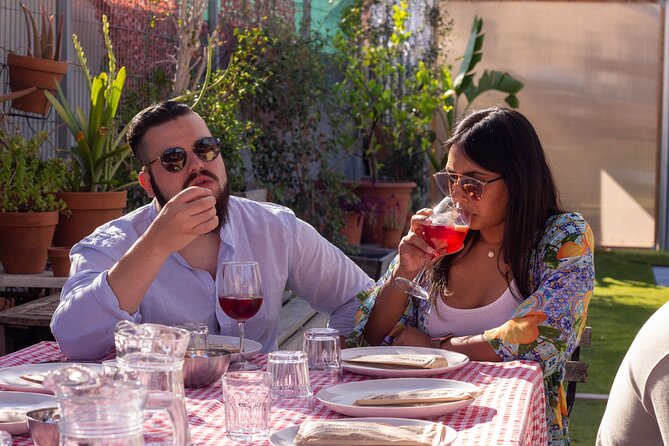
After the paella finishes, you sit down together and eat what you made. The class includes bread, olives, and fresh fruit alongside the meal.
The starter lineup is simple but classic:
- Tomato salad seasoned with extra virgin olive oil
- Pan con tomate: toasted bread rubbed with fresh tomato, olive oil, and salt (a Catalan classic)
I like that the food stays close to what locals actually eat. It avoids the “fancy show plates” problem where you leave hungry or unimpressed because the meal doesn’t feel tied to the culture.
And the seafood paella? Expect prawns, cuttlefish or squid, and mussels, cooked into a dish that’s meant to taste like it came from the coast—not like a generic restaurant interpretation.
Some people also report getting a small complimentary dessert, but that isn’t something I’d treat as guaranteed. Plan your meal appetite on the paella + starter + sides that are clearly included.
Can you do vegetarian paella or allergies? Yes, with a heads-up
The experience says you can adapt the menu for vegetarians and for different types of allergies. That’s a big deal, because paella’s identity is tied to ingredients—and for people with dietary needs, you want changes that actually make sense, not just a swap of one ingredient and a shrug.
If you’re vegetarian, ask early how they’ll handle the swap while still keeping the flavor base and texture right. If you have allergies, share details so the host can manage ingredients safely.
This is one of the most practical values here: you can still learn the process of paella, while the dish works for your needs.
The rooftop part: what to expect if conditions change
The class is advertised as a Barcelona rooftop paella experience, and it often seems to deliver that intimate patio feel people love. That said, one report notes the location was moved and the class didn’t take place on a rooftop on that particular occasion.
So treat the rooftop as a real expectation, not a guarantee. Weather matters here—this experience requires good weather. If conditions are poor, it can be rescheduled or refunded.
My advice: plan to enjoy the lesson first. If you also get rooftop views, that’s the bonus layer.
Price and value: is $90.11 fair for two hours?
At $90.11 per person for about 2 hours, you’re paying for four things that add up fast:
- instruction you can use at home (not just tasting)
- hands-on cooking time
- included lunch (paella + starters + sides)
- included drinks (sangria or vermouth)
If you’ve paid for cooking classes before, you know the most expensive part is the teacher’s time and the fact that you’re not cooking alone. Here, you also get the cultural components: tomato salad, pan con tomate, and a paella recipe tied to a Spanish coastal tradition.
Could you eat paella in Barcelona for less? Sure. But you won’t come home knowing how to build the sofrito and broth, and you won’t have that relaxed social setup where you can ask questions while you work.
If your goal is a memorable meal, this is good value. If your goal is learning how to make paella properly, it’s stronger value than most food experiences.
Also, it’s often booked about 36 days in advance on average. If your dates are tight, don’t wait for the last week.
Who this paella class is best for
This works especially well if you:
- want something hands-on rather than a passive walking tour
- enjoy food history when it’s tied to actual cooking steps
- like eating what you make (with no awkward ordering at the end)
- travel with a partner, family, or a small team and want an activity that bonds quickly
It’s also a good fit if you want a calmer side of Barcelona. The Sant Martí area vibe can feel more local and less tourist-focused than the central hotspots.
Should you book it?
If you want a paella lesson that feels like a friendly local get-together—with hands-on cooking, real Catalan starters like pan con tomate, and a sit-down lunch—you should book this class.
If you’re only looking for scenic rooftop photos and minimal effort, you might feel like you’d rather eat paella elsewhere. But if you care about learning how paella actually comes together, this is the kind of experience that makes Barcelona taste different for weeks afterward.
FAQ
How long is the Barcelona paella cooking class?
It’s listed as approximately 2 hours.
Is the class hands-on or just a demonstration?
It’s hands-on. You help with steps like preparing the sofrito, broth, and rice.
What food and drink are included?
You start with homemade sangria or vermouth, then you eat a sit-down lunch. The menu includes tomato salad, pan con tomate, seafood paella, plus bread, olives, and fresh fruit.
Is this class private?
Yes. It’s listed as a private tour/activity, with only your group participating.
Can the menu be adapted for vegetarian or allergies?
Yes. The menu can be adapted for vegetarian options and different types of allergies.
What language is the class offered in?
The class is offered in English.
Does it happen on a rooftop, and what if the weather is bad?
It’s described as a Barcelona rooftop experience and it requires good weather. If it’s canceled due to poor weather, you’ll be offered a different date or a full refund.
Can I cancel for a full refund?
Yes. You can cancel up to 24 hours in advance for a full refund.
Apron On in Barcelona
- Barcelona: Paella Cooking Experience & Boqueria Market Tour
★ 4.8 · 3,661 reviews - Barcelona Paella Cooking Class with Market Visit, Tapas & Sangria
★ 5.0 · 2,531 reviews - Barcelona Interactive Spanish Cooking Experience
★ 4.5 · 2,155 reviews - Barcelona: Paella Cooking Class with Market Visit and More
★ 4.9 · 711 reviews - Paella Cooking Class with Professional Chef: Four Course Dinner
★ 5.0 · 561 reviews
More Barcelona Tours on Our Radar
- Barcelona: Sagrada Familia Entry Ticket with Audio Guide
★ 4.6 · 105,312 reviews - Barcelona: Park Güell Admission Ticket
★ 4.4 · 76,534 reviews - Barcelona: Casa Batlló Entry with Self-Audioguide Tour
★ 4.7 · 25,359 reviews - Barcelona: Montjuïc Cable Car Roundtrip Ticket
★ 4.5 · 22,368 reviews - Barcelona: Hola Barcelona Public Transport Travel Card
★ 4.5 · 20,985 reviews
Back in the Paella Kitchen
- Barcelona: Paella Cooking Experience & Boqueria Market Tour
★ 4.8 · 3,661 reviews - Barcelona Paella Cooking Class with Market Visit, Tapas & Sangria
★ 5.0 · 2,531 reviews - Barcelona Food Tour: Tapas, Paella, Sangria & 8+ Local Tastings
★ 5.0 · 1,275 reviews - Girona & Costa Brava Small Group Tour From Barcelona with Paella!
★ 4.5 · 1,098 reviews - Paella Experience and Bottomless Wine in Barcelona
★ 5.0 · 1,037 reviews
Just Rated Around Barcelona




Paella Cooking Classes, compared.
 ★ 4.8Paella Cooking Experience & Boqueria Market TourFrom $853,661 reviews
 ★ 5.0Barcelona Paella Cooking Class with Market Visit, Tapas & SangriaFrom $1142,531 reviews
 ★ 5.0Barcelona Food Tour: Tapas, Paella, Sangria & 8+ Local TastingsFrom $1171,275 reviews
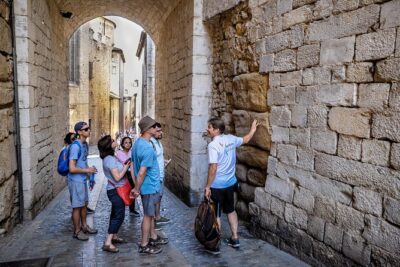 ★ 4.5Girona & Costa Brava Small Group Tour From Barcelona with Paella!From $1391,098 reviews
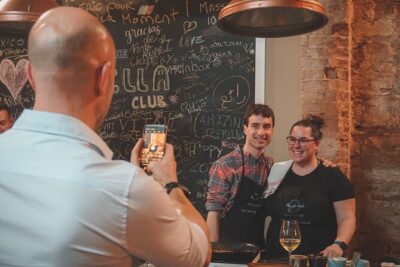 ★ 5.0Paella Experience and Bottomless Wine in BarcelonaFrom $2411,037 reviews
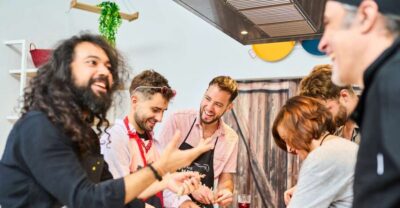 ★ 4.9Paella Cooking Class with Market Visit and MoreFrom $95711 reviews
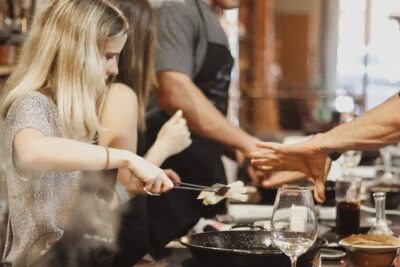 ★ 5.0Paella Cooking Class with Professional Chef: Four Course DinnerFrom $211561 reviews
 ★ 5.0Tossa de Mar: Kayak & Snorkel Tour with Paella from BarcelonaFrom $156421 reviews
Browse the lists this tour appears in