
Reviewed · SAGRADA FAMILIA TOURS
Barcelona: Sagrada Familia, Modernism, and Old Town Tour
Gaudí starts the story, then the Gothic takes over. This tour pairs Sagrada Família with Modernism icons on Passeig de Gràcia, guided by an artist/actor style storyteller in a small group.
I like the fast, practical setup: you get a true city overview with 15+ sights in about 3 to 3.5 hours, plus photo stops that make the walk feel efficient instead of rushed.
One consideration: most stops are outside views only, and there are no entry tickets included—Sagrada Família is explained from the exterior. That’s still great for orientation, but plan your monument time accordingly if you want to go inside.
In This Review
- Key Things to Know Before You Go
- Getting Your Barcelona Bearings from KFC Sagrada Família
- Sagrada Família Exterior Tour: Why the Facade Matters
- Metro Hop: The Smart Shortcut Between Big Styles
- Passeig de Gràcia Modernism: Casa Milà, Casa Batlló, Casa Amatller, Casa Lleo Morera
- Plaça de Catalunya and Plaça de Sant Felip Neri: Where the City Breathes
- Barcelona Cathedral and the Gothic Starting Point
- Roman Layers and Medieval Corners: Ardiaca, the General Archive, and Temple of Augustus
- El Mural del Peto and the Walk to Plaça del Rei
- What’s Included (and What You’ll Need to Pay For On Your Own)
- Price and Value: Why $52 Makes Sense for a 3–3.5 Hour Overview
- Who This Tour Suits Best
- Small Practical Tips So You Get the Most
- Should You Book This Barcelona Tour?
- FAQ
- Where do I meet the guide?
- How long is the tour?
- How much does it cost?
- What’s included in the price?
- Is entry to Sagrada Família included?
- Is the tour wheelchair accessible?
- What should I bring, and is luggage allowed?
Key Things to Know Before You Go
- KFC Sagrada Família meeting point with blue umbrellas makes finding the group easy
- Passeig de Gràcia Modernism lineup: Casa Milà, Casa Batlló, Casa Amatller, and Casa Lleo Morera
- Gothic Quarter “time jumps” through Barcelona Cathedral and Roman-era remnants
- A metro hop is built in (Zone 1 ticket included) so you’re not just walking end to end
- Acting-artist guides (names like David, Albert, Caio, Nacho, Carlos show up often) keep the stories lively and interactive
- Comfort break included, with a nice venue and restrooms
Getting Your Barcelona Bearings from KFC Sagrada Família

You start right where the action begins: meet your guide in front of KFC at Sagrada Família, and look for the blue umbrellas. It’s a smart choice if you’re arriving from elsewhere, because this area is busy and easy to orient to.
The group stays small (up to 10), which matters on a route this packed. With a small crew, the guide can handle questions without turning the whole walk into a stop-start lecture. And yes, the vibe leans theatrical—multiple guides in the pool (including David, Albert, Caio, Carlos, Nacho, and Emma) get praised for mixing humor with clear explanations.
This is also a “move with purpose” style tour. Expect short stops, photo moments, and frequent short turns. Comfortable shoes are non-negotiable, and you’ll want to keep your camera ready for quick exterior views.
Still choosing your Sagrada Família slot? Compare these

Sagrada Família Exterior Tour: Why the Facade Matters
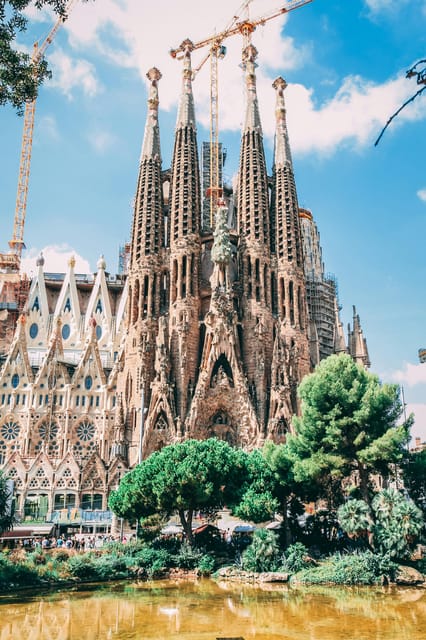
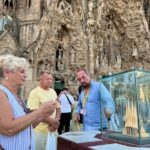
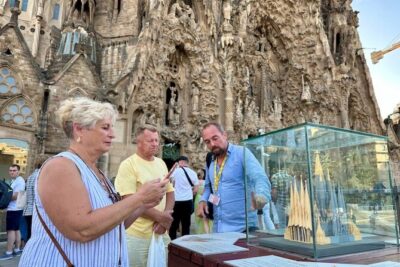
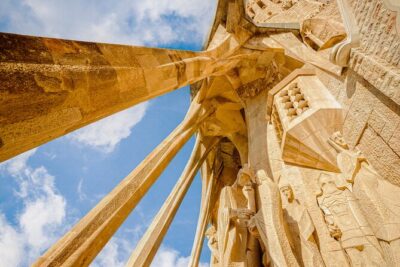
Your first big moment is the Sagrada Família stop. You’ll get a photo stop plus a guided explanation—focused on what you’re seeing from the outside. The tour does not include an inside visit, so the payoff here is context: how to read the building like a story.
If you’re new to Barcelona, this is a strong first anchor. Sagrada Família isn’t just an artwork; it’s a lesson in how Catalonia thinks about identity, faith, and time. The guide’s job is to point out details you’d normally miss when you’re just trying to get a good picture.
Time-wise, you’re there about 45 minutes. That’s enough to enjoy the scale and understand the main themes, without eating your whole day. If you’ve already booked Sagrada Família entry somewhere else, this tour still works well because it helps you know what to look for once you go inside later.
Metro Hop: The Smart Shortcut Between Big Styles
After Sagrada Família, you take a short metro/metro-style transit segment (about 15 minutes), and a Zone 1 metro ticket is included as part of the tour. This is a practical feature, not a gimmick.
Without that hop, the walk would be heavier and slower, especially because the tour later switches from Modernism to the Gothic Quarter. The transit keeps your 3–3.5 hours from turning into a long slog of sidewalks.
It also means the guide can keep the pacing tight: you’re moving between eras—Modernism first, then centuries-old stone and Roman fragments—rather than spending extra time just getting there.
Passeig de Gràcia Modernism: Casa Milà, Casa Batlló, Casa Amatller, Casa Lleo Morera
Now comes the fun architecture block on Passeig de Gràcia. This stretch is why Gaudí-related trips often feel like a feast: you can learn a style by comparing four different facades nearly back to back.
You’ll start with Casa Milà (La Pedrera). It’s a quick stop—about 15 minutes including photo and guided explanation—so the guide focuses on what matters: why the building looks the way it does and what the details are saying.
Then you move to Casa Batlló. Another short stop (again, about 15 minutes), but the point is to connect the dots. Batlló is iconic, and the exterior is already enough to feel why it’s famous. The guide helps you understand the symbolism so it doesn’t turn into just a photo you’ll forget tomorrow.
Next are the neighboring Modernist houses:
- Casa Amatller (about 15 minutes)
- Casa Lleo Morera (about 15 minutes)
Here’s what I like about including these less-forgettable-than-the-big-one houses: they show that Modernism in Barcelona wasn’t one person’s style—it was a whole neighborhood conversation. Even if you don’t memorize every architectural term, you’ll start noticing patterns in balconies, materials, and ornament.
Between these stops, you’re also getting a sense of scale—how Barcelona can shift from dreamlike ornament to “city living” within a few streets.
Plaça de Catalunya and Plaça de Sant Felip Neri: Where the City Breathes
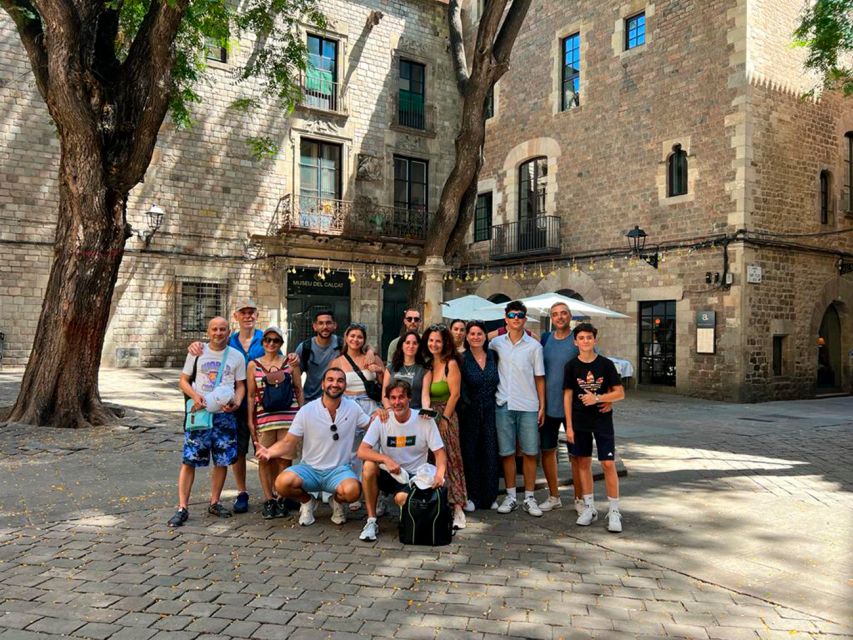
After the Modernism stretch, you land at Plaça de Catalunya for a brief photo stop and short guided time (about 10 minutes). This square is a major junction, so it also works as a mental reset. It’s where the city feels like it’s coordinating multiple directions at once.
Then you head toward Plaça de Sant Felip Neri (about 10 minutes), usually with scenic views on the way. This stop matters because it shifts your attention from artwork-on-streets to older urban fabric—narrower feeling streets, medieval shapes, and the sense that the Gothic Quarter is waiting behind the next corner.
This is also where the tour begins to feel less like “look at buildings” and more like “understand how Barcelona developed.” The guide’s story-telling style helps here—especially with guides like Nacho or Caio, who get mentioned for keeping the conversation lively and easy to follow.
Follow the Gaudí trail a little further
- Barcelona: Park Güell and Gaudí House Museum Entry Ticket★ 4.5 · 6,326 reviews
- Barcelona: Gaudí’s Park Güell Tour with Fast-Track Ticket★ 4.8 · 4,512 reviews
- Barcelona: Sant Pau Recinte Modernista Entry Ticket★ 4.6 · 2,567 reviews
Barcelona Cathedral and the Gothic Starting Point
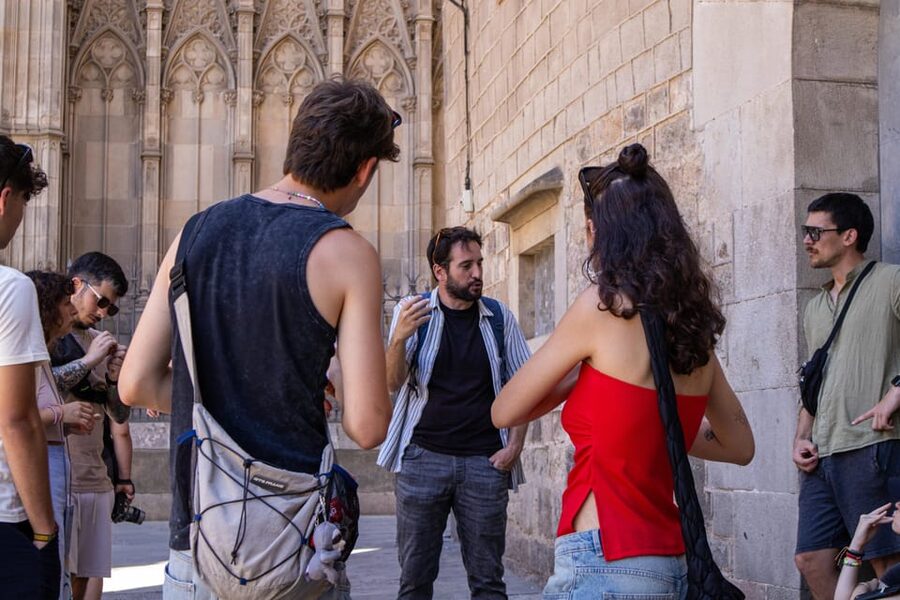
At Barcelona Cathedral, you get another photo stop and guided explanation (about 10 minutes). This part is a classic first-time Barcelona anchor.
The Cathedral area isn’t just pretty stone. It’s also about learning how the medieval center functioned—religious power, civic identity, and later layers of change that shaped what stands today. Even if you only see it from outside, the guide helps you connect the architecture to what the neighborhood was doing over time.
On the way, you’ll pass or stop near key points like Bishop’s Bridge (often explained for what it represents visually and historically) and you’ll also hear about nearby atmosphere-setting details like the Kiss Mural.
Important expectation setting: this tour is packed with exterior stops. So you’re seeing the Gothic Quarter’s layout and key silhouettes, not walking deep inside every single monument.
That said, the exterior format is exactly what makes the tour a good first step on a short visit.
Roman Layers and Medieval Corners: Ardiaca, the General Archive, and Temple of Augustus
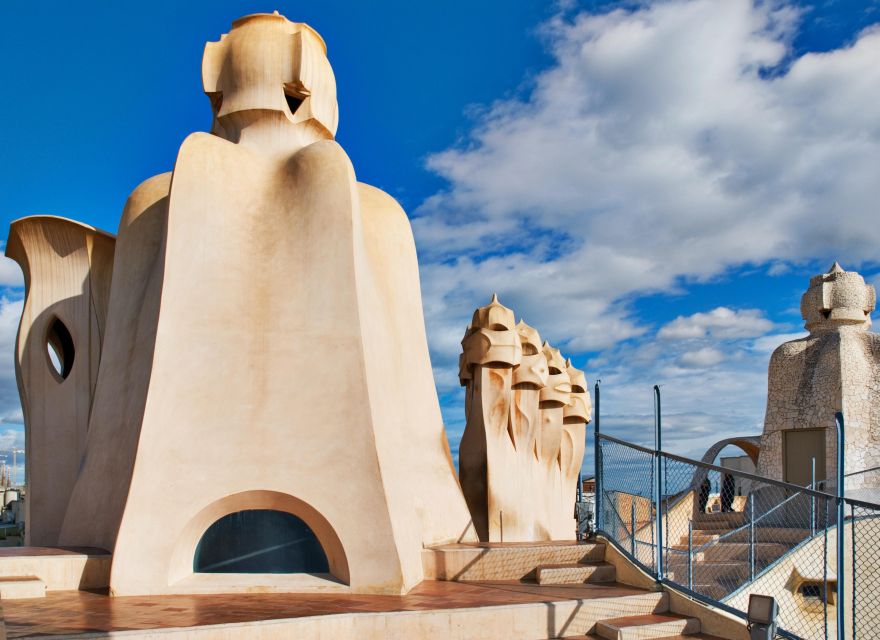
The tour then layers in older time periods you might not expect to find so close together.
You’ll see:
- Casa de l’Ardiaca (photo stop + about 10 minutes guided)
- General Archive of the Crown of Aragon (photo stop + about 10 minutes guided)
- Bishop’s Bridge (about 10 minutes with scenic views on the way)
- Temple of Augustus (photo stop + about 10 minutes)
This is where the “2,000 years of history” idea feels real. You aren’t just walking through one style. You’re walking through survival—how Roman-era traces and medieval power centers coexisted and got built over, re-used, or reinterpreted.
I also appreciate that the guide doesn’t treat these stops like random facts. You get the why: why that Roman structure is still visible, why the archive building matters as an institution, and how the Gothic side developed its identity. For many first-timers, this is the moment the city stops being a list and starts becoming a timeline you can walk.
The stops are short, though. If you’re the type who wants to linger for 30–45 minutes per monument, you may feel slightly rushed here. But if your goal is an overview route that sets you up for later targeted visits, this pace fits.
El Mural del Peto and the Walk to Plaça del Rei
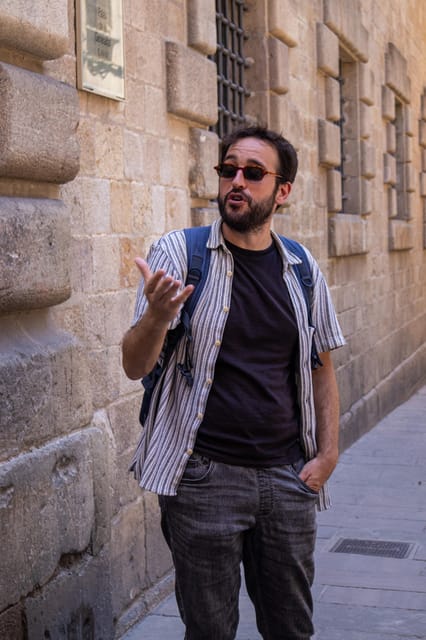
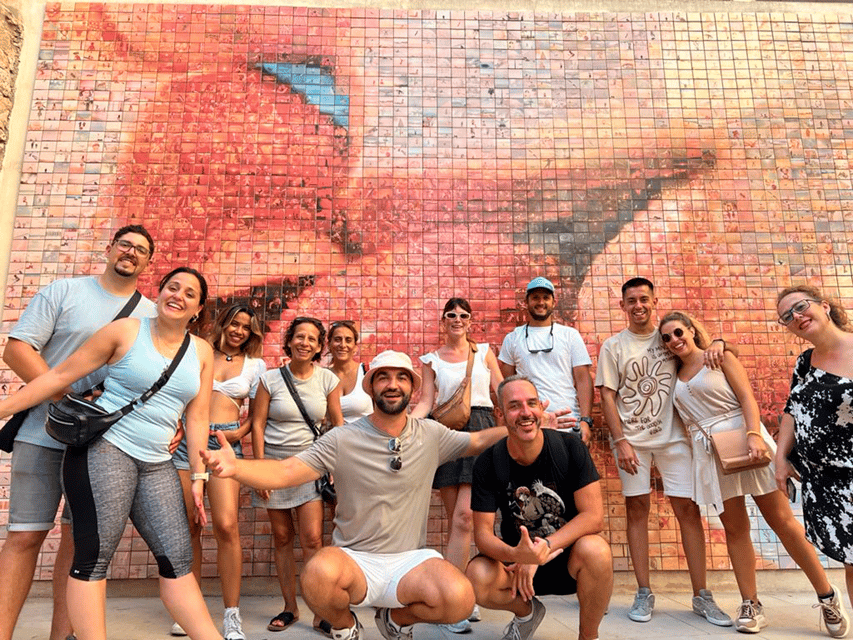
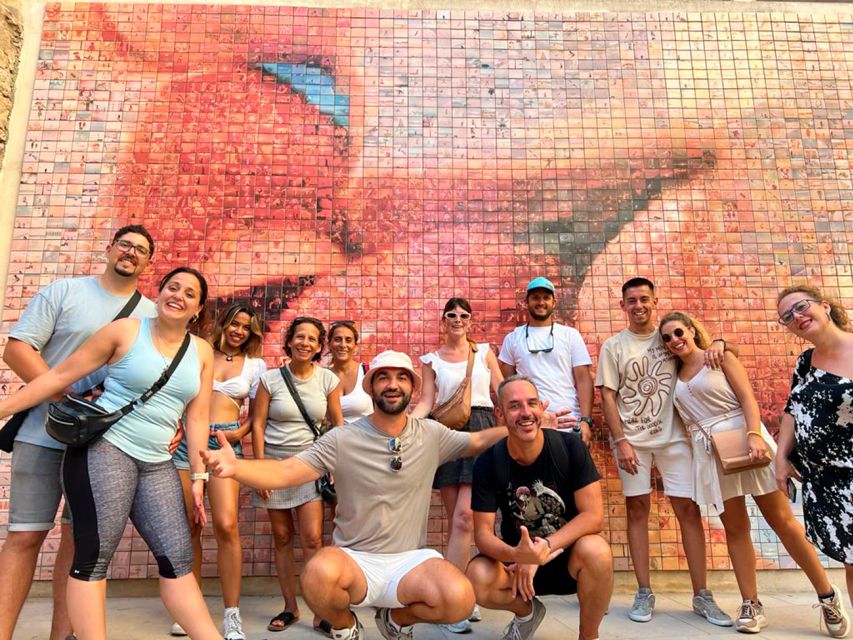
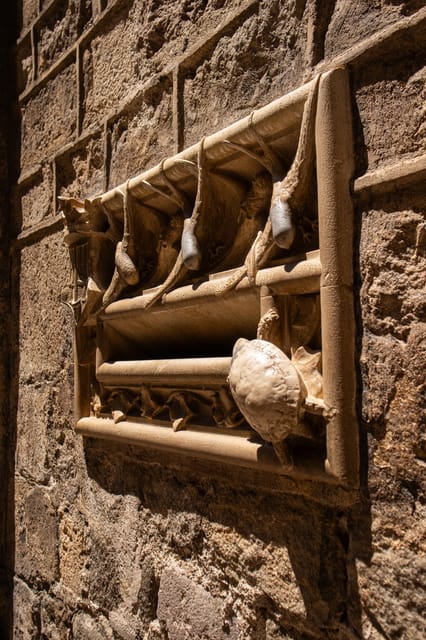
Near the end, you hit El Mural del Peto (photo stop + about 10 minutes guided). This kind of stop is valuable because it’s specific. It’s not the grand “must-see” thing most people remember. It’s a small slice of local storytelling, and the guide uses it to explain the neighborhood’s social and cultural context.
Finally, the tour drops you at Plaça del Rei (one of the two drop-off locations is listed as Plaça del Rei). That finishing point works well because it feels like the center of gravity of the old city—an appropriate place to end after you’ve traced Modernism and the Gothic Quarter’s core.
If you still have energy after the tour, it’s a great area to keep wandering on your own. You’ll know what you’re looking at now, which saves time later.
What’s Included (and What You’ll Need to Pay For On Your Own)

This tour includes the things that make short itineraries actually work:
- guided walking tour covering 15+ top highlights
- a professional actor/artist-style guide
- small group (up to 10)
- a comfort break in a beautiful venue with restrooms
- 1× Zone 1 metro ticket
- transport for the tour included
What’s not included is equally important:
- no entry tickets to monuments
- Sagrada Família is exterior explanation only
So the value is in interpretation and orientation. If you want to spend extra time inside big sites, you’ll need separate tickets later.
The good news: the exterior-only approach keeps the route moving. It’s ideal for a first day, or when you’re trying to decide what to revisit with paid entry on day two.
Price and Value: Why $52 Makes Sense for a 3–3.5 Hour Overview
At $52 per person for about 3 to 3.5 hours, the price looks high until you break down what’s inside the package.
You’re paying for:
- a tight route with 15+ stops
- a guide who’s part storyteller, part architecture interpreter
- included metro transit (Zone 1 ticket) so you don’t lose time
- a small group setup (so you can ask questions without waiting forever)
- an included comfort break that saves you time and hassle
If you try to DIY this route, you can do it—sure. But you’ll pay for it in time, confusion, and the extra stops you’ll make because you’re guessing what you’re looking at. In this kind of “city overview” tour, the guide’s explanations are the real cost-benefit win.
Also, the guide quality seems to be the standout piece. Across guide names you’ll see mentioned (David, Albert, Caio, Carlos, Nacho, and Emma among them), the common theme is that the explanations stick, and questions get handled well without making anyone feel rushed.
Who This Tour Suits Best
This tour fits best if you:
- want a first overview of Barcelona’s biggest architectural eras in one afternoon
- enjoy walking and photo stops
- like guides who explain what you’re seeing instead of listing dates only
- want a plan that helps you decide what to return to later
It’s not ideal if you:
- mainly want interior museum time and long cathedral hours
- hate short stops and prefer slow wandering
- expect Sagrada Família entry as part of the ticket
A good strategy: do this tour first, then pick one or two monuments to revisit with timed entry later.
Small Practical Tips So You Get the Most
A few things that will make your experience smoother:
- bring comfy shoes; the route covers a lot of ground
- keep luggage or large bags out of the way; they’re not allowed
- plan for quick photo moments; don’t expect long “hang out” time at every stop
- if you’re sensitive to crowds, go with the flow and rely on the guide’s timing and focus
If your guide happens to offer local food recommendations (some guides have been noted for sharing lists), grab them. It’s the easiest way to turn a short city day into a well-fed one.
Should You Book This Barcelona Tour?
I’d book it if you want a high-value first-day orientation: Modernism on Passeig de Gràcia, Gothic Quarter highlights, and a Roman-era surprise—without spending hours figuring out where to go next.
Skip it or think twice if you specifically want inside visits to major monuments. Because this route is exterior-first, you’ll likely still want separate tickets afterward for the sites you care about most.
If you’re flexible on the pace and you like learning through stories while you walk, this is a smart use of a short visit.
FAQ
Where do I meet the guide?
Meet your guide in front of KFC at Sagrada Família. Look for the blue umbrellas.
How long is the tour?
The tour lasts about 3 to 3.5 hours.
How much does it cost?
It costs $52 per person.
What’s included in the price?
You get a guided walking tour with 15+ highlights, an actor/artist-style guide, a comfort break with restrooms, a Zone 1 metro ticket, and tour transport is included.
Is entry to Sagrada Família included?
No. The tour provides a guided explanation of Sagrada Família from the exterior only.
Is the tour wheelchair accessible?
Yes, the tour is listed as wheelchair accessible.
What should I bring, and is luggage allowed?
Bring comfortable shoes. Luggage or large bags are not allowed.
Lost in the Gothic Quarter
- Barcelona in 1 Day: Sagrada Familia, Park Guell,Old Town & Pickup
★ 5.0 · 13,541 reviews - Barcelona all included: Sagrada, Park Güell, Montjuic & Gothic
★ 5.0 · 2,169 reviews - Barcelona Gothic Quarter Tapas & Taverns Food & Wine Tour
★ 5.0 · 1,470 reviews - Barcelona Helicopter, Sailboat & Old Town Private Walking Tour
★ 5.0 · 1,395 reviews - Barcelona: Old Town and Gothic Quarter Walking Tour
★ 4.8 · 1,393 reviews
Further Along the Gaudí Trail
- Barcelona: Park Güell and Gaudí House Museum Entry Ticket
★ 4.5 · 6,326 reviews - Barcelona: Gaudí’s Park Güell Tour with Fast-Track Ticket
★ 4.8 · 4,512 reviews - Barcelona: Sant Pau Recinte Modernista Entry Ticket
★ 4.6 · 2,567 reviews - Sagrada Familia & Gaudi Tour Private or Small Group with Tickets
★ 4.5 · 1,188 reviews - Complete Gaudi Tour: Casa Batllo, Park Guell & Sagrada Familia
★ 5.0 · 1,152 reviews
The Sagrada Família Shortlist
- Barcelona: Sagrada Familia Entry Ticket with Audio Guide
★ 4.6 · 105,312 reviews - Barcelona in 1 Day: Sagrada Familia, Park Guell,Old Town & Pickup
★ 5.0 · 13,541 reviews - Barcelona: Sagrada Familia Skip-the-Line Entry Ticket & Tour
★ 4.8 · 12,789 reviews - Fast Track Sagrada Familia Guided Tour
★ 4.5 · 8,795 reviews - Park Guell and Sagrada Familia Tour with Skip the Line Tickets
★ 5.0 · 6,384 reviews
Just Rated Around Barcelona
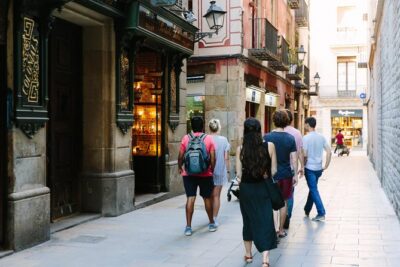





Sagrada Familia Tours, compared.
 ★ 4.6Sagrada Familia Entry Ticket with Audio GuideFrom $39105,312 reviews
 ★ 5.0Barcelona in 1 Day: Sagrada Familia, Park Guell,Old Town & PickupFrom $12013,541 reviews
 ★ 4.8Sagrada Familia Skip-the-Line Entry Ticket & TourFrom $6712,789 reviews
 ★ 4.5Fast Track Sagrada Familia Guided TourFrom $668,795 reviews
 ★ 5.0Park Guell and Sagrada Familia Tour with Skip the Line TicketsFrom $1196,384 reviews
 ★ 4.3Sagrada Familia Skip-the-Line Guided TourFrom $655,365 reviews
 ★ 4.9Sagrada Familia Priority Access Guided TourFrom $584,917 reviews
 ★ 4.3Sagrada Familia Tour & Optional Tower VisitFrom $564,868 reviews
Browse the lists this tour appears in