
Reviewed · GAUDÍ ARCHITECTURE TOURS
Barcelona: Sant Pau Recinte Modernista Entry Ticket
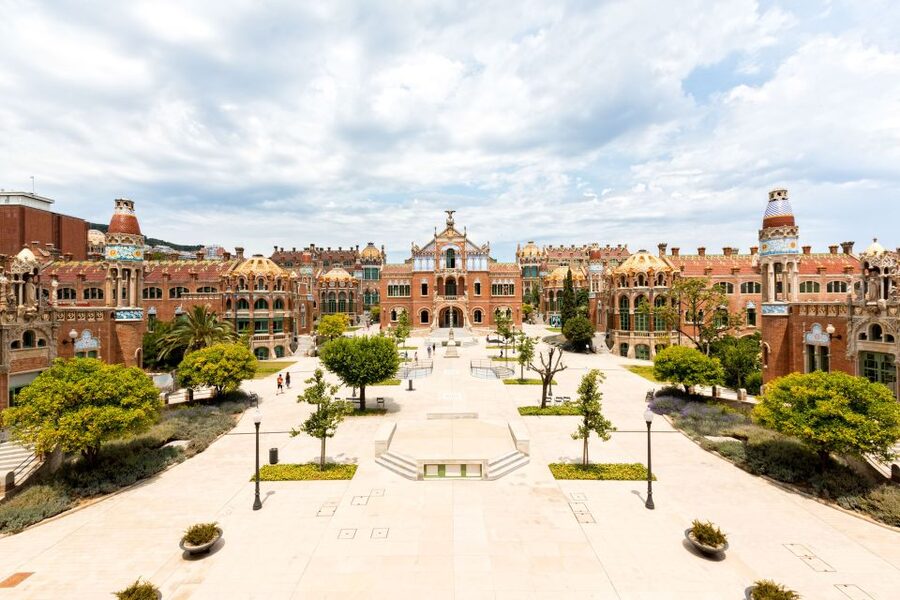
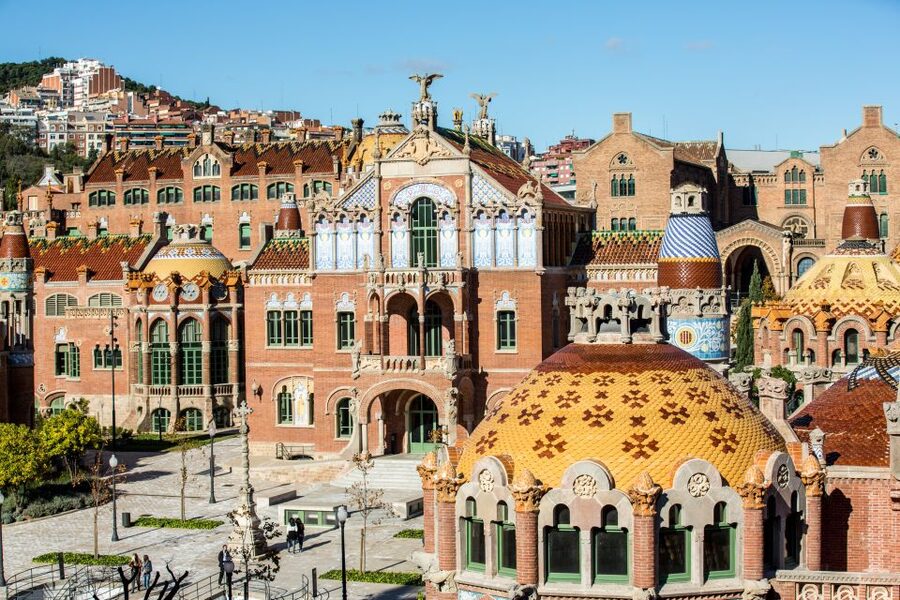
Sant Pau is what happens when a hospital meets Art Nouveau. You’re walking inside the world’s largest Art Nouveau complex, built as a garden-city setting for care, then refurbished with the same eye for detail. I love the calm garden layout—it cools you down fast in Barcelona’s heat—and I love spotting the architecture details that make every corridor, courtyard, and facade feel deliberate.
One possible drawback: this is a ticketed self-guided visit, not a live guide. If you want a deeper story in your ear (medical hygiene, design choices, and how the campus works today), plan to spend extra time using any on-site explanation tools.
In This Review
- Key Things That Make Sant Pau Worth Your Time
- Walking Into an Art Nouveau Hospital Campus
- Ticket-Only Entry: How to Spend the Right Amount of Time
- The Architecture That Makes You Look Up (A Lot)
- Pavilions, Gardens, and the Hospital Layout You Can Feel
- Underground Passageways: The Most Interesting Way to Connect Buildings
- Courtyards and Mosaics: Where the Details Live
- Today’s Sant Pau: A Campus, Not a Frozen Relic
- Price and Value: Is $21 Worth It?
- Getting There: A Practical Barcelona Tip Set
- Who Should Book This Ticket (and Who Might Skip It)
- Should You Book Sant Pau Recinte Modernista Entry Tickets?
- FAQ
- How long is the Sant Pau visit?
- What is included with the $21 ticket?
- Is a guided tour included?
- Where is the meeting point?
- Is the ticket refundable if my plans change?
- Is Sant Pau wheelchair accessible?
- Are pets allowed inside?
- Is there any free admission benefit for seniors?
- What rules apply for kids and families?
Key Things That Make Sant Pau Worth Your Time
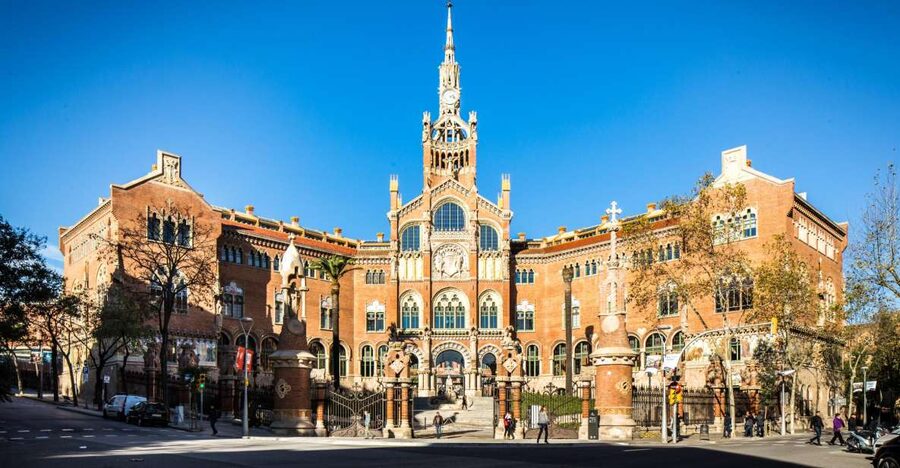
- World’s largest Art Nouveau complex: the scale alone makes it feel like a whole other city
- Garden-city hospital concept (1905–1930): built for healing, with nature as part of the plan
- Underground passageways: connections between pavilions show how the hospital functioned
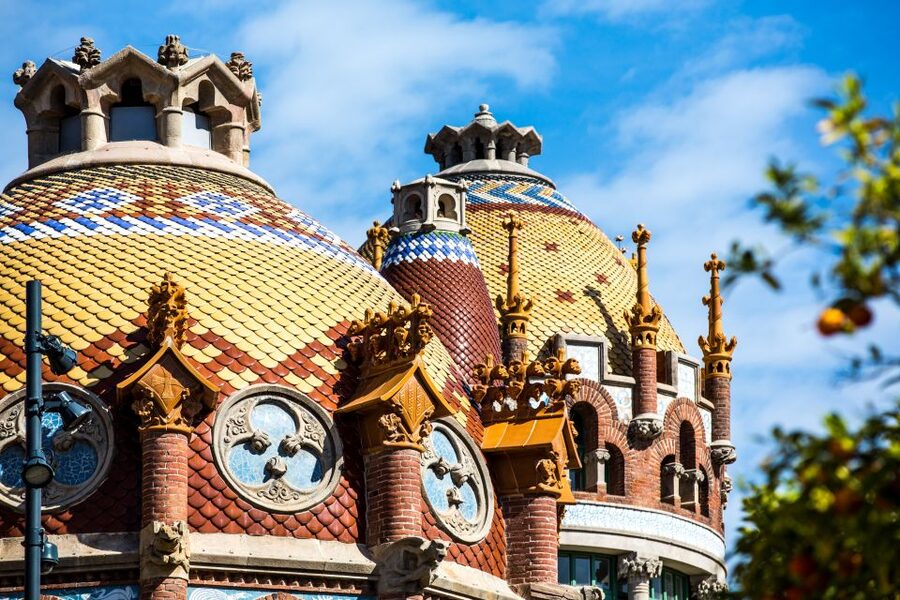
- Sculptures, stained glass, and mosaics: look up and also around the edges of major buildings
- Now a knowledge campus: the same site supports international organizations today
Walking Into an Art Nouveau Hospital Campus
Sant Pau Recinte Modernista isn’t just impressive because it looks pretty. It’s impressive because it was designed with a practical mission: care for the sick in an environment meant to support recovery. The complex was built between 1905 and 1930 under the Modernista architect Lluís Domènech i Montaner, and it later functioned as a public hospital for about a century. Now it’s been refurbished to bring that early design back into view, while the campus also supports modern international institutions.
As you enter, it helps to think of the site in layers. There’s the Art Nouveau architecture layer—curves, color, ornament, and symmetry. Then there’s the “how it worked” layer: pavilions designed for light, air, and movement. And finally there’s the “what it’s become” layer: a knowledge campus that keeps the complex alive instead of freezing it in time.
Follow the Gaudí trail a little further




Ticket-Only Entry: How to Spend the Right Amount of Time
This is an entry ticket experience. The visit is designed around about 1.5 hours, which is enough to see the main pavilions, gardens, and signature connections. That said, you’ll notice that many people end up lingering longer when they start hunting down small visual details.
Here’s the pacing that tends to work best:
- Start with the main flow of buildings and gardens.
- Then slow down for courtyards and look for the decorative work—mosaics and stained glass don’t show up well if you rush.
- Leave a little time for any extra explanation materials on-site, especially if you like medical-history context.
If you’re the type who reads every interpretive panel and enjoys architecture from every angle, plan closer to 2 hours. You won’t regret the extra time because Sant Pau rewards repetition—returning to a courtyard after you’ve seen another pavilion makes the whole plan click.
The Architecture That Makes You Look Up (A Lot)
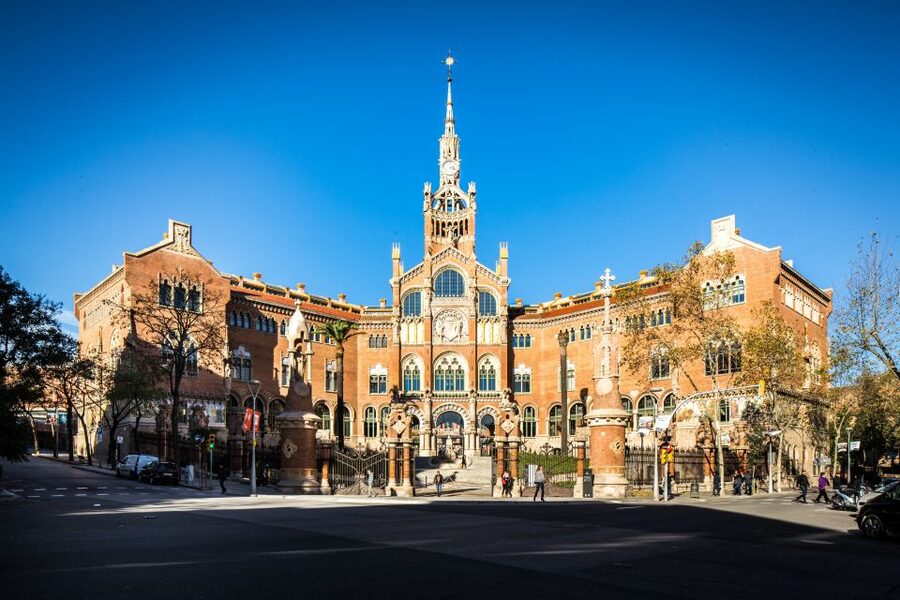
Sant Pau is often compared to the more famous Barcelona Modernisme icons, but it has its own identity. The design is heavily tied to Lluís Domènech i Montaner’s Modernista style: decorative motifs, strong planning, and thoughtful use of materials that still feel crisp despite the age.
The site also encourages looking in multiple directions:
- Look up for stained glass and sculptural elements.
- Look sideways at transitions between sections—those junctions often hold the most visual surprises.
- Walk around key buildings, not just in front of them. Some of the most eye-catching mosaics show up best when you angle around the structure.
If you care about design as a kind of problem-solving (how space shapes the day-to-day), you’ll appreciate that Sant Pau wasn’t built as a single showpiece. It’s a coordinated complex—pavilions, gardens, and connections designed to keep the institution working as a system.
Pavilions, Gardens, and the Hospital Layout You Can Feel
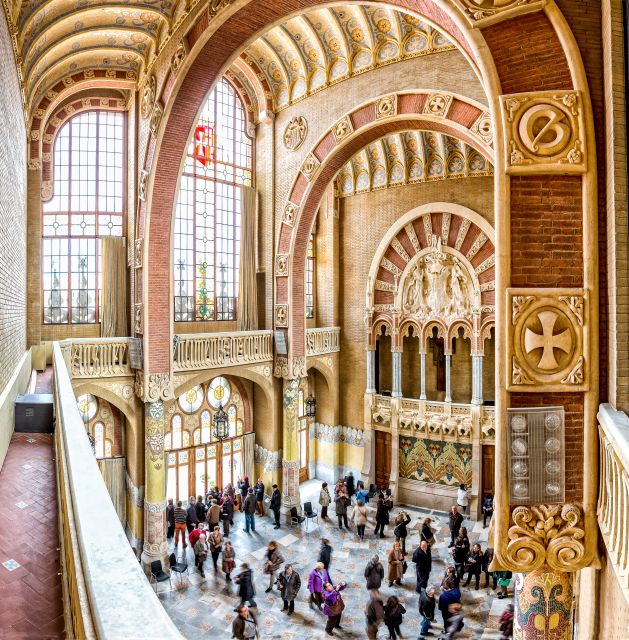
Part of the magic here is how the layout works like a “garden city.” Instead of treating nature as decoration, the complex uses gardens as part of the healing environment. The pavilions sit within landscaped areas, so your walking route keeps switching between architecture intensity and open outdoor calm.
This makes Sant Pau a nice break from the usual Barcelona rhythm. Even if it’s a hot day, the gardens and shaded corridors help you reset. One of the most practical joys is simply being able to slow down in a place that feels airy rather than crowded.
And because this was a real hospital site, you can sense the functional logic beneath the beauty. Visitors often mention how moving it is to see how rooms and setups relate to how the facility opened and operated in the past. If you have any interest in nursing, health, or how medical spaces evolved, the physical layout can make the history feel concrete.
Underground Passageways: The Most Interesting Way to Connect Buildings
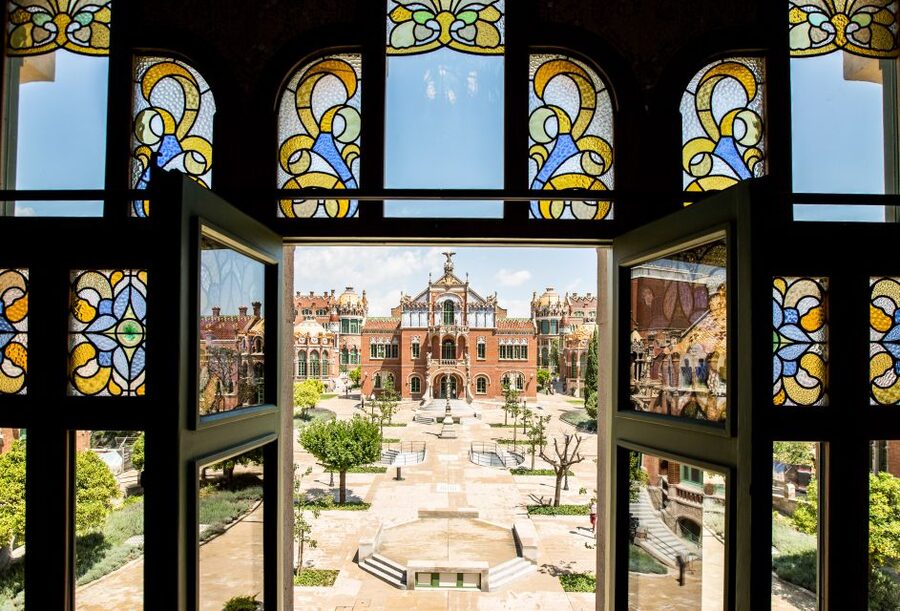
One of the best “wait, that’s cool” moments at Sant Pau is the network of underground passageways that connects buildings. That design choice isn’t just architectural theater. It reflects how a hospital needed efficient movement and controlled access between areas.
As you explore, pay attention to how these connections change your sense of the complex. You stop thinking of it as a set of separate buildings and start thinking of it as an operating system—different pavilions linked so care could keep moving.
If you like places where architecture reveals daily life, this is one of the big reasons Sant Pau feels different from a typical museum visit. You’re not only seeing what was built—you’re understanding how the site was intended to function.
More Barcelona tickets worth grabbing
- Barcelona: Sagrada Familia Entry Ticket with Audio Guide★ 4.6 · 105,312 reviews
- Barcelona: Park Güell Admission Ticket★ 4.4 · 76,534 reviews
- Barcelona: Montjuïc Cable Car Roundtrip Ticket★ 4.5 · 22,368 reviews
Courtyards and Mosaics: Where the Details Live
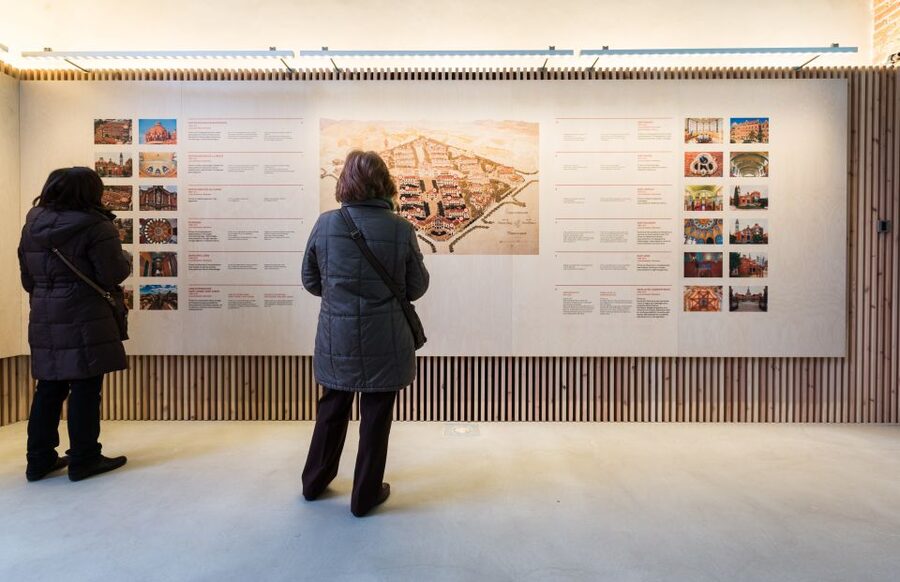
Courtyards are where the complexity becomes personal. You get angles that make ornamentation feel three-dimensional, not pasted on. These are also the places where stained glass, mosaics, and sculptural details can catch the light in a way that makes them feel almost different from one minute to the next.
A simple tip: don’t just pass through courtyards. Pause. Stand in one spot, look up, then look back at the building edges around you. When you do that, you’ll start noticing patterns—how the ornament echoes the layout and how the site uses repetition to guide your attention.
Also, remember that a lot of the visual payoff is outdoors. If you’re timing your visit during a sunny part of the day, plan to spend a bit of time in the outdoor areas rather than rushing to the next indoor room. Some visitors even treat the gardens like a quiet pause before heading on.
Today’s Sant Pau: A Campus, Not a Frozen Relic
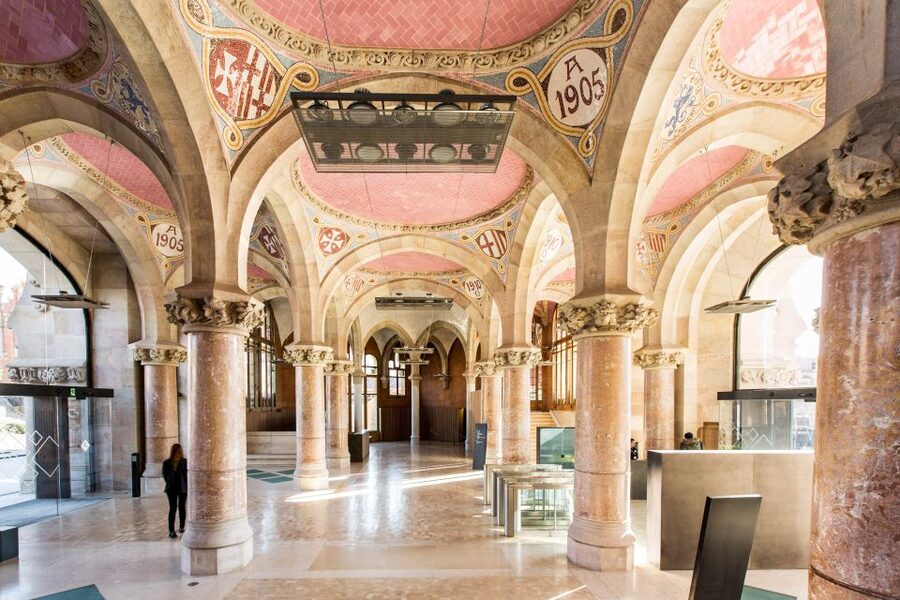
A big part of why Sant Pau feels worth revisiting is that it hasn’t been turned into a lifeless shell. The complex now works as a knowledge campus for international organizations, including groups such as:
- European Forest Institute
- Casa Àsia
- Global University Network for Innovation
- United Nations University Institute on Globalization, Culture, and Mobility
That matters for your visit because it changes the mood. You’re not only looking at the past—you’re seeing a place built for long-term use. The refurbishments help keep the site readable as a functional campus, even while it preserves its Art Nouveau identity.
It’s a reminder that great architecture can adapt. In this case, that adaptation comes without wiping out the original idea: care, light, air, and thoughtful design.
Price and Value: Is $21 Worth It?
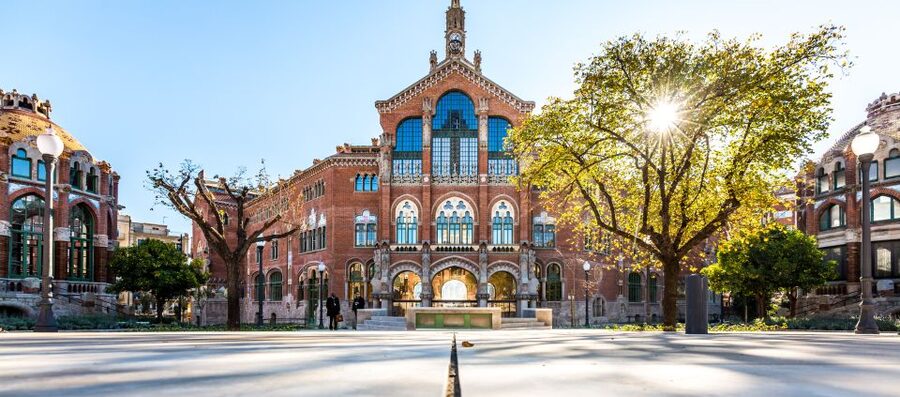
At about $21 per person, Sant Pau isn’t the cheapest thing on a Barcelona schedule, but it also isn’t trying to compete with the most famous headline attractions. What you’re paying for is time, scale, and a site that’s genuinely different from the usual museum model.
You’re getting:
- A world-class Art Nouveau complex
- Pavilions, gardens, and decorated connections
- A realistic feel for how the hospital concept worked
- A calm, less frantic way to spend a couple of hours
If your priorities are architecture, medical design history, or simply finding quieter beauty in the middle of a big-city trip, the value is strong. If you’re only interested in the single most iconic facade and want heavy interpretation with a live guide, you might wish this ticket came with a guided component.
Getting There: A Practical Barcelona Tip Set
The meeting point is listed at Calle Sant Antoni Maria Claret, 167, 08025 Barcelona. In practice, the site is also easy to reach by metro, and a nearby station can connect you with a direct route toward the airport, which is handy if you’re visiting on a departure day.
A small navigation note: if you rely on SatNav, you might get sent off-course. Use your phone map and double-check the address close to arrival. Once you’re there, you’ll find cafes around the area—useful for a snack before or after your entry time.
Inside, there are lockers mentioned by visitors, which is a helpful perk if you don’t want to carry bags while you wander the complex.
Who Should Book This Ticket (and Who Might Skip It)
This ticket fits best if you:
- Love architecture and design details
- Want a calmer alternative to Barcelona’s biggest crowds
- Have any interest in health, nursing history, or how medical spaces evolved
- Prefer self-paced exploring with optional on-site explanations
You might consider a different option if you:
- Want a structured, stop-by-stop guided narrative
- Feel lost without a clear route plan (some signage can be less obvious outside, so a little patience helps)
- Only have a very tight schedule and can’t spare time to look around
Should You Book Sant Pau Recinte Modernista Entry Tickets?
If you’re trying to balance the famous Barcelona highlights with something quieter and more architectural, I’d book this. For the price, you get real scale, a garden-hospital concept you can actually walk through, and Art Nouveau details that reward slow wandering. It’s also a strong pick if you’re traveling with someone who likes different things—architecture fans get the visuals, and people who care about health history get the layout and context.
If you want a guided lecture style experience, you’ll probably feel the difference. In that case, consider pairing your visit with another guided attraction, or be ready to use any on-site audio or explanation tools while you explore.
FAQ
How long is the Sant Pau visit?
The experience is designed around a 1.5-hour visit.
What is included with the $21 ticket?
The ticket includes the entrance fee to Sant Pau Recinte Modernista.
Is a guided tour included?
No. A guided tour is not included with this entry ticket.
Where is the meeting point?
The meeting/check-in point is Calle Sant Antoni Maria Claret, 167, 08025 Barcelona.
Is the ticket refundable if my plans change?
Yes. Free cancellation is available up to 24 hours in advance for a full refund.
Is Sant Pau wheelchair accessible?
Yes, the experience is wheelchair accessible.
Are pets allowed inside?
No, pets are not allowed.
Is there any free admission benefit for seniors?
Yes. On the first Sunday of the month, visitors over 65 years old can enjoy free access.
What rules apply for kids and families?
Children 11 and under are permitted to attend. There is free admission for participants under age 12, but a parent or guardian must be present.
More Barcelona Tickets Worth Buying
- Barcelona: Sagrada Familia Entry Ticket with Audio Guide
★ 4.6 · 105,312 reviews - Barcelona: Park Güell Admission Ticket
★ 4.4 · 76,534 reviews - Barcelona: Montjuïc Cable Car Roundtrip Ticket
★ 4.5 · 22,368 reviews - Barcelona Aquarium: Entry Ticket
★ 4.4 · 16,717 reviews - Barcelona: Sagrada Familia Skip-the-Line Entry Ticket & Tour
★ 4.8 · 12,789 reviews
More Barcelona Tours on Our Radar
- Barcelona: Sagrada Familia Entry Ticket with Audio Guide
★ 4.6 · 105,312 reviews - Barcelona: Park Güell Admission Ticket
★ 4.4 · 76,534 reviews - Barcelona: Casa Batlló Entry with Self-Audioguide Tour
★ 4.7 · 25,359 reviews - Barcelona: Montjuïc Cable Car Roundtrip Ticket
★ 4.5 · 22,368 reviews - Barcelona: Hola Barcelona Public Transport Travel Card
★ 4.5 · 20,985 reviews
Further Along the Gaudí Trail
- Barcelona: Park Güell and Gaudí House Museum Entry Ticket
★ 4.5 · 6,326 reviews - Barcelona: Gaudí’s Park Güell Tour with Fast-Track Ticket
★ 4.8 · 4,512 reviews - Barcelona: Sagrada Familia, Modernism, and Old Town Tour
★ 4.7 · 1,621 reviews - Sagrada Familia & Gaudi Tour Private or Small Group with Tickets
★ 4.5 · 1,188 reviews - Complete Gaudi Tour: Casa Batllo, Park Guell & Sagrada Familia
★ 5.0 · 1,152 reviews
Just Rated Around Barcelona





Gaudí Architecture Tours, compared.
 ★ 4.5Park Güell and Gaudí House Museum Entry TicketFrom $336,326 reviews
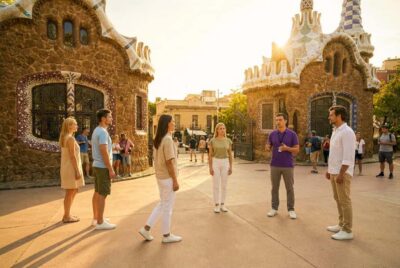 ★ 4.8Gaudí’s Park Güell Tour with Fast-Track TicketFrom $324,512 reviews
 ★ 4.7Sagrada Familia, Modernism, and Old Town TourFrom $521,621 reviews
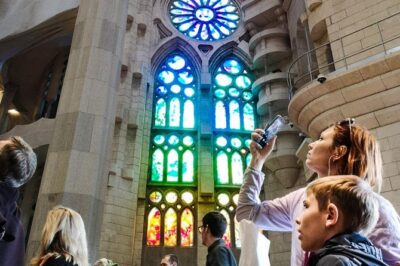 ★ 4.5Sagrada Familia & Gaudi Tour Private or Small Group with TicketsFrom $901,188 reviews
 ★ 5.0Complete Gaudi Tour: Casa Batllo, Park Guell & Sagrada FamiliaFrom $1621,152 reviews
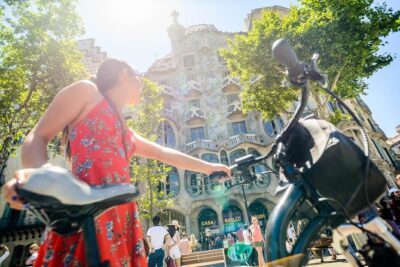 ★ 5.0Barcelona e-Bike Tour: Gaudí & Old Town Small GroupFrom $38769 reviews
 ★ 5.0Ramblas, Old Town, Gothic and Gaudi Architecture Walking TourFrom $35723 reviews
 ★ 4.5Gaudi´s Casa Vicens Skip the Line Ticket with AudioguideFrom $26685 reviews
Browse the lists this tour appears in