
Aroma experiments in wine sound risky, but this one works. At the Terpenic Tasting Lab in Reina Cristina, you taste sparkling wines alongside terpenes and guided pairings, using aroma charts to connect what you smell with what you taste. I love the food match: fresh and creamy cheeses, aged cheese, bread, and Iberian ham built to bring out citrus, floral, and spicy notes.
I also like the hands-on mini workshop, where you create your own terpenic twist using herbs, fruits, or chocolates, then end with a cannabis-and-fine-chocolate moment. The possible drawback is simple: the experience leans experimental, so if you want only classic cava flavors, the terpene and cannabis notes may feel odd.
In This Review
- Key things you will notice right away
- Where the Terpenes Tasting Lab fits into your Barcelona plans
- The lineup: Mevalonics Brut Nature and Classic, with real reason behind the sequence
- Terpenes explained in a way that actually helps you taste
- Pairings that make sense: bread, cheeses, and Iberian ham
- Mini workshop: make your own terpenic twist
- The vibe: private space, welcoming team, and a lively mood
- Price and value: what you are actually paying for
- Timing and practical planning in Ciutat Vella
- Who should book this, and who might want to skip
- Should you book the Terpenes, Sparkling & Pairings tasting lab?
- FAQ
- How long is the Barcelona Terpenes, Sparkling & Pairings tasting?
- Where does the tasting start?
- Is this a private tour or shared group tasting?
- What language is the tasting offered in?
- What is included in the tasting menu?
- Can I create my own flavor during the workshop?
- Is cancellation free?
Key things you will notice right away
- 7 sparkling wines included, starting with Mevalonics Brut Nature and moving through more structured expressions
- Aroma charts and a short terpenes intro that help you make sense of smell before you judge the sip
- Cheese + Iberian ham pairings designed to highlight citrus, floral, and spicy profiles
- 36 months fermentation, no added sugars or sulfites for the Mevalonics Classic tasting
- A mini workshop to build your own terpenic twist with herbs, fruits, or chocolate
- A sweet finale pairing cannabis with fine chocolate truffles
Where the Terpenes Tasting Lab fits into your Barcelona plans
Barcelona is great for tradition, but it is also great for playful learning. This tasting sits right in that sweet spot. You get a focused, guided experience that lasts about 2 hours, and it stays in one place in Ciutat Vella near public transport (Carrer de la Reina Cristina, 10). That matters because you do not need to hop across the city mid-evening. It is also private to your group, so the vibe tends to feel less like a lecture hall and more like a small table conversation.
If you are the type who enjoys food and wine but finds wine jargon exhausting, you will probably like how this is set up. The process is built around tasting steps: sniff, sip, then connect it to what you were just taught about aromas and terpenes. You are not just paying for alcohol. You are paying for structure and flavor education you can actually use later.
More Catalan plates and pours to try


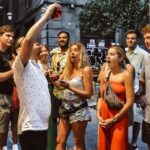

The lineup: Mevalonics Brut Nature and Classic, with real reason behind the sequence
The tasting begins with a welcome toast: Mevalonics Brut Nature, including bottles described as aged 6 and 8 years. That pairing sets expectations. Brut Nature usually keeps things crisp and dry, so it is a good starting point for people who want the tasting to feel fresh rather than heavy.
Then you move into a second round focused on food pairings with the Brut Nature aged 6 and 8 years. After that comes the main event: Mevalonics Classic, described as 36 months fermentation, and specifically noted as no added sugars or sulfites. That label is not just marketing fluff. If you taste it, you are likely to notice how fermentation time builds complexity and how skipping added sugar changes the sweetness curve. The tasting also lists aroma notes such as mango, peach, blueberry, or cannabis, and those themes matter for how you will experience the pairing.
Finally, the tasting ends with a grand finale: cannabis + fine chocolate truffles. This is not random. It is a signal that the lab wants you thinking in aromas, not just grapes. You are meant to connect the terpene-like aromatic language across wine and chocolate.
Terpenes explained in a way that actually helps you taste
You get a short introduction to terpenes as part of the menu, and the experience uses aroma charts throughout. Terpenes are the fragrant compounds that contribute a lot to the smell of plants. In practical tasting terms, that means the lab is aiming to make you notice aroma cues you might otherwise miss.
Here is how I would approach it while you are there:
- Take a moment with each wine before you swallow. If you do not like what you smell right away, your brain can adjust after a sip.
- Use the aroma charts as prompts, not as rules. You are not trying to score a perfect match. You are training your nose.
- Pay attention to how the same wine behaves with different foods, especially bread, fresh or aged cheeses, and Iberian ham.
This is why the terpenes concept works in a food setting. Terpenes are about smell, and smell is where food pairings get their power. When the pairing leans citrus, floral, or spicy, you are tasting the wine through those aromatic pathways.
Pairings that make sense: bread, cheeses, and Iberian ham
The lab keeps the pairing menu intentionally structured. You start with bread and cheese alongside the Brut Nature, then add Iberian ham to extend the flavor range.
The cheese lineup is described in three textures/profiles:
- Fresh, creamy cheeses for softness and easy aroma pickup
- Aged cheese for deeper, stronger notes that can handle drier sparkling wines
- A repeated pairing rhythm so you can compare how the same wine shifts with different cheese styles
Iberian ham shows up early too, and that is a smart move. Salt, fat, and savory intensity can make sparkling wine taste more vivid. It can also help you notice floral or citrus cues because the palate has to work less to chase sweetness.
Practical tip: if you want your tasting to feel educational, eat small bites between wines. If you go heavy on ham or cheese and then take a sip, you might mask the wine’s finer aroma notes. Small bites keep the tasting “clean” enough that terpenes and fruit notes actually register.
Mini workshop: make your own terpenic twist
This is one of the most fun parts because you stop being a passive taster. The workshop asks you to create your own terpenic twist using herbs, fruits, or chocolates. Even if you are not into food science, you can still play.
What you are really doing is practicing the idea that aroma is adjustable. Change the ingredient, and you change the smell map your brain uses to interpret the wine.
If you want to get the most out of it:
- Choose one ingredient family to focus on. Herbs can read sharper and more green; fruits can feel sweeter and brighter; chocolates will steer you toward desserts and roasted notes.
- Smell first, then taste. Your first impression will be mostly aroma anyway.
- When you finish, connect what you made to what you drank earlier. The tasting is designed so those dots connect.
The ending has a clear signal that the lab wants you thinking about aroma linkages across categories. There is a cannabis pairing with fine chocolate truffles to close the loop.
- Barcelona: Sagrada Familia Entry Ticket with Audio Guide★ 4.6 · 105,312 reviews
- Barcelona: Park Güell Admission Ticket★ 4.4 · 76,534 reviews
- Barcelona: Casa Batlló Entry with Self-Audioguide Tour★ 4.7 · 25,359 reviews
The vibe: private space, welcoming team, and a lively mood
Location is not the only factor. The format matters too. This is a private tour/activity where only your group participates, and that changes the mood. You are not competing for attention with a big crowd.
From what you can expect based on the experience description and the way the team is described, the staff approach is close and professional, and the host keeps the energy up. That matters because terpenes can sound intimidating before you see the charts and smell exercises in action. When the mood is friendly, you are more likely to experiment instead of clinging to what you already like.
One more detail that can make it easier: you get sparkling water during the tasting. That helps you reset between rounds so each wine has a fair chance to show itself.
Price and value: what you are actually paying for
At $76.93 per person for about 2 hours, you are paying for far more than a flight of sparkling wine. You get:
- 7 sparkling wines
- cheese, bread, and Iberian ham pairings
- tasting materials, including aroma charts
- sparkling water
- chocolate and truffles
- a mini workshop activity
In Barcelona, you can find wine tastings that are either simple or short. Here, the value angle is the structure: the menu is built to support learning through comparison, and the food is not an afterthought. Add the private group setup, and the price starts to feel more like an experience cost than a drinks-only deal.
If you think you will enjoy experimental flavors and want guided pairing with hands-on participation, the cost is easier to justify. If you only want familiar cava profiles, you might feel the budget would be better spent elsewhere.
Timing and practical planning in Ciutat Vella
This tasting runs about 2 hours and ends back at the meeting point. That simplicity is underrated. When you are in Ciutat Vella, it is useful to know you are not gambling on timing across multiple locations.
The start address is on Carrer de la Reina Cristina, 10, and the activity is near public transportation. That is helpful if you are also doing other neighborhoods that evening and do not want to fight for a ride.
You also get a mobile ticket, and you are sent confirmation when you book. If you travel with a service animal, it is allowed.
Who should book this, and who might want to skip
You should book if you fit any of these:
- You like sparkling wine and you are curious about aroma and flavor pairing
- You want a guided experience that uses tools like aroma charts instead of just telling you what to taste
- You enjoy food and want a pairing that includes cheese, bread, Iberian ham, and chocolate
- You want something playful, not stiff, thanks to the private format and the mini workshop
You might reconsider if you prefer only traditional, familiar cava flavors and dislike cannabis notes. The experience does include a cannabis element at the end and mentions cannabis-related aroma themes in the wine descriptions. That does not mean it is for nobody, but it can be polarizing.
Also, if you hate guided learning and would rather just drink, you may find the terpene-focused structure too much.
Should you book the Terpenes, Sparkling & Pairings tasting lab?
Book it if you want a fun, structured evening that combines sparkling wine with real pairing work and a hands-on aroma activity. It is priced like an experience, not like a casual pour-and-go, and the included food, aroma charts, and workshop justify the spend.
Skip it if you know you want classic cava only and you are not interested in terpene or cannabis-flavored aroma concepts. In that case, you might enjoy a more traditional tasting where the flavor goal stays simple.
If you do book, come hungry enough for cheese and ham, and plan to eat small bites between pours. That one habit makes the whole terpene idea click fast.
FAQ
How long is the Barcelona Terpenes, Sparkling & Pairings tasting?
It is approximately 2 hours.
Where does the tasting start?
It starts at Carrer de la Reina Cristina, 10, Ciutat Vella, 08003 Barcelona, Spain.
Is this a private tour or shared group tasting?
This is a private tour/activity, so only your group will participate.
What language is the tasting offered in?
The tour is offered in English.
What is included in the tasting menu?
Your tasting includes 7 sparkling wines, cheeses, Iberian ham, sparkling water, bread, 75% chocolate, truffles, tasting materials, and aroma charts. It also includes a mini workshop and a grand finale pairing.
Can I create my own flavor during the workshop?
Yes. You can create your own terpenic twist with herbs, fruits, or chocolates.
Is cancellation free?
Cancellation is free. You can cancel up to 24 hours in advance of the experience for a full refund.
Plates and Pours Across Barcelona
- Montserrat & Cogwheel Train, Gourmet Wine Tasting & Tapas/Lunch
★ 5.0 · 6,290 reviews - Barcelona: Tablao Flamenco Cordobes with Food/Drink Options
★ 4.6 · 4,368 reviews - Barcelona: Tapas Walking Tour with Food, Wine, and History
★ 4.8 · 4,261 reviews - Barcelona: Food Walking Tour with Tapas and Wine
★ 4.9 · 2,180 reviews - Barcelona Tapas Walking Tour: Food, Wine & History
★ 4.5 · 1,928 reviews
More Barcelona Tours on Our Radar
- Barcelona: Sagrada Familia Entry Ticket with Audio Guide
★ 4.6 · 105,312 reviews - Barcelona: Park Güell Admission Ticket
★ 4.4 · 76,534 reviews - Barcelona: Casa Batlló Entry with Self-Audioguide Tour
★ 4.7 · 25,359 reviews - Barcelona: Montjuïc Cable Car Roundtrip Ticket
★ 4.5 · 22,368 reviews - Barcelona: Hola Barcelona Public Transport Travel Card
★ 4.5 · 20,985 reviews
Just Rated Around Barcelona



Food & Drink, compared.
 ★ 5.0Montserrat & Cogwheel Train, Gourmet Wine Tasting & Tapas/LunchFrom $816,290 reviews
 ★ 4.6Tablao Flamenco Cordobes with Food/Drink OptionsFrom $574,368 reviews
 ★ 4.8Tapas Walking Tour with Food, Wine, and HistoryFrom $784,261 reviews
 ★ 4.9Food Walking Tour with Tapas and WineFrom $1002,180 reviews
 ★ 4.5Barcelona Tapas Walking Tour: Food, Wine & HistoryFrom $661,928 reviews
 ★ 5.0Barcelona Gothic Quarter Tapas & Taverns Food & Wine TourFrom $1311,470 reviews
 ★ 5.0Barcelona Food Tour: Tapas, Paella, Sangria & 8+ Local TastingsFrom $1171,275 reviews
 ★ 4.5Montserrat: Cog-Wheel, Basilica, Black Madonna & Licor TastingFrom $71886 reviews
Browse the lists this tour appears in