
Reviewed · WALKING TOURS
Barcelona’s Dark History Walking Tour in El Raval
El Raval has a scarred side. This 2-hour walking tour pairs the Vampiress of the Raval legend with real stops tied to mercy, crime stories, and street art. I really like how the tour mixes spooky lore with specific locations you can point to, like the famous Keith Haring mural and the places where the city’s toughest chapters played out.
You’ll get a guided route through narrow streets, major landmarks, and a couple of surprises, including the old Barcelona hangout vibe at Bar Marsella. As for a drawback, this isn’t a light-and-funny history stroll: you’ll hear about abandoned children and a notorious serial-killer story. If you’re sensitive to grim topics, plan your expectations ahead.
Key highlights worth showing up for
- Vampiress of the Raval story: a legend tied to a real address in the neighborhood
- Casa de Misericòrdia: a former house of mercy tied to abandonment stories
- Keith Haring’s politically charged mural: whimsical stick figures with a message
- Hospital of la Santa Creu: ancient grounds, plus a macabre garden legend
- Oldest bar energy at Bar Marsella: a 200+ year watering hole for creative giants
- End at Jardins de les Tres Xemeneies: finish at a landmark site with street art nearby
In This Review
- Starting at Plaça de Castella: Sant Pere Nolasc Mercedaris Sets the Tone
- Casa de Misericòrdia: Mercy for Abandoned Children, and the Haunting Stories
- MACBA Area and Carrer de Joaquín Costa: Art, Skate Culture, and Street-Level Barcelona
- Keith Haring’s Mural del SIDA: Whimsical Stick Figures With a Real Message
- The Vampire of Raval Stop: Legend at a Real Address
- Old Hospital de la Santa Creu: Stone, Garden Legends, and the Theater of the Dark
- Bar Marsella: From La Rambla de Raval to the Oldest Bar in Town
- Sant Pau del Camp: Barcelona’s Oldest Church and Its Troubled Legend
- Jardins de les Tres Xemeneies and The Three Chimneys: A Modern Ending With Street Art Nearby
- Price and Logistics: What $33 Buys in 2 Hours
- What the Best Guides Do Here: Storytelling That Stays Organized
- Who This Tour Suits Best (and Who Might Want a Different Pace)
- Should You Book This Barcelona Dark History Walking Tour in El Raval?
- FAQ
- How long is the Barcelona Dark History Walking Tour in El Raval?
- Where does the tour start?
- What is included in the price?
- Is the tour wheelchair accessible?
- What does the walking involve?
- Does it run in rain?
Starting at Plaça de Castella: Sant Pere Nolasc Mercedaris Sets the Tone
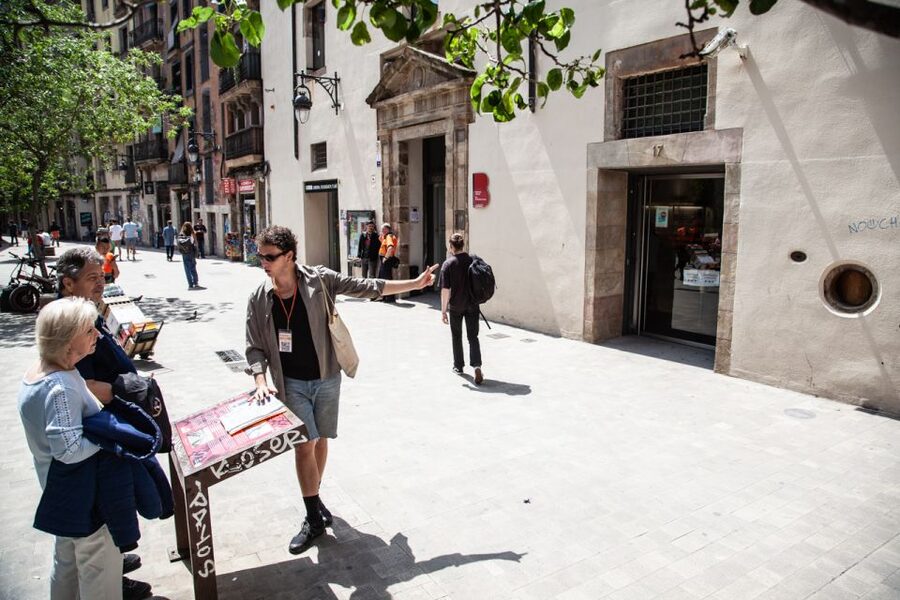
The tour starts outside the Parròquia de Sant Pere Nolasc Mercedaris by Plaça de Castella. The square is a good “baseline” for the rest of your walk: you see normal Barcelona life up front, then your guide starts turning the lights down on what this neighborhood has survived.
This opening matters because El Raval can feel like a lot at once. A guide gives you a map for the mood. If you’re the kind of traveler who likes your dark history grounded in exact places, this start helps you connect the dots fast.
Casa de Misericòrdia: Mercy for Abandoned Children, and the Haunting Stories
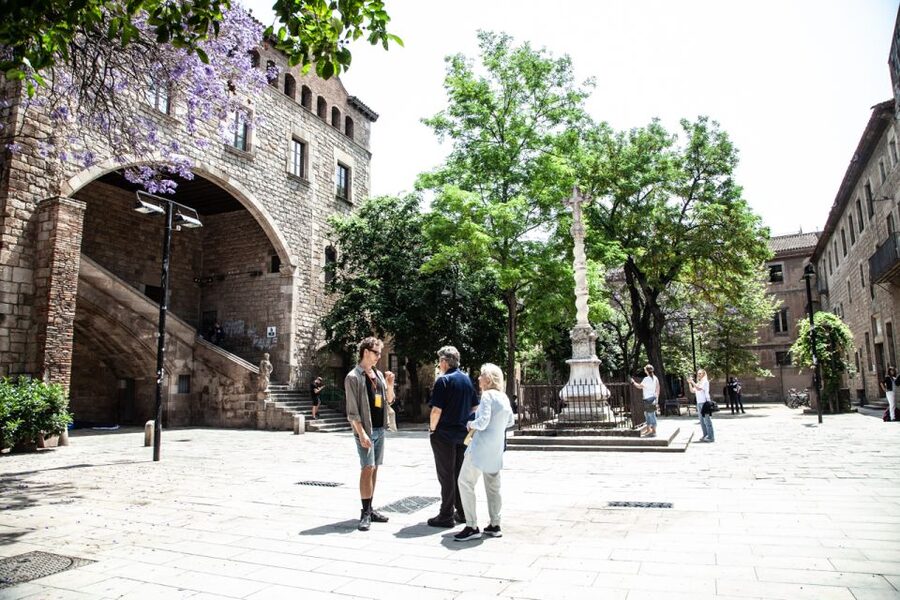
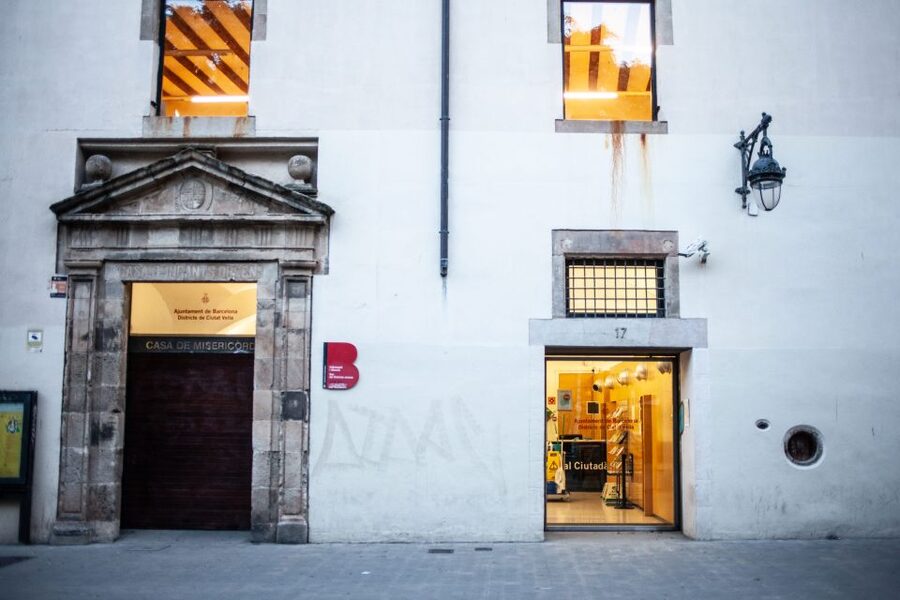
The first major stop is the Fundació Privada Casa de Misericòrdia de Barcelona. Here, the tour focuses on the house of mercy that once handled one of society’s harshest realities: children abandoned with nowhere else to go.
What I like about this stop is that it’s not just “ghost story time.” You get the sense that the building did real work for vulnerable kids, even as darker legends grew around it. The tour’s tone turns eerie when it mentions stories of abandoned children and the idea that some still move through the halls in legend.
Practical note: this is a story-heavy stop. If your group needs more visuals than talk, you’ll still find the setting helpful, but you’ll want comfortable shoes because you’ll be moving soon after.
More Barcelona streets to take slowly



MACBA Area and Carrer de Joaquín Costa: Art, Skate Culture, and Street-Level Barcelona
As you walk through the Raval’s tighter lanes, the route connects you to the MACBA area, described as a skater’s paradise. Even if you’re not a skater, this is useful context. It shows how Raval works today: art, youth energy, and street expression side by side.
The guide also takes you along Carrer de Joaquín Costa, which helps shift the tour from “old stone legends” to the more present-day texture of the neighborhood. This stretch is where El Raval stops feeling like a themed set and starts feeling like a working part of Barcelona.
Keith Haring’s Mural del SIDA: Whimsical Stick Figures With a Real Message
One of the tour’s most memorable moments is the Mural del SIDA by Keith Haring. The idea here is simple but powerful: the figures look playful at first glance, then you realize the message is political and heavy.
This stop works for two reasons. First, you’re seeing street art tied to a specific name and artist, not just random graffiti. Second, the guide frames the mural so it lands as part of Raval’s bigger story about how people use public walls when institutions fail them.
If you care about Barcelona beyond the postcard classics, this is the kind of detail that makes you slow down. You’ll likely look longer than you planned, just to catch the symbolism the guide points out.
The Vampire of Raval Stop: Legend at a Real Address
Then comes the tour’s spooky pivot: you visit the place the Vampire of Raval used to live. The story revolves around the question the guide sets up for you: do vampires ever die? The tour’s answer is less about folklore rules and more about how long real fear can echo in a neighborhood.
This part is where good guiding really shows. The route doesn’t just throw a horror plot at you. It uses the location to explain why these legends take root, how rumor spreads, and how urban streets can become memory machines.
Tip for your brain: treat it like social history. When a guide talks about a serial-killer legend, listen for what changed in the community around those events, not only the shock of the story.
Old Hospital de la Santa Creu: Stone, Garden Legends, and the Theater of the Dark
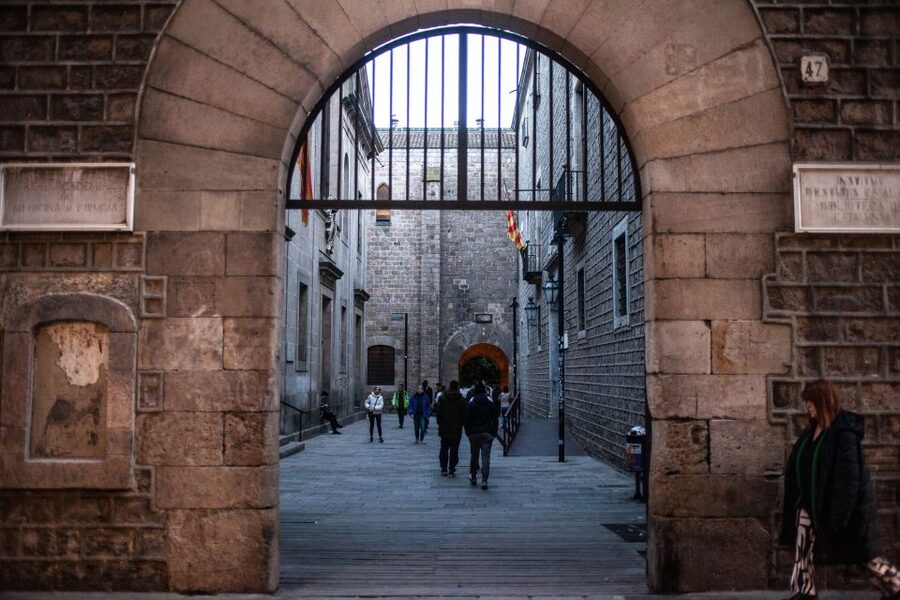
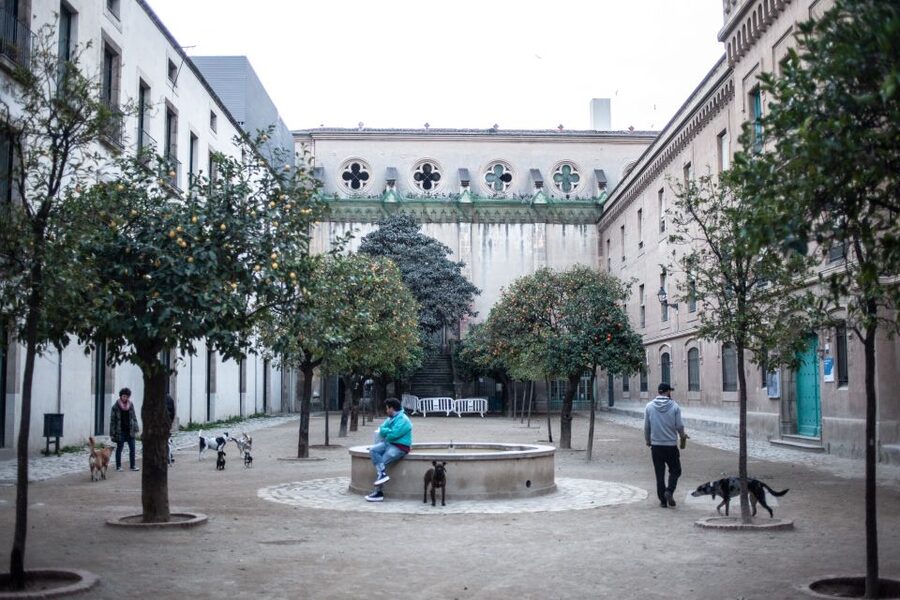
Next is the Old Hospital de la Santa Creu. This isn’t a quick photo stop. You get to wander the grounds and visit a garden area connected to stories of shows and spells with macabre themes.
I love that the tour uses the hospital setting to expand your idea of what “dark history” means. Yes, there’s fear and legend. But there’s also the older European habit of staging morality plays, punishments, and spectacles in places that served public needs.
A small drawback: because this stop includes walking around grounds and hearing story beats, it can feel slower than the street sections. If you get restless on slower stops, just remember it’s one of the places where the atmosphere does most of the talking.
More of the old Barcelona to walk
- Barcelona: Tapas Walking Tour with Food, Wine, and History★ 4.8 · 4,261 reviews
- Barcelona Tapas Walking Tour: Food, Wine & History★ 4.5 · 1,928 reviews
- Barcelona: 2.5-Hour Bike or E-Bike Historical Tour★ 4.5 · 1,262 reviews
Bar Marsella: From La Rambla de Raval to the Oldest Bar in Town
After the hospital grounds, the tour passes next to La Rambla de Raval and heads to Bar Marsella. This stop is one of those “yes, you’re on a dark tour, but life still goes on” moments.
Bar Marsella is presented as the oldest bar in town, with a history dating back over 200 years. The guide also points out that it became a preferred watering hole for creative heavyweights like Dalí, Gaudí, Picasso, and others. Even if you don’t drink alcohol, it’s still a great place to understand Barcelona’s social side: where artists met, talked, and took breaks from their work.
This is also a good mental reset. You go from “spells and stone” to everyday chatter, just a few streets away.
Sant Pau del Camp: Barcelona’s Oldest Church and Its Troubled Legend
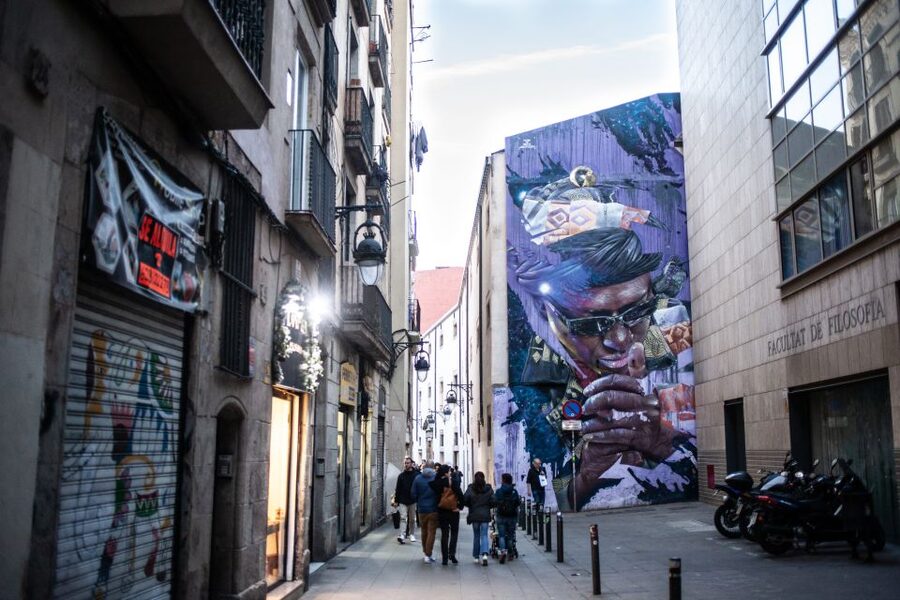
Near the end, you reach Sant Pau del Camp. This church is described as Romanesque and over 1,000 years old, making it Barcelona’s oldest church.
What makes this stop valuable is the way the tour ties architecture to story. The guide explains that Sant Pau del Camp isn’t only old; it also carries a troubled past connected to local legend. So you’re looking at an ancient building with context, not just dates on a plaque.
If you like your history to feel lived-in, this is a great place. The building’s age gives weight to whatever story you’re hearing, and it’s a quieter shift before your finale.
Jardins de les Tres Xemeneies and The Three Chimneys: A Modern Ending With Street Art Nearby
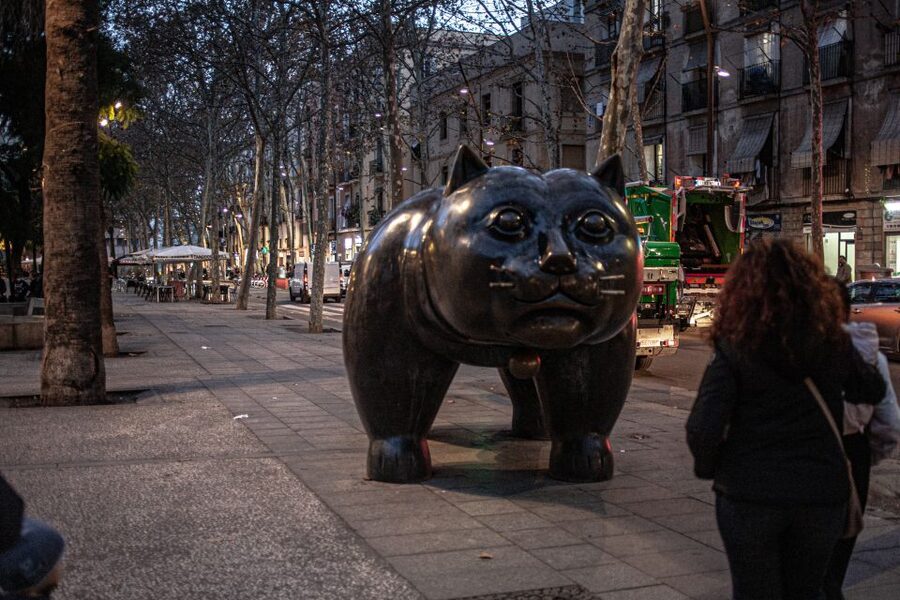
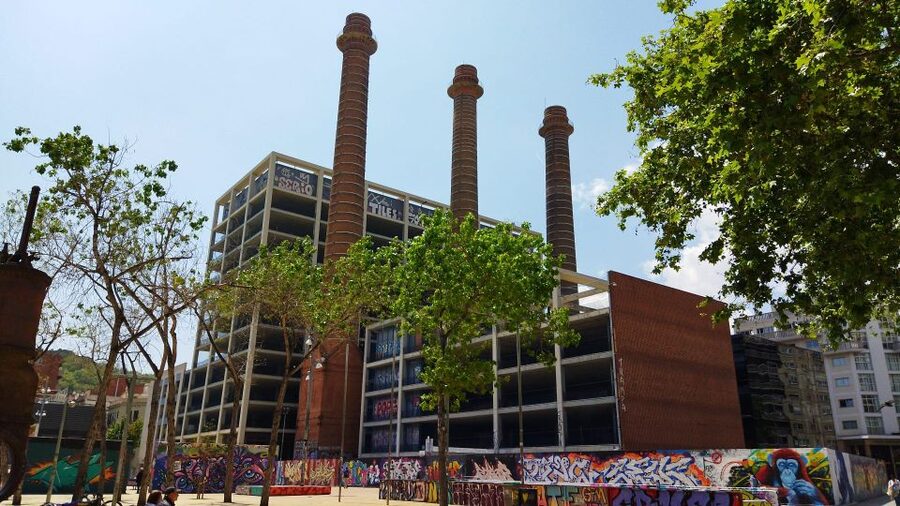
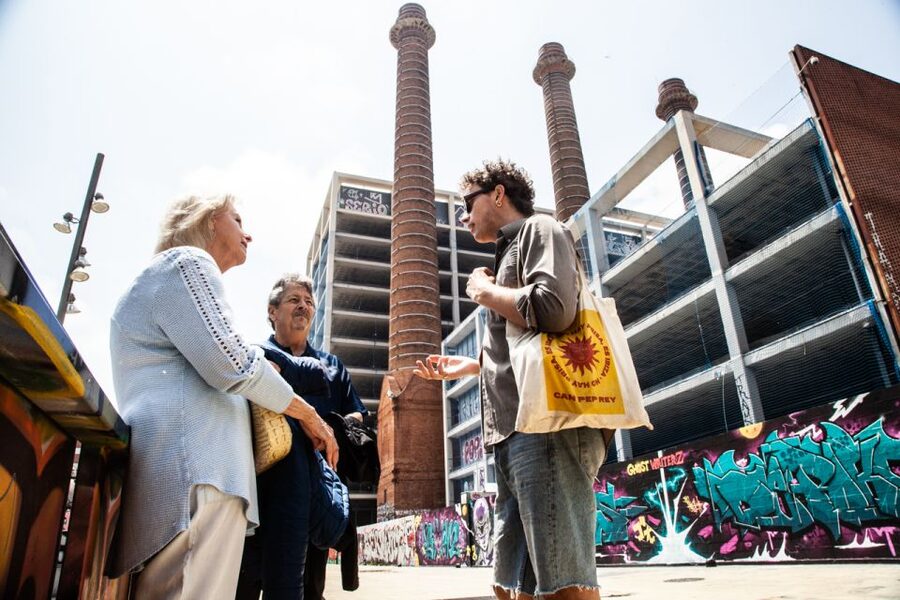
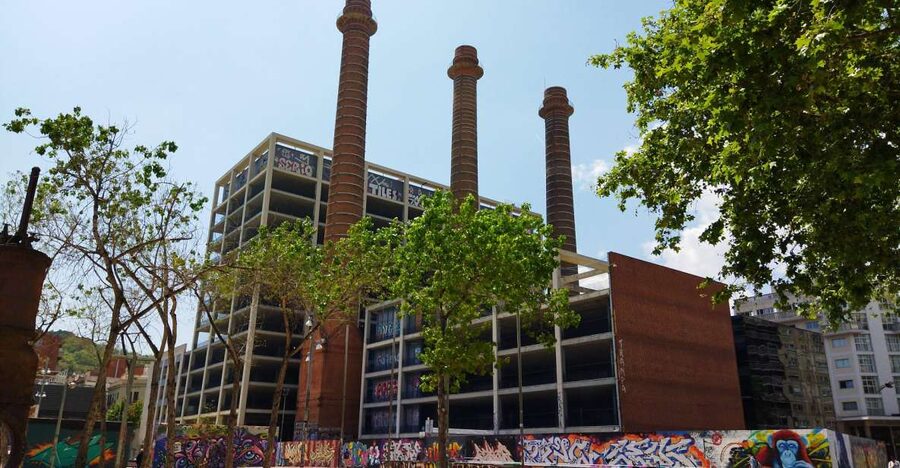
The tour finishes around Jardins de les Tres Xemeneies, with a stop at The Three Chimneys area. The guide connects it to the south side’s story and to the neighborhood’s evolving look, including street art near a former power factory.
This ending is practical and visual. You’ve spent two hours absorbing dark tales and old institutions, then you end at a spot where the city has turned industrial leftovers into public space. The street art element also keeps the tour balanced: it shows what Raval does now with its walls and surfaces.
If you’re staying in Barcelona a few days, finishing here is useful because it’s the kind of place you can return to on your own. You’ll have a sense of where you are and why it matters.
Price and Logistics: What $33 Buys in 2 Hours
At $33 per person for about 2 hours and around 2 miles at a leisurely pace, this tour is priced like a guided specialty walking experience. In plain terms: you’re paying for a guide to connect spooky legends to exact buildings, murals, and streets you’d otherwise walk past.
You also get live English guiding and an explicitly wheelchair accessible route. That matters because Raval’s streets can be uneven, and a guided route reduces the stress of figuring it all out on your own.
A couple of value notes:
- The stops are varied: legend spots, art, historic institutions, and a real social landmark (Bar Marsella).
- You’re not just seeing buildings; you’re getting the story logic that makes the locations click.
Since the tour runs rain or shine, you don’t have to plan your entire day around weather. If extreme weather forces cancellation, you get a full refund.
What the Best Guides Do Here: Storytelling That Stays Organized
The tour’s rating around 4.8 lines up with what matters most on a dark-history walk: a guide who can keep the energy up while staying organized. One guide name that comes up is Andreas, praised for an informative yet fun balance. Another is Owen (Eoghan), described as vivid and exciting in how he tells the locations’ stories.
You don’t need a theatrical performance to enjoy a tour like this. You do need clarity and pacing. When the guide links each location to the next, the whole neighborhood starts to feel like one big timeline instead of random stops.
Who This Tour Suits Best (and Who Might Want a Different Pace)
I think this tour fits you if you like:
- Urban legends that point to real places
- Street art with a message, especially Keith Haring’s kind of work
- Historic Barcelona that goes past the big-name sights
- A short walk that still includes major anchors like Sant Pau del Camp and Bar Marsella
It may be less ideal if you want a purely architectural walk with no dark storytelling. Also, if you’re not comfortable hearing about abandonment or serial-killer-linked legend material, you’ll likely want a gentler tour type.
Should You Book This Barcelona Dark History Walking Tour in El Raval?
I’d book it if you’re curious about how Barcelona’s neighborhoods carry their past in public space. The route gives you a mix of legend + art + old institutions, and the guide’s job is to make that mixture make sense.
I wouldn’t book it if you want a soothing evening stroll or if spooky topics will distract you from enjoying the city. But if you can handle darker themes, this is a strong way to understand El Raval without getting lost in the wrong assumptions.
If you’re the kind of traveler who loves learning how a place got the way it is, this tour gives you that cause-and-effect feeling in just two hours.
FAQ
How long is the Barcelona Dark History Walking Tour in El Raval?
It lasts about 2 hours.
Where does the tour start?
You meet outside the Church of Sant Pere Nolasc Mercedaris in Plaça de Castella, 08001, Barcelona.
What is included in the price?
The price includes a guided tour in English.
Is the tour wheelchair accessible?
Yes, the tour is wheelchair accessible.
What does the walking involve?
It covers around 2 miles at a leisurely pace.
Does it run in rain?
Yes, tours run rain or shine. If extreme weather forces cancellation, you get a full refund.
More of Barcelona on Foot
- Barcelona Tapas and Wine Experience Small-Group Walking Tour
★ 5.0 · 5,804 reviews - Barcelona: Tapas Walking Tour with Food, Wine, and History
★ 4.8 · 4,261 reviews - Barcelona: Food Walking Tour with Tapas and Wine
★ 4.9 · 2,180 reviews - Barcelona Tapas Walking Tour: Food, Wine & History
★ 4.5 · 1,928 reviews - Barcelona Helicopter, Sailboat & Old Town Private Walking Tour
★ 5.0 · 1,395 reviews
More Ways to Tour Barcelona
- Barcelona: Casa Batlló Entry with Self-Audioguide Tour
★ 4.7 · 25,359 reviews - Barcelona: 24 or 48-Hour Hop-On Hop-Off Bus Tour
★ 4.4 · 20,872 reviews - Barcelona: Park Guell Guided Tour with Skip The Line Entry
★ 4.7 · 17,563 reviews - Barcelona: Sagrada Familia Skip-the-Line Entry Ticket & Tour
★ 4.8 · 12,789 reviews - Barcelona: FC Barcelona Museum “Barça Immersive Tour” Ticket
★ 4.4 · 10,944 reviews
More Barcelona Tours on Our Radar
- Barcelona: Sagrada Familia Entry Ticket with Audio Guide
★ 4.6 · 105,312 reviews - Barcelona: Park Güell Admission Ticket
★ 4.4 · 76,534 reviews - Barcelona: Casa Batlló Entry with Self-Audioguide Tour
★ 4.7 · 25,359 reviews - Barcelona: Montjuïc Cable Car Roundtrip Ticket
★ 4.5 · 22,368 reviews - Barcelona: Hola Barcelona Public Transport Travel Card
★ 4.5 · 20,985 reviews
Just Rated Around Barcelona


Walking Tours, compared.
 ★ 5.0Barcelona Tapas and Wine Experience Small-Group Walking TourFrom $835,804 reviews
 ★ 4.8Tapas Walking Tour with Food, Wine, and HistoryFrom $784,261 reviews
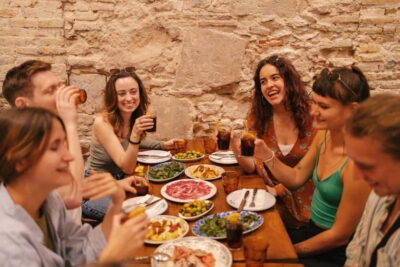 ★ 4.9Food Walking Tour with Tapas and WineFrom $1002,180 reviews
 ★ 4.5Barcelona Tapas Walking Tour: Food, Wine & HistoryFrom $661,928 reviews
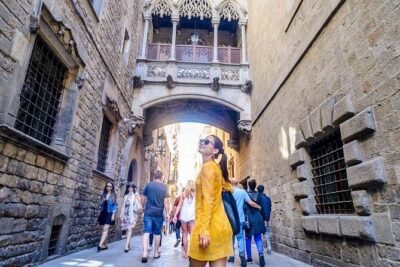 ★ 5.0Barcelona Helicopter, Sailboat & Old Town Private Walking TourFrom $5131,395 reviews
 ★ 4.8Old Town and Gothic Quarter Walking TourFrom $211,393 reviews
 ★ 4.9City Walking Tour with a Local GuideFrom $291,384 reviews
 ★ 5.0Guided Food Walking Tour with Tapas and WineFrom $95848 reviews
Browse the lists this tour appears in