
Reviewed · HISTORICAL TOURS
El Born – Historic Heart of Barcelona
El Born can feel like Barcelona in fast-forward. This guided walk strings together landmark moments from medieval faith to Modernist architecture, with lots of photo opportunities along the way. You also get clear commentary that helps you read what you’re looking at instead of just passing it by.
I really like how this tour keeps things human-scale. With a small group (up to 15), guides like Paulo and Alessio tend to slow down for questions, point out details you would miss, and share practical ideas such as where to eat after the tour.
One thing to plan for: not everything is fully “included.” The Basilica de Santa Maria del Mar has an admission not included note, and the experience doesn’t include snacks or bottled water, so bring a little cash and plan to buy what you need.
In This Review
- Quick hits before you go
- Why El Born Starts at the Arc de Triomf and Ends in Ciutadella Park
- Stop-by-Stop: From Medieval Sant Pere to Palau de la Música Catalana
- Arc de Triomf: your first big photo anchor
- Monasterio de Sant Pere de les Puel.les: medieval Barcelona shows up early
- Palau de la Música Catalana: Modernism with a musical identity
- Mercado de Santa Caterina: tastings and a real local break
- Basilica de Santa Maria del Mar and the 1714 Memorial Chain
- Basilica de Santa Maria del Mar: a major stop, with admission not included
- El Fossar de les Moreres: remembering September 11, 1714
- El Born Centre de Cultura i Memoria: the old market as a memory space
- Ciutadella Park’s Fortress-to-Exposition Story
- What the Guides Actually Add (Beyond Saying Dates)
- Price and Value: Why $21.63 Can Make Sense Here
- Logistics You Should Know Before You Walk
- Who This Tour Fits Best
- Should you book the El Born Historic Heart tour?
- FAQ
- How long is the El Born historic heart tour?
- Where does the tour start and where does it end?
- Is the tour offered in English, and do I get a mobile ticket?
- How big is the group?
- Do I need to pay for any sites during the tour?
- Do I need to bring snacks or water?
- What happens if the weather is bad or I need to cancel?
Quick hits before you go
- Small-group pace: up to 15 travelers means more interaction and fewer lines to deal with.
- Photo-friendly route: you start with the Arc de Triomf viewpoint and keep rolling through good sightlines.
- Modernism + medieval stops: Sant Pere monastery, Palau music space, and Born’s memorial sites in one walk.
- Market time: Mercado de Santa Caterina gives you a chance to taste local food and use the facilities.
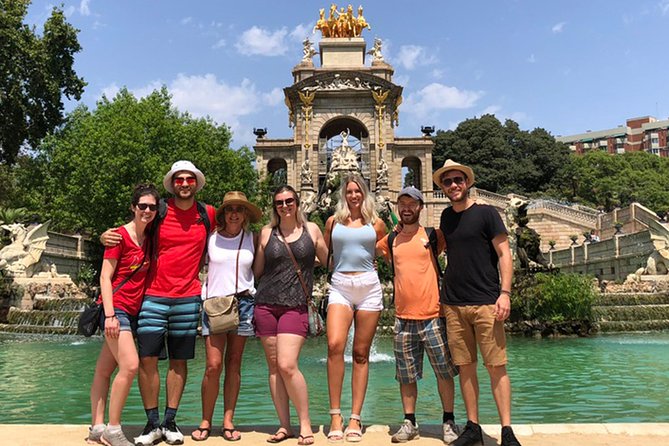
- A meaningful ending: you finish in Ciutadella Park, with the 1888 Exposition story attached to where you’re standing.
Why El Born Starts at the Arc de Triomf and Ends in Ciutadella Park
This walk is smart because it doesn’t just list sights. It uses a clear beginning and ending so your brain can map the neighborhood without effort.
You meet at Arc de Triomf, a landmark built for 1888. Even if you have seen it from afar, being there first helps you get oriented fast. From that initial view, the guide sets the tone and connects what you’ll see later to how Barcelona grew and changed.
By the time you finish in Ciutadella Park, the whole area makes more sense as a city story, not a random set of stops. The park is linked to the post–War of Succession fortress period and later became central to the 1888 Universal Exposition. It’s the kind of historical context that makes the city feel connected, not chopped up.
More of the old Barcelona to walk


Stop-by-Stop: From Medieval Sant Pere to Palau de la Música Catalana
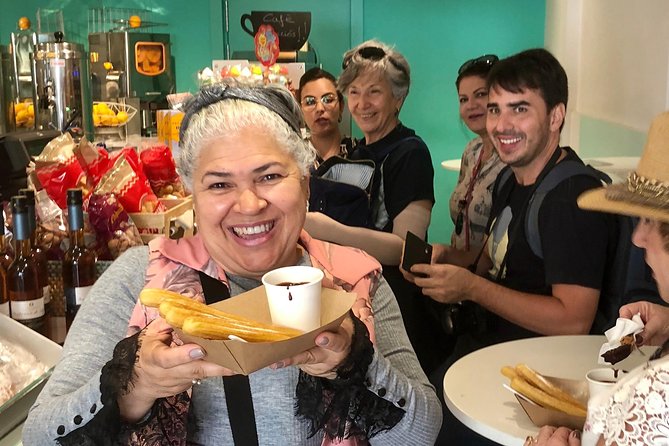
The pacing is light but steady, with each stop around 15–20 minutes. That’s enough time to look, hear the key context, and take pictures without rushing like you’re in a sprint.
Arc de Triomf: your first big photo anchor
The tour starts with a quick orientation and a view of the Arc de Triomf. This is a good place to settle into the route, especially because the area is visually distinctive. You’re also set up for an easy flow into the older streets nearby.
Monasterio de Sant Pere de les Puel.les: medieval Barcelona shows up early
Next you step into the Monastery of Sant Pere de les Puel.les, described as dating back to 945 AD. Even if you are not a church-history fanatic, this stop works because it frames how religion shaped medieval daily life in Barcelona. It’s also a quick way to slow down and notice architectural choices that long pre-date the tourist zone.
Practical note: it’s a stop built for looking and listening. Don’t plan to eat here or expect long interior time. Come ready to read details.
Palau de la Música Catalana: Modernism with a musical identity
Then comes one of the biggest contrasts on the walk: Palace of Catalan Music, a UNESCO modernist landmark tied to musical culture. This is where the tour turns visual. The architecture is the main character, and the guide helps you appreciate the style in plain terms.
If you’ve only seen Barcelona Modernism from the outside, this stop helps you spot why it’s more than decoration. You learn what makes it Catalan, not just fancy.
- Barcelona: Hola Barcelona Public Transport Travel Card★ 4.5 · 20,985 reviews
- Barcelona: 24 or 48-Hour Hop-On Hop-Off Bus Tour★ 4.4 · 20,872 reviews
- Barcelona: Park Guell Guided Tour with Skip The Line Entry★ 4.7 · 17,563 reviews
Mercado de Santa Caterina: tastings and a real local break
After the monuments, you land at Mercado de Santa Caterina, one of the easiest and most rewarding “people-watching” stops on the route. You can try tapas and drinks here, plus there’s time to use the toilet.
This is the kind of pause that keeps the tour fun. It also helps you shift from history mode to day-to-day city rhythm. If you’re planning ahead, make sure you come with some spending flexibility for snacks and drinks. (Snacks and bottled water aren’t included.)
Basilica de Santa Maria del Mar and the 1714 Memorial Chain
This is the part of the tour where the walking turns more emotional, not just educational. The guide connects faith, civic identity, and later events that shaped Catalonia’s modern story.
Basilica de Santa Maria del Mar: a major stop, with admission not included
You visit Basilica de Santa Maria del Mar, described as the most important basilica in the old town. It’s known for a story tied to Barcelona’s perseverance and faith, and the stop includes listening and photos.
Important planning point: admission is not included. If this basilica is a must for you, treat it like a planned add-on cost and bring a bit of extra cash or card readiness.
El Fossar de les Moreres: remembering September 11, 1714
Next you reach El Fossar de les Moreres, a monument tied to Barcelona’s tragic defeat on September 11, 1714. This isn’t “quick photo and move on” material. It’s a stop where you’ll want to slow down, let the story settle, and notice the gravity of the place.
The value here is that the tour doesn’t throw dates at you and leave. The commentary helps you understand why a monument like this still matters when you’re walking past it on a normal day.
El Born Centre de Cultura i Memoria: the old market as a memory space
You then enter El Born Centre de Cultura i Memoria, formerly an old market now converted into a museum. The focus is on seeing medieval Barcelona and understanding the defeat of 1714.
Even with a short time window, you’ll likely leave with a clearer mental picture of how the neighborhood fits into the larger Catalan narrative. It’s also a practical “wrap-up brain reset” after the memorial stop—your understanding becomes visual.
Ciutadella Park’s Fortress-to-Exposition Story
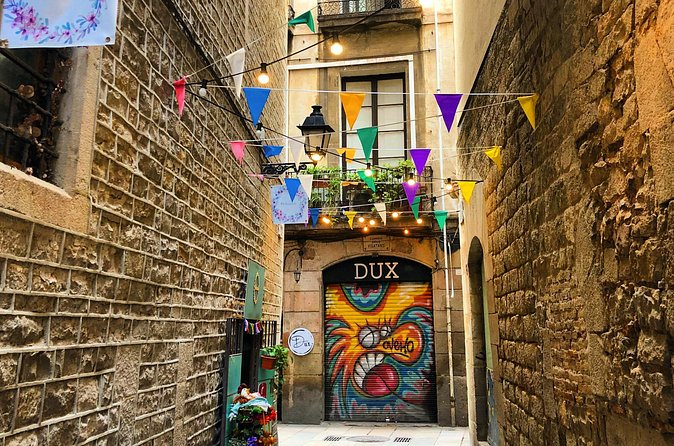
You end in Parc de la Ciutadella, which feels like a reward after the tight streets of El Born. The park began as a fortress area built after the War of Succession, then later transformed into a park that became the heart of the 1888 Universal Exposition.
I like ending here for one simple reason: you get breathing room. A park finish helps you decompress, scroll through your photos, and decide what you want to do next with more energy.
It’s also a smooth transition because your route lines up with the promenade connection that links back toward Arc de Triomf, so you can picture how you moved across the city.
What the Guides Actually Add (Beyond Saying Dates)
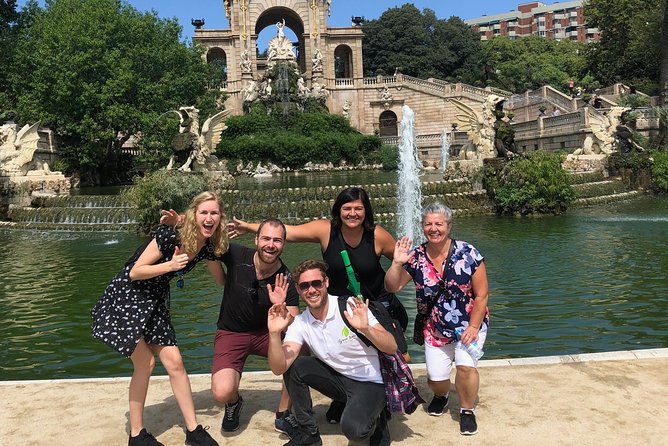
This tour works because the guide’s job isn’t just reciting history. It’s translating it into street-level meaning: what a landmark is for, why it looks the way it does, and how that connects to modern Barcelona.
From what I’ve seen with guides such as Paulo and Alessio, the best part is the storytelling tone. Paulo, for example, has a reputation for energetic, animated explanations that turn points of history into something you can visualize on the spot. There’s also a strong emphasis on food and practical suggestions. In one example, guide tips can include pointers like the best croissant in Barcelona, plus a list of restaurant recommendations included with the experience.
Alessio, similarly, is described as passionate and competent, with a focus on hidden history details and food anecdotes that keep the tour from feeling like a museum lecture. That fits exactly what you want on a walk like this: small doses of context, then immediate payoff in the next street view.
And because the group size is small, you’re not just listening while standing behind someone else’s shoulder. The tour format makes it easier to ask, react, and connect the dots.
Price and Value: Why $21.63 Can Make Sense Here

At $21.63 per person, the biggest value isn’t a single sight. It’s the bundle: a guide, a structured route through multiple eras, and time in a market plus a museum-style stop.
Most stops list admission ticket free, including:
- Arc de Triomf
- Monasterio de Sant Pere de les Puel.les
- Palace of Catalan Music
- Mercado de Santa Caterina
- El Fossar de les Moreres
- El Born Centre de Cultura i Memoria
- Parc de la Ciutadella
The one clear exception is Basilica de Santa Maria del Mar, where admission is not included. So the value math is: you’re paying for a guided experience across many free (or free-listed) stops, then you handle the one paid entry separately.
Duration matters too. At about 2 hours 30 minutes, it’s long enough for real context and short enough to fit into a busy Barcelona day. If you only have limited time in the city, this is a strong way to “learn the places that locals go to,” especially since the market stop gives you that day-to-day feeling.
One more practical factor: it’s commonly booked about 77 days in advance. That’s a hint to plan ahead rather than assuming you’ll find a last-minute spot on a whim.
Logistics You Should Know Before You Walk

This experience is offered in English, uses a mobile ticket, and runs with a maximum of 15 travelers. Confirmation comes at booking time, and the tour is described as near public transportation, which is helpful for fitting it into the rest of your itinerary.
You’ll start at Arc de Triomf (Passeig de Lluís Companys, Ciutat Vella) and finish inside Ciutadella Park (Passeig de Picasso, 21, Ciutat Vella). The pairing of those two points makes the route feel like a guided thread instead of a hopscotch set of destinations.
Also: service animals are allowed. And the tour is listed as suitable for most travelers. The bigger “watch-out” is that the experience requires good weather. If you’re visiting in rainy season, keep a flexible mindset.
What to bring:
- Comfortable shoes (El Born streets are not built for dress shoes)
- A little cash for market tastings
- Extra money for Santa Maria del Mar admission if you want to go inside
- Water and snacks you can tolerate if you get hungry mid-walk (snacks and bottled water are not included)
Who This Tour Fits Best
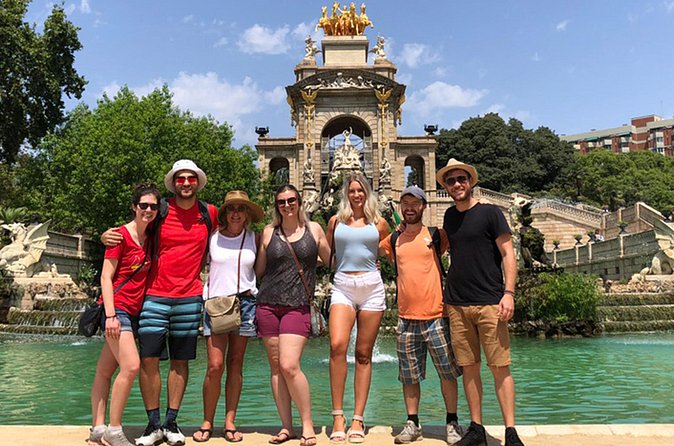
This is a great match if you:
- Want more than a quick sightseeing lap and prefer explanation that makes the city readable
- Like walking through neighborhoods that feel lived-in (especially the market stop)
- Appreciate architecture from different periods, including medieval structures and Modernism
- Travel in a way where a small group matters—less noise, more interaction
If you’re the type who wants to hit only top-ticket attractions and skip the in-between streets, you might find parts of the tour slower than expected. But if you like stories that connect buildings to real Barcelona identity, the pacing and variety work well.
Should you book the El Born Historic Heart tour?
I’d book it if you want an efficient, guided way to understand El Born—its architecture, its memorial sites, and its market-day energy—without wasting time trying to figure it all out alone.
Skip it (or at least think twice) if you hate walking for photo stops, or you strongly prefer tours that include refreshments and everything paid up front. Here, you’ll likely add some spending for tastings and handle Santa Maria del Mar admission.
FAQ
How long is the El Born historic heart tour?
It runs for about 2 hours 30 minutes.
Where does the tour start and where does it end?
It starts at Arc de Triomf on Passeig de Lluís Companys in Ciutat Vella, and it ends inside Ciutadella Park on Passeig de Picasso, 21.
Is the tour offered in English, and do I get a mobile ticket?
Yes, the tour is offered in English and you’ll receive a mobile ticket.
How big is the group?
The tour has a maximum of 15 travelers.
Do I need to pay for any sites during the tour?
Most stops are listed as ticket free, but the Basilica de Santa Maria del Mar has admission not included.
Do I need to bring snacks or water?
Snacks and bottled water are not included, so it’s smart to plan to buy or bring what you need.
What happens if the weather is bad or I need to cancel?
The tour requires good weather. If it’s canceled due to poor weather, you’ll be offered a different date or a full refund. You can cancel for a full refund up to 24 hours before the experience starts.
The Old Barcelona on Foot
- Barcelona: Tapas Walking Tour with Food, Wine, and History
★ 4.8 · 4,261 reviews - Barcelona Tapas Walking Tour: Food, Wine & History
★ 4.5 · 1,928 reviews - Barcelona: 2.5-Hour Bike or E-Bike Historical Tour
★ 4.5 · 1,262 reviews - Barcelona Erotic Museum – Explore Art, History & Fun
★ 4.4 · 450 reviews - Private Jewish Heritage Journey by Barcelona Dreaming
★ 4.8 · 383 reviews
More Barcelona Tours on Our Radar
- Barcelona: Sagrada Familia Entry Ticket with Audio Guide
★ 4.6 · 105,312 reviews - Barcelona: Park Güell Admission Ticket
★ 4.4 · 76,534 reviews - Barcelona: Casa Batlló Entry with Self-Audioguide Tour
★ 4.7 · 25,359 reviews - Barcelona: Montjuïc Cable Car Roundtrip Ticket
★ 4.5 · 22,368 reviews - Barcelona: Hola Barcelona Public Transport Travel Card
★ 4.5 · 20,985 reviews
Just Rated Around Barcelona





Historical Tours, compared.
 ★ 4.8Tapas Walking Tour with Food, Wine, and HistoryFrom $784,261 reviews
 ★ 4.5Barcelona Tapas Walking Tour: Food, Wine & HistoryFrom $661,928 reviews
 ★ 4.52.5-Hour Bike or E-Bike Historical TourFrom $281,262 reviews
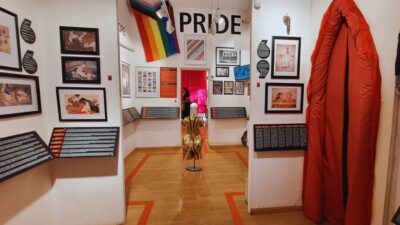 ★ 4.4Barcelona Erotic Museum – Explore Art, History & FunFrom $17450 reviews
 ★ 4.8Private Jewish Heritage Journey by Barcelona DreamingFrom $94383 reviews
 ★ 5.0Andorra Original History and Sightseeing Tour (Private, Pickup)From $240350 reviews
 ★ 4.8Dark History Night Walking TourFrom $24344 reviews
 ★ 4.5Tarragona and Sitges Small Group Tour – Roman History & CultureFrom $119339 reviews
Browse the lists this tour appears in