
Reviewed · GIRONA DAY TRIPS
Girona Film Museum – Entrance
One museum that plays like a time machine. The Girona Film Museum traces 500 years of images, from early “how light became story” to the arrival of television. I especially like the interactive displays (yes, you can push buttons and see how the tricks work) and the flow that starts with a short intro video so you’re oriented fast. One small catch: it’s a film-history museum, so if you only want modern cinema hype, you may feel slightly out of your depth.
For most people, this is an easy win: the ticket is mobile, the experience is offered in English, and you can typically take your time for about 1 to 5 hours. It’s also close to public transport, and service animals are allowed, which makes it more comfortable for a wide range of visitors.
Price-wise, $8.40 is low enough that you won’t feel like you must rush. And at an average booking window around 14 days in advance, I’d still grab your spot ahead of time so you’re not squeezing it into your last day in Girona.
In This Review
- Key highlights you’ll feel right away
- Girona Film Museum: A simple ticket with a surprisingly big story
- What the ticket actually gets you (and why that matters)
- Step 1: Cinema Museum Girona (Museu del Cinema) and its 4-floor timeline
- The way the visit starts: get your bearings first
- The floors: from early projection to later screen culture
- What you’ll likely notice as you go down the levels
- Interactive displays and magic-lantern style experiments
- The audio guide and short video moments: how you’ll absorb it
- Mobility and pacing: plan around lifts and time, not your energy
- Is it worth $8.40? My value take
- Who should book this museum ticket?
- Where to place it in your Girona day
- Should you book Girona Film Museum tickets?
- FAQ
- How much is the Girona Film Museum entrance?
- How long should I plan for the visit?
- Is the museum experience offered in English?
- Do I need a printed ticket?
- Are service animals allowed?
- Is there free cancellation?
- Do I get confirmation when I book?
Key highlights you’ll feel right away
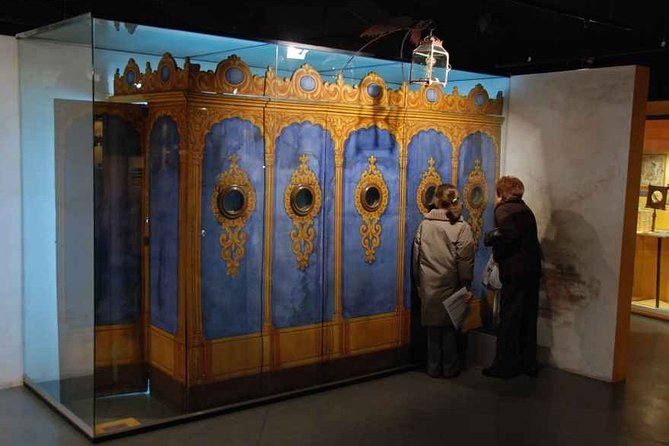
- A 500-year timeline of moving images, not just a pile of old posters
- Short intro video to set context before you go floor to floor
- Magic-lantern-style experiences and other pre-motion picture instruments
- Interactive elements that show how cinema techniques are made
- Audio support included, plus lots of short video moments
- Lifts available, so mobility issues should be manageable
Girona Film Museum: A simple ticket with a surprisingly big story
Girona doesn’t only do medieval lanes and riverside views. It also has a film museum that treats cinema like a craft—how people learned to capture light, build frames, and turn spectators into part of the show. For $8.40, you’re not paying for a few rooms and a souvenir shop. You’re paying for a guided-by-design layout through centuries of image-making.
The best part is that the museum doesn’t assume you already know the technical stuff. You start with an intro that frames what you’re about to see, then the displays carry you forward step by step. The result is that even if you’re not a “film nerd,” you still get the why behind it: this stuff mattered because it changed what people could imagine.
More days out to Girona's old town




What the ticket actually gets you (and why that matters)
This is an entrance-style visit with admission included. That means you’re not locked into a rigid, hour-by-hour group tour script. You can follow the museum’s timeline at your own pace, stop for the interactive stations when they catch your eye, and linger over the parts that fit your interests.
A few practical points that affect your day:
- Mobile ticket: You’ll want your phone ready at check-in. No printed voucher required.
- English option: The experience is offered in English, so you should be able to follow along without guessing.
- Time window (1 to 5 hours): That range is realistic here. Some people move quickly; others spend extra time at the interactive elements and screens.
Also, I like that you can participate easily. The museum isn’t described as limited to a narrow “only professionals” crowd. It’s set up for both general visitors and people who want to read the machinery.
Step 1: Cinema Museum Girona (Museu del Cinema) and its 4-floor timeline
At the heart of this visit is the Cinema Museum Girona, housed in a former industrial-era building (it’s described as being in the old casa de les Aigues). The museum’s design is built around the idea that film didn’t appear out of nowhere—it grew from earlier ways of entertaining and projecting images.
The way the visit starts: get your bearings first
Right when you enter, you begin with a short introductory film on the first level. Think of it as the museum’s “set your expectations” moment. You’re not just thrown into artifacts; you’re given a sense of the arc: images → motion → cinema language → television.
Then the museum guides you floor-by-floor through the years of cinematography. One useful detail for planning your time: an intro happens early, then lifts help you get to upper levels before you descend through the timeline. That makes the visit easier to manage, especially if you don’t want to bounce up and down stairs.
The floors: from early projection to later screen culture
The museum is organized across multiple levels, described by visitors as covering four floors and moving through eras—from early moving-image experiments through around the 1970s, and onward into the television era. You’ll see how techniques evolved and how people became fascinated with sequences of images.
If you like “how it works” more than “when it happened,” you’ll probably enjoy the structure. It’s not just chronological dates; it’s about methods and audience experience. One review highlights an exhibition on the spectator—how viewing itself became part of the story.
More Girona galleries to duck into
- Girona: Jewish Heritage Guided City Tour and Museum Visit★ 4.8 · 124 reviews
- Dalí 2 Museums, Figueres and House of Portlligat small group from Girona★ 4.5 · 29 reviews
- Dalí Museum and Costa Brava Small Group Tour from Girona★ 5.0 · 26 reviews
What you’ll likely notice as you go down the levels
As you move through, the museum keeps returning to a few themes:
- Capturing light and framing: the basic physics and engineering of images
- Turning still images into motion: pre-cinema devices and early motion ideas
- Making storytelling out of sequences: how cinema language developed
- How later formats changed viewing: especially as television enters the picture
That’s the value. You leave with a clearer mental map of why cinema looked the way it did when it was new.
Interactive displays and magic-lantern style experiments
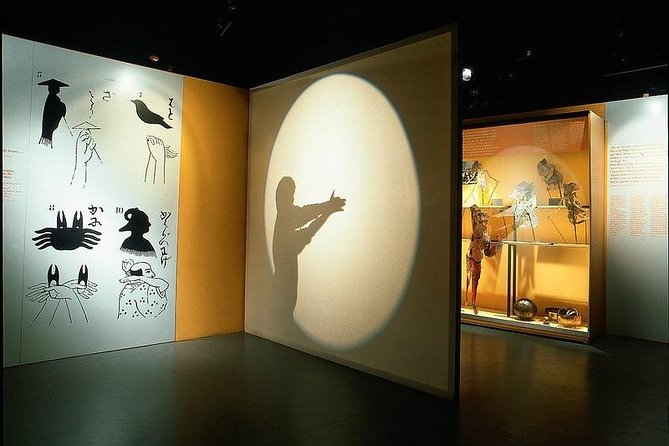
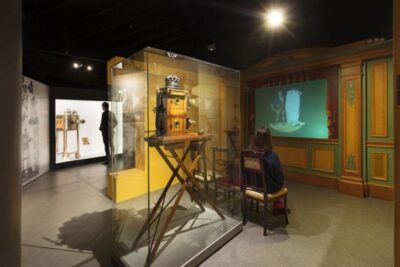
One of the strongest reasons to choose this museum is the interactive emphasis. You’re not only looking at objects behind glass. You can play with digitized versions of older projection concepts and try stations that make the “trick” feel physical.
Visitors repeatedly call out:
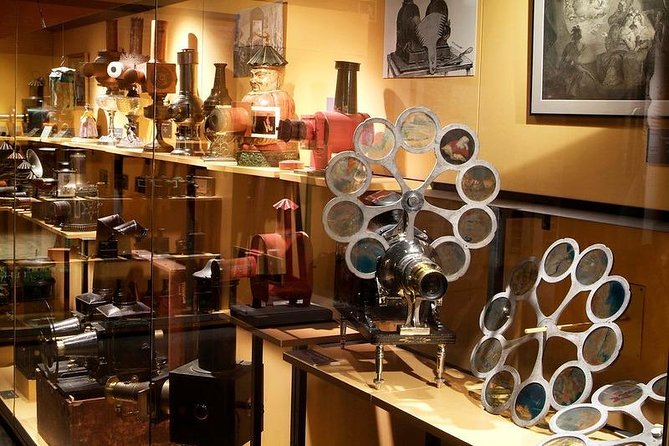
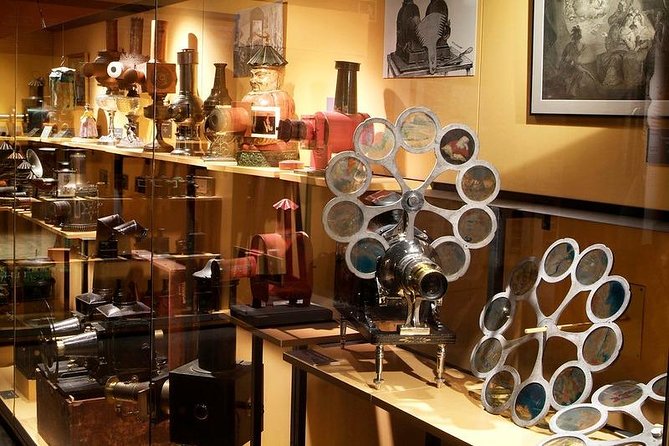
- Pre-motion picture instruments, especially magic-lantern-related material
- Interactive demonstrations that show different techniques for creating visual experiences
- Digitized magic lantern images that make older technology feel less abstract
If you’re traveling with teens, film students, or anyone who enjoys hands-on learning, this is where the museum becomes fun fast. It helps you connect the idea of cinema to the underlying tools, not just to famous movies.
And even if you’re not hands-on, the interactive displays usually come with short video moments or audio explanations. The museum seems to know that not everyone wants to read a wall of text before getting to the interesting parts.
The audio guide and short video moments: how you’ll absorb it
The visit includes an audio guide, and that matters more than people realize. Film history can get technical, and without audio support, you’d be stuck either skimming labels or losing the thread between rooms.
What I like about this setup:
- You’re guided through the story as you move
- You get context for what you’re seeing
- The museum uses short videos so you’re not stuck only with static exhibits
You’ll likely find that the museum’s pacing is built around these quick “watch and connect” moments. It helps if you’re not the type who wants to read every placard.
One more thing: the museum begins with a short intro film on the first level. That’s smart. It reduces confusion because you’re learning the museum’s language (what you’re supposed to look for) before you hit the main displays.
Mobility and pacing: plan around lifts and time, not your energy
Good news on practicality: lifts are available to reach different levels, so mobility issues should be manageable. The visit is set up to use lifts to access upper floors and then descend.
Still, you should plan for walking and standing, because it’s a museum with multiple floors and lots to see. The sweet spot for many people seems to be around 1–2+ hours, depending on how much you pause.
If you want to get value from your ticket, I recommend this approach:
- Spend the first chunk letting the intro video and early floor set your expectations
- Treat the interactive stations as “detours” rather than interruptions
- Leave time for the areas you keep circling back to
The museum’s design supports this. You won’t feel like you’re trapped in a straight line.
Is it worth $8.40? My value take
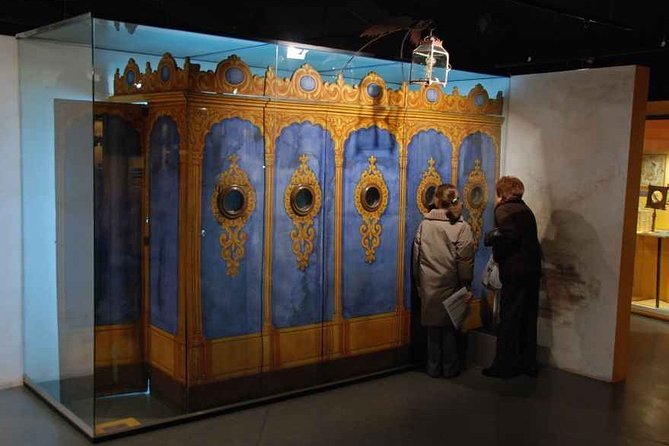
At $8.40, the Girona Film Museum is priced like a low-stress add-on—and it can be one. But where it really becomes good value is when you consider what you get for that price range: an English option, admission included, an audio guide, and interactive exhibits tied to a long timeline.
You’re essentially buying:
- A guided story across centuries of image history
- A chance to engage with projection-style concepts firsthand
- Short films and video clips that connect the dots
- A museum layout that helps you manage pacing with lifts
So yes, it’s cheap. But it doesn’t feel cheap in experience. It feels like a thoughtful museum built for people who want to understand how cinema became cinema.
Who should book this museum ticket?
This is a strong fit if you:
- Love film and want the “behind the scenes” of visual technology
- Enjoy hands-on learning and interactive exhibits
- Are traveling with a teen or student who likes performance, media, or theater
- Want something cultural in Girona that isn’t another church or another view
It may be less ideal if you:
- Want only mainstream, modern movie history
- Prefer museums with large artworks or big paintings
- Want a quick stop with almost nothing to read or watch
But even then, the interactive element and intro video make it hard to end up bored unless film history is completely outside your interests.
Where to place it in your Girona day
You can treat this museum like a flexible anchor. Since the visit ranges roughly from 1 to 5 hours, it can work in several scenarios:
- Morning slot: helps you start with something indoor and educational before Girona gets busy outside
- Midday break: a good reset if you’re walking a lot already
- Last-day option: many people use it as a final cultural stop, because it doesn’t require a long travel commitment
If you’re doing other city sights, try not to schedule it back-to-back with another museum that also demands a lot of reading. Film history is fun, but it’s still history. Give yourself breathing room.
Should you book Girona Film Museum tickets?
I’d book it if you want a smart, budget-friendly museum day with hands-on moments and a clear timeline. For $8.40, it’s one of those rare “small ticket, big payoff” stops—especially if you enjoy cinema as an art and a technology.
If you’re unsure, decide based on one question: do you like learning how things work? If yes, this museum will reward you. If no, you might still enjoy the intro video and visuals, but you could feel like the interactive parts are more “educational play” than “must-see spectacle.”
FAQ
How much is the Girona Film Museum entrance?
The price is listed as $8.40 per person.
How long should I plan for the visit?
Plan for about 1 to 5 hours, depending on how much time you spend on exhibits and interactive stations.
Is the museum experience offered in English?
Yes, it’s offered in English.
Do I need a printed ticket?
No. You’ll use a mobile ticket.
Are service animals allowed?
Yes, service animals are allowed.
Is there free cancellation?
Yes. You can cancel up to 24 hours in advance for a full refund.
Do I get confirmation when I book?
Yes. You receive confirmation at the time of booking.
Girona Galleries to Duck Into
- Girona: Jewish Heritage Guided City Tour and Museum Visit
★ 4.8 · 124 reviews - Dalí 2 Museums, Figueres and House of Portlligat small group from Girona
★ 4.5 · 29 reviews - Dalí Museum and Costa Brava Small Group Tour from Girona
★ 5.0 · 26 reviews - Cadaqués & Dalí House-Museum day trip from Girona (tickets included)
★ 5.0 · 13 reviews - Ticket pass to Girona Cathedral, Sant Felix and Girona Art Museum
★ 4.0 · 11 reviews
More Barcelona Tours on Our Radar
- Medieval Three Villages Small Group Day Trip from Barcelona
★ 5.0 · 994 reviews - Girona: Game of Thrones Small Group Tour
★ 4.9 · 816 reviews - Girona: Small Group Walking Tour
★ 4.8 · 680 reviews - Game Of Thrones Walking Tour in Girona
★ 5.0 · 406 reviews - Girona History and Legends Tour Small Group from Girona
★ 5.0 · 299 reviews
Girona, One More Time
- Girona: Game of Thrones Small Group Tour
★ 4.9 · 816 reviews - Girona: Small Group Walking Tour
★ 4.8 · 680 reviews - Game Of Thrones Walking Tour in Girona
★ 5.0 · 406 reviews - Girona History and Legends Tour Small Group from Girona
★ 5.0 · 299 reviews - Girona History, Legends, and Food Walking Tour with food tasting
★ 5.0 · 195 reviews
Just Rated Around Girona

Girona Day Trips, compared.
 ★ 5.0Girona & Costa Brava Small-Group Tour with Pickup from BarcelonaFrom $1206,955 reviews
 ★ 5.0Montserrat, Girona & Costa Brava Guided Day Trip from BarcelonaFrom $1335,128 reviews
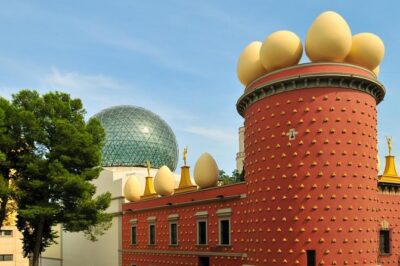 ★ 5.0Girona & Dali Museum Small Group Tour with Pick-up from BarcelonaFrom $1202,965 reviews
 ★ 4.8Girona & Costa Brava Small Group Tour with PickupFrom $1161,938 reviews
 ★ 4.7From Barcelona: Girona, Figueres, Dalí Museum, and CadaquésFrom $701,928 reviews
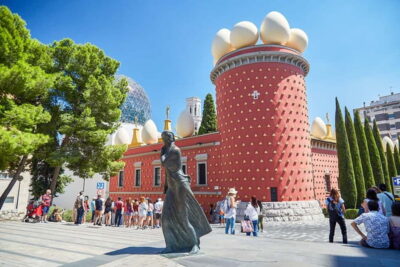 ★ 4.7From Barcelona: Girona&Dalí Museum Day Trip with Small GroupFrom $871,874 reviews
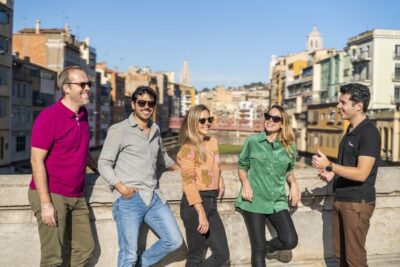 ★ 4.7Montserrat, Girona & Costa Brava Guided Day TripFrom $1291,455 reviews
 ★ 4.5Girona & Costa Brava Small Group Tour From Barcelona with Paella!From $1391,098 reviews
Browse the lists this tour appears in