
Reviewed · GIRONA DAY TRIPS
Girona: Museum of Cinema Entry Ticket
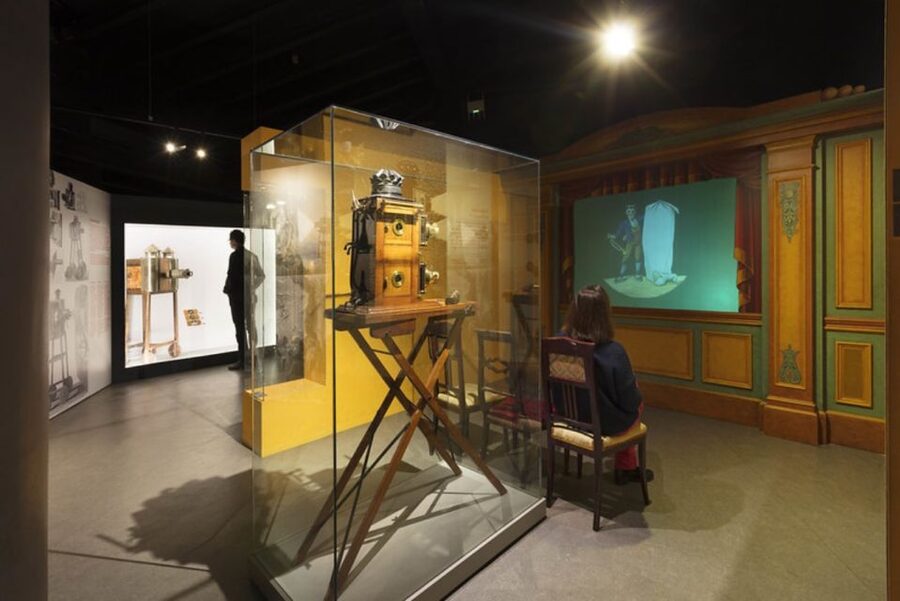
Old gadgets explain how film began. The Museum of Cinema in Girona uses the Tomàs Mallol Collection and smart storytelling to take you from pre-cinema image tricks to the invention of the cinematograph in 1895, all inside a late nineteenth-century building. I also really liked the way the museum builds in interactive moments for families, so kids can touch the ideas without feeling like it’s a classroom.
The entry gives you the permanent displays plus a temporary exhibition, and the whole experience is designed to work for different ages and group types. One thing to keep in mind: the audio guide is web-based, and if your phone struggles with access, you may have to rely more on the panels and printed materials.
In This Review
- Key highlights at a glance
- Girona’s House of Waters: cinema in an unlikely setting
- What you’ll see: nearly 8,000 pre-cinema objects
- The Tomàs Mallol collection: the devices behind the magic
- Permanent vs. temporary exhibitions: one ticket, two moods
- Interactive moments that work for kids (and adults)
- Audioguide and printed materials: use them, but plan for hiccups
- How to structure your visit in one day
- Price and value: why $8 can be a good buy
- Who should book this museum ticket?
- Should you book this Girona Museum of Cinema ticket?
- FAQ
- FAQ
- How long is the Museum of Cinema ticket experience?
- What does the ticket include?
- Where is the museum located in Girona?
- What language options are available for information?
- Is there a free audioguide?
- Is the museum wheelchair accessible?
- Can I cancel, and how late can I cancel?
- Is there a pay-later option?
Key highlights at a glance
- The Tomàs Mallol Cinema-Collection: a focused collection that shows the devices behind moving images
- Nearly 8,000 pre-cinematic objects: a hands-on-feeling path through early visual technology
- Interactive spaces for kids and adults: designed for families and group visits
- Temporary exhibition included: you’re not stuck with only one track of content
- Free audioguide (web access): extra context when you want it
- Library with 4,000+ titles: a sign of how seriously the museum takes research
Girona’s House of Waters: cinema in an unlikely setting
You’re not visiting a glassy modern museum. This one lives in the former headquarters of Girona’s water company, known as the House of Waters, a building from the late nineteenth century. That contrast matters: the museum’s subject is all about how images and technology evolved, and the setting quietly supports that theme.
The museum is a permanent, non-profit institution created from the city’s acquisition of the Tomàs Mallol collection on January 28, 1994. In other words, this isn’t just a set of temporary displays. It’s a long-term effort to conserve, study, interpret, and exhibit objects that explain how images were represented before cinema, and then how the cinematograph arrived in 1895.
If you like cultural places that feel tied to their city—not shipped in from elsewhere—you’ll probably enjoy the vibe.
More days out to Girona's old town




What you’ll see: nearly 8,000 pre-cinema objects
The museum’s core promise is simple: a journey through about 500 years of cinematic history. But what makes it work in real life is the sequencing. You start with the idea that cinema didn’t appear out of nowhere.
Instead, you’ll walk through visual experiments and devices that helped people understand images as something you could show, sequence, and eventually make move. The displays connect the dots between earlier image representation and the technical processes that led to the invention of the cinematograph in 1895.
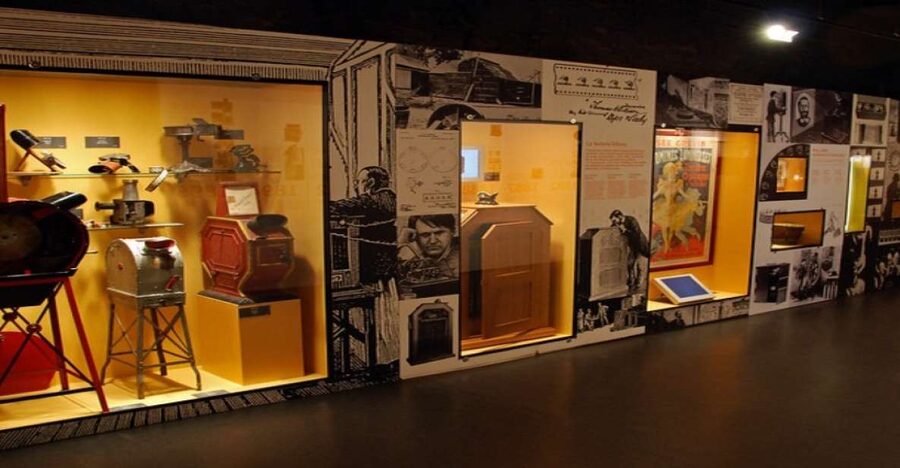
The scale is a big deal. The museum references a collection of almost 8,000 pre-cinematographic objects, so even if you don’t read every label, you’ll still get a strong sense of variety. You’ll see how different cultures and inventors treated light, projection, and optical effects before film became a standard medium.
The Tomàs Mallol collection: the devices behind the magic
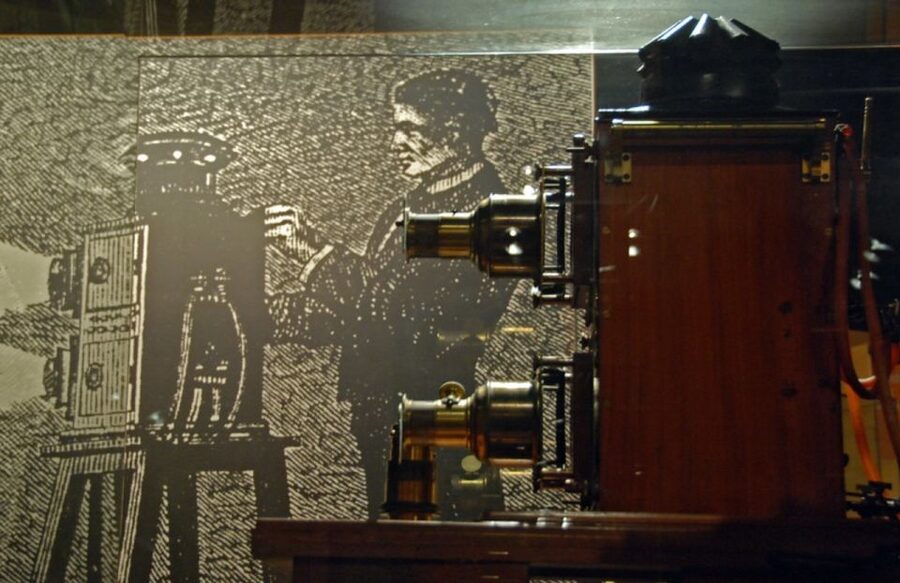
Here’s where the museum earns its “cinema device museum” reputation. The Tomàs Mallol Cinema-Collection is a collection of cinematographic and pre-cinematographic devices, and the exhibits are built to show you how those machines worked as ideas before they became mainstream screens.
This is the type of visit where you don’t just watch history—you figure it out. You’ll spend time noticing how early technology tried to solve the same problems cinema later solved: how to create an image, how to project it, and how to make the illusion of motion believable.
One of the best parts for me is that the museum doesn’t assume you already know the technical vocabulary. Even when objects are complex, the presentation is designed to help a wide audience understand the evolution from earlier visual tricks to cinema’s core mechanics.
Permanent vs. temporary exhibitions: one ticket, two moods
Your ticket covers the permanent exhibition plus a temporary exhibition. That’s a smart value choice because it keeps the day from feeling repetitive.
The permanent side is where the museum can do what it does best: show the long arc of visual technology and the story of how moving images became possible. The temporary exhibition can shift your focus—often these sections add a fresh angle, like new themes, interpretations, or related material from the museum’s broader interests.
In practice, this means you can spend one part of your day “building the timeline in your head,” then finish with a different lens on cinema. If you only have a single day in Girona, this inclusion helps you make that day feel full without rushing.
Interactive moments that work for kids (and adults)
I like museums that don’t treat families like an afterthought. Here, the museum lists activities for both adults in groups and families, and the layout includes spaces that invite interaction rather than just observation.
A solid example: there are areas that keep an eight-year-old engaged without turning the visit into a watered-down experience. The museum’s approach seems to recognize that kids learn well when they can touch ideas—even if they aren’t handling the machinery directly.
Adults benefit too. Interaction slows you down in the good way. You notice details you might otherwise skip, and you start making connections between objects that share the same goal in different ways.
If you’re visiting with children, plan on a little extra time. Those interactive stops add minutes, not because they’re time-wasting, but because they’re doing the learning work for you.
More Girona tickets worth grabbing
- Cadaqués & Dalí House-Museum day trip from Girona (tickets included)★ 5.0 · 13 reviews
- Ticket pass to Girona Cathedral, Sant Felix and Girona Art Museum★ 4.0 · 11 reviews
Audioguide and printed materials: use them, but plan for hiccups
You get an informative brochure in English / French / Catalan and Spanish with your ticket. That’s helpful because Girona visitors may want a language they can read fast.
You also get a free audioguide accessible via a web link. Since it’s web-based, you’ll want to be ready to use your phone and possibly headphones. One nice thing is that audioguides let you move through at your own speed. You can pause, listen, and then return to the galleries without feeling like you missed something.
At the same time, there’s a real-world caution: at least one person had trouble using the audio guide. So if the audio doesn’t load smoothly, don’t panic. Stick with the panels and brochure. The museum is designed to be understandable without relying on audio for every single stop.
Practical tip: if you’re the type who hates fighting with apps on vacation, arrive a few minutes early and check the audioguide link before you step deep into the exhibits.
How to structure your visit in one day
The ticket is valid for 1 day, and starting times depend on availability. That matters because you’ll get more out of the museum when you match your pace to your entry slot.
If you can, I recommend a simple rhythm:
- First pass for the storyline (pre-cinema to cinematograph conceptually).
- Second pass for the objects that catch your eye.
- Temporary exhibition last, so your brain can switch gears.
You can absolutely do this in a single day, especially if you enjoy looking at displays without feeling forced to read every label. The museum’s focus on the evolution of the moving image keeps things coherent.
Also, the building is wheelchair accessible and prepared for people with reduced mobility. That’s important not just as a checkbox; it means you should be able to move comfortably through the spaces without it turning into a logistics puzzle.
Price and value: why $8 can be a good buy
The listed price is $8 per person, which is a strong value for a museum that covers both a permanent exhibition and a temporary exhibition. At this price point, you’re not just paying for one themed room—you’re paying for a whole narrative track plus extra content.
Where the value really shows up is in the subject matter. An object-based museum—especially one tied to early visual technology—can feel either tiny or overwhelming depending on how it’s presented. Here, the museum frames the huge range (nearly 8,000 objects referenced) into a guided understanding of what the world of images looked like before cinema and what technical steps led to 1895.
So yes, the price is good. But the deeper point is that the museum is trying to make the ticket count as an experience, not just an admission fee.
One more cost-related consideration: a person in a recent booking found the museum was free on a Sunday that happened to be the first of the month. That doesn’t mean every Sunday will be free, but it’s a reminder to check the day you’re going. If a free-entry day lines up with your schedule, you’ll feel extra happy about your plan.
Who should book this museum ticket?
This is a great fit if you like any of these:
- Film history, but with the emphasis on the technology behind it
- Early optical and projection devices
- Museums where the exhibits explain the why, not just the what
- Visits that work for families and mixed-age groups
It’s also worth considering if you’re tired of museums that only show posters or still photos. Here, objects matter, and the museum’s goal is to help you understand the technical processes that shaped the moving image.
If you’re only into modern movie stars and recent blockbusters, you might find this more technical and historical than you expect. But if you enjoy how ideas become inventions, you’ll likely have a satisfying time.
Should you book this Girona Museum of Cinema ticket?
If you want one practical activity in Girona that’s different from the usual art-and-stones routine, I think it’s a solid booking. The combination of permanent plus temporary exhibits for around $8 makes it easy to justify, and the museum’s mission is clear: it’s here to explain how images became cinema.
Book it if you’ll enjoy hands-on learning and you like connecting old technology to the modern world. Pass only if you’re strictly looking for contemporary film culture with mainstream “movie” vibes.
FAQ
FAQ
How long is the Museum of Cinema ticket experience?
The experience is listed as lasting 1 day, with you able to use the ticket for that day’s visit.
What does the ticket include?
Your ticket includes entrance to the permanent exhibition and the temporary exhibition.
Where is the museum located in Girona?
It is located in the former headquarters of the city’s water company, a late nineteenth-century building known as the House of Waters.
What language options are available for information?
You get an informative brochure in English, French, Catalan, and Spanish. The audioguide is also available via a web link.
Is there a free audioguide?
Yes. A free audioguide is included and can be accessed through the museum’s web page using the provided link.
Is the museum wheelchair accessible?
Yes. The building is prepared for people with reduced mobility, and the experience is wheelchair accessible.
Can I cancel, and how late can I cancel?
Free cancellation is available up to 24 hours in advance for a full refund.
Is there a pay-later option?
Yes. You can reserve now and pay later to keep travel plans flexible.
More Girona Tickets Worth Buying
- Cadaqués & Dalí House-Museum day trip from Girona (tickets included)
★ 5.0 · 13 reviews - Ticket pass to Girona Cathedral, Sant Felix and Girona Art Museum
★ 4.0 · 11 reviews
More Barcelona Tours on Our Radar
- Medieval Three Villages Small Group Day Trip from Barcelona
★ 5.0 · 994 reviews - Girona: Game of Thrones Small Group Tour
★ 4.9 · 816 reviews - Girona: Small Group Walking Tour
★ 4.8 · 680 reviews - Game Of Thrones Walking Tour in Girona
★ 5.0 · 406 reviews - Girona History and Legends Tour Small Group from Girona
★ 5.0 · 299 reviews
Girona, One More Time
- Girona: Game of Thrones Small Group Tour
★ 4.9 · 816 reviews - Girona: Small Group Walking Tour
★ 4.8 · 680 reviews - Game Of Thrones Walking Tour in Girona
★ 5.0 · 406 reviews - Girona History and Legends Tour Small Group from Girona
★ 5.0 · 299 reviews - Girona History, Legends, and Food Walking Tour with food tasting
★ 5.0 · 195 reviews
Just Rated Around Girona



Girona Day Trips, compared.
 ★ 5.0Girona & Costa Brava Small-Group Tour with Pickup from BarcelonaFrom $1206,955 reviews
 ★ 5.0Montserrat, Girona & Costa Brava Guided Day Trip from BarcelonaFrom $1335,128 reviews
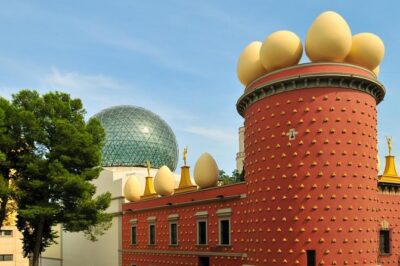 ★ 5.0Girona & Dali Museum Small Group Tour with Pick-up from BarcelonaFrom $1202,965 reviews
 ★ 4.8Girona & Costa Brava Small Group Tour with PickupFrom $1161,938 reviews
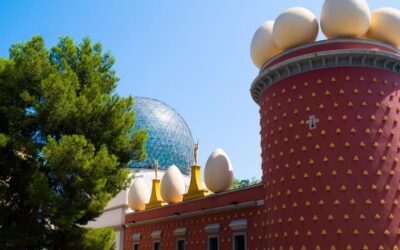 ★ 4.7From Barcelona: Girona, Figueres, Dalí Museum, and CadaquésFrom $701,928 reviews
 ★ 4.7From Barcelona: Girona&Dalí Museum Day Trip with Small GroupFrom $871,874 reviews
 ★ 4.7Montserrat, Girona & Costa Brava Guided Day TripFrom $1291,455 reviews
 ★ 4.5Girona & Costa Brava Small Group Tour From Barcelona with Paella!From $1391,098 reviews
Browse the lists this tour appears in