
A good class in Barcelona should taste like the city. This one pairs hands-on tapas cooking with a guided walk and drinks, all in a small group setting.
I especially like that you don’t just watch. You cook core Spanish tapas, mix your own bubbly cava sangria, and taste craft beers with pairing guidance. One thing to consider: this is a 3-hour session, so it’s more of a big snack-meal and drinks than a full late dinner.
Key takeaways
- Cook 3 tapas with real technique: tortilla de patatas, patatas bravas, and gambas al ajillo are built for learning (not just eating).
- Make cava sangria yourself: you mix a sparkling white version with step-by-step guidance and cultural context.
- Taste 3 local craft beers: microbrew samples come with pairing insights so you learn what makes each bite work.
- Ten-person max, English-led: intimate class size means more attention and easier hands-on practice.
- Walk through the Gothic Quarter area first: you start near Rambla del Raval and get pointed toward recognizable Barcelona sights and stories.
In This Review
- Price and what you actually get for $64.81
- Rambla del Raval stroll to set the mood
- Hands-on tapas cooking: tortilla, bravas, gambas al ajillo
- Mixing Catalan-style cava sangria
- Craft beer pairing with local microbrews
- Meat, cheese, bread, and seasonal sides
- Language, group size, and how the class feels in the kitchen
- Should you book this Barcelona tapas and sangria workshop?
Price and what you actually get for $64.81
At $64.81 per person for about 3 hours, this class sits in the “worth it if you’ll use it” category. You’re paying for three things that matter in Barcelona: a good ingredient plan, real kitchen time, and included tastings. Most food tours either feed you or teach you. This one does both.
The key value is that you get multiple drink-and-food components without needing extra purchases. Your ticket covers the hands-on tapas cooking (including items like tortilla española, pan con tomate, patatas bravas, and gambas al ajillo), a cava sangria workshop, and a tasting of 3 craft beers with pairing notes. You also get recipes to take home, which turns the afternoon into something you can repeat later.
The other “value” detail is the group size. With a max of 10 travelers, it’s set up for participation. If you’ve ever been in a class where you only stir once, you’ll appreciate how this one is structured for practice.
Rambla del Raval stroll to set the mood
You start at Gastronomic Arts Barcelona / GAB LAB, Carrer de Lancaster 10, Bajo 1a, in Ciutat Vella, and you finish back there. The experience begins with a short guided walk, with one stop called Rambla del Raval.
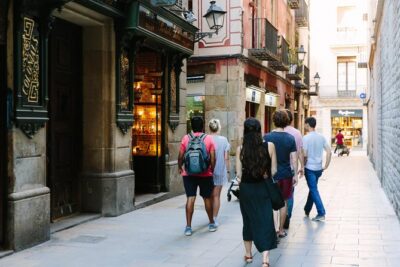
What I like about this setup is that it makes the food feel like part of the neighborhood, not an isolated activity. On the walk, you pass sights linked to film and pop culture, including references to Hemingway’s favorite bar and the plaza from Vicky Cristina Barcelona. The guide also points out local gems and shares stories, which helps you understand what you’re about to cook and drink.
Practical note: you should wear shoes you’re comfortable walking in. It’s not an all-day hike, but you do move through streets before you get to the kitchen. Plan to arrive a few minutes early so you don’t feel rushed.
More tapas crawls worth the appetite


Hands-on tapas cooking: tortilla, bravas, gambas al ajillo
The workshop’s backbone is the cooking. You’ll learn how to make three authentic tapas, with examples including tortilla de patatas, patatas bravas, and gambas al ajillo. The menu also references tortilla española and shrimp with garlic and chili plus pan con tomate (tomato bread).
Here’s why this matters for your results at home: each dish teaches a different cooking skill.
- Tortilla is about getting eggs and potatoes to a custardy center while keeping the outside from turning soggy.
- Bravas is about flavoring and timing so the potatoes stay hearty and the sauce hits right.
- Gambas al ajillo is about quick heat and controlling the oil-garlic-chili balance.
You’re not just sampling; you’ll be working at the station. Apron and cooking utensils are provided so you can focus on technique. And because the class is small, you can ask questions without the instructor yelling over a crowd.
From the dish descriptions and what people highlight in feedback, the chefs put energy into explaining how to do it step-by-step. That’s the difference between eating tapas and learning tapas.
Mixing Catalan-style cava sangria
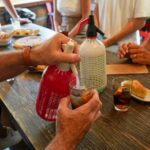
Then comes the drink-making. You’ll mix your own sparkling white cava sangria, guided through the process with cultural background. The cava element is important here: it keeps the drink crisp and bubbly instead of heavy.
This is also one of the best “learn-by-doing” moments in the whole experience. You taste as you go and adjust to your preferences. In practical terms, you’re learning a method you can replicate at home: a base with good acidity and bubbles plus flavors that complement the food you cooked.
I also like that the workshop doesn’t treat sangria like a generic party drink. The class frames it as part of Spanish and Catalan drinking culture, which makes your pairing logic click later when you taste the beers.
If you’re the type who enjoys making drinks for friends, this is the part where you’ll feel most confident leaving the kitchen.
Craft beer pairing with local microbrews
After cooking and sangria time, you shift into tasting mode. You’ll enjoy three locally brewed craft beers from Barcelona’s top microbreweries, with pairing insights from your hosts.
The practical win here is that you get to taste while the food memory is fresh. You just learned the flavors in tortilla, bravas, and gambas al ajillo. Now you get an immediate chance to connect beer characteristics—like crispness, bitterness, and malt notes—to specific tapas flavors.
That’s why beer classes can actually be more useful than they sound. You’re not only drinking; you’re training your palate. And because the pairings come with guidance, you’re less likely to guess wrong when you try to recreate the experience back home.
Also, since it’s included, you don’t need to add on another bar stop just to justify your afternoon. You already get a tasting lineup inside the workshop.
Meat, cheese, bread, and seasonal sides
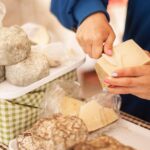
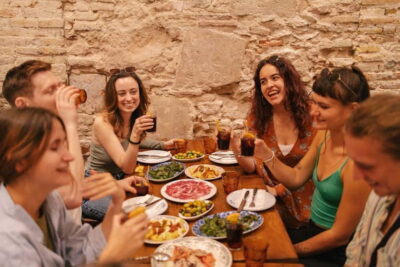
While you’re cooking and sipping, you’ll also have a spread to keep the energy up. Included is an artisan meat and cheese board with bread, olives, and seasonal sides, plus a starter plan that includes items like artisanal cured meats and cheeses from around Spain.
This part is more than filler. It gives you variety while you wait for dishes to finish and while you shift between cooking, tasting, and drink mixing. It also matters for “authentic feel,” because Spanish dining often moves in stages: something salty up front, bread to anchor flavors, and then hot tapas.
From the class flow, you’ll likely eat together as the hands-on cooking wraps up. That shared table time is where the small group matters most. With a max of ten, it’s easier to chat and compare what you learned—without the awkwardness of a huge group where nobody connects.
One more detail I appreciate: you take recipes home. So the board and starters also give you ideas for what to pair or snack on when you recreate your tapas night later.
More Catalan plates and pours to try
- Barcelona: Tablao Flamenco Cordobes with Food/Drink Options★ 4.6 · 4,368 reviews
- Barcelona: Tapas Walking Tour with Food, Wine, and History★ 4.8 · 4,261 reviews
- Barcelona: Food Walking Tour with Tapas and Wine★ 4.9 · 2,180 reviews
Language, group size, and how the class feels in the kitchen
This experience is offered in English, and confirmation comes at booking. The atmosphere is built for a relaxed, social group of around ten. That’s a big deal in a city where lots of cooking classes become a “spectator show” the moment the room gets busy.
The class also has a multilingual comfort level. Past participants have mentioned that if English isn’t your strongest language, the instruction can be offered in Spanish, Italian, or Portuguese. Even if you stick with English, it’s reassuring to know the chefs can adjust and keep you moving forward.
You’ll also be in a kitchen that provides what you need: aprons and utensils are supplied for use. No hauling equipment. No awkward figuring-out. Just cooking.
Chefs’ personalities come through in the feedback—people specifically called out the entertainment and enthusiasm of chefs like Matteo and Hugo. While you can’t count on the same chef every time, the consistent thread is that the hosts aim to be both professional and fun, not stiff.
Should you book this Barcelona tapas and sangria workshop?
If your goal is a hands-on afternoon that mixes food, drink, and neighborhood context, this is an easy yes. The included beer tasting and cava sangria workshop make it feel like more than a basic cooking class, and the small group size helps you actually learn.
Book it if:
- You want to cook tapas you can repeat (not just eat them).
- You care about drink pairings, not only drinking.
- You like the idea of meeting an international mix of people while you cook.
Skip it if:
- You’re looking for a long, sit-down dinner experience. This is built around 3 hours and focused tastings.
- You prefer a totally passive tour with no hands-on work.
If you come with curiosity and an appetite, you’ll walk away with practical recipes, a drink you can make again, and a clear sense of how Spanish tapas flavors pair with beer and cava.
Plates and Pours Across Barcelona
- Montserrat & Cogwheel Train, Gourmet Wine Tasting & Tapas/Lunch
★ 5.0 · 6,290 reviews - Barcelona: Tablao Flamenco Cordobes with Food/Drink Options
★ 4.6 · 4,368 reviews - Barcelona: Tapas Walking Tour with Food, Wine, and History
★ 4.8 · 4,261 reviews - Barcelona: Food Walking Tour with Tapas and Wine
★ 4.9 · 2,180 reviews - Barcelona Tapas Walking Tour: Food, Wine & History
★ 4.5 · 1,928 reviews
More Barcelona Tours on Our Radar
- Barcelona: Sagrada Familia Entry Ticket with Audio Guide
★ 4.6 · 105,312 reviews - Barcelona: Park Güell Admission Ticket
★ 4.4 · 76,534 reviews - Barcelona: Casa Batlló Entry with Self-Audioguide Tour
★ 4.7 · 25,359 reviews - Barcelona: Montjuïc Cable Car Roundtrip Ticket
★ 4.5 · 22,368 reviews - Barcelona: Hola Barcelona Public Transport Travel Card
★ 4.5 · 20,985 reviews
One More Tapas Crawl
- Montserrat Half-Day Tour with Tapas and Gourmet Wines
★ 5.0 · 7,359 reviews - Montserrat & Cogwheel Train, Gourmet Wine Tasting & Tapas/Lunch
★ 5.0 · 6,290 reviews - Barcelona Tapas and Wine Experience Small-Group Walking Tour
★ 5.0 · 5,804 reviews - Montserrat with Black Madonna & Medieval Winery with Tapas/Lunch
★ 5.0 · 5,209 reviews - Barcelona: Tapas Walking Tour with Food, Wine, and History
★ 4.8 · 4,261 reviews
Just Rated Around Barcelona




Tapas Tours, compared.
 ★ 5.0Montserrat Half-Day Tour with Tapas and Gourmet WinesFrom $557,359 reviews
 ★ 5.0Montserrat & Cogwheel Train, Gourmet Wine Tasting & Tapas/LunchFrom $816,290 reviews
 ★ 5.0Barcelona Tapas and Wine Experience Small-Group Walking TourFrom $835,804 reviews
 ★ 5.0Montserrat with Black Madonna & Medieval Winery with Tapas/LunchFrom $655,209 reviews
 ★ 4.8Tapas Walking Tour with Food, Wine, and HistoryFrom $784,261 reviews
 ★ 5.0Barcelona Paella Cooking Class with Market Visit, Tapas & SangriaFrom $1142,531 reviews
 ★ 4.9Food Walking Tour with Tapas and WineFrom $1002,180 reviews
 ★ 4.5Barcelona Tapas Walking Tour: Food, Wine & HistoryFrom $661,928 reviews
Browse the lists this tour appears in