
Reviewed · GOTHIC QUARTER TOURS
Barcelona: Gothic Quarter’s Deepest Secrets Tour and Sangria
Barcelona hides its best stories in alleyways. This small-group Gothic Quarter walk pairs Catalonian history with street-smart storytelling about the Spanish Civil War and the politics around it, so you see the city like a guided plot, not a checklist. The route takes you past the kind of landmarks most people breeze through, but without the usual museum-mode vibe.
Two things to keep in mind. You’ll be walking through narrow medieval streets, so comfy shoes matter. And while the tour goes past Barcelona’s cathedral, entry isn’t included, so you’ll need a separate plan if you want inside.
In This Review
- Key things I’d watch for
- A Gothic Quarter tour that reads like street-level theater
- Starting at Café Zurich in Plaza Catalunya (find the purple tag)
- Plaza Catalunya, Las Ramblas, and Canaletas: the easy lead-in
- Barcelona’s cathedral area and the power behind the stone
- Augustus Temple, Government Square, and Bishop’s Bridge: where timelines overlap
- Roman Cemetery and Petrixol Street: the surprises you actually remember
- Plaça Sant Felip Neri, Ferran Street, and the art of remembering
- Guide style matters: Valentina and Juliana’s proven impact
- Barceloneta and the port finish: sangria plus what to do next
- Duration and pacing: plan for about 2 hours, maybe more on the ground
- Who this tour suits best (and who might want something else)
- Price and value: $64 for history, storytelling, and sangria
- Should you book the Gothic Quarter Deep Secrets Tour and Sangria?
- FAQ
- Where is the meeting point for the tour?
- How long is the tour?
- What languages is the guide available in?
- Is sangria included, and when do you have it?
- Does the tour include entry into Barcelona Cathedral?
- Where does the tour finish?
Key things I’d watch for
- Small-group pacing that keeps the history focused on what you’re actually standing in front of
- Spanish Civil War + political intrigue stories that connect Catalonia to events beyond Barcelona
- Bilingual guide (English and Spanish) so you can follow every twist of the narrative
- Complimentary sangria at the end, plus insider tips on where to go next
- A route built for layers, from Roman traces to medieval power centers to the port area
A Gothic Quarter tour that reads like street-level theater
The Gothic Quarter can feel like “pretty buildings, repeat.” This tour works because it treats the streets like clues. You’re not just told what things are called—you get the human context: religion, local traditions, art, and the political atmosphere that shaped how people lived and argued.
What I like most is the balance. One minute you’re looking at a major landmark, and the next you’re hearing how that same corner ties into bigger Spanish and Catalan history. The second big win is the ending. Instead of dumping you at a random meeting point, the tour finishes with complimentary sangria, where your guide shares practical next-step recommendations.
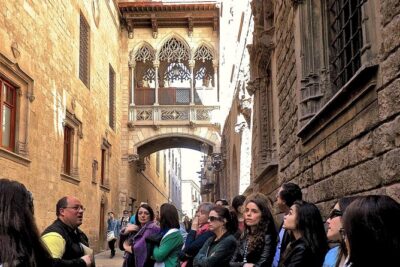
Deeper into the lanes of the Barri Gòtic


Starting at Café Zurich in Plaza Catalunya (find the purple tag)
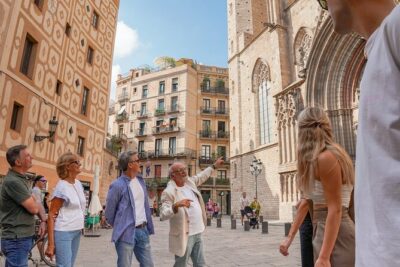
You meet your guide outside Café Zurich in Plaza Cataluña, right by the metro station. The easiest way to spot her is simple: look for the guide standing in front of the metro entrance wearing a purple name tag.
This starting point is handy because it puts you at the edge of the historic center without forcing you to show up deep inside the maze right away. If your day in Barcelona has you hopping between viewpoints, starting here helps you get your bearings fast before you commit to medieval streets.
The tour’s early sights line up with that “orientation” role: you’ll pass through major central areas like Las Ramblas and see key points such as the Canaletas Fountain. Think of it as a warm-up that helps the rest of the Gothic Quarter make more sense.
Plaza Catalunya, Las Ramblas, and Canaletas: the easy lead-in
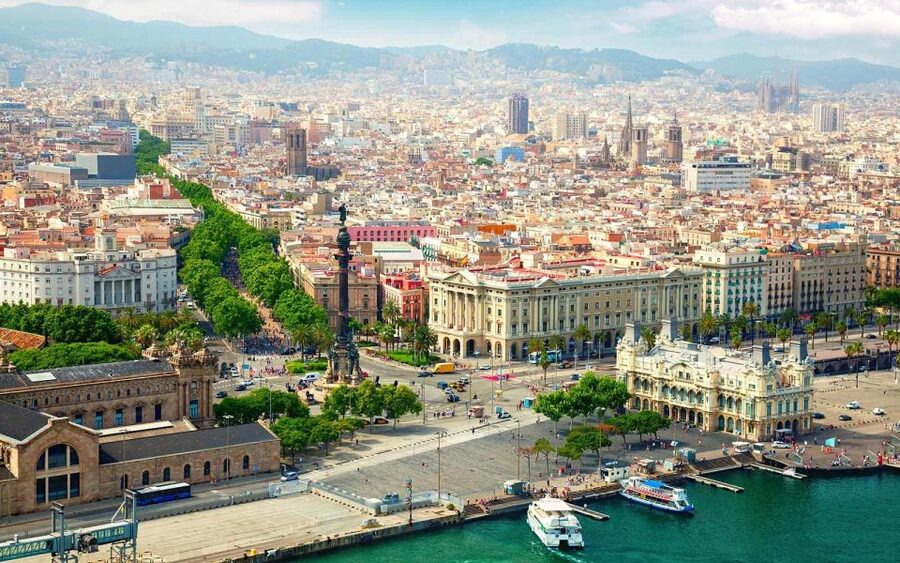
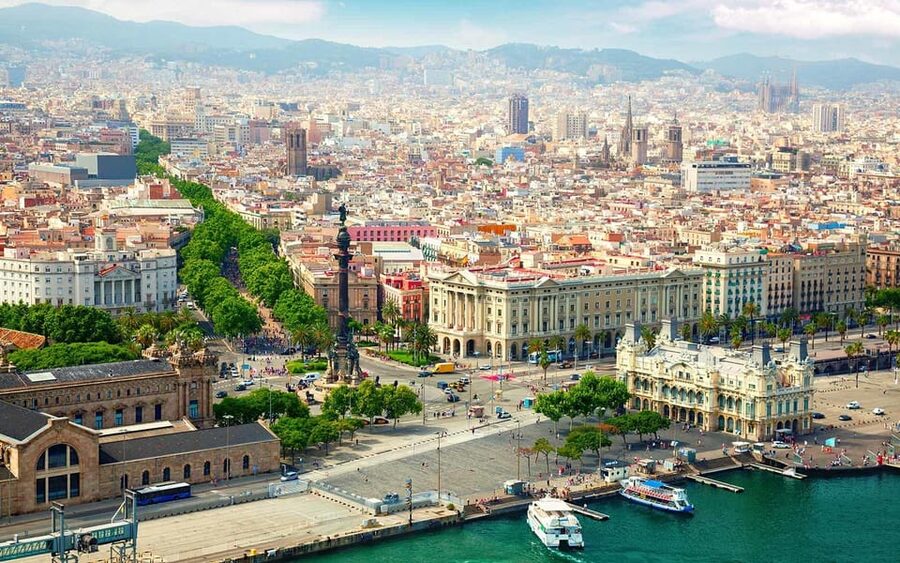
Plaza Catalunya acts like the city’s social front door. From there, the route nudges you toward the broader historic center via Las Ramblas, the Canaletas Fountain, and nearby streets that funnel people toward the old city.
Here’s why this matters for value: if you only see the Gothic Quarter’s narrow lanes, you might miss how Barcelona organizes itself around public space. Seeing the transition—from wide, busy central streets to tighter medieval quarters—makes the rest of the walk feel more intentional.
As you move, you’ll be hearing the “why” behind the places: how religion and civic power played out in everyday settings, and how political tensions were never far from daily life. That storytelling approach is what keeps the walk from turning into a photo sprint.
Barcelona’s cathedral area and the power behind the stone

Even when you’re not going inside, passing the Barcelona Cathedral is still a big moment. Gothic architecture has a way of making you pause, because the scale is about more than beauty—it signals authority, faith, and community priorities.
From there, the tour heads toward major historical anchors tied to governance and records, including the Archive of the Crown of Aragon. That’s one of those stops where you understand why “history” isn’t just dates. Old archives and institutions show how power was organized, documented, and defended.
One practical note: cathedral entry is not included. So if you’re the type who wants to see inside the cathedral itself, plan a separate ticket time. The tour still gives context around the building, but you won’t be using a timed-entry pass during the walk.
Augustus Temple, Government Square, and Bishop’s Bridge: where timelines overlap
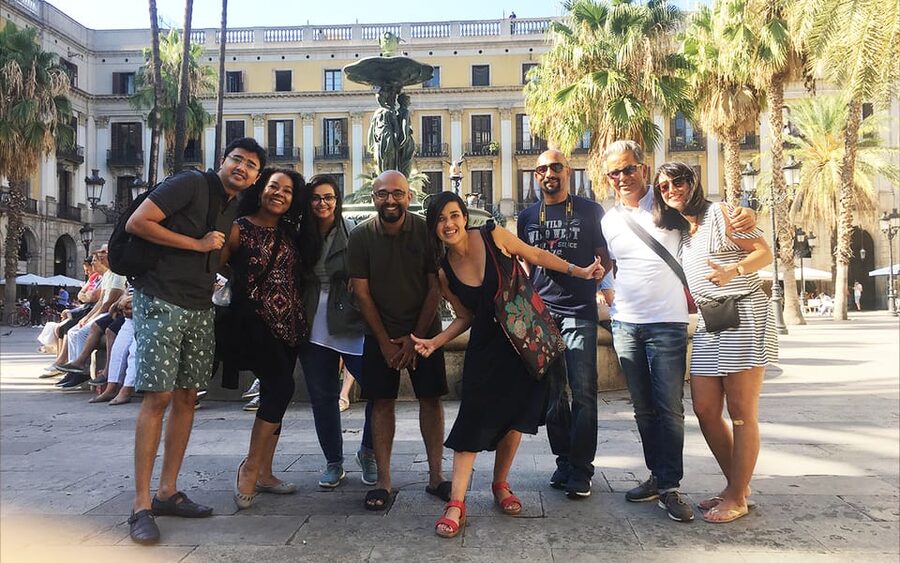
The Gothic Quarter is famous for looking medieval. But the tour is careful about showing you that layers overlap. Stops like the Augustus Temple and the nearby Government square help explain how Barcelona kept reusing the same strategic ground across eras.
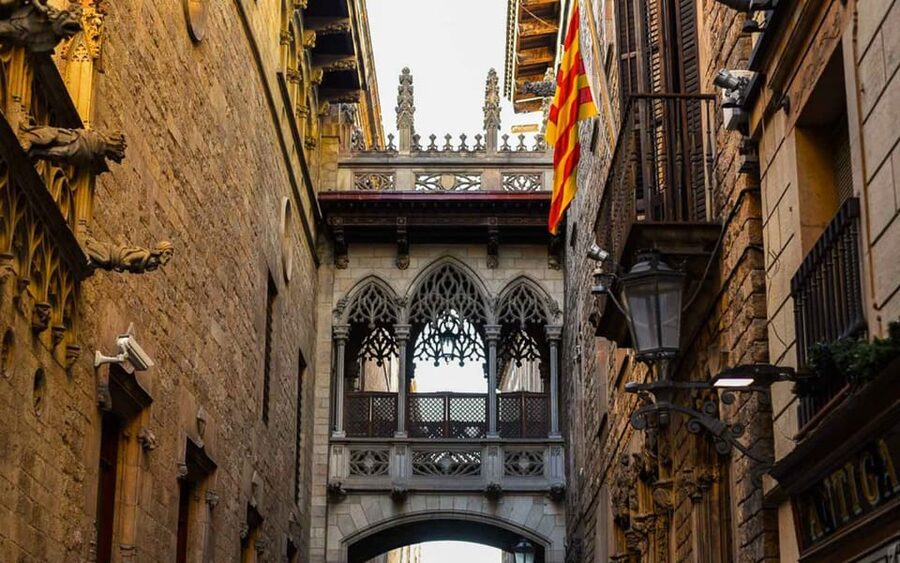
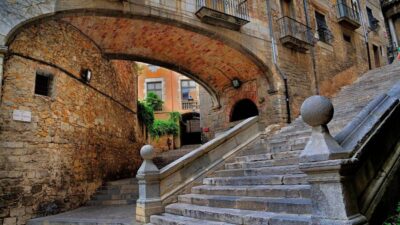
Then comes Bishop’s bridge, a name that signals what you’re meant to notice: the way religious power and civic life intersected in physical spaces. Even if you don’t spend time inside specific buildings, you’re getting the map in your head—who held influence, where decisions got made, and how movement through the city mirrored that hierarchy.
If you’re curious about why Barcelona can feel both ancient and political at the same time, this part of the walk delivers. It’s not random sight-hopping. It’s the city’s layout used as a narrative tool.
- Barcelona: Sagrada Familia Entry Ticket with Audio Guide★ 4.6 · 105,312 reviews
- Barcelona: Park Güell Admission Ticket★ 4.4 · 76,534 reviews
- Barcelona: Casa Batlló Entry with Self-Audioguide Tour★ 4.7 · 25,359 reviews
Roman Cemetery and Petrixol Street: the surprises you actually remember
Not every Gothic Quarter tour includes the kind of quietly eerie stop that makes you say, Wait—this is here? The route includes the Roman Cemetery, which stands out because it adds a real “older than medieval” shock to the story. It’s a reminder that the old city didn’t start with cathedrals and gothic façades.
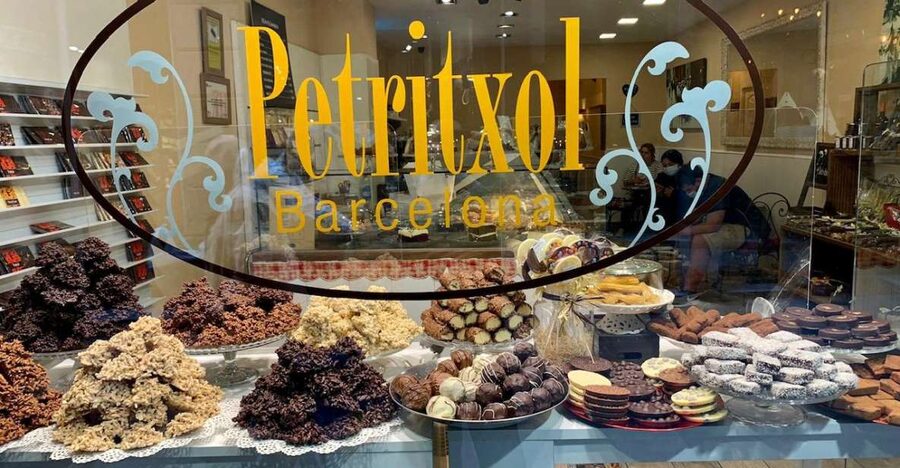
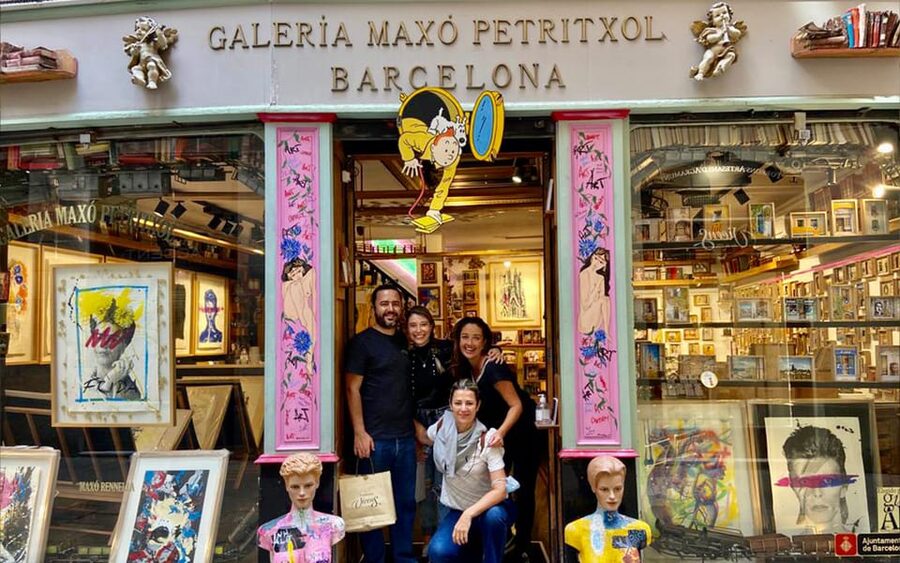
After that, you’ll spend time along Petrixol street, a street that’s known for charm and character. For me, the value here isn’t just the vibe. It’s that you’re seeing how the city’s mood changes street by street—how older spaces now support everyday life, shopping, and strolling.
When history is told well, you start noticing details you’d otherwise ignore: how streets funnel crowds, where people might have gathered, and why certain corners became long-term centers of attention.
Plaça Sant Felip Neri, Ferran Street, and the art of remembering
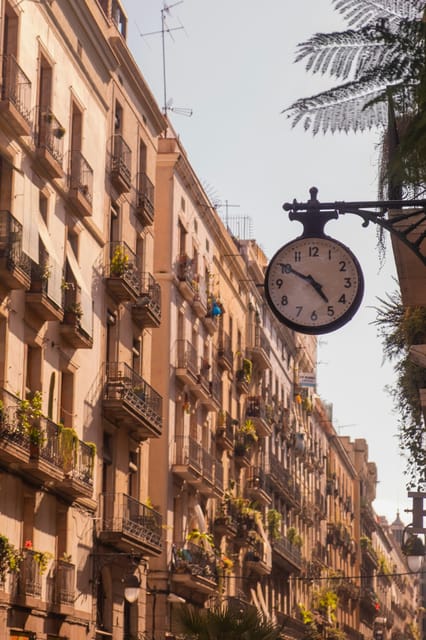
At Plaça Sant Felip Neri, you get another kind of story: the religious and community side of Barcelona. Places like this aren’t just picturesque. They help explain how faith and public life were tangled together in a way that still shapes the city’s identity.
Then you move toward Ferran street, plus nearby stops that connect culture and education, including the School of arts area. Even without going into deep specifics about each institution, the tour uses these points to show how Catalonia valued culture—art, teaching, and identity—alongside politics and religion.
A fun, modern-thinking bridge comes at George Orwell square. You see how the city doesn’t only honor its medieval past; it also layers newer meanings onto older districts. That contrast helps you understand Barcelona as a living city, not a timeline locked in amber.
Guide style matters: Valentina and Juliana’s proven impact
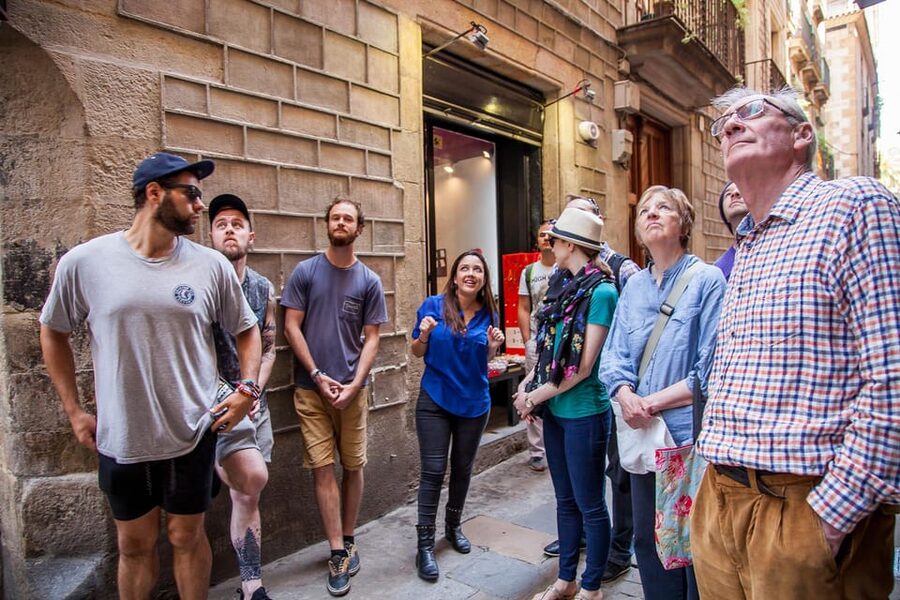
This is one of those tours where the guide is the product. The format relies on storytelling, and the guests praised specific guides by name—Valentina and Juliana—for being both professional and genuinely fun.
I appreciate guides who don’t treat the walk like a lecture. Here, the approach is more like talking with someone who loves the city and can explain it clearly without watering it down. That matters because the tour covers big themes: Catalonian identity, religion, the Spanish Civil War, and political intrigue. You want those topics explained in a way that feels human, not academic.
If your Spanish history knowledge is rusty, you’ll still be fine. The tour is designed to give you enough context to understand what you’re seeing and why it mattered.
Barceloneta and the port finish: sangria plus what to do next
The walk ends near the water, including Barceloneta & The port, and the official finish point is Restaurant Pasa Tapas Barceloneta. The final step is the best kind of payoff: complimentary sangria in true Catalan style, paired with your guide’s recommendations.
This “sangria moment” isn’t only about taste. It’s a practical reset. After a couple of hours of walking and absorbing politics and art and religion, you get a breather—and you also learn what’s worth your time later: what to see next, and where to eat based on what you already covered.
One caution: food after the tour is not included. If you plan to keep drinking or turn it into dinner, budget for it separately. The tour gives you the sangria; you handle the rest.
Duration and pacing: plan for about 2 hours, maybe more on the ground
The listing says 2 hours, while the walking portion is shown as about 2.5 hours. So I’d plan your schedule with a bit of breathing room. You’re touring on foot through the historic center, and the end involves a seated finish for sangria.
Pacing-wise, it works best if you treat this as your “get oriented + understand the city” block. If you try to cram this between two ticketed museum visits, you may feel rushed. The Gothic Quarter is also the kind of neighborhood where small detours happen naturally, because you’ll want to look back at what you just learned.
Who this tour suits best (and who might want something else)
This is ideal if you want:
- A guided walking route with context, not just photos
- Stories that connect Catalonia to the Spanish Civil War and political intrigue
- A satisfying ending with sangria and specific ideas for where to go next
You might skip it if you only want quiet landmark time. This tour is story-driven, and it covers politics and history themes. Also, if you’re dead set on going inside the cathedral, remember entry isn’t included—so plan an extra visit.
Wheelchair accessible is listed, which is a big plus if mobility needs are part of your planning.
Price and value: $64 for history, storytelling, and sangria
At $64 per person, this sits in the mid-range for Barcelona guided tours. The reason it can feel like good value is the mix: you get a bilingual guide, a structured walk through major Gothic Quarter sights, and an included sangria with insider recommendations.
What you’re paying for isn’t only the sites. It’s the “thread” that connects them—politics, local traditions, religion, and the Spanish Civil War—plus a guide who brings personality to the route. If you’ve spent money on tours that felt like a map with no story, this one is built to do the opposite.
Should you book the Gothic Quarter Deep Secrets Tour and Sangria?
Book it if you want Barcelona to feel like a living story. The included sangria is a nice finish, but the real draw is how the walk connects the Gothic Quarter to Catalan identity, religion, and the political tensions of the Spanish Civil War era.
Skip it if you want a free-form wander or strictly self-guided time in the cathedral interior. Also, if your schedule is tight, budget for a flexible couple of hours so you’re not rushing your way through medieval streets.
If you do book, show up at Café Zurich and arrive ready to walk and listen. This is the kind of tour where the best moments happen when you slow down just enough to notice what the guide is pointing out.
FAQ
Where is the meeting point for the tour?
Meet your guide outside Café Zurich in Plaza Cataluña, standing in front of the metro station. She will be wearing a purple name tag.
How long is the tour?
The tour duration is listed as 2 hours, and the guided walking portion is shown as about 2.5 hours.
What languages is the guide available in?
The live guide offers English and Spanish.
Is sangria included, and when do you have it?
Yes. Sangria is included, and it’s served at the end of the tour as a complimentary finish.
Does the tour include entry into Barcelona Cathedral?
No. Cathedral entry is not included.
Where does the tour finish?
The tour finishes at Restaurant Pasa Tapas Barceloneta.
More Ways to Tour Barcelona
- Barcelona: Casa Batlló Entry with Self-Audioguide Tour
★ 4.7 · 25,359 reviews - Barcelona: 24 or 48-Hour Hop-On Hop-Off Bus Tour
★ 4.4 · 20,872 reviews - Barcelona: Park Guell Guided Tour with Skip The Line Entry
★ 4.7 · 17,563 reviews - Barcelona: Sagrada Familia Skip-the-Line Entry Ticket & Tour
★ 4.8 · 12,789 reviews - Barcelona: FC Barcelona Museum “Barça Immersive Tour” Ticket
★ 4.4 · 10,944 reviews
More Barcelona Tours on Our Radar
- Barcelona: Sagrada Familia Entry Ticket with Audio Guide
★ 4.6 · 105,312 reviews - Barcelona: Park Güell Admission Ticket
★ 4.4 · 76,534 reviews - Barcelona: Casa Batlló Entry with Self-Audioguide Tour
★ 4.7 · 25,359 reviews - Barcelona: Montjuïc Cable Car Roundtrip Ticket
★ 4.5 · 22,368 reviews - Barcelona: Hola Barcelona Public Transport Travel Card
★ 4.5 · 20,985 reviews
Lost in the Gothic Quarter
- Barcelona in 1 Day: Sagrada Familia, Park Guell,Old Town & Pickup
★ 5.0 · 13,541 reviews - Barcelona all included: Sagrada, Park Güell, Montjuic & Gothic
★ 5.0 · 2,169 reviews - Barcelona: Sagrada Familia, Modernism, and Old Town Tour
★ 4.7 · 1,621 reviews - Barcelona Gothic Quarter Tapas & Taverns Food & Wine Tour
★ 5.0 · 1,470 reviews - Barcelona Helicopter, Sailboat & Old Town Private Walking Tour
★ 5.0 · 1,395 reviews
Just Rated Around Barcelona

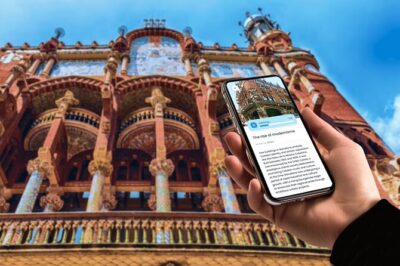

Gothic Quarter Tours, compared.
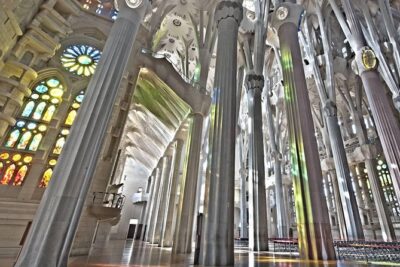 ★ 5.0Barcelona in 1 Day: Sagrada Familia, Park Guell,Old Town & PickupFrom $12013,541 reviews
 ★ 5.0Barcelona all included: Sagrada, Park Güell, Montjuic & GothicFrom $1192,169 reviews
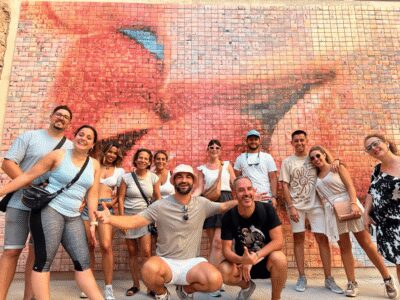 ★ 4.7Sagrada Familia, Modernism, and Old Town TourFrom $521,621 reviews
 ★ 5.0Barcelona Gothic Quarter Tapas & Taverns Food & Wine TourFrom $1311,470 reviews
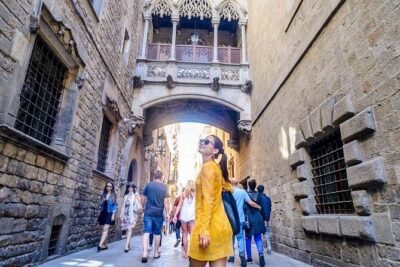 ★ 5.0Barcelona Helicopter, Sailboat & Old Town Private Walking TourFrom $5131,395 reviews
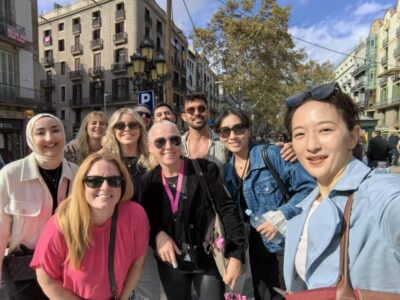 ★ 4.8Old Town and Gothic Quarter Walking TourFrom $211,393 reviews
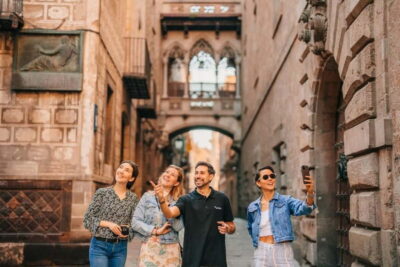 ★ 4.7Helicopter, Boat Ride & Old Town Private TourFrom $5001,357 reviews
 ★ 5.0Barcelona Old Town & Gothic Quarter Small Group TourFrom $221,308 reviews
Browse the lists this tour appears in