
Reviewed · DRINKING TOURS
Bean to Bar Chocolate Workshop in Barcelona
Chocolate-making starts with cocoa beans, not bars. At Kina Chocolates in Barcelona, you’ll learn bean-to-bar secrets in a small group setting while making real chocolate steps by step.
I love the fact that you do the work yourself. You’ll roast, peel, grind, and turn cocoa into paste, then finish with a take-home chocolate bar you made.
One thing to consider: the cocoa process can get a little greasy, and a bit of the session may be shown in its original language even though the instructor works in English and Spanish.
In This Review
- Key Things You’ll Do and Notice at Kina Chocolates
- Kina Chocolates: Where Barcelona’s Chocolate Starts at the Source
- The First Moments: Intro, Cocoa History, and What Bean-to-Bar Really Means
- Cocoa Pod to Cocoa Bean: Seeing Origins Up Close
- Hands-On Chocolate Making: Roasting, Peeling, Grinding, and Paste
- Cocoa Drinks and Flavor Comparisons: Tasting Beyond the Bar
- Your Take-Home Chocolate Bar: Making It, Packaging It, and Managing the Heat
- The Bean-to-Bar Social Side: Why Cocoa Communities Matter
- Price and Time: Is $47 for Two Hours Good Value?
- Who This Workshop Suits Best in Barcelona
- Should You Book This Bean-to-Bar Workshop at Kina Chocolates?
- FAQ
- How long is the bean-to-bar chocolate workshop?
- What does the workshop cost in Barcelona?
- What do you do during the workshop?
- Do you get to take anything home?
- Is the group small, and is it wheelchair accessible?
- What languages are used during the workshop?
- Can the workshop accommodate allergies or intolerances?
- What is the cancellation policy and can you pay later?
Key Things You’ll Do and Notice at Kina Chocolates
- Watch a cocoa pod and connect beans to the field
- Roast, peel, grind, and make your own cocoa paste
- Taste cocoa drinks and chocolate samples
- Make one chocolate bar to take home
- Learn how the bean-to-bar approach supports cocoa communities
Kina Chocolates: Where Barcelona’s Chocolate Starts at the Source
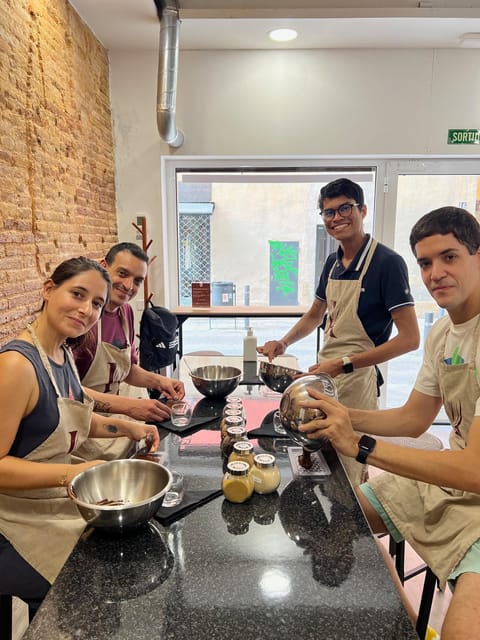
Meet at Kina Chocolates, a shop setting that makes this feel more like a workshop than a museum stop. Instead of only tasting pre-made chocolate, you get to work with cocoa in a way that explains why real chocolate tastes the way it does.
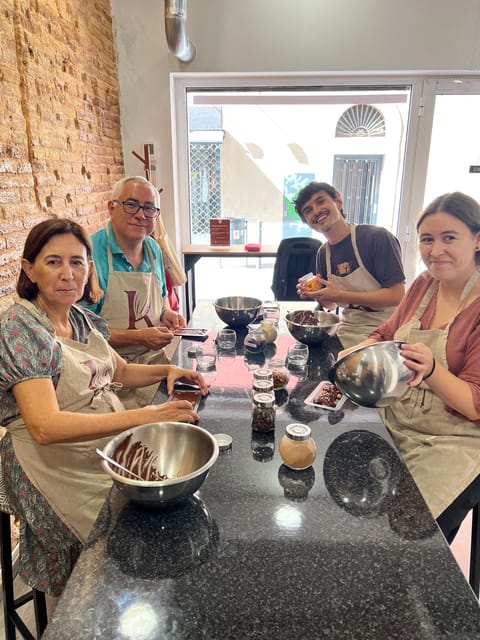
This is also a small-group experience, limited to 8 participants. That matters, because the hands-on stages (and the questions about farming, processing, and flavor) move faster when everyone can actually see what’s happening and ask what they’re curious about.
In past sessions, guides such as Oscar and Renée have led the class, with staff like Franklin supporting. You should expect clear explanations in English and Spanish, plus a bit of content shown in its original language.
More of the Barcelona bar trail




The First Moments: Intro, Cocoa History, and What Bean-to-Bar Really Means
After you get settled, the workshop sets the context: where chocolate comes from and why the bean-to-bar movement exists. You’ll talk about cocoa cultivation and the chocolate-making process, with enough storytelling to connect modern chocolate to older traditions.
You’ll also hear about the idea behind making chocolate from the beans—how the journey affects flavor, and why the steps between “cocoa” and “chocolate bar” matter. The tone here is practical: it’s not just history trivia, it’s the reason your final bar tastes a certain way.
And because this is a small group, the instructor can adapt the pace. If you have specific questions (fermentation, roasting, flavor differences), you’re in the right kind of setting to ask.
Cocoa Pod to Cocoa Bean: Seeing Origins Up Close
One of the best early moments is seeing a cocoa pod and learning what happens in the fields to get to the beans. You don’t have to be a plant expert to follow it. The workshop connects the physical reality (pods, beans, processing stages) to what you’ll do later.
This part is valuable because it fixes a common problem: most people think chocolate starts at a wrapper. Here, you’re shown the actual starting point, so roasting and grinding later feel like a continuation of something real—not random kitchen theater.
If you’re bringing teenagers, this is often where the class turns from “tasting” into “I get it now.” The pod-to-bean segment gives you something visual that your hands will echo later.
Hands-On Chocolate Making: Roasting, Peeling, Grinding, and Paste
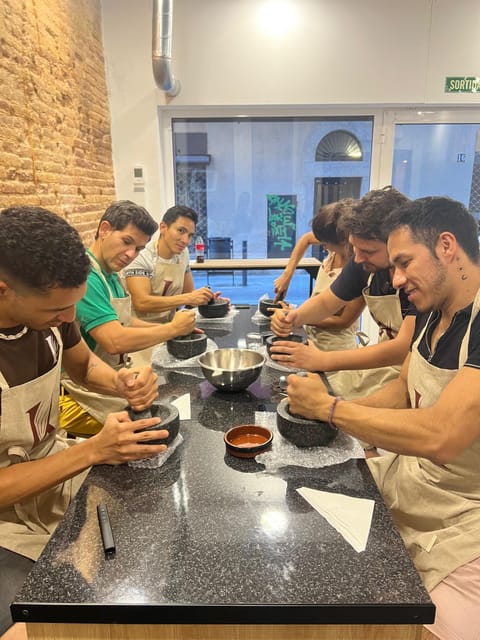
Now comes the work you’ll remember. You’ll go through the main steps yourself:
- Roast the cocoa
- Peel the cocoa beans
- Grind the beans
- Form your own cocoa paste
This is the heart of the workshop because you’re not just learning what chocolatiers do—you’re doing a version of it. And yes, it can feel a bit greasy around the hands. That’s part of the deal. Bring a willingness to smell faintly like chocolate afterward and you’ll be fine.
This hands-on section also helps you understand why quality varies. When you roast and grind, you’re making choices that affect aroma and flavor development. The workshop’s structure makes those cause-and-effect relationships easier to grasp than reading about them later.
At this stage, you’ll also likely sample components along the way (the workshop includes tasting sessions), so you can connect each step to what changes in the aroma and texture.
Cocoa Drinks and Flavor Comparisons: Tasting Beyond the Bar
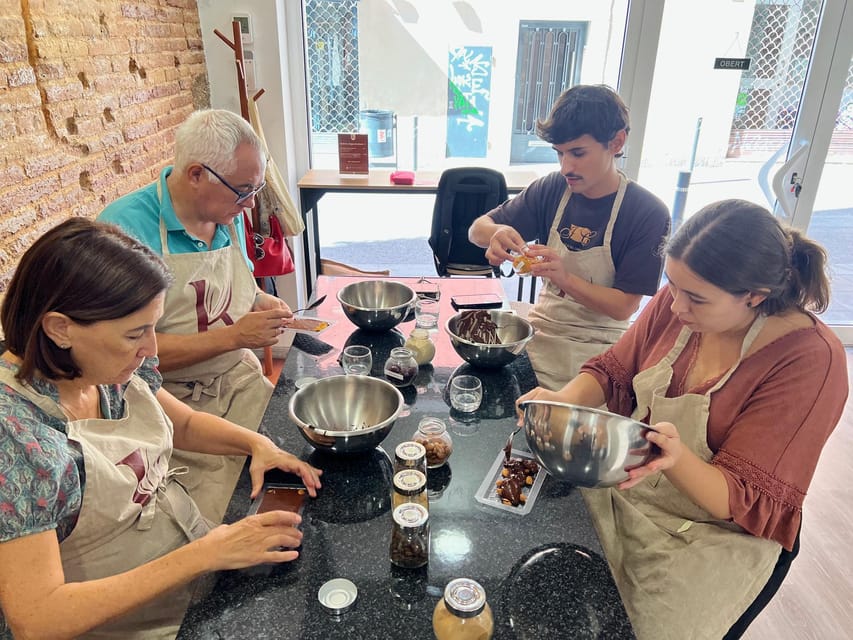
Chocolate workshops often stop at tasting. This one adds tastings and drink prep that stretch your understanding of cocoa.
You’ll prepare various cocoa-based drinks, guided through the process so you can taste how cocoa behaves outside the bar format. That’s a smart way to learn, because cocoa flavors can show up differently depending on how it’s treated and combined.
You’ll also have the chance to taste different chocolate samples linked to cacao origins. One of the most useful takeaways from the tastings is learning that beans from different regions can taste noticeably different, which makes the final bar feel less like a generic product and more like a specific ingredient with character.
If you care about flavor nuance, this part is where it clicks. You start thinking in terms of aroma, roast level, and how processing choices shift taste.
Not quite right? Other Barcelona tours we have been out on
- Barcelona: Nougat and Chocolate Museum Tour with Tasting★ 4.5 · 232 reviews
- Barcelona & Chocolate Amatller History and Culture + Activity and Tasting★ 4.9 · 173 reviews
- Family Private Tour: Churros, Hot Chocolate & Games in Barcelona★ 5.0 · 79 reviews
Your Take-Home Chocolate Bar: Making It, Packaging It, and Managing the Heat
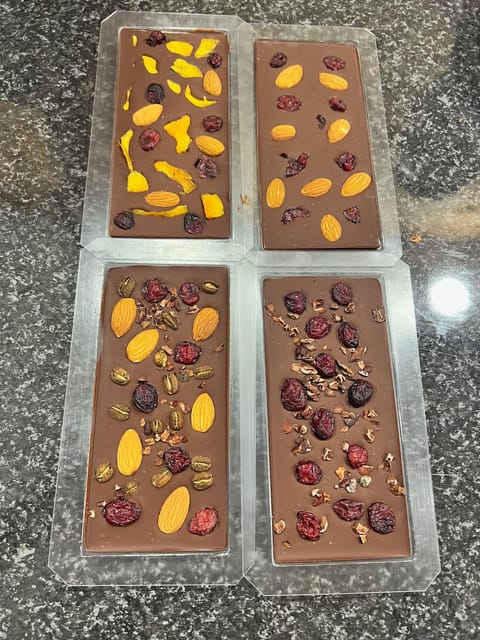
You’ll end by making one chocolate bar to take home. It’s included, and it turns the whole experience into something tangible. The bar isn’t just a souvenir—it’s evidence that you followed the steps and produced something real.
In practice, you’ll want to plan your timing so your bar stays in good shape. Barcelona can get hot, and one earlier participant noted their bar softened in the heat after the workshop. So if you’re walking in warm weather, pack it carefully and consider having your hotel bag ready.
You’ll also receive a personalized certificate and a workshop summary. That’s more than paperwork. It gives you something to reference when you’re back home trying to recreate flavors or understand what you learned.
And if the shop area tempts you to buy extra chocolate, it’s a good sign. It typically means you’re leaving with better standards for what you want to eat.
The Bean-to-Bar Social Side: Why Cocoa Communities Matter
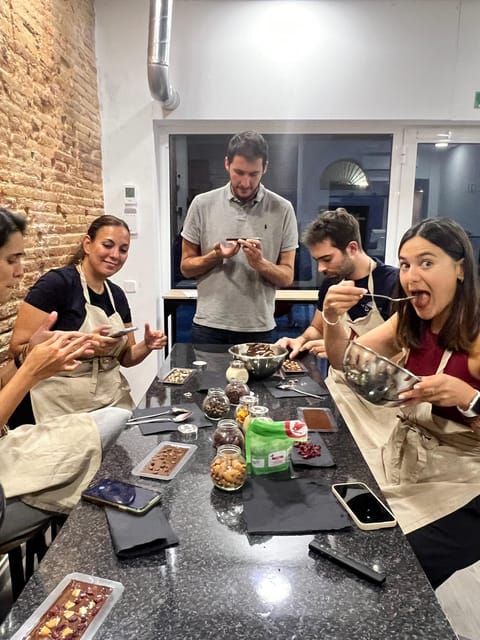
The workshop finishes by talking about bean-to-bar and how local cocoa-producing communities live. This is important because it puts flavor in a broader context.
If you only focus on taste, it’s easy to treat chocolate as an abstract luxury. When you understand the effort behind the beans and processing, you naturally start asking better questions about where ingredients come from and why they vary in quality.
That closing conversation helps you connect your hands-on work with a real-world result: bean-to-bar thinking aims to shorten the distance between origin and finished product, and it encourages fairer treatment through better practices and more respect for the supply chain.
Price and Time: Is $47 for Two Hours Good Value?
At $47 per person for 2 hours, this sits in the “worth it if you’re serious about chocolate” category. You’re not paying only for tasting. You’re paying for:
- small group hands-on instruction
- all necessary materials and utensils
- an apron and hat
- the cocoa making steps (roast, peel, grind, paste)
- a cocoa drink experience
- one bar to take home
- a certificate and summary
If your goal is a quick sugar hit, a cheaper tasting room may feel easier. But if your goal is understanding how chocolate is made and what affects flavor, this format is the kind of experience you can’t get from a standard bar purchase.
Two hours is also a practical duration. It’s long enough to do the real steps, but not so long that you lose the thread. If you’re fitting activities into a busy Barcelona day, this hits a sweet spot.
Who This Workshop Suits Best in Barcelona
This is set up for adults and teenagers, and the hands-on nature tends to work best for people who like doing rather than only watching. If you’re the kind of person who reads ingredient lists and actually cares about cocoa flavor, you’ll get a lot out of the tasting and process explanation.
Family-wise, it’s often a good fit when kids are ready for hands-on tasks and don’t mind a mess. Several sessions you might see were run for groups that included younger participants who could engage with the steps and tastings.
In short: you’ll like it if you want a practical education, not just a snack. You’ll also like it if you enjoy asking questions and spending time in a small space where the instructor can respond.
Should You Book This Bean-to-Bar Workshop at Kina Chocolates?
If you want a chocolate activity in Barcelona that goes beyond tasting and actually teaches the craft, I’d book it. The payoff is strong: you do real steps with cocoa, taste beyond plain bar chocolate, and leave with a bar you made yourself.
Book it sooner rather than later if:
- you care about origin and process (not just sweetness)
- you want a small-group class with time for questions
- you’re traveling with a teen and want something more hands-on than a typical tour
Skip it only if you’re looking for a passive, sit-down experience or you dislike messy food activities. Also, if you’re very sensitive to language mixing, note that some content may appear in its original language.
Overall, this is one of the more focused, hands-on chocolate experiences in Barcelona. It’s compact, practical, and genuinely tied to how chocolate is made.
FAQ
How long is the bean-to-bar chocolate workshop?
The workshop lasts 2 hours.
What does the workshop cost in Barcelona?
It costs $47 per person.
What do you do during the workshop?
You’ll learn about cocoa cultivation and chocolate making, then you’ll do hands-on steps such as roasting cocoa, peeling cocoa beans, grinding them, and making cocoa paste. You also prepare cocoa-based drinks and make your own chocolate bar.
Do you get to take anything home?
Yes. You make 1 chocolate bar and take it home with you.
Is the group small, and is it wheelchair accessible?
Yes. It’s a small group limited to 8 participants, and it’s wheelchair accessible.
What languages are used during the workshop?
The instructor works in Spanish and English. Some content may be shown in its original language.
Can the workshop accommodate allergies or intolerances?
Yes. You’re asked to let them know about allergies or intolerances so they can adapt the workshop.
What is the cancellation policy and can you pay later?
There is free cancellation up to 24 hours in advance for a full refund. You can also reserve now & pay later (book your spot and pay nothing today).
More Dessert Tours in Barcelona
- Barcelona: Nougat and Chocolate Museum Tour with Tasting
★ 4.5 · 232 reviews - Barcelona & Chocolate Amatller History and Culture + Activity and Tasting
★ 4.9 · 173 reviews - Family Private Tour: Churros, Hot Chocolate & Games in Barcelona
★ 5.0 · 79 reviews - Barcelona: Churros, Hot Chocolate, and Games Family Tour
★ 4.8 · 66 reviews - Barcelona: Casa Amatller Guided Visit with Chocolate Gift
★ 4.9 · 60 reviews
The Barcelona Bar Trail
- Barcelona: Midday or Sunset Sailing with Open Bar and Snacks
★ 4.9 · 2,044 reviews - Barcelona: Unique Sunset Sailing Tour with Tapas & Open Bar
★ 4.7 · 959 reviews - Barcelona Sailing: Light Snacks & Open Bar with Private Option
★ 5.0 · 874 reviews - Barcelona Sensational Sunset Tour with Open Bar and Snacks
★ 5.0 · 681 reviews - Barcelona: El Born and Gothic Quarter Wine & Tapas Bar Tour
★ 4.8 · 674 reviews
More Barcelona Tours on Our Radar
- Barcelona: Sagrada Familia Entry Ticket with Audio Guide
★ 4.6 · 105,312 reviews - Barcelona: Park Güell Admission Ticket
★ 4.4 · 76,534 reviews - Barcelona: Casa Batlló Entry with Self-Audioguide Tour
★ 4.7 · 25,359 reviews - Barcelona: Montjuïc Cable Car Roundtrip Ticket
★ 4.5 · 22,368 reviews - Barcelona: Hola Barcelona Public Transport Travel Card
★ 4.5 · 20,985 reviews
Just Rated Around Barcelona



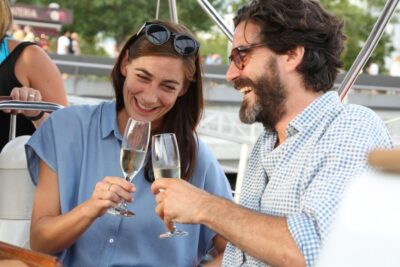
Drinking Tours, compared.
 ★ 4.9Midday or Sunset Sailing with Open Bar and SnacksFrom $332,044 reviews
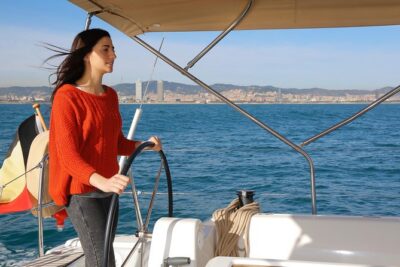
 ★ 4.7Unique Sunset Sailing Tour with Tapas & Open BarFrom $66959 reviews
 ★ 5.0Barcelona Sailing: Light Snacks & Open Bar with Private OptionFrom $53874 reviews
 ★ 5.0Barcelona Sensational Sunset Tour with Open Bar and SnacksFrom $60681 reviews
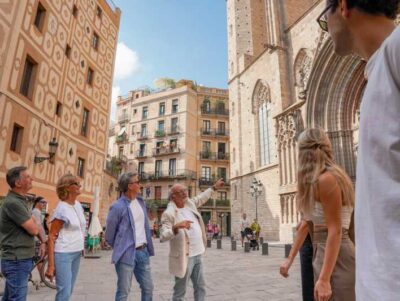 ★ 4.8El Born and Gothic Quarter Wine & Tapas Bar TourFrom $81674 reviews
 ★ 5.0Barcelona Sunset Cruise with Light Snacks and Open BarFrom $71476 reviews
 ★ 5.0Barcelona Bar CrawlFrom $29466 reviews
 ★ 5.0Barcelona Private Sailing with Open Bar & Snacks (max 9)From $241440 reviews
Browse the lists this tour appears in