
Reviewed · PHOTOGRAPHY SESSIONS
KBr Fundación MAPFRE – Photography Exhibitions
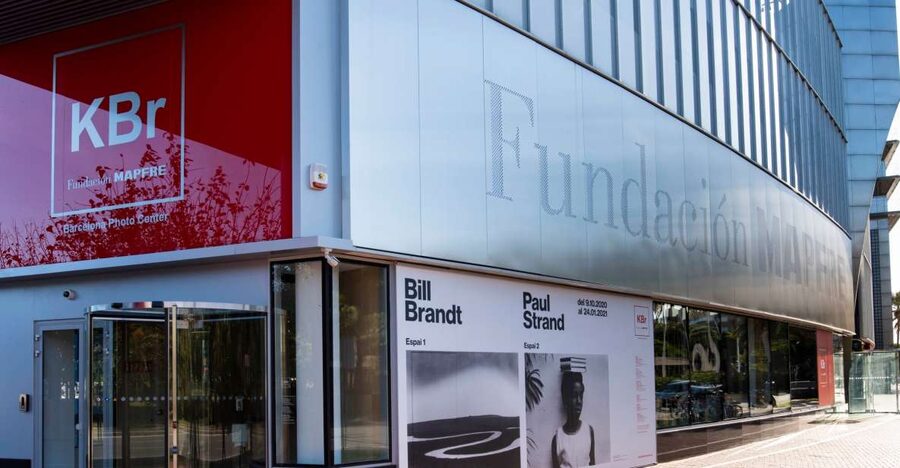
KBr Fundación MAPFRE turns a rainy-corner afternoon into serious photo time. You’re in Port Olímpic with two exhibition spaces, and the current lineup leans into documentary seeing and Spanish modern photography. I love that the tickets are low-cost for a serious gallery setting, but I’d still plan smart around opening hours and time slots, because one booking reported arriving to a closed exhibition and trouble getting a refund.
The second thing I really like is the pacing of the shows: it’s the kind of place where you can sit with images instead of sprinting. You’ll also get a free audio guide in English, Catalan, and Spanish, so you’re not stuck “reading” photos with guesswork.
In This Review
- Key things to know before you go
- KBr Fundación MAPFRE in Port Olímpic: a photo center you can actually fit in
- What’s on view: Walker Evans: Now and Then plus Pérez Siquier collections
- Walker Evans: Now and Then (until May 24, 2026)
- Pérez Siquier. Fundación MAPFRE Collections
- How the visit flows: two exhibition spaces and a photography-first setup
- Audio guide and headphone rules: make it easy on yourself
- Price and value: why $5 makes sense here
- Best timing for a smooth visit: hours that fit your day
- Who this experience fits best (and who might want a different plan)
- Small cautions: openings, time slots, and getting your bearings
- Should you book KBr Fundación MAPFRE photo exhibitions?
- FAQ
- Where is KBr Fundación MAPFRE in Barcelona?
- How much does the ticket cost?
- How long is the experience?
- What exhibitions can I see right now?
- What are the opening hours?
- Does the ticket include an audio guide?
- Are there rules about what I can bring or wear?
Key things to know before you go
- Two current exhibitions: Walker Evans: Now and Then and Pérez Siquier. Fundación MAPFRE Collections
- Until May 24, 2026: the temporary exhibition space includes the Walker Evans spotlight and contemporary photography
- Free QR audio guide: available in English, Catalan, and Spanish
- Headphones required (you can buy €1 jack headphones on-site)
- Modern, calm viewing: reviewers mention a quiet atmosphere for looking closely
KBr Fundación MAPFRE in Port Olímpic: a photo center you can actually fit in
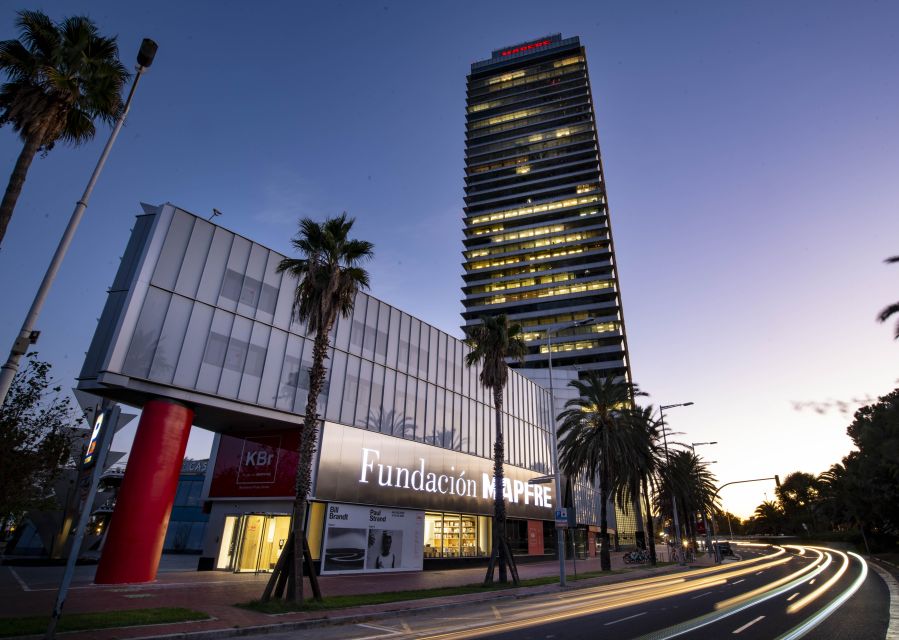
KBr Fundación MAPFRE is a straightforward gallery visit, and that’s part of the appeal. It sits in the Port Olímpic area, which makes it easy to pair with other Barcelona sightseeing days without committing to a whole evening. The experience is also built for focused looking: you’re going in for photography, not a carnival of extras.
The basics are simple. The visit is 1 day, with an entrance ticket that costs $5 per person, and the center runs on set daily hours depending on the season. If you’re the kind of person who likes to slow down with art, this is a good match because the format doesn’t force you into a scripted “tour” rhythm.
One practical detail matters for comfort: plan on bringing (or buying) headphones for the audio guide. It’s not optional once you’re inside, and that small step keeps things quiet for everyone.
More Barcelona galleries to duck into

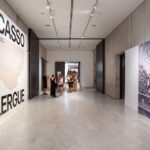
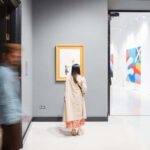
What’s on view: Walker Evans: Now and Then plus Pérez Siquier collections
Right now, the center is giving you two strong photo worlds, which is how I like gallery programming. In one space, you get a long, career-wide look at a major figure in modern photography. In the other, you see the evolution of a Spanish master through series that show how style can change without losing a voice.
Walker Evans: Now and Then (until May 24, 2026)
This exhibition centers on Walker Evans (1903–1975), known for a documentary style that feels plain at first glance and then gets sharper the longer you stare. His images trace everyday life, city scenes, and anonymous faces during a period when the United States was transforming fast.
What makes this show worth your attention is the range it promises: it follows early work from the 1920s and then moves through experiments with Polaroid photography in the 1970s. You also get iconic images and key projects, plus a through-line connecting his direct gaze with curiosity about popular culture.
A detail worth keeping in mind: the show is put together by David Campany, which signals that this isn’t just a wall of famous prints. The framing is meant to help you see Evans’s influence and how his way of watching shaped what documentary photography became.
Pérez Siquier. Fundación MAPFRE Collections
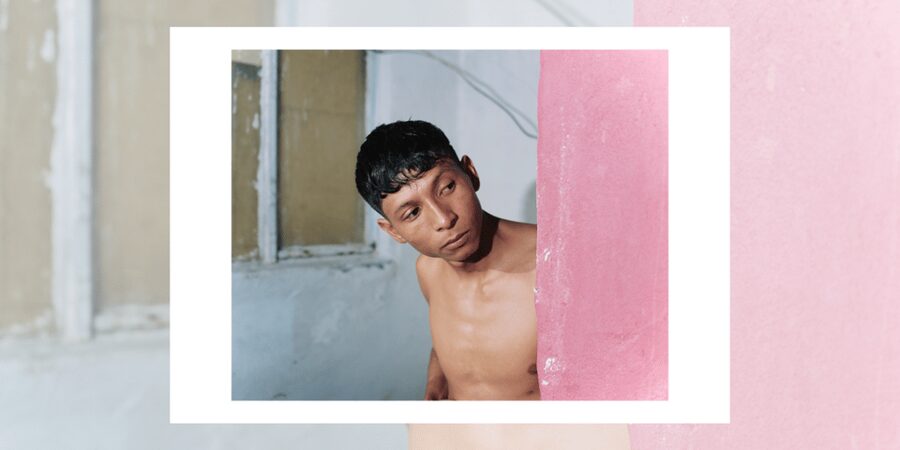
In the other exhibition space, you’ll meet Carlos Pérez Siquier (Almería, 1930–2021), one of the big names in Spanish photography and a major modernizer of visual language. This show connects his hometown roots to a body of work that blends sensitivity with irony while reflecting Spain’s social and cultural shifts.
If you care about color photography, this is the one to watch. The exhibition tracks his move from black-and-white into color, highlighting how his vision modernized Spanish photography over time. It also touches his role in building the photographic community—he co-founded the Agrupación Fotográfica Almeriense and the magazine AFAL.
The show includes emblematic series such as La Chanca, Informalisms, and The Beach. Even without memorizing dates, those titles give you a clear expectation: this isn’t only about “good pictures.” It’s about how a photographer’s thinking changes as the world changes.
How the visit flows: two exhibition spaces and a photography-first setup
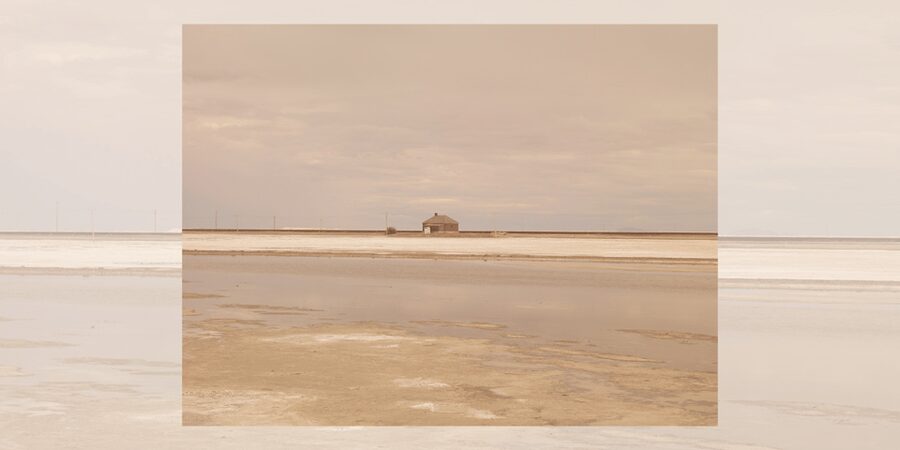
The center is set up so you can take your time without getting lost. You’re dealing with two main exhibition areas, which means you can plan a relaxed route: one space first, then the other, and then a second pass if something really grabs you.
In practical terms, I’d give yourself at least 60–90 minutes if you’re genuinely reading the photographs. If you’re a fast walker, you might do it quicker, but the material here rewards slower looking. Evans’s work, in particular, tends to become more expressive the longer you stay, because so much is happening in what looks simple.
I also like that both exhibitions lean into “thinking photography,” not just mood. Evans pushes you to notice how people and places get documented. Pérez Siquier pushes you to notice how a country’s transformation can show up in everyday scenes and in the switch from black-and-white to color.
If you’re the type who loves archives, keep an eye out for how the exhibitions handle documentary material and documentation. One booking note specifically praised the archive-heavy feel of a photographic presentation connected to Tina Modotti and strong archival work. Even if the exact content changes over time, that comment matches the overall tone of this place: the Foundation often treats photography as a serious record.
More shoots to remember Barcelona by
- Barcelona E-Bike Photography Tour★ 5.0 · 843 reviews
- Barcelona: Sunrise Paddleboarding with Instructor and Photos★ 4.9 · 782 reviews
- Barcelona: Paddleboarding at Sunrise. Includes: instructor, photos, equipment★ 4.7 · 570 reviews
Audio guide and headphone rules: make it easy on yourself
The standard ticket includes an audio guide. It’s accessed through a QR code you can scan in the room, and you’ll need a mobile device with an active internet connection.
If you don’t have mobile data, there’s a workaround: you can connect to the free Wi‑Fi network available in the space. This is exactly the kind of detail that saves stress on the day of your visit, so check it early rather than after you’ve already reached the first gallery.
Headphones are required to avoid disturbing other visitors. The center recommends you bring your own, but if you forget, you can buy €1 jack-type headphones at the ticket counter. Availability can affect how fast you get started, so if you’re visiting on a busy day, arrive prepared.
Language coverage is another win. The audio guide is available in English, Catalan, and Spanish, so you can choose what fits your comfort level. That matters because photography is subtle: a little context can turn a “nice photo” into a “now I get it” moment.
Price and value: why $5 makes sense here
At $5 per person, this is one of those Barcelona options that lets you spend less and see more quality. The Foundation isn’t asking you to pay for a long production or a complicated “experience.” You’re paying for access to two photo exhibition spaces plus the free audio guide.
The real value is what that cost buys you in attention. Photography exhibitions can be expensive in other museums, and even when admission is higher, you don’t always get audio context that helps you read images. Here, the audio guide is part of the standard ticket, and the languages are generous.
The exhibitions also cover two different kinds of viewer satisfaction:
- Evans gives you the thrill of documentary observation and iconic projects over decades.
- Pérez Siquier gives you the joy of seeing artistic development through series, plus the shift from black-and-white to color.
If you like both story and craft, you’ll probably feel like your money went into the viewing, not into the overhead.
Best timing for a smooth visit: hours that fit your day
The center opens on a set schedule that changes by season:
- October 1 to March 31: Tuesday to Sunday (and holidays), 11:00–19:00
- April 1: Tuesday to Sunday (and holidays), 11:00–20:00
This matters because you don’t want to waste your day around the edges. If your plan includes Port Olímpic plus the photo center, aim to arrive with enough time to relax into the first gallery. Early in the day tends to feel calmer, but the bigger point is to avoid cutting it close to closing time if you want to use the audio guide.
Also, keep in mind that the current temporary spotlight runs until May 24, 2026. If Evans is specifically what you’re after, don’t wait until the last week.
Who this experience fits best (and who might want a different plan)
This is a good pick if you like photography that asks you to think, not just photography that looks pretty. Evans fans will appreciate the documentary focus and the career-spanning structure. If you’re curious about Spanish photography’s modernization, Pérez Siquier is the kind of name that rewards a close look at series and changes in technique.
It’s also friendly for first-timers. You don’t need special background knowledge because the audio guide is free and available in multiple languages. In other words, you can enjoy the images first, then fill in the context while you watch how the photographers developed their styles.
On the other hand, if you’re looking for a hands-on workshop or a high-energy interactive museum moment, this isn’t that kind of experience. You’re there for galleries and sustained viewing.
Small cautions: openings, time slots, and getting your bearings
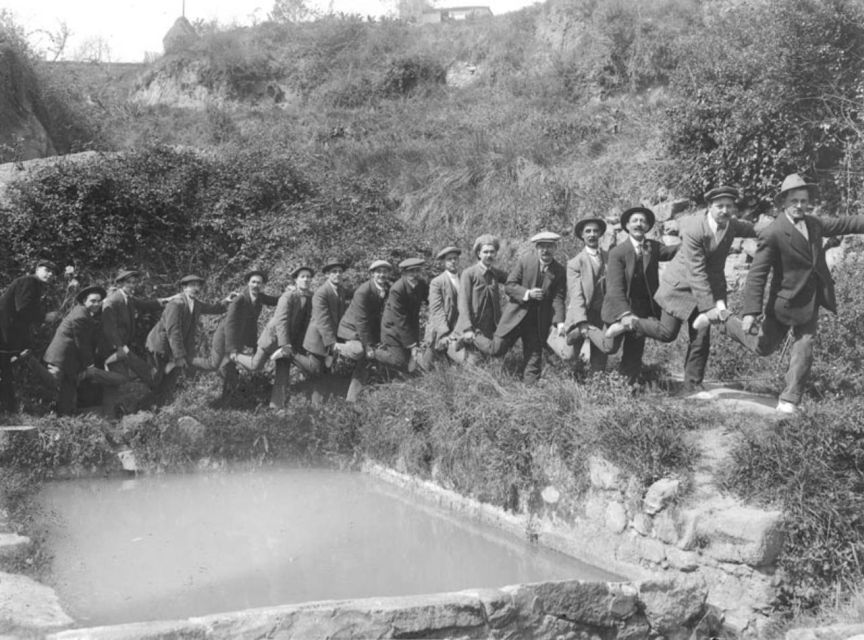
Everything here is fairly simple, but two practical issues are worth flagging.
First, the center has standard opening hours by season, and some visitors may run into problems if they arrive outside those times. Second, one booking report described a situation where a time slot was booked but the exhibition was closed on arrival, and the person said they could not secure a refund. That’s not something I can predict for every visit, but it is a strong reason to keep your confirmation details handy and give yourself a little buffer time.
If you’re the type who likes certainty, plan your visit during the core opening window and avoid the last possible minute. Then you can treat the audio guide and the two exhibition spaces as a full experience instead of a race.
Should you book KBr Fundación MAPFRE photo exhibitions?
I think you should book if you want a low-cost, high-quality photography stop in Barcelona where the emphasis is on serious exhibitions, not distractions. The combination of Walker Evans: Now and Then (through May 24, 2026) and Pérez Siquier gives you both documentary seeing and Spanish photographic evolution in one day.
Book it if you’re willing to slow down and use the free QR audio guide, especially with headphone rules in mind. And if you’re traveling in a language other than Spanish or English, the audio guide options are a real bonus.
Skip it only if you’re chasing a more interactive, hands-on museum day or you’re extremely time-sensitive with no flexibility. Photography at a pace like this needs a bit of breathing room.
FAQ
Where is KBr Fundación MAPFRE in Barcelona?
It’s the KBr Fundación MAPFRE Barcelona Photo Center located in the Port Olímpic area of Barcelona.
How much does the ticket cost?
The entrance ticket is listed at $5 per person.
How long is the experience?
The activity is valid for 1 day.
What exhibitions can I see right now?
The temporary exhibition space features contemporary photography and the Walker Evans spotlight, Walker Evans: Now and Then, and there is also Pérez Siquier. Fundación MAPFRE Collections shown in the Foundation’s collections.
What are the opening hours?
From October 1 to March 31, it’s Tuesday to Sunday (and holidays), 11:00–19:00. From April 1, it’s Tuesday to Sunday (and holidays), 11:00–20:00.
Does the ticket include an audio guide?
Yes. The standard ticket includes an audio guide accessible via a QR code in the room. You need a mobile device with internet access, and free Wi‑Fi is available if you need it.
Are there rules about what I can bring or wear?
Swimwear and food are not allowed. Headphones are required for the audio guide, and you can bring your own or purchase €1 jack-type headphones at the ticket counter.
Remember Barcelona in Photos
- Barcelona E-Bike Photography Tour
★ 5.0 · 843 reviews - Barcelona: Sunrise Paddleboarding with Instructor and Photos
★ 4.9 · 782 reviews - Barcelona: Paddleboarding at Sunrise. Includes: instructor, photos, equipment
★ 4.7 · 570 reviews - Costa Brava: Kayak, Snorkel, Photos, Lunch, Beach & Cliff Jump!
★ 5.0 · 508 reviews - Photoshoot tour in Barcelona Secret Corners
★ 5.0 · 223 reviews
Barcelona Galleries to Duck Into
- Barcelona: FC Barcelona Museum “Barça Immersive Tour” Ticket
★ 4.4 · 10,944 reviews - Barcelona: Park Güell and Gaudí House Museum Entry Ticket
★ 4.5 · 6,326 reviews - Barcelona: Picasso Museum Skip-the-Line Guided Tour
★ 4.5 · 3,355 reviews - Moco Museum Barcelona: Modern & Contemporary Art
★ 4.6 · 3,229 reviews - Girona & Dali Museum Small Group Tour with Pick-up from Barcelona
★ 5.0 · 2,965 reviews
More Barcelona Tours on Our Radar
- Barcelona: Sagrada Familia Entry Ticket with Audio Guide
★ 4.6 · 105,312 reviews - Barcelona: Park Güell Admission Ticket
★ 4.4 · 76,534 reviews - Barcelona: Casa Batlló Entry with Self-Audioguide Tour
★ 4.7 · 25,359 reviews - Barcelona: Montjuïc Cable Car Roundtrip Ticket
★ 4.5 · 22,368 reviews - Barcelona: Hola Barcelona Public Transport Travel Card
★ 4.5 · 20,985 reviews
Just Rated Around Barcelona


Photography Sessions, compared.
 ★ 5.0Barcelona E-Bike Photography TourFrom $89843 reviews
 ★ 4.9Sunrise Paddleboarding with Instructor and PhotosFrom $35782 reviews
 ★ 4.7Paddleboarding at Sunrise. Includes: instructor, photos, equipmentFrom $29570 reviews
 ★ 5.0Costa Brava: Kayak, Snorkel, Photos, Lunch, Beach & Cliff Jump!From $72508 reviews
 ★ 5.0Photoshoot tour in Barcelona Secret CornersFrom $43223 reviews
 ★ 4.9✅ Barcelona: Photoshoot Tour Old TownFrom $41213 reviews
 ★ 4.8✅ Barcelona: Sightseeing Professional Photoshoot SessionFrom $38194 reviews
 ★ 4.4Sunrise or Sunset Paddle Surf with PhotosFrom $53184 reviews
Browse the lists this tour appears in