
Paella is way easier when someone shows you the rhythm. This 2-hour hands-on class in Barcelona’s Gràcia neighborhood turns a classic seafood paella into something you can actually repeat at home, with Catalan instruction and a small group feel. I especially like that you’re not stuck watching from the sidelines—you cook and eat what you make. One thing to consider: it’s a dinner-time activity (start 7:00 pm), so you’ll want to plan your day around being hungry and staying put for about two hours.
What makes it interesting is the setting and the pacing: an open kitchen around the island in a stylish 150m² space, plus an active menu of Catalan starters before the main event. You’ll be guided by the team from Kampada, including a host/chef named Pabla, with time to ask questions and get Spain-specific tips. Come in hungry and ready to chop, toast, and taste; the payoff is leaving full and with a clearer paella game plan than you’d get from a cookbook alone.
In This Review
- Key points for your paella night
- Open-kitchen paella in Gràcia, starting at 7:00 pm
- Inside L’ExquisEat: how the layout keeps you involved
- Your menu: Catalan starters, seafood paella, and the flavors to rebuild at home
- Catalan starters that set up the paella mindset
- Main event: traditional seafood paella
- Bottomless sangría: what’s included and how it shapes the evening
- Price and value: is $81.71 for two hours a good deal?
- Making the most of the chef’s guidance (and what to ask)
- Timing, getting there, and planning the rest of your evening
- Who this paella class suits best
- Should you book this paella class in Barcelona?
- FAQ
- How long is the paella cooking class in Barcelona?
- What time does the class start?
- Where is the meeting point?
- What language is the class offered in?
- Is it a small group?
- What dishes are included?
- Is sangría included, and is it unlimited?
- What drinks besides sangría are included?
- What’s included in the price besides food?
- What if plans change and I need to cancel?
Key points for your paella night
- Small group (max 12) means more back-and-forth with the chef, not a passive cooking show.
- Open kitchen around the island creates a real chef’s-table energy while you learn.
- Seafood paella plus Catalan tapas are built into the same session, so you eat what you cook.
- Sangría is bottomless in spirit: it’s an open bar made as part of the experience, not just poured at you.
- Gràcia location keeps you in a charming local neighborhood with good public-transport access.
Open-kitchen paella in Gràcia, starting at 7:00 pm
This experience is designed for the sweet spot between a cooking class and a proper dinner. It runs for about 2 hours, starting at 7:00 pm, so it works well as your main evening plan in Barcelona rather than an add-on you squeeze in after sightseeing. The setting is in Gràcia, one of the city’s most charming districts, and the vibe is laid-back and social.
The venue itself matters more than you might think. It’s a 150m² space with comfy seating, tables, and a “you’re here for dinner” atmosphere—music on, people talking, and cooking happening right in front of you. Instead of learning in a rigid demo format, you get a calmer rhythm where chopping and cooking happen alongside conversation.
Also, the class is in English, and you get a mobile ticket, with confirmation received at booking. That’s helpful if you like things simple and you don’t want to worry about printed vouchers.
More tapas crawls worth the appetite


Inside L’ExquisEat: how the layout keeps you involved
The meeting point is L’ExquisEat, Carrer de Santa Magdalena, 9, Gràcia, 08012 Barcelona. The activity ends back at the same meeting point, so you’re not left figuring out transport afterward while still tasting like garlic and sangría.
Inside, the structure is built to keep you doing something. The experience description calls out an open kitchen around the island, and the included dinner is in an inviting lounge with warm lighting and candlelight. Practically, that means you’re moving between cooking stations and then settling down together once the paella is ready.
Why this matters: paella is not just about ingredients. It’s timing, heat control, and workflow. A setup where you can see what’s going on and get hands-on guidance makes learning far more useful for your future self.
Small group size also helps. With a maximum of 12 travelers, the chef can correct small technique issues and answer your questions before they become bad habits. It’s the difference between feeling “taught” and feeling “copied.”
Your menu: Catalan starters, seafood paella, and the flavors to rebuild at home
The class menu is very specific, and that’s a good thing. You’re not paying for a vague cooking experience—you’re leaving with a defined set of dishes and flavors you can recreate.
Catalan starters that set up the paella mindset
You start with Catalan staples that teach you a lot about how Spanish cooking builds flavor:
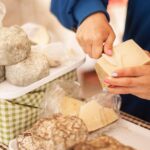
- Fuet: a traditional Catalan cured sausage made from high-quality pork, black pepper seasoning, and air-drying. It’s a simple starter, but it gives you that cured-meat salty depth that pairs naturally with bread and tomatoes.
- Pa amb tomàquet: toasted bread rubbed with ripe tomato, olive oil, and salt. This is one of those dishes that seems too easy—until you realize it’s about ripeness and restraint.
- Grilled cuttlefish with garlic and parsley sauce (sepia a la plancha with ají sauce): tender, lightly seared cuttlefish with a smoky, bold sauce and a subtle spicy kick.
- Mussels in marinera sauce: mussels gently cooked in a rich tomato, garlic, and white wine sauce—classic Mediterranean comfort with real aromatic foundation.
These starters matter because they train your palate before the rice arrives. When you understand tomato + garlic + seafood flavors in the tapas, you’ll notice them again in the paella base rather than treating it like a totally separate dish.
Main event: traditional seafood paella
For the main course, you’ll make traditional seafood paella, cooked with shellfish and fresh seafood. Paella is all about coordination—rice texture, broth absorption, and even how the seafood is added so it stays tender instead of overcooked.
The most useful part for home cooking is not just tasting good paella. It’s learning what to pay attention to while the pan is working. With a small group class, you get that step-by-step attention so you can pick up the key moves: what to watch during cooking, how the seafood changes during heat, and how the final result should smell and look when it’s ready.
If you care about eating in the Mediterranean style beyond one dish, this menu does the job. You’re getting a Catalan bread-and-tomato start, seafood tapas that teach flavor building, and then a paella finish that pulls it all together.
Other kitchens where you'll cook the paella
- Barcelona: Paella Cooking Experience & Boqueria Market Tour★ 4.8 · 3,661 reviews
- Barcelona Paella Cooking Class with Market Visit, Tapas & Sangria★ 5.0 · 2,531 reviews
- Barcelona Food Tour: Tapas, Paella, Sangria & 8+ Local Tastings★ 5.0 · 1,275 reviews
Bottomless sangría: what’s included and how it shapes the evening
You get an open bar of refreshing sangría during the session. The included details are specific: it’s a barra libre de sangría made by the participants, and you’ll learn the team’s local recipe so you can surprise friends later.
Even if you’re not a heavy drinker, the sangría is part of the pacing. It’s served while you cook and chat, which keeps the evening from feeling like a strict class with no release valve. And since it’s included, you don’t have to play the usual Barcelona budgeting game of adding drinks on top of your dinner plans.
Practical tip: sangría is often more than juice—there’s usually fruit and sweetness, so it can mask how quickly you’re drinking. If you want to stay sharp for technique and questions, take it slow and alternate with bottled water, which is included.
Price and value: is $81.71 for two hours a good deal?
At $81.71 per person, this class sits in the “worth it if you’ll actually use the skills” category. Here’s why the math usually works:
You’re getting:
- A hands-on cooking class (not just tasting)
- A full set of Catalan starters
- A traditional seafood paella main
- Alcoholic beverages via the open sangría bar, plus the chance to make it as part of the experience
- Bottled water included
And the format is small, with a max of 12 travelers, which typically means your time with the chef is higher quality than big-group options. The experience also ends where it starts, so you’re not paying for extra logistics on top.
What’s not included:
- Soda/pop
- Private transportation
So if you already have your Barcelona transport figured out and you want an evening meal that also teaches, this price starts to look like a bundled deal: dinner + instruction + drinks.
If you only want to eat paella and you’re the type who hates cooking stations, you might decide it’s not your best value. But if you want to learn the how (and not just the what), it’s a strong use of your time.
Making the most of the chef’s guidance (and what to ask)
This is not a strict classroom. The vibe is collaborative: you cook, chat, and then share the meal at a long table together once the paella is ready. That structure makes it easier to ask questions while the pan is hot and the process is happening.
When you’re in the kitchen, I recommend asking very practical things, like:
- What to watch for in the rice stage so it doesn’t turn out underdone
- When and how to manage seafood so it stays tender
- How to get pa amb tomàquet to taste right every time (tomato ripeness and salt balance)
- What garlic-and-parsley technique matters most for the cuttlefish
The experience also encourages you to ask your guide for tips and recommendations after the tour ends. That’s genuinely useful in Barcelona, because paella-focused questions can lead to great ordering advice for restaurants back on your own schedule.
One more small but important consideration: this kind of cooking class runs best if you arrive ready to participate. If you tend to be late, plan extra buffer time. Still, the host has been described as accommodating when someone arrives late, so you’re not starting from zero if a minor delay hits.
Timing, getting there, and planning the rest of your evening
This starts at 7:00 pm, so treat it like dinner with learning built in. You’ll likely want to keep your earlier evening lighter so you don’t fight hunger while chopping and cooking. The session ends back at the meeting point, so you can plan a relaxed stroll afterward without a complicated transport plan.
It’s near public transportation, so you won’t need to rely on private transfers. If you’re staying in the Eixample area or around central sights, it’s the kind of evening plan where you can hop on transit and still feel like you got something local.
For the best flow, come ready to taste. The included tapas and paella are part of the learning process, not just filler, so eating mindfully while you’re in the kitchen will help your memory when you cook later.
Who this paella class suits best
This class is a great fit if you:
- Want to leave Barcelona with a repeatable skill, not just photos
- Like small-group, social food experiences
- Prefer Mediterranean and Catalan flavors and want to understand them through cooking
- Enjoy seafood and the idea of learning paella as a full meal
It’s also ideal for couples or friends, since the pacing is friendly and the seating encourages shared conversation around the meal table. For groups (including team-building style groups), the collaborative format and shared dinner structure can make it feel less like an activity and more like an evening out with purpose.
If you’re only seeking a quick snack and a drink, this is longer and more hands-on than that. But if you want a real dinner that teaches you how to cook, you’ll likely feel like you got your money’s worth.
Should you book this paella class in Barcelona?
Book it if you want an evening that blends Catalan tapas, seafood paella, and a relaxed cooking format in a small group setting. The combination of open-kitchen learning, a defined menu, and the included sangría recipe experience makes it feel more complete than a basic tasting session.
Skip it (or rethink it) if you don’t enjoy cooking stations, you hate being scheduled at 7:00 pm, or you only want to eat paella without learning how it’s built. For many people, though, it hits the sweet spot: you go home full, and you also understand what to do next time the pan is in front of you.
FAQ
How long is the paella cooking class in Barcelona?
It runs for about 2 hours.
What time does the class start?
The start time is 7:00 pm.
Where is the meeting point?
You meet at L’ExquisEat, Carrer de Santa Magdalena, 9, Gràcia, 08012 Barcelona, Spain.
What language is the class offered in?
The experience is offered in English.
Is it a small group?
Yes. The maximum group size is 12 travelers.
What dishes are included?
You’ll enjoy Catalan charcuterie (fuet), pa amb tomàquet, grilled cuttlefish with garlic and parsley sauce, mussels in marinera sauce, and traditional seafood paella.
Is sangría included, and is it unlimited?
Yes. There’s a barra libre open bar of sangría included.
What drinks besides sangría are included?
Bottled water is included. Soda/pop is not included.
What’s included in the price besides food?
The price includes the class experience, the included dishes and snacks, and the alcoholic beverages (sangría).
What if plans change and I need to cancel?
You can cancel for a full refund if you cancel at least 24 hours in advance. If you cancel later than that, the amount paid is not refunded.
More Barcelona Tours on Our Radar
- Barcelona: Sagrada Familia Entry Ticket with Audio Guide
★ 4.6 · 105,312 reviews - Barcelona: Park Güell Admission Ticket
★ 4.4 · 76,534 reviews - Barcelona: Casa Batlló Entry with Self-Audioguide Tour
★ 4.7 · 25,359 reviews - Barcelona: Montjuïc Cable Car Roundtrip Ticket
★ 4.5 · 22,368 reviews - Barcelona: Hola Barcelona Public Transport Travel Card
★ 4.5 · 20,985 reviews
Back in the Paella Kitchen
- Barcelona: Paella Cooking Experience & Boqueria Market Tour
★ 4.8 · 3,661 reviews - Barcelona Paella Cooking Class with Market Visit, Tapas & Sangria
★ 5.0 · 2,531 reviews - Barcelona Food Tour: Tapas, Paella, Sangria & 8+ Local Tastings
★ 5.0 · 1,275 reviews - Girona & Costa Brava Small Group Tour From Barcelona with Paella!
★ 4.5 · 1,098 reviews - Paella Experience and Bottomless Wine in Barcelona
★ 5.0 · 1,037 reviews
One More Tapas Crawl
- Montserrat Half-Day Tour with Tapas and Gourmet Wines
★ 5.0 · 7,359 reviews - Montserrat & Cogwheel Train, Gourmet Wine Tasting & Tapas/Lunch
★ 5.0 · 6,290 reviews - Barcelona Tapas and Wine Experience Small-Group Walking Tour
★ 5.0 · 5,804 reviews - Montserrat with Black Madonna & Medieval Winery with Tapas/Lunch
★ 5.0 · 5,209 reviews - Barcelona: Tapas Walking Tour with Food, Wine, and History
★ 4.8 · 4,261 reviews
Just Rated Around Barcelona


Tapas Tours, compared.
 ★ 5.0Montserrat Half-Day Tour with Tapas and Gourmet WinesFrom $557,359 reviews
 ★ 5.0Montserrat & Cogwheel Train, Gourmet Wine Tasting & Tapas/LunchFrom $816,290 reviews
 ★ 5.0Barcelona Tapas and Wine Experience Small-Group Walking TourFrom $835,804 reviews
 ★ 5.0Montserrat with Black Madonna & Medieval Winery with Tapas/LunchFrom $655,209 reviews
 ★ 4.8Tapas Walking Tour with Food, Wine, and HistoryFrom $784,261 reviews
 ★ 5.0Barcelona Paella Cooking Class with Market Visit, Tapas & SangriaFrom $1142,531 reviews
 ★ 4.9Food Walking Tour with Tapas and WineFrom $1002,180 reviews
 ★ 4.5Barcelona Tapas Walking Tour: Food, Wine & HistoryFrom $661,928 reviews
Browse the lists this tour appears in