
Reviewed · GAUDÍ ARCHITECTURE TOURS
Gaudí & Modernism with a Historian.
Gaudí’s buildings start making more sense fast.
This tour is built around the why behind Modernisme in Barcelona, not just the look of the facades. I like the way Mariano Pesin connects art to real-world forces like the city’s shift into a modern, international metropolis, so the streets feel less random.
Two things I really enjoy: the close-up analysis of Gaudí’s work and the nature-inspired symbolism that explains the details you’d otherwise walk past. You’ll also get a stronger sense of Barcelona itself, because the tour frames Gaudí inside the broader social, political, and economic picture—not as a lone genius in a bubble.
One consideration: it starts on time, and the organizers set a strict rhythm. Plan to be there a bit early since the maximum waiting time is 10 minutes (with previous notice), and you’ll want your energy for the walk.
In This Review
- Key things you’ll notice on this tour
- Why this Gaudí-and-Modernism tour works (and why that matters)
- The 2.5-hour route: from Pg. de Gràcia to Casa Milà and then to coffee
- Modernism isn’t a style. It’s a Barcelona story.
- How Mariano teaches you to read Gaudí’s symbolism in plain language
- The coffee stop: why the end matters more than you’d expect
- Price, value, and how to decide if it fits your trip
- Practical tips so you don’t waste your 2.5 hours
- Who should book this tour (and who should skip it)
- Should you book the Gaudí & Modernism with a Historian tour?
- FAQ
- What is the duration of the Gaudí & Modernisme tour?
- How much does the tour cost?
- Where do I meet the guide?
- What language is the guide?
- Is the tour wheelchair accessible?
- Can I cancel or get a refund?
Key things you’ll notice on this tour
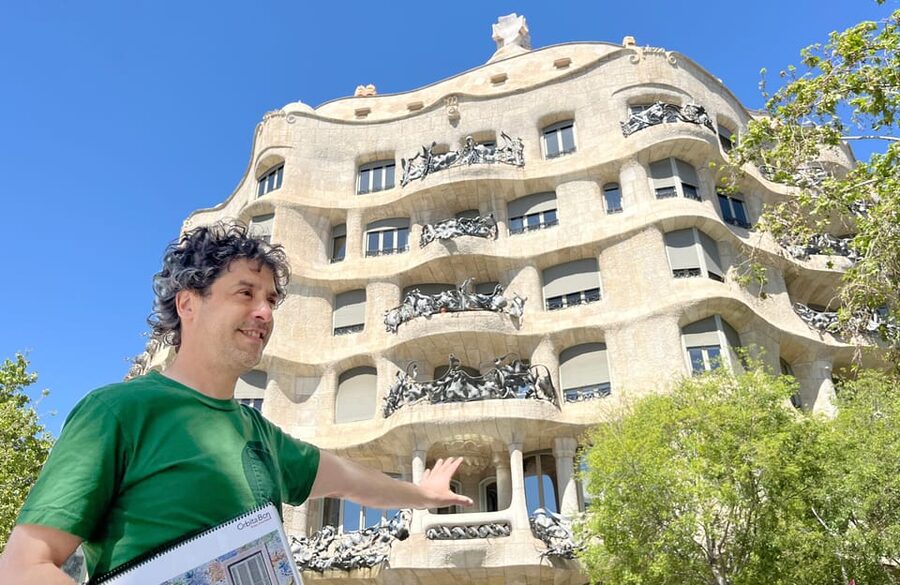
- Mariano Pesin tells the story like a historian, tying Modernism to Barcelona’s industrial and international growth
- You’ll learn to read symbolism in Gaudí’s details, especially ideas inspired by nature
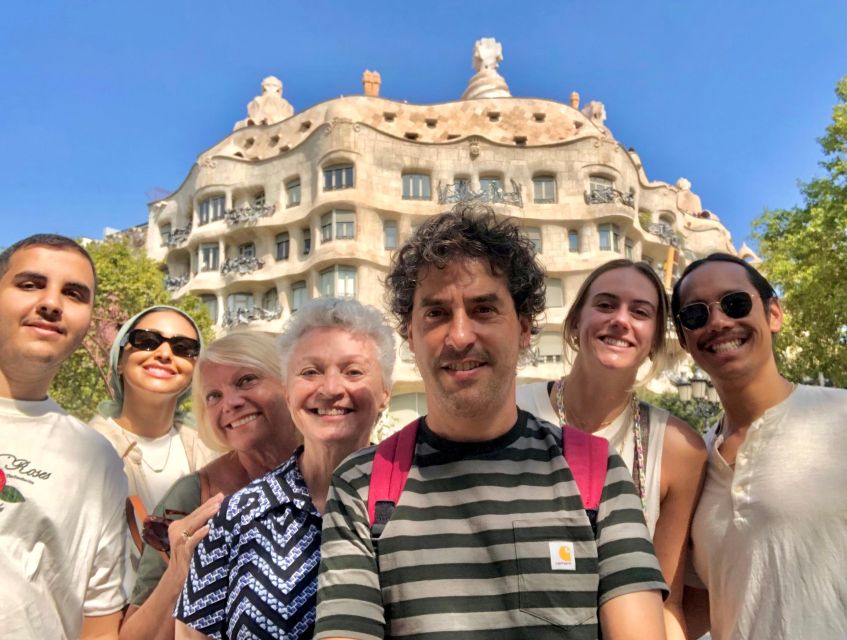
- You stop at Casa Milà (La Pedrera) and discuss what you’re seeing in front of you
- Original objects from the time are part of the included experience, helping you picture the era
- It ends with an exclusive coffee shop moment, where the conversation continues in a calmer setting
Why this Gaudí-and-Modernism tour works (and why that matters)
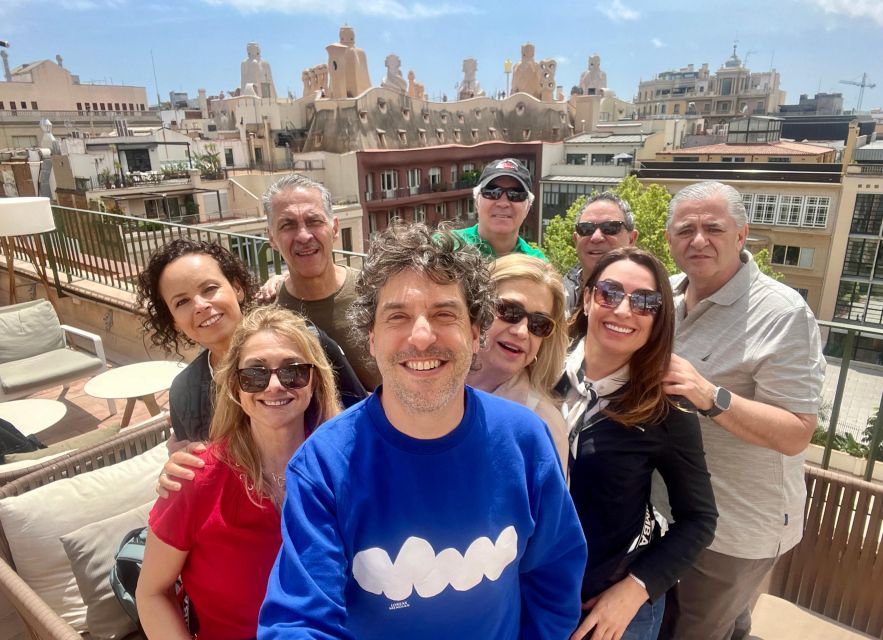
If you’ve ever stared at a Gaudí facade and thought, I like it, but I don’t fully get it—good. That’s exactly what this tour fixes. The experience is timed for a walking pace where you can actually process what you’re looking at. You’re not just collecting photos. You’re learning a way to see.
What sets this one apart is the framing. Modernism in Barcelona wasn’t only an art style. It was a mood, a power shift, and a new way to show identity. Mariano Pesin’s approach ties social, political, and economic context to the buildings you’re seeing. That matters because Gaudí’s work often feels fantastical. Context helps you understand why people were ready for fantasy, and why they paid for it.
Another strong point: the tour doesn’t treat Gaudí like a museum artifact. Mariano explains how the city’s richest and most influential people shaped opportunities, and how that support helped create those emblematic buildings. When you understand the network around the architecture, the stones stop being random and start being persuasive.
And yes, the guide is also clearly invested in the experience. In multiple accounts, Mariano is described as enthusiastic, fun, and caring about giving you real value—not just reciting facts while everyone shuffles along.
Follow the Gaudí trail a little further



The 2.5-hour route: from Pg. de Gràcia to Casa Milà and then to coffee
You’ll meet at Camper Store, then start from Pg. de Gràcia, 2. From there, the tour moves on foot with the main architecture focus on Casa Milà. Since this is a 2.5-hour format, the pacing is designed to keep attention on the core ideas rather than cramming in too many stops.
Casa Milà (La Pedrera) is your anchor point. You’ll get guided interpretation right where the building can do its full job: show you what Gaudí was doing with curves, stonework, and the sense that the building has its own logic. Instead of telling you only what to photograph, the guide helps you connect forms to meaning. That’s where symbolism comes in—especially the theme of nature-inspired sensibility.
The tour finishes at C. de Pau Claris, 179, 08037 Barcelona, Spain, and the experience includes going afterward to a coffee shop set in a calmer, nature-feeling place. This end stop isn’t an afterthought. It gives you a chance to slow down, ask follow-ups, and process what you learned while it’s still fresh.
Because the route uses central streets, it’s also a solid choice for travelers who want a meaningful experience without dedicating a half day or getting lost in complicated logistics.
Modernism isn’t a style. It’s a Barcelona story.
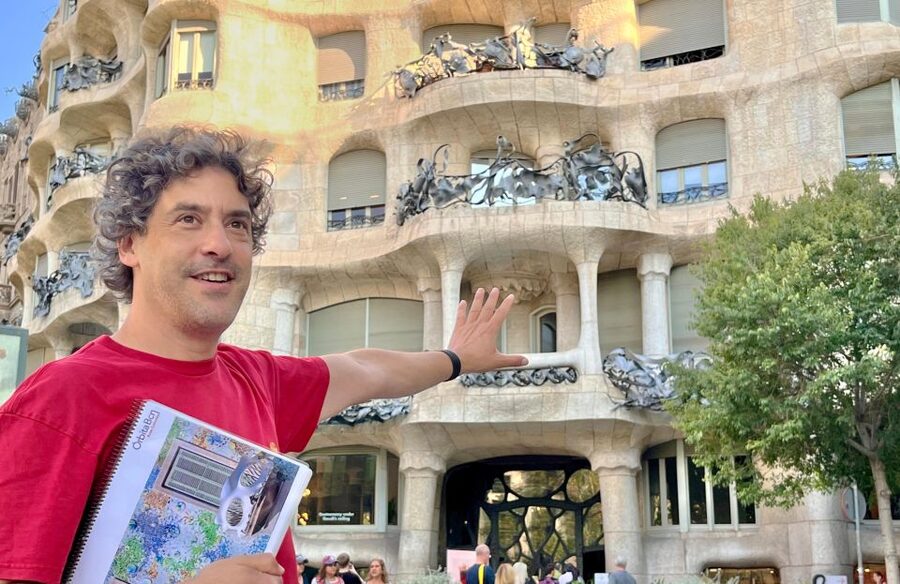
Modernism in Barcelona (often called Modernisme) grew in a city that was changing fast. The key idea you’ll hear is the transformation tied to the Industrial Revolution in Catalonia: Barcelona becomes more modern, more connected, and more international. That shift is what makes artists like Picasso and Gaudí part of a wider story rather than isolated names.
Mariano Pesin explains the period in its social, political, and economic context, which is exactly what most architecture tours skip. You might see beautiful buildings and still wonder why that era produced such bold work. Here, the “why” is built into the walk.
For you, that means two practical benefits:
First, you’ll better recognize patterns when you spot other Modernist elements around town later. You’ll start noticing how the city’s identity is being negotiated in stone and iron.
Second, you’ll stop judging the style as weird for weird’s sake. Even if you’re not into architecture, you’ll understand that the buildings were arguments. They were statements about the future, about power, and about who gets to define beauty.
The tour also touches on Gaudí’s relationship to influential patrons. This is useful because it frames his output as both creative and opportunistic. He wasn’t working in a vacuum. People funded ambition, and Gaudí had the vision (and skills) to turn that funding into something unforgettable.
How Mariano teaches you to read Gaudí’s symbolism in plain language
Gaudí’s details can feel like visual poetry—until you learn the rules behind the writing. A major focus here is the symbolism inspired by nature, and it’s presented in a way you can carry into your own sightseeing after the tour.
Instead of throwing symbols at you with no connection, the guide helps you understand the sensibility behind them. Think of it like learning a new camera angle: suddenly the same object becomes clearer.
You’ll also hear Gaudí’s history explained in front of his most famous buildings, which is smart. Architecture can’t be fully understood from memory. Seeing it while it’s being explained keeps you grounded. Your brain can match the concept to the specific feature right there in front of you.
One included detail that I think is especially valuable: the tour shares original objects from the time. When a guide brings physical artifacts into the conversation, it shifts the experience from abstract description to something more immediate. You get a stronger sense of what people around Gaudí were thinking and using, and why the buildings looked the way they did.
The coffee stop: why the end matters more than you’d expect
The tour ends with an invite to an exclusive coffee shop surrounded by nature. That might sound like a nice extra. It’s more than that.
When you’re learning a dense topic—Modernism, patrons, politics, symbolism—you need a soft landing. The coffee stop gives you time to reframe. It also helps you ask the questions that often don’t happen while you’re standing on a sidewalk in motion.
From accounts of the experience, this part also tends to lead to good conversation and a relaxed mood. Mariano comes across as someone who treats the group like people, not like a checklist.
If you like tours where the guide still wants you to enjoy the city, this ending style is a plus.
- Barcelona: Hola Barcelona Public Transport Travel Card★ 4.5 · 20,985 reviews
- Barcelona: 24 or 48-Hour Hop-On Hop-Off Bus Tour★ 4.4 · 20,872 reviews
- Barcelona: Park Guell Guided Tour with Skip The Line Entry★ 4.7 · 17,563 reviews
Price, value, and how to decide if it fits your trip
The price is $65 per person for 2.5 hours. For Barcelona, that’s in the practical range for an English/Spanish guided architecture experience, especially one that includes:
- Guided explanations tied to Modernism’s social and political context
- Analysis of symbology in buildings
- Focus on Casa Milà in a structured walking format
- Original objects from the time
- A coffee stop afterward
So where’s the value? It’s not only the time. It’s the way the time is used: you’re paying for interpretation, not just movement. If you normally visit buildings and feel like you’re missing the point, this tour targets that problem directly.
This tour is a particularly good fit if you:
- Plan to spend more time in Barcelona’s architecture neighborhoods and want better “reading skills”
- Want an explanation beyond guidebook-level descriptions
- Like history that connects to art, not history as a separate topic
- Prefer smaller, focused experiences over long marathons
It may be less ideal if you:
- Want a fast, photo-first hop between lots of sights
- Are not interested in context and symbolism, and only care about surface-level impressions
Practical tips so you don’t waste your 2.5 hours
A good tour can still be hard if you show up unprepared. Here’s how to make it smooth:
- Arrive a bit early. The tour starts on time, and the maximum waiting time is 10 minutes (with previous notice). If you’re late, you may miss the start.
- Use the restroom before you go. The organizers suggest doing it ahead of time.
- Bring water. Even in cooler months, a walking tour in the city adds up.
- Dress for temperature changes. The weather can shift, and the tour involves walking outdoors.
- Bring comfortable shoes. You’ll be on sidewalks for the full 2.5 hours, with stops for explanations.
- Expect English or Spanish delivery. The live guide works in English and Spanish, so you can choose what fits you best.
- Wheelchair accessible. If mobility needs are part of your plan, this tour is listed as wheelchair accessible.
Also, quick mindset tip: don’t try to memorize everything. Instead, pick up a few “meaning lenses” to carry forward. That’s how the experience pays off even after you leave.
Who should book this tour (and who should skip it)
Book it if you want Gaudí to make sense as you walk. You’re paying for interpretation—Modernism as a human story, not only architecture as an object. Mariano Pesin’s style, as reflected in the way people describe the tour, is also a big part of the appeal: enthusiastic, fun, and focused on making sure you understand what you’re seeing.
Skip it if you want a simple overview with minimal walking explanation. This tour leans into analysis: Modernist context, Gaudí’s history, and symbolism.
One more decision guide: if you’re the type who likes to connect art to the time period that produced it, you’ll likely finish the tour feeling like Barcelona speaks a little clearer. If you only want a quick set of highlights, you might feel it’s too explanatory.
Should you book the Gaudí & Modernism with a Historian tour?
If your goal is deeper understanding with a manageable time commitment, I’d say yes. Casa Milà plus Modernism context plus a symbolic reading of nature-inspired Gaudí details is a strong combination. The included coffee stop also makes the experience feel complete rather than rushed.
The only real reason to pause is timing: because it starts on time with a strict waiting limit, you’ll need to be punctual. If you can handle that, this is a great way to turn Barcelona architecture from a collection of pretty buildings into something you can actually interpret while you’re there.
FAQ
What is the duration of the Gaudí & Modernisme tour?
The tour lasts 2.5 hours.
How much does the tour cost?
It costs $65 per person.
Where do I meet the guide?
You meet in front of the Camper Store.
What language is the guide?
The live guide offers the tour in English and Spanish.
Is the tour wheelchair accessible?
Yes, the tour is listed as wheelchair accessible.
Can I cancel or get a refund?
Yes. Free cancellation is available up to 24 hours in advance for a full refund.
More Barcelona Tours on Our Radar
- Barcelona: Sagrada Familia Entry Ticket with Audio Guide
★ 4.6 · 105,312 reviews - Barcelona: Park Güell Admission Ticket
★ 4.4 · 76,534 reviews - Barcelona: Casa Batlló Entry with Self-Audioguide Tour
★ 4.7 · 25,359 reviews - Barcelona: Montjuïc Cable Car Roundtrip Ticket
★ 4.5 · 22,368 reviews - Barcelona: Hola Barcelona Public Transport Travel Card
★ 4.5 · 20,985 reviews
Further Along the Gaudí Trail
- Barcelona: Park Güell and Gaudí House Museum Entry Ticket
★ 4.5 · 6,326 reviews - Barcelona: Gaudí’s Park Güell Tour with Fast-Track Ticket
★ 4.8 · 4,512 reviews - Barcelona: Sant Pau Recinte Modernista Entry Ticket
★ 4.6 · 2,567 reviews - Barcelona: Sagrada Familia, Modernism, and Old Town Tour
★ 4.7 · 1,621 reviews - Sagrada Familia & Gaudi Tour Private or Small Group with Tickets
★ 4.5 · 1,188 reviews
Just Rated Around Barcelona




Gaudí Architecture Tours, compared.
 ★ 4.5Park Güell and Gaudí House Museum Entry TicketFrom $336,326 reviews
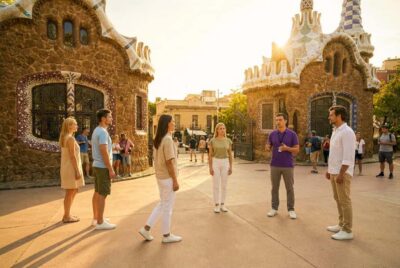 ★ 4.8Gaudí’s Park Güell Tour with Fast-Track TicketFrom $324,512 reviews
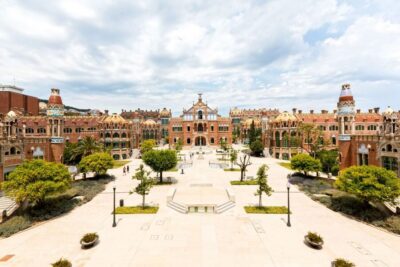 ★ 4.6Sant Pau Recinte Modernista Entry TicketFrom $212,567 reviews
 ★ 4.7Sagrada Familia, Modernism, and Old Town TourFrom $521,621 reviews
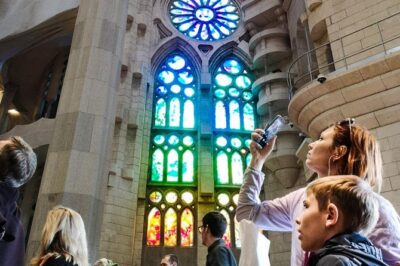 ★ 4.5Sagrada Familia & Gaudi Tour Private or Small Group with TicketsFrom $901,188 reviews
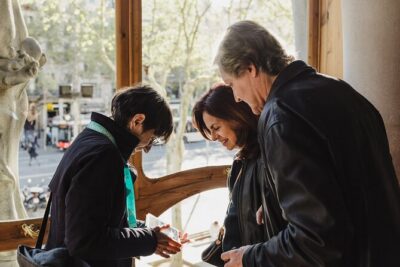 ★ 5.0Complete Gaudi Tour: Casa Batllo, Park Guell & Sagrada FamiliaFrom $1621,152 reviews
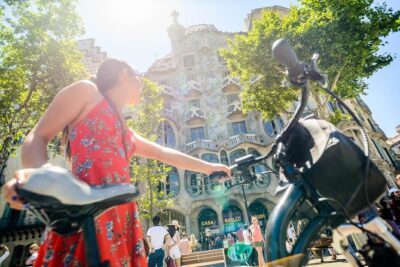 ★ 5.0Barcelona e-Bike Tour: Gaudí & Old Town Small GroupFrom $38769 reviews
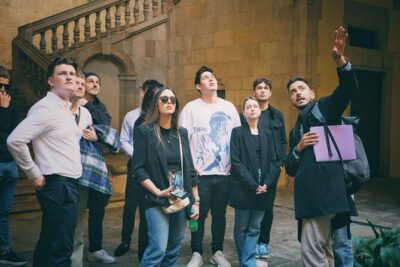 ★ 5.0Ramblas, Old Town, Gothic and Gaudi Architecture Walking TourFrom $35723 reviews
Browse the lists this tour appears in